Stone Age animals
KS2 history
Do you know your woolly mammoth from your glyptodon? Join Rowan the Reindeer and Cavewoman as they look at four Stone Age animals.
What was the Stone Age?
The Stone Age was a long period in human history when humans lived in small groups. They hadn't discovered metal yet, so they made tools out of stone.
You can learn more about the Stone Age here, but on this page we're going to learn some facts about the animals who lived back then
Some animals from the Stone Age are still alive today, like deer and bison. But many are now extinct.
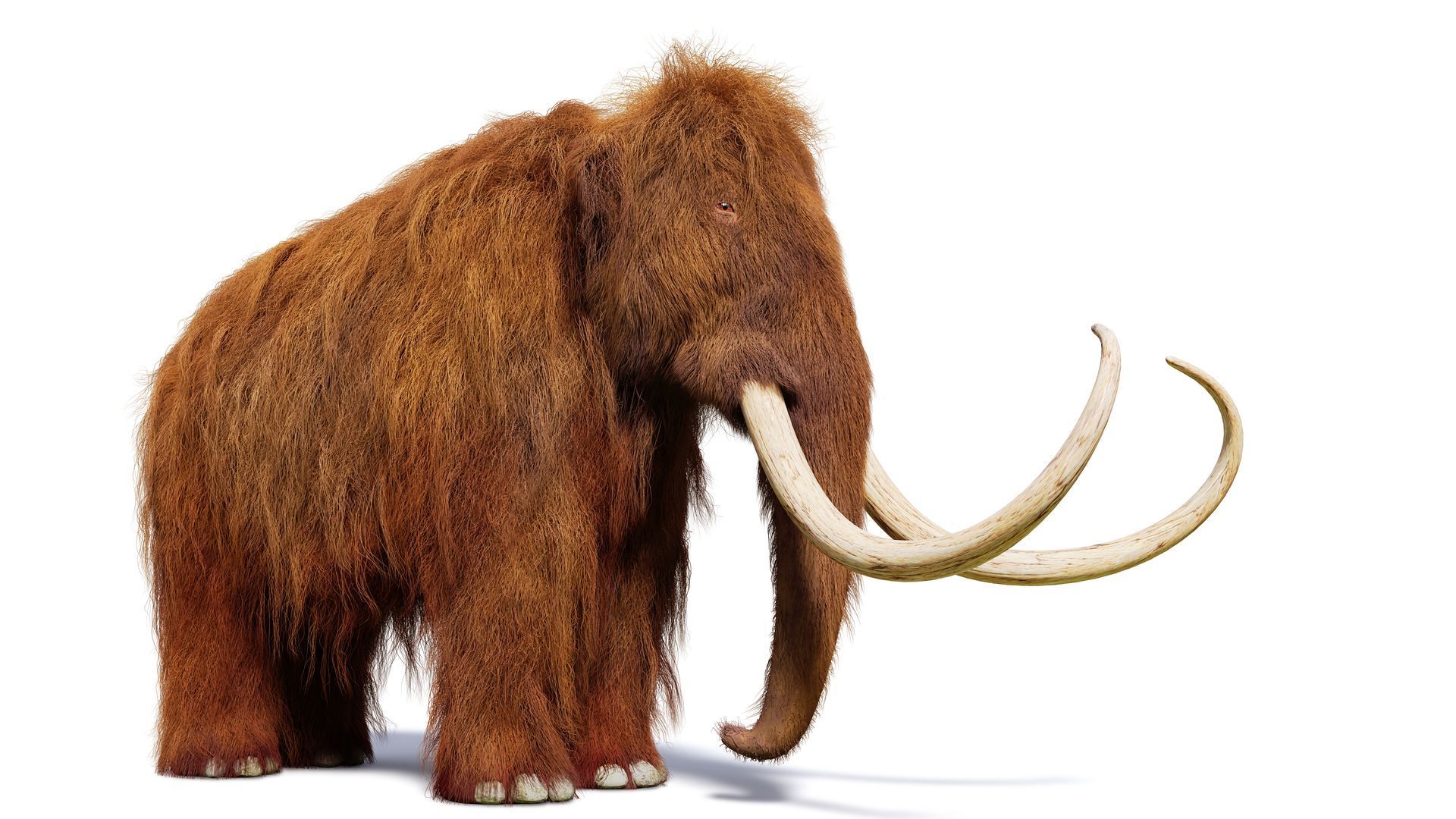
The Woolly Mammoth
20,000 years ago, it was cold. And not just in winter – you'd need to wrap up warm in summer too. Large parts of the world were covered in sheets of ice – brrrr!
It's no wonder, then, that the woolly mammoth had its big furry coat. In fact, it had two layers of fur to make sure it could always stay nice and warm.
The woolly mammoth is an ancestor of today's elephants – and it roamed the earth from around 300,000 years ago until about 10,000 years ago.
We don't know why woolly mammoths went extinct. It could be because the earth got warmer. It could be because our ancestors hunted them. Or it could be a bit of both.
When you're in the gift shop, see if you can spot the mammoth bone or the mammoth tusk!
Can you solve our mammoth jigsaw puzzle? Have a go!
The Sabre-Toothed Tiger
Woolly mammoths were big and cuddly and lived off grass. But the sabre-toothed tiger is a different story.
You could spot a sabre-toothed tiger a mile off. Just look at those teeth! And when you spotted one, you'd want to run – they were carnivores who lived off other, smaller animals.
Luckily for us, the sabre-toothed tiger went extinct during the Ice Age – around 12,000 years ago.
The Giant Sloth
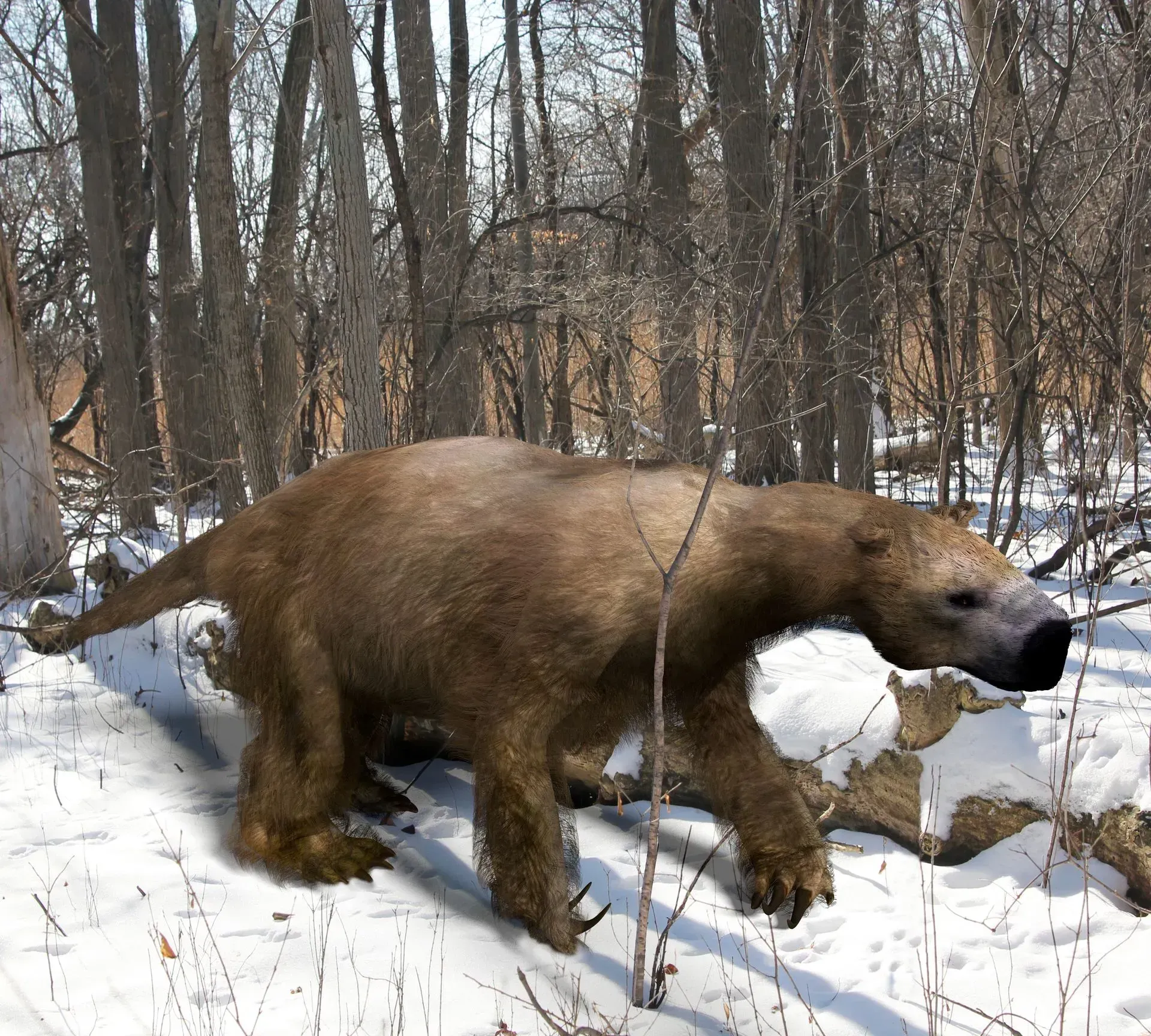
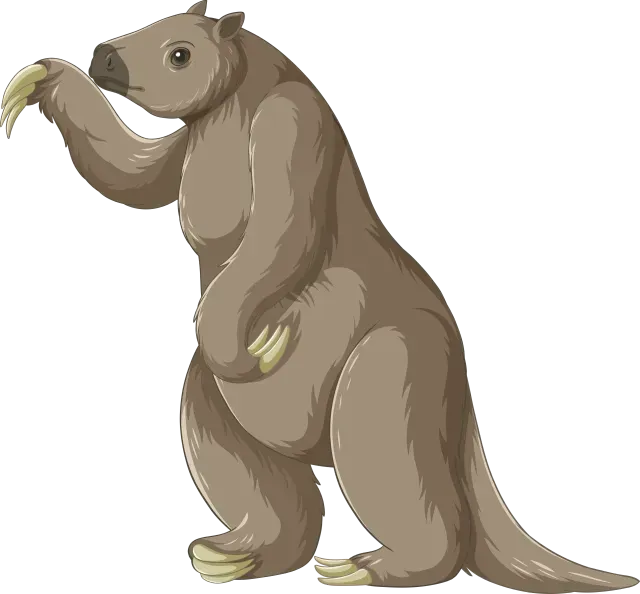
Millions of years ago, there was a creature so big and so slow, it would make a snail seem like a sprinter! Meet the giant sloth, a colossal creature that roamed the earth from around 35 million years ago until about 10,000 years ago.
These colossal critters were no ordinary sloths. They could grow up to 20 feet long and weighed as much as an elephant – wow! They had huge, sharp claws that they used to pull down branches so they could munch on their favorite leafy treats.
Giant sloths were just as slow as their modern-day relatives – but they didn't have to worry too much about predators. Their enormous size and thick hide made them pretty tough to catch, even for the hungriest of hunters.
Some people think that humans played a part in the extinction of the giant sloth – perhaps we hunted them, or maybe we just outcompeted them for food. Others think it was climate change that caused their downfall. Whatever the reason, these gentle giants are no more.
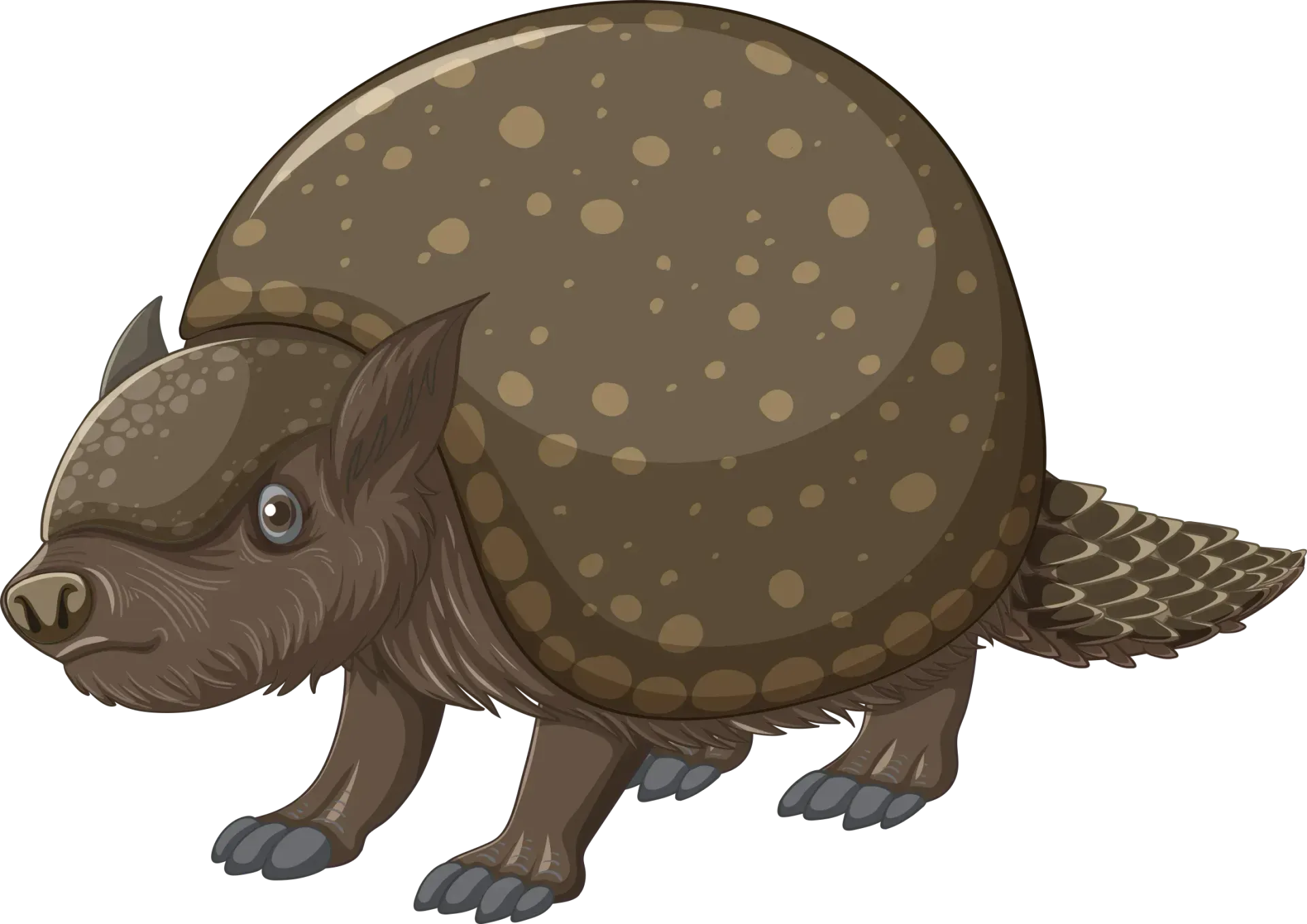
The Glyptodon
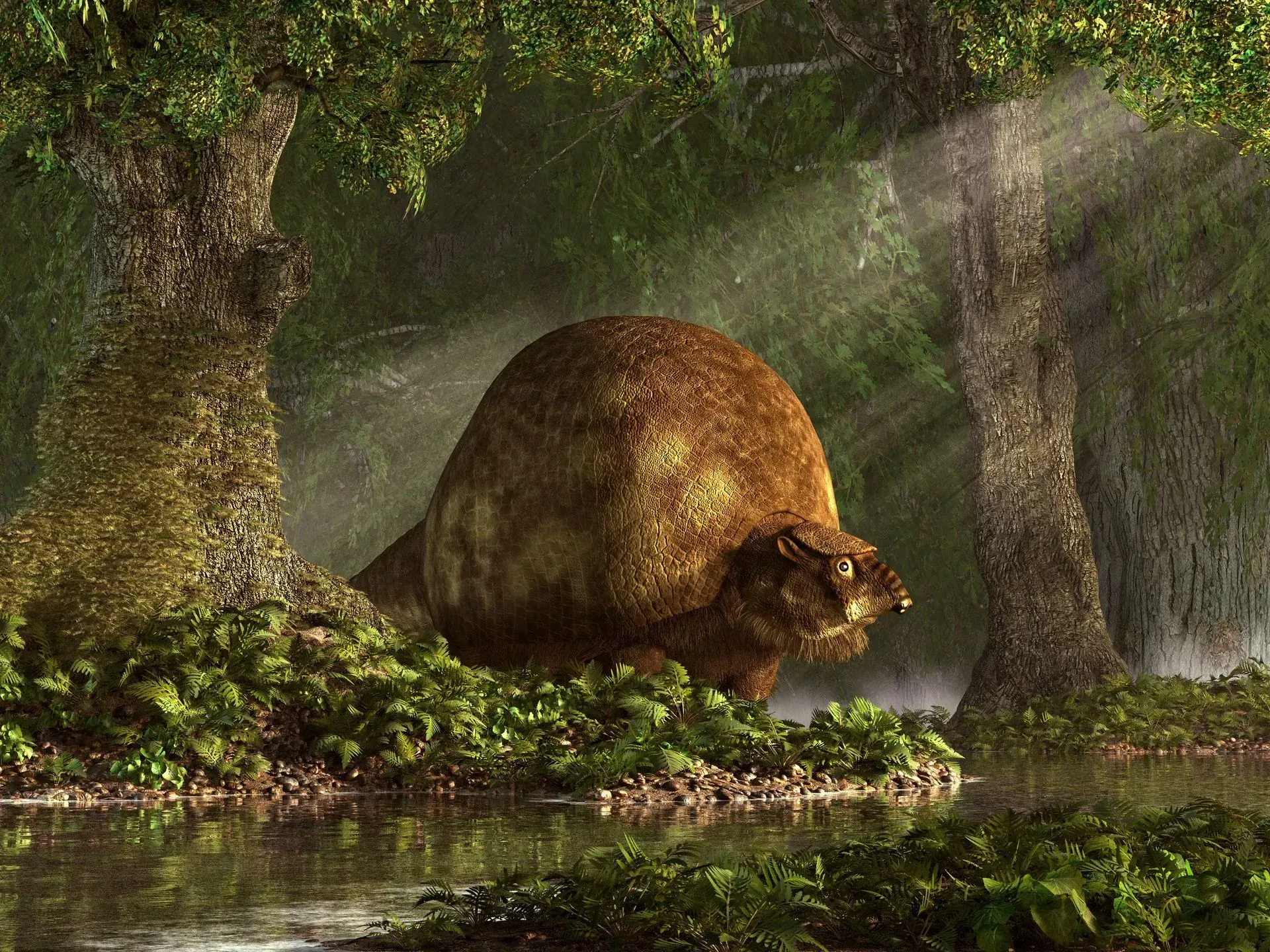
Imagine an armadillo the size of a car and you have the glyptodon. It lived in the swamps of South America, protected by its huge armoured shell and powerful tail.
We don't know exactly why they went extinct – but we do know that humans hunted them. Our ancestors even used the shell as a shelter when the weather was really bad!