How our ancient ancestors used caves

Simon Edward • September 8, 2023
BOOK TICKETS

We've all heard of Stone Age cave-dwellers. But to our ancestors, caves were more than just homes. Discover 7 surprising uses for caves and caverns.


We've all heard of Stone Age cave-dwellers. But to our ancestors, caves were more than just homes. Discover 7 surprising uses for caves and caverns.

From prehistory to the present day, caves have exerted a certain magnetism for us humans.


These deep, dark portals seem to promise a world of imagination and adventure. They can be slightly spooky, sure, but something draws us in. Try as we might, we can't resist the urge to explore.


It's little surprise, then, that our early ancestors used caves for all sorts of things. It seems that once we set foot in these curious caverns, we couldn't wait to make them our own.


So, if you thought cavemen and cavewomen simply
lived in caves, think again. Here are some common – and not-so-common– uses of caves throughout history.


1. Dwellings 


The stereotypes are true. Stone Age people really
did live in caves – though not in the way you might imagine.

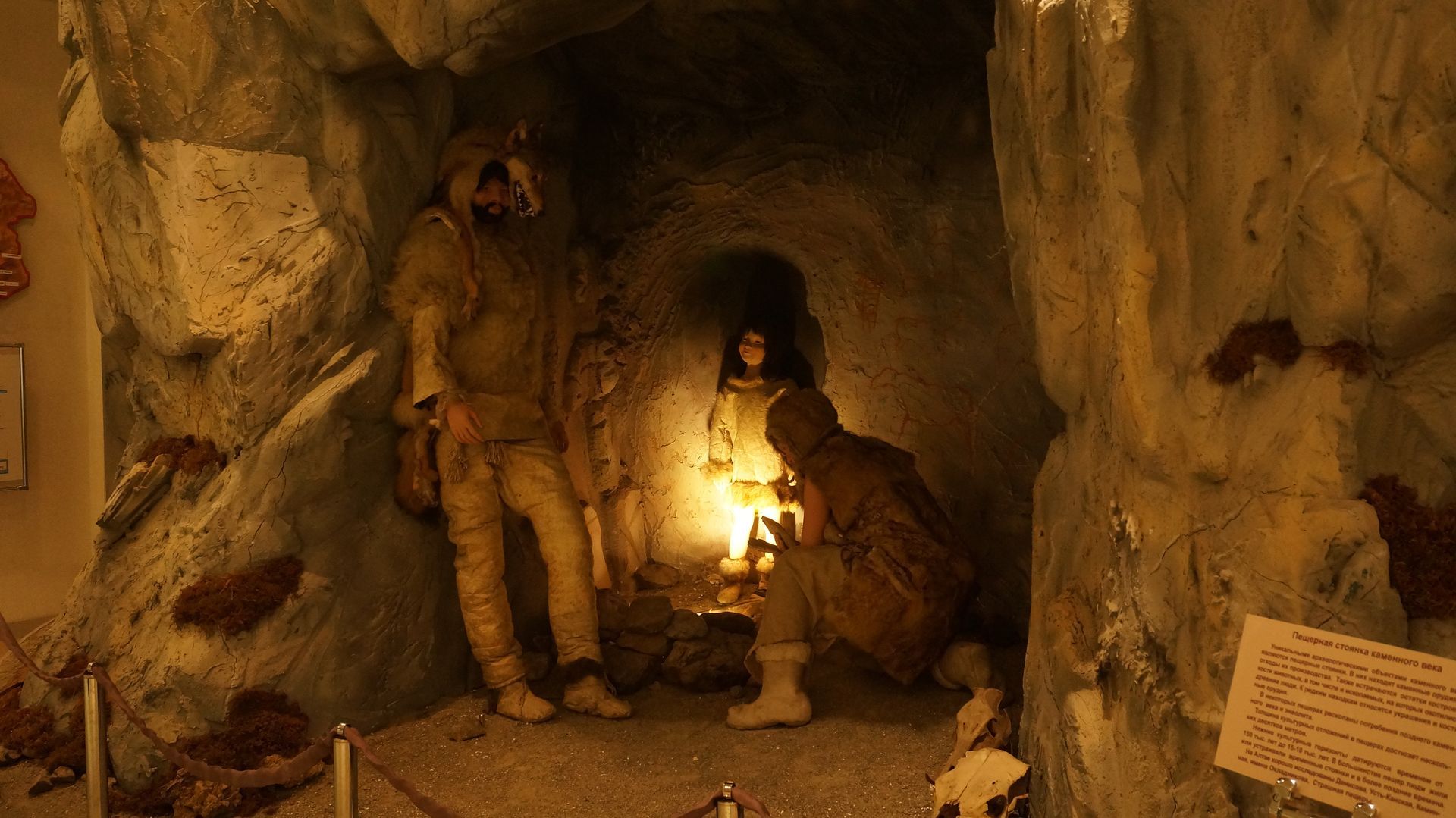
Picture of Stone Age cave dwellers.

Our ancient forebears didn't simply crawl to the darkest spot and call it home. Rather, they constructed shelters in the mouths of caves and lived there. 


The deepest, most mysterious parts of the caves were reserved for special ceremonies and weren't used for everyday activities.


It might also surprise you to learn that cave homes
never quite went out of fashion. In the UK, for instance, people inhabited rock houses in Kinver, West Midlands, until the 1960s.


There are also cave settlements in Cappadocia, Turkey, and Matera, Italy – both of which are still inhabited today.


2. Storage areas


In an age before fridges and freezers, our ancestors had to find a way to keep food and drink cool. The solution? Caves!


The ancient Egyptians and Romans often used caves to store wine and food. After all, caves typically stay at a cool, stable temperature all year round.


The tradition didn't stop with Caesar, though. Some people still use caves as natural wine cellars.


Caves also protected important, sensitive documents from harsh sunlight – and helped keep them safe from crooks and prying eyes.


Some of the best examples are the Dead Sea Scrolls. These were discovered in 1946 by a group of teenage Shepherds. When the scrolls were examined, they turned out to be copies of the Biblical Book of Isaiah that dated back 2,000 years.


3. Burial sites


Imagine you're exploring a cave. You twist and turn through narrow passageways, only to stumble across a mummified corpse. Eek!


Before you panic – no, you won't find any mummies at Stump Cross. But these grisly finds are more common than you might think.


In ancient times, caves were used as burial sites – sometimes for religious reasons, other times because it was simply the practical thing to do.


And it's a good thing too. Because caves have a stable microclimate, they often help to preserve ancient remains. This has given archaeologists valuable clues about the customs and beliefs of ancient civilisations.


4. Hiding places


Do you want to hide yourself or stash some valuable belongings? Take a leaf from our ancestors' books and keep an eye out for the nearest cave.


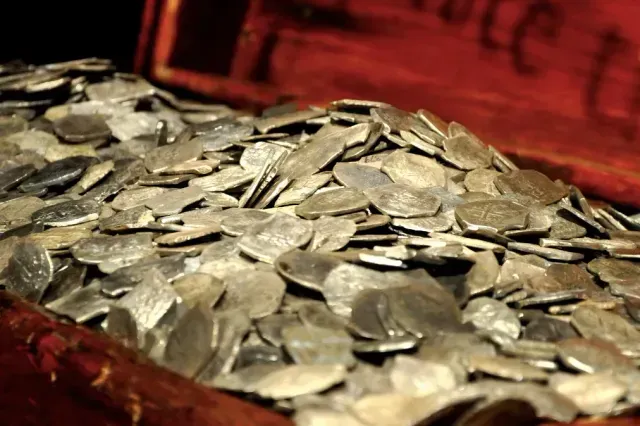
Throughout history, people have used caves as protection from enemies or the law – and as hiding places for valuable art, treasures and documents.
Picture of some Treasure

This use even merits a mention in the Bible.


In the Book of Samuel, King David snuck into a cave to escape from King Saul. It worked, too. Saul entered the cave to relieve himself and failed to spot David hiding in the shadows. 


5. Defensive fortifications


When you think about a fortification, you probably think of a castle or tower. But caves were often used as defensive strongholds too.


It makes sense. Like castles, caves offer protection from the elements and are often situated among difficult terrain that's hard for enemy forces to navigate.


Plus, hiding in a tower is like wearing a big sign that says, "Find me". Caves, on the other hand, are hidden from view – so they're perfect for plotting your next move in private.


From time to time, military forces still camp out in caves. During the Vietnam War, for instance, a resistance group used man-made caverns for storage and shelter.


Today, the caves are open as a tourist attraction. They're called the Cu Chi tunnels – look them up if you're ever in Ho Chi Minh City.


6. Religious sites


In some cultures, caves were considered gateways to the spirit realm. Here, the boundaries between the earthly and supernatural were as thin as onion skin. Spooky!


Monks would also visit caves for spiritual retreats. They offered complete peace and solitude, after all, so were ideal for quiet meditation.


You can visit religious caves today. Some serve as pilgrimage sites, while certain religions still use caves in their worship.


7. Art museums


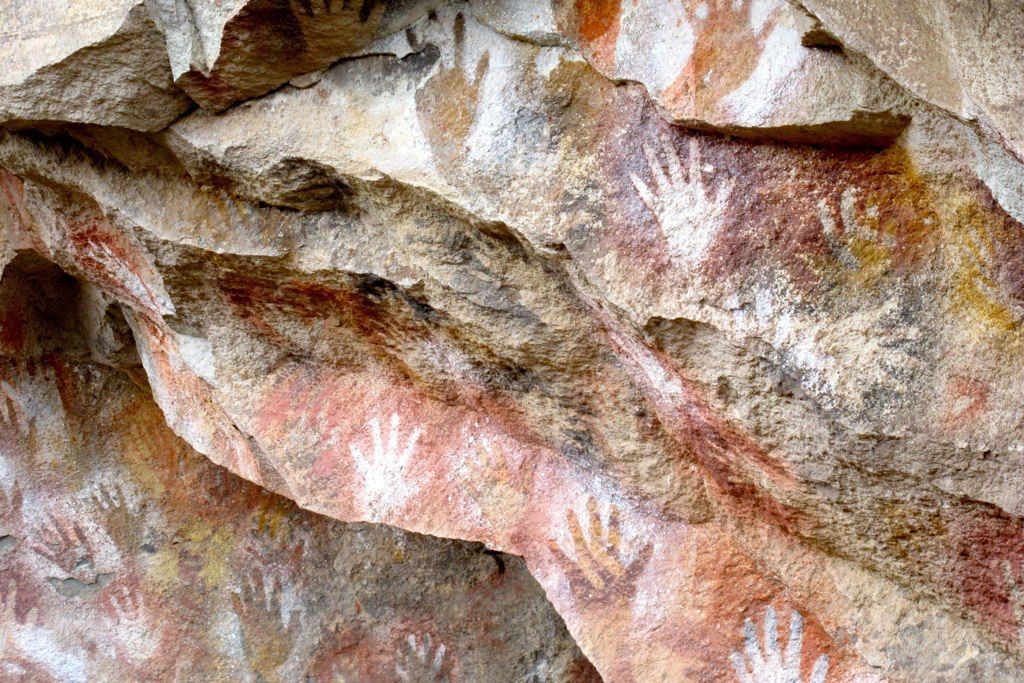
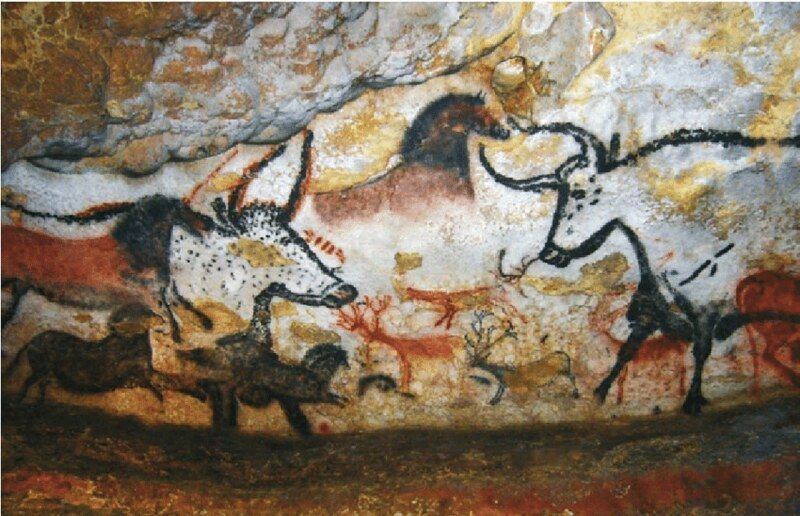
Ancient humans didn't need The Louvre or the National Gallery to appreciate art. Instead, they'd daub pictures on cave walls using charcoal, mineral pigments and plant-based dyes.


Picture of ancient cave art

No paintbrushes? No problem. They'd just use their fingers – or construct makeshift brushes using human hair.


Did you know? The earliest examples of cave art date back to the Upper Palaeolithic Period, which was approximately 40,000 to 10,000 years ago. Wow.


Get a taste of cave life today


Caves are just as fascinating today as they were to our Stone Age ancestors thousands of years ago.


Fancy exploring one for yourself? We've got you covered.


Stump Cross Caverns is an ancient cave system buried deep beneath the Yorkshire Dales. It was never used by early humans – as far as we know – but it's all the better for it.


Stump Cross is perfectly preserved. It's a portal into a long-forgotten age before humans or dinosaurs roamed the earth.


Pay us a visit and you'll be free to explore this prehistoric world, gaze at the incredible rock formations and learn about the primordial history of the Yorkshire Dales.


You might even meet our own Stump Cross
cavewoman!


Ready for an
unusual day out in Yorkshire? It's quick and easy to book your tickets online.


From ancient explorers to modern adventurers… Discover how caving evolved from survival and science
By Simon Edward March 16, 2026
From ancient explorers to modern adventurers… Discover how caving evolved from survival and science into a carefully managed outdoor sport.
Cave photography isn't easy, but it's very rewarding. Learn why capturing underground worlds
By Simon Edward March 8, 2026
Cave photography isn't easy, but it's very rewarding. Learn why capturing underground worlds requires patience, planning and creativity.
Discover the best spring events across Yorkshire in 2026, from festivals and family days out
By Simon Edward March 2, 2026
Discover the best spring events across Yorkshire in 2026, from festivals and family days out to hidden gems at Stump Cross Caverns.
Looking for a short but sweet walk in the Yorkshire Dales? Lace up your boots and get ready
By Simon Edward March 2, 2026
Looking for a short but sweet walk in the Yorkshire Dales? Lace up your boots and get ready as we share 8 of our personal favourites.
Here at Stump Cross Caverns, we're proud that our caves have contributed
By Simon Edward February 28, 2026
Here at Stump Cross Caverns, we're proud that our caves have contributed to the sum of scientific knowledge. Here are 4 fascinating examples.
There are around 3,000 deserted villages in the UK. Explore 5 incredible examples in Yorkshire
By Simon Edward February 27, 2026
There are around 3,000 deserted villages in the UK. Explore 5 incredible examples in Yorkshire and nearby.
What skills and tools would you need to survive as a Stone Age person? Take a trip
By Simon Edward February 23, 2026
What skills and tools would you need to survive as a Stone Age person? Take a trip in our time machine and find out…
Diggers working to excavate C Chamber at Stump Cross Caverns have discovered the fossilised jawbone
By Simon Edward February 20, 2026
Diggers working to excavate C Chamber at Stump Cross Caverns have discovered the fossilised jawbone of a wolverine. Let's take a closer look.
Caves contain all sorts of secrets – but not all of them are pleasant. Explore this car graveyard
By Simon Edward February 16, 2026
Caves contain all sorts of secrets – but not all of them are pleasant. Explore this car graveyard in North Wales, and the lessons we can learn from it.
Did you know that some caves have their own ecosystems? Explore 5 incredible-but-true examples
By Simon Edward February 13, 2026
Did you know that some caves have their own ecosystems? Explore 5 incredible-but-true examples in our guide.
More Posts