Discover Stone Age dietary and dental habits, early methods of cleaning teeth, and what cavemen used instead of toothpaste.
Toothbrushes, toothpaste, dental floss and minty-fresh mouthwash – these are all very modern inventions.
But long before bathroom sinks, electric toothbrushes and whitening formula, early humans still had to look after their teeth somehow. After all, toothache didn't suddenly appear in the 21st century, and there were no dentures available if teeth fell out!
So, how did people living thousands of years ago keep their teeth clean?
The answer is a mix of simplicity, resourcefulness and a lifestyle that – in many ways – did more of the work for them.
A very different diet
One of the biggest differences between Stone Age habits and how we live today comes down to what people were eating.
During the Stone Age, diets were made up of natural, unprocessed foods – things like meat, fish, nuts, seeds, fruits and wild plants. There was no refined sugar, no fizzy drinks and none of the highly processed foods that are so common today, like chips, crisps and sweets.
That alone made a significant difference. Foods high in sugar are one of the main causes of tooth decay, so without those, early humans were far less likely to develop cavities.
Of course, that's not to say their teeth were perfect. Far from it – grit from grinding grains with stones would certainly have worn teeth down over time. And injuries or infections still happened. Overall, however, their dietary habits helped more than they harmed.
Cleaning teeth without a toothbrush
While early humans didn't have toothbrushes as we know them, there is evidence showing that they still cleaned their teeth in simple ways.
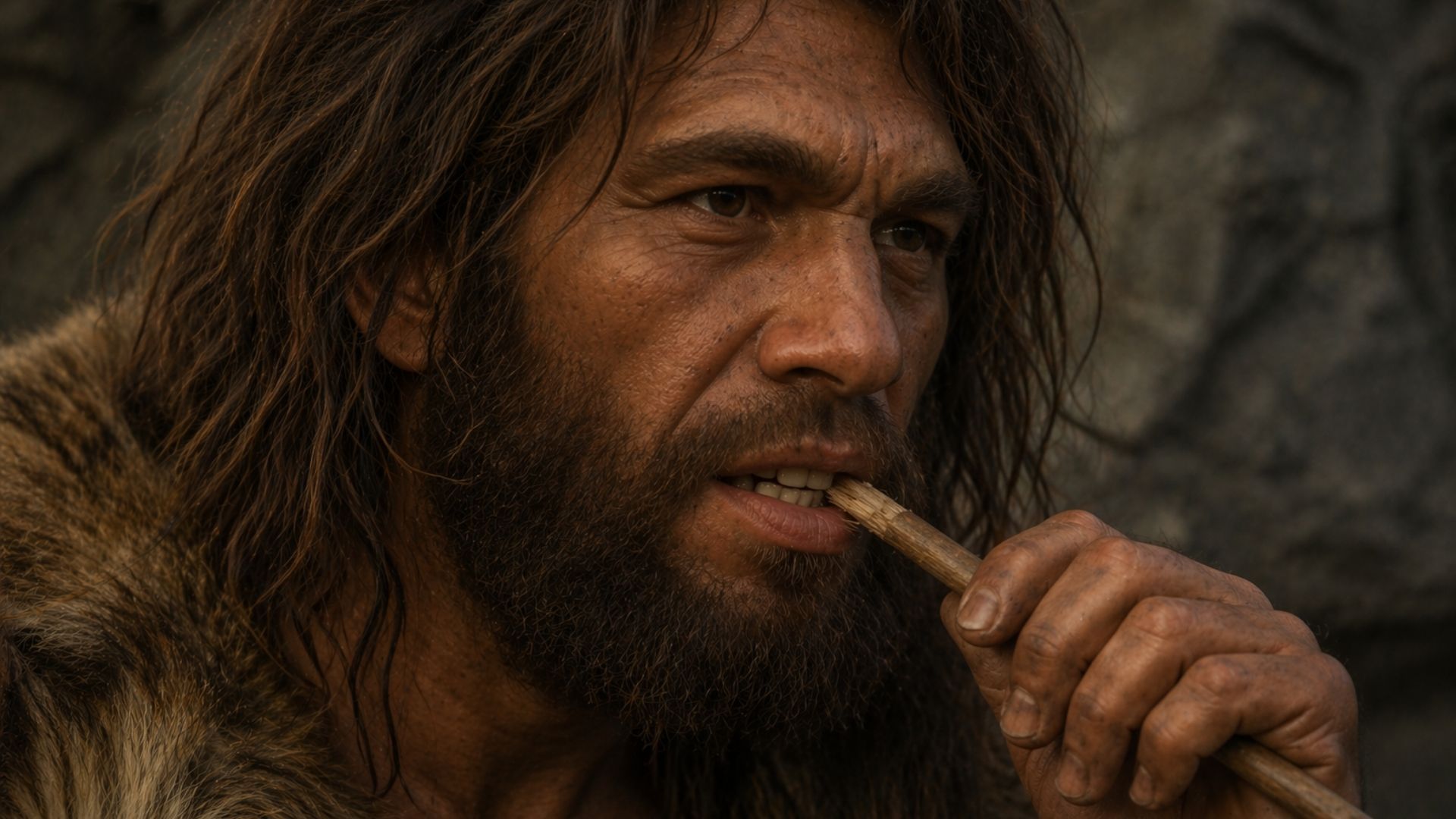
Chewing on sticks or fibrous plants is one of the most widely accepted ideas. The ends of small twigs could be frayed to create a brush-like texture, which could then be rubbed against the teeth and gums. It's a method that has been used in different cultures around the world for thousands of years.
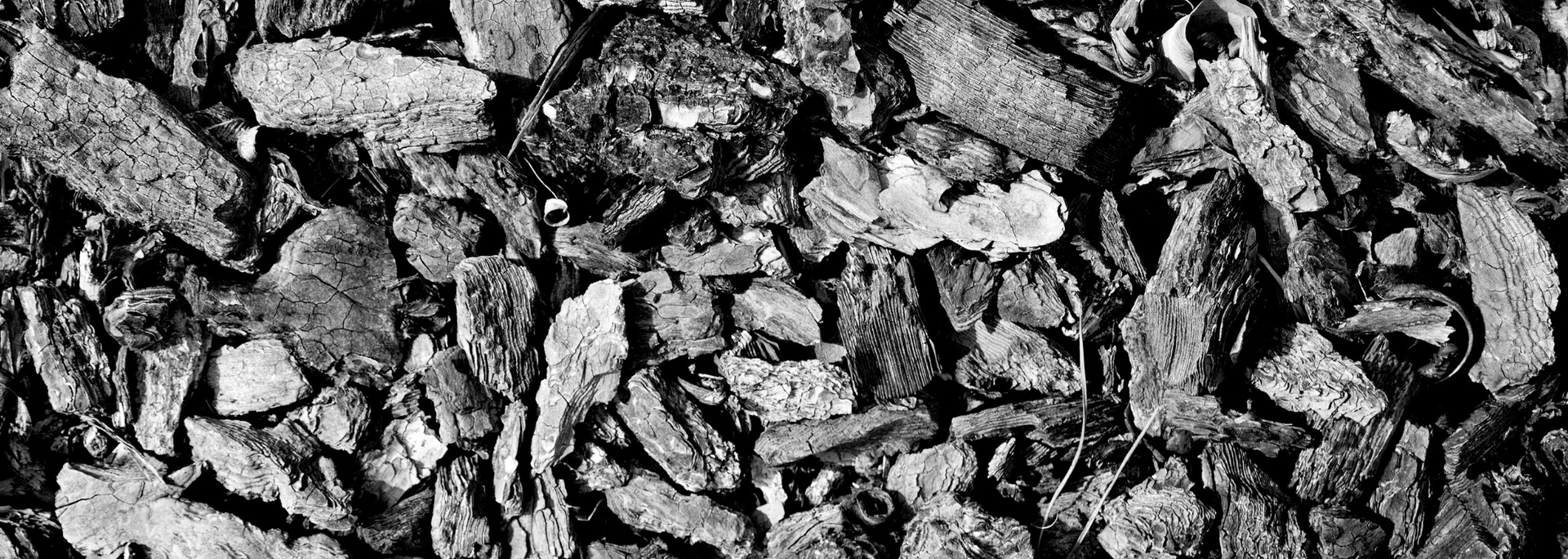
In some cases, abrasive materials like ash or crushed bone may also have been used to help remove debris. These wouldn't have been used in the same way as modern toothpaste, but they could have helped to scrub the surface of the teeth.
Simply put, Stone Age people certainly didn't have the dental hygiene routine that we're used to (twice daily, for two minutes!) However, they still made use of what was available when they could.
Nature did some of the work
Interestingly, the act of eating itself likely played a role in keeping teeth cleaner.
Tough, fibrous foods require more chewing, which naturally helps remove plaque from the surface of the teeth. Think of it as a kind of built-in cleaning process – not perfect, but effective enough in the absence of modern tools.
There's also evidence that some plants used may have had mild antibacterial properties. This perhaps offered an added layer of protection without people necessarily realising how it worked.
What can ancient teeth tell us?
Archaeologists have learned a surprising amount about early humans simply by studying their teeth.
Teeth are like tiny time capsules that reveal what people ate, how old they were and even aspects of their daily lives.
Patterns of wear can show whether someone regularly ate tough or gritty foods. Tiny scratches on the surface can hint at the kinds of materials they were chewing. And traces trapped in dental plaque have even helped researchers identify specific plants that formed part of a person's diet thousands of years ago.
Signs of decay or damage can also tell a story. A sudden increase in cavities, for example, can point to changes in diet over time. This is particularly telling during the shift towards farming and more carbohydrate-rich foods in later prehistoric periods.
Teeth can even offer clues about health and hardship. Lines or defects in the enamel sometimes show periods where the body was under stress, such as illness or lack of food. In that way, they don't just reflect what people ate, but also how they lived.
One of the reasons we know so much about prehistoric life is that teeth are incredibly durable. Long after other evidence has disappeared, they remain – small but detailed records of lives that would otherwise be lost to time.
Not quite the same as today
Of course, it's worth remembering that Stone Age dental care was far from perfect.
Without modern dentistry, even relatively small problems could become serious. There were no fillings, no pain relief as we know it and no quick trips to the dentist.
So, while their lifestyle may have reduced certain issues, it also meant that when problems did arise, they were much harder, if not impossible, to treat.
Questions like how people cleaned their teeth might seem small, but they offer a window into everyday life in the Stone Age.
They remind us that early humans weren't so different from us. They adapted, experimented and made use of the materials around them in practical ways. Even something as routine as cleaning your teeth becomes a story of human ingenuity.
Discover more at Stump Cross Caverns
Are you curious about what life might have been like for early humans? You can experience an ancient underground landscape for yourself right here at Stump Cross Caverns.
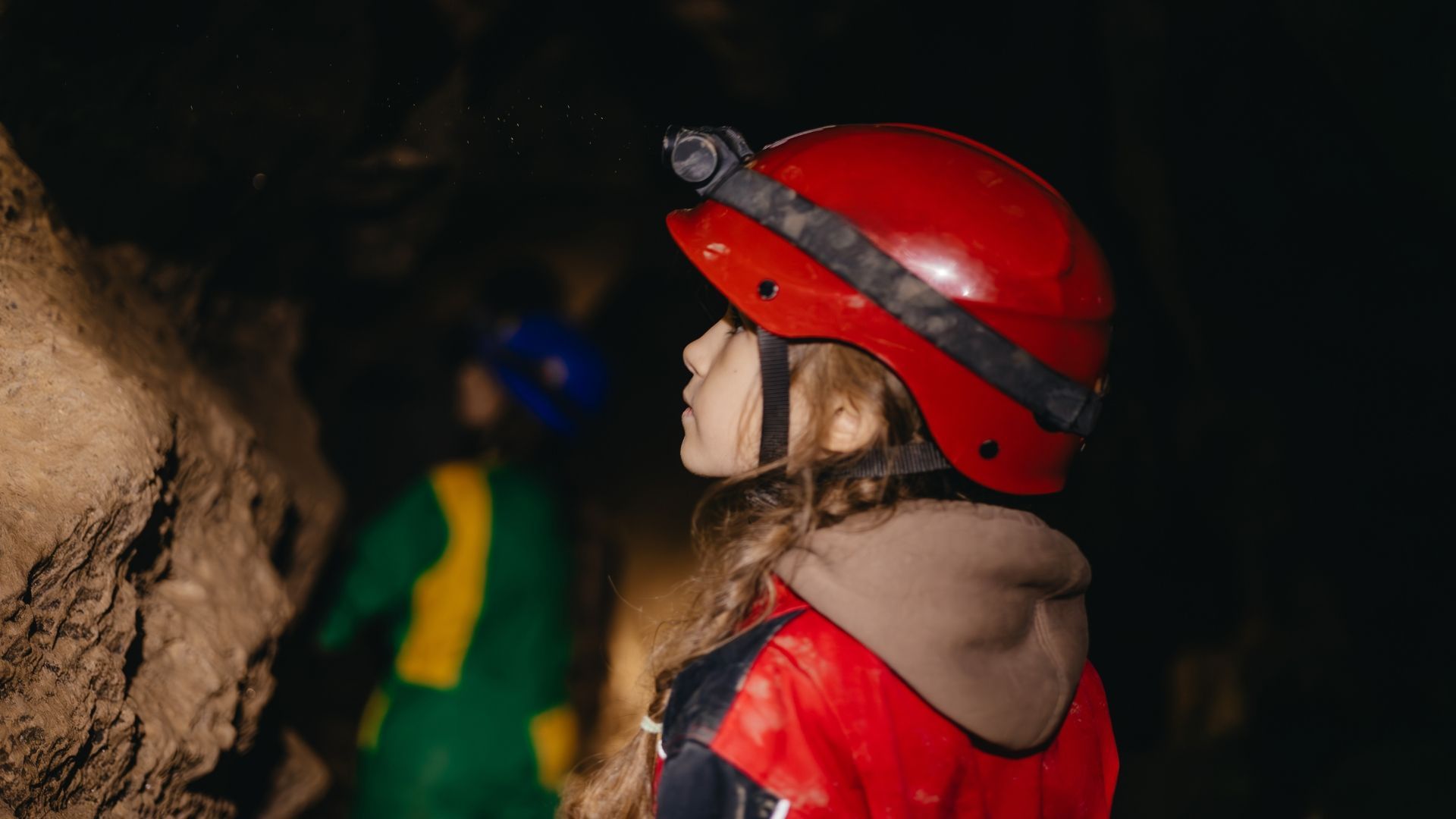
Here, you'll step into a glittering underground world that echoes the kinds of spaces our distant cave-dwelling ancestors might have known. Moving through the caverns, it's easy to imagine how people once explored, sheltered and made sense of the world around them.
You may even come across our resident Cavewoman, the guardian of Stump Cross Caverns! Through storytelling and interaction, she brings the past to life for younger visitors in a way that feels engaging and immersive.
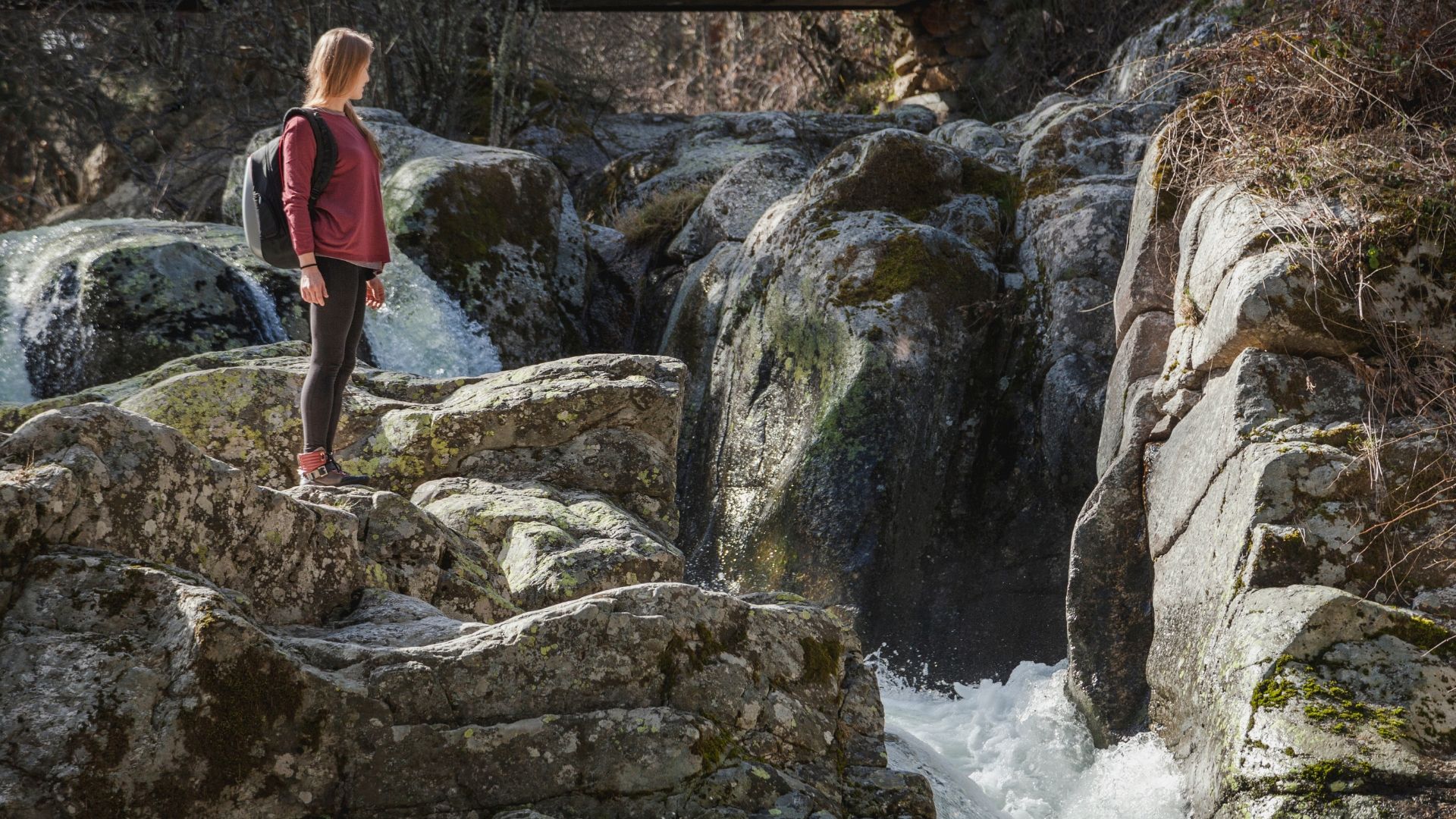
After your time underground, you could continue your day out in the open with a Yorkshire Dales walk. Or why not take a moment to unwind in our Time Cafe with a hot drink and something to eat? It's the perfect cosy contrast to the world you've just stepped out of.
Want to learn more about Stone Age life? Explore our Key Stage 2 portal to learn all about Stone Age animals and play fun learning games.