Explore engaging Stone Age project ideas for your Year 3s, with creative activities, teaching tips and inspiring field trip opportunities.
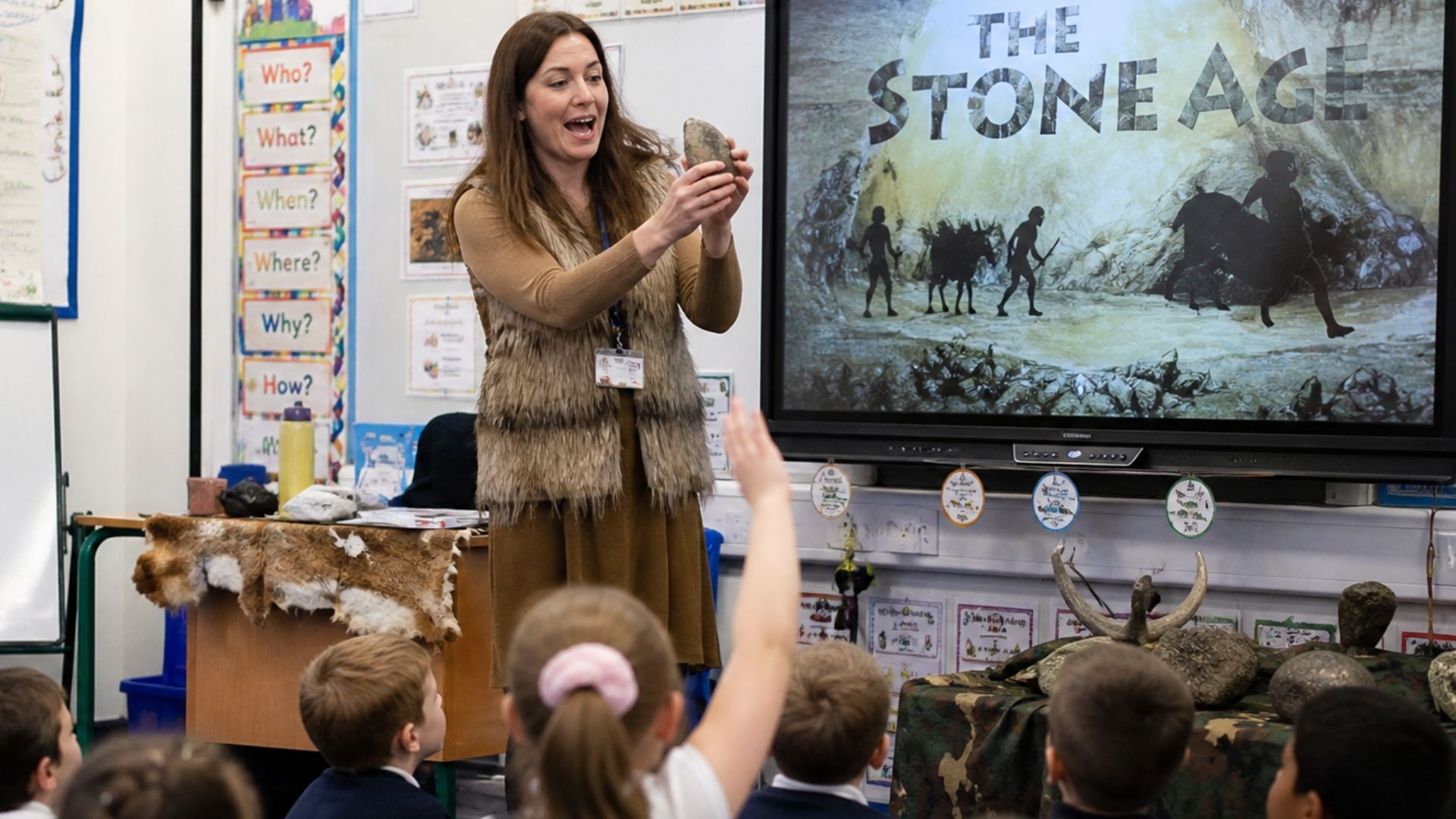
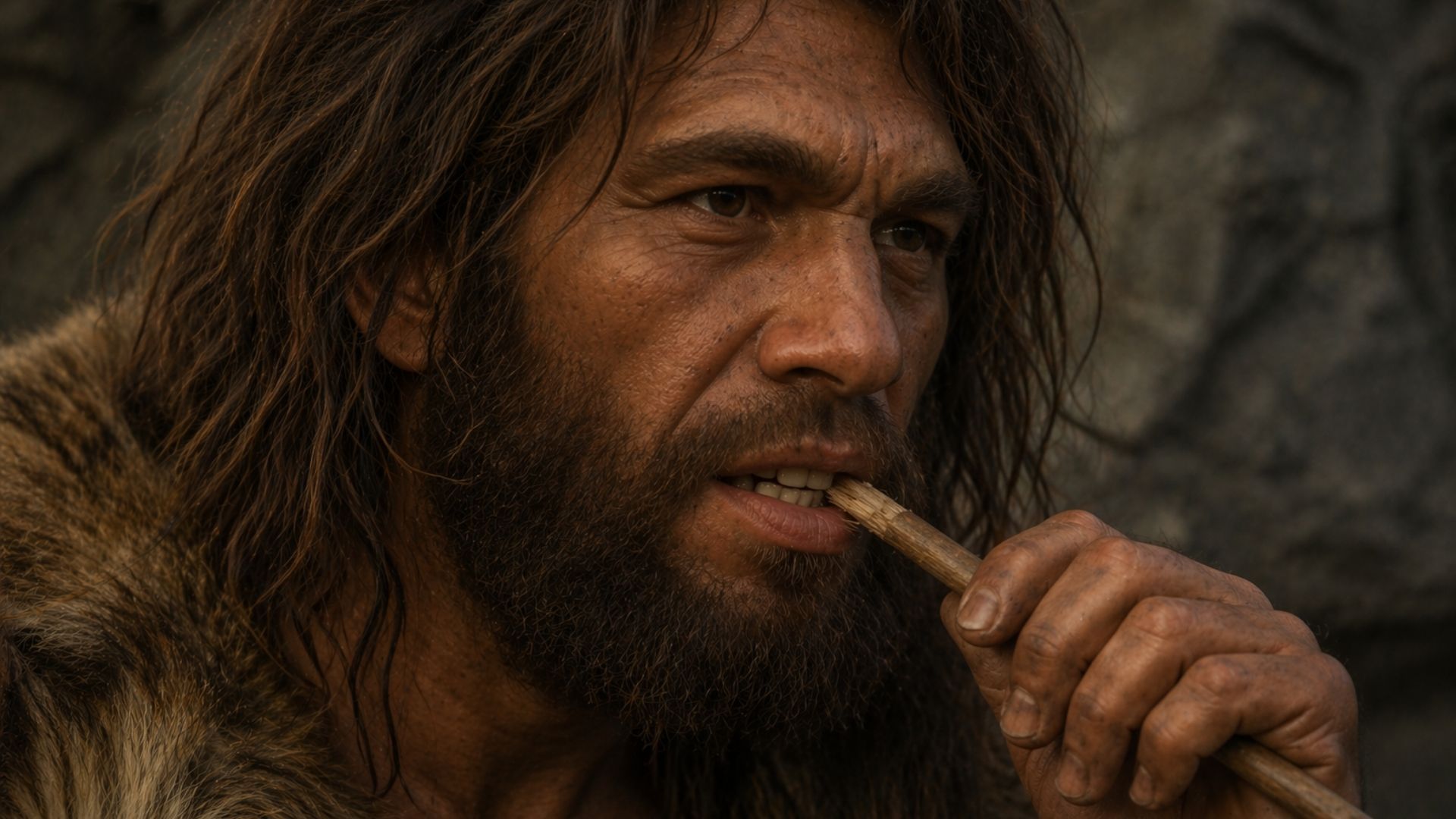
The Stone Age can be one of the most memorable topics in Key Stage 2.
For Year 3 in particular, it opens up a world that feels both distant and strangely familiar. This was a time not only of survival, but also of early human creativity and innovation.
The topic naturally invites curiosity, whether that's through storytelling, hands-on making or stepping into the shoes of people who lived thousands of years ago.
With the right approach, a Stone Age project can become immersive and cross-curricular, bringing history to life in a way that makes learning truly fun. That's the kind of education that sticks.
Bringing the Stone Age to life in the classroom
At its core, the Stone Age topic is about how early people lived, adapted and made sense of the world around them.
Rather than focusing only on timelines and facts, it can help to centre lessons around everyday life. What did people eat? How did they stay warm? What did they use to make tools, and why?
Framing the topic through these kinds of immersive questions encourages children to think more deeply and often leads to more thoughtful discussions. It also creates natural links to subjects like science, art, and geography, helping the project feel connected rather than contained.
Creative project ideas to explore
Some of the most effective Stone Age activities are those that invite children to make, imagine and experiment.
Building simple shelters, for example, can turn a history lesson into a problem-solving exercise. Using materials like sticks, leaves and fabric, children can explore what makes a structure stable, while also thinking about how early humans responded to their environment. All the better if you have the opportunity to take learning outdoors in the warmer months.
Art offers another way in. Cave painting activities, using natural colours and textured surfaces, allow children to explore early forms of expression while producing something tactile and personal. It's often less about accuracy and more about understanding why art mattered in the first place.

Storytelling can be powerful, too. A creative writing session, perhaps encouraging pupils to write from the perspective of a Stone Age child, helps build more than just literacy skills. Describing a day spent hunting, gathering, discovering fire or trying to keep safe from the elements also helps build empathy.
Even simpler, tactile activities, such as handling tools, can spark curiosity. Discussing how early tools were shaped and used opens the door to conversations about materials, design and early innovation.
Linking to the Key Stage 2 curriculum
The Stone Age topic sits within the broader aim of helping pupils understand changes in Britain from the Stone Age to the Iron Age.
In Year 3, this often means introducing the idea of long periods of time and how human life evolved across them. Concepts like hunter-gatherer lifestyles, the move towards farming and the development of tools and settlements all play important roles.
There are clear opportunities here to link with other areas of the curriculum. In science, children can explore materials and their properties. In geography, they can think about landscapes and how people interact with them. In art and design, they can experiment with different techniques and textures inspired by early cave paintings.
Approaching the topic in a connected way can help children build fuller and more meaningful understanding.
Learning beyond the classroom
While classroom activities can bring the Stone Age to life, you can't do better than stepping into a real-world setting for a truly immersive learning experience.
Seeing natural cave formations, handling physical materials and experiencing a space that feels different from everyday surroundings can make the topic feel more tangible. It shifts learning from something imagined to something experienced.
For many pupils, these moments are the ones that stay with them.
A hands-on experience at Stump Cross Caverns
School trips can play a valuable role in deepening understanding, especially for topics like the Stone Age.
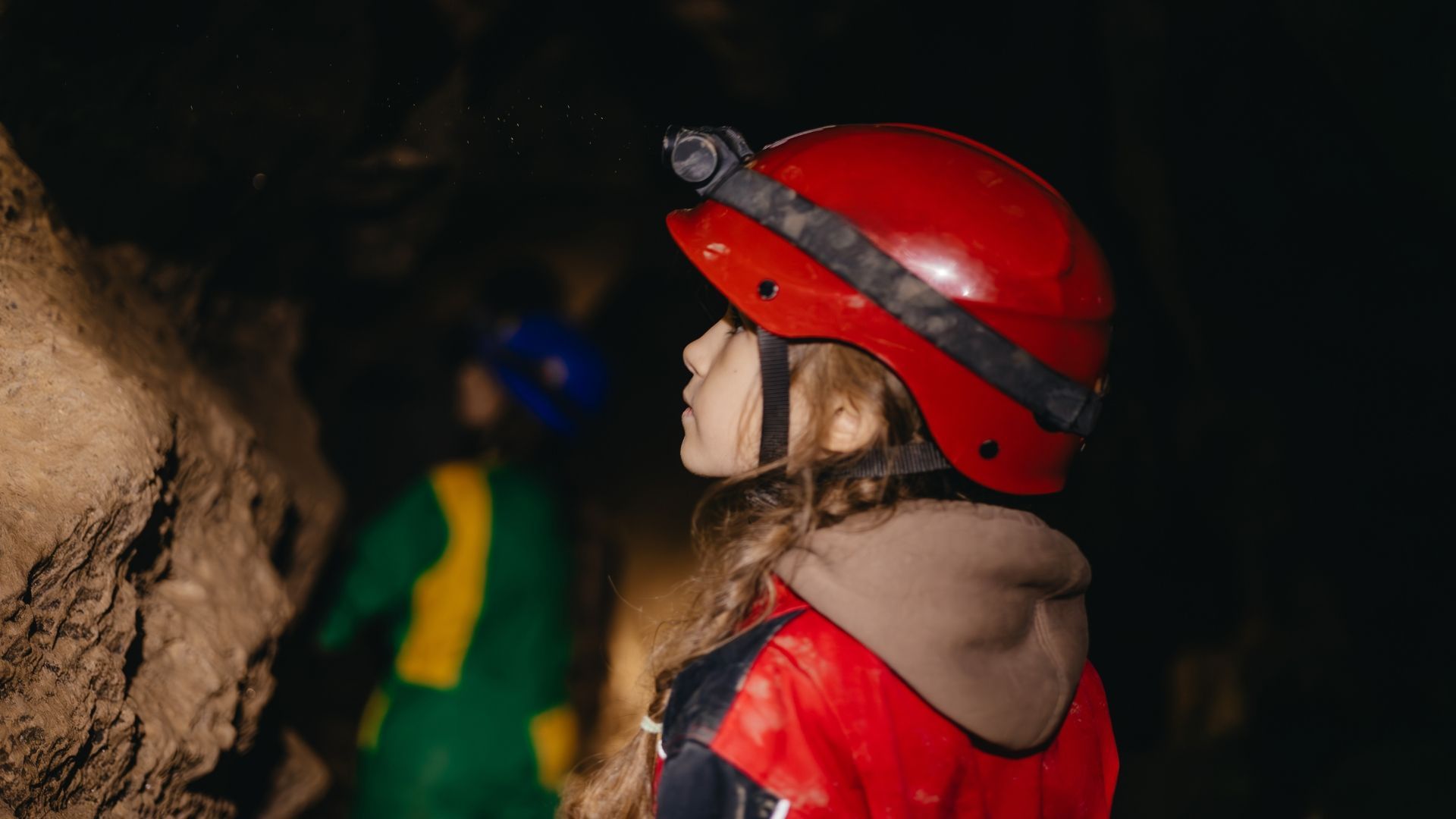
At Stump Cross Caverns, pupils have the opportunity to explore a natural underground environment that echoes the kinds of spaces early humans would have encountered. Moving through the caverns, observing rock formations and experiencing the stillness of the space can help bring discussions about prehistoric life into sharper focus.
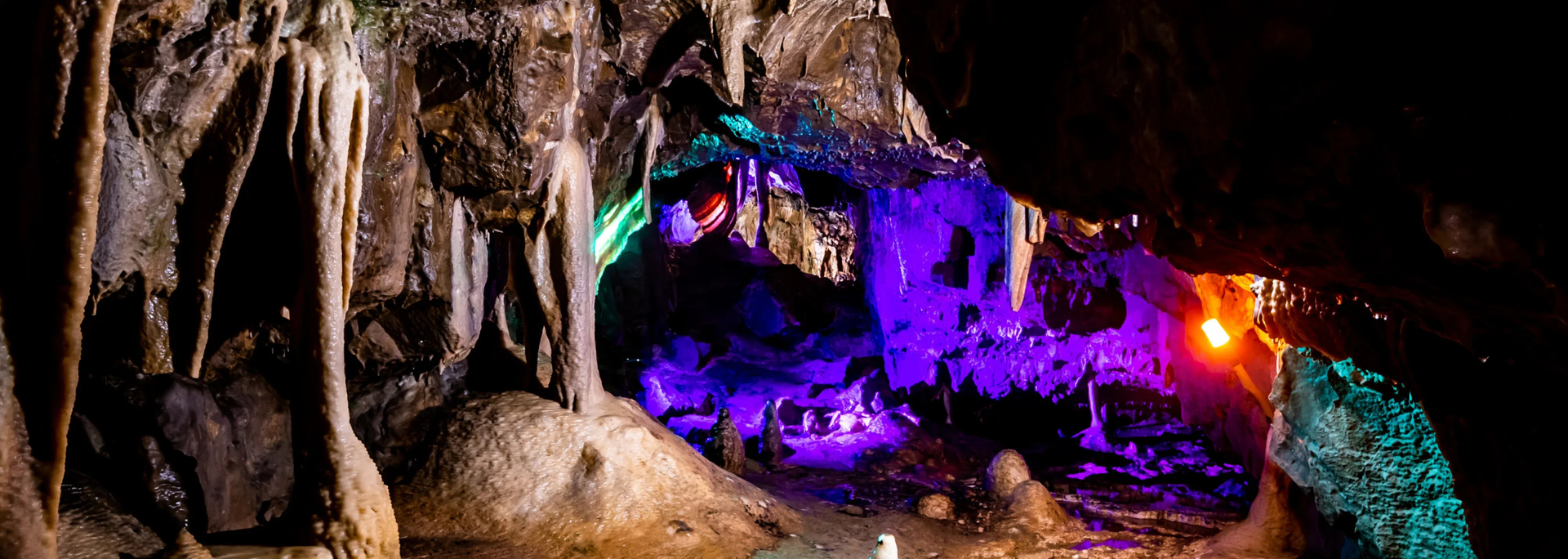
A field trip to Stump Cross Caverns begins with a fun and informative film in 4K, introducing pupils to the history of the caves alongside some key geological information. Guided by one of our experienced educators, they will then be taken on a tour of the caverns. As they explore this hidden world, they'll learn about how the caves formed over millions of years.
Then, pupils can take part in one of our Stone Age workshops, engaging in hands-on learning opportunities as they discover prehistoric rope-making techniques and more.
Visits can be tailored around your group, with spaces to link back to classroom learning and quizzes to encourage questions and learning along the way.
Making the most of your visit
A little preparation can go a long way in helping pupils get more from their experience and turn a field trip into something that lasts far beyond the day itself.
Introducing key ideas beforehand, such as how caves form or why early humans used them, can give children a helpful sense of context before they arrive. It means that when they step into the caverns, they're not just seeing something new, but beginning to understand it.
Afterwards, taking time to reflect on learning can be just as valuable. This might be through writing or drawing activities, or a simple group discussion.
While the Stone Age may feel distant, the themes it introduces are surprisingly familiar. Adaptation, creativity, problem-solving and community are all part of a story that resonates with young minds and growing imaginations. When pupils begin to recognise those connections, the topic becomes more than a history lesson, but something they can relate to. That's often what makes the experience stay with them.
Are you looking for ways to make the Stone Age engaging for Key Stage 2 pupils? At Stump Cross Caverns, we offer immersive, educational school trips, as well as direct school visits that see us bring our popular workshops to your classroom. Don't hesitate to get in touch with our educational team to discuss your needs.