Secrets of Stump Cross: the stinky story of Fence Hole

Simon Edward • February 23, 2024
BOOK TICKETS

At Stump Cross, you can explore many chambers and passageways – but there's more than meets the eye. Hold your nose as we learn about Fence Hole.


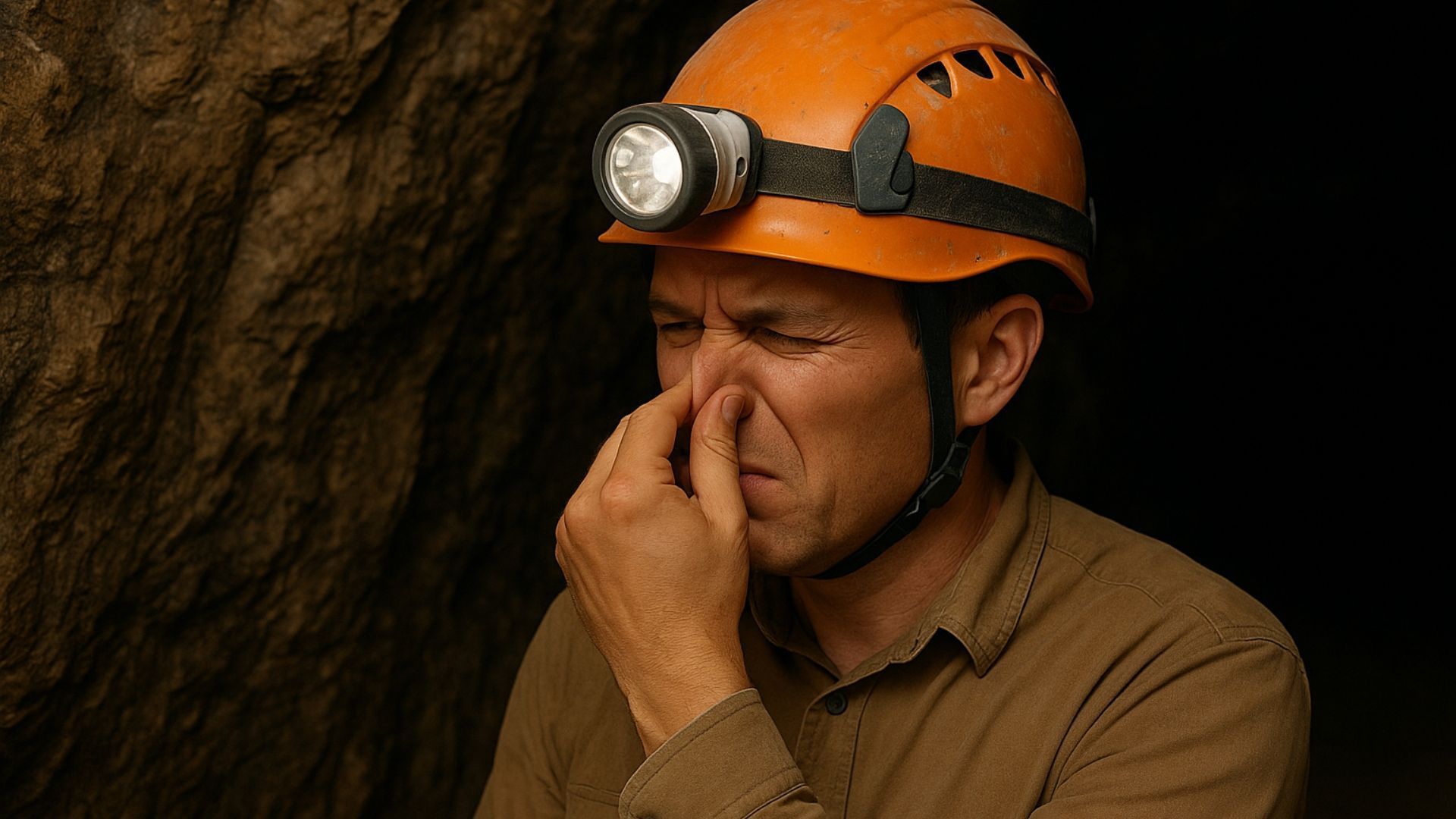
A cave with a light coming out of the end of it.

Stump Cross Caverns was discovered in 1860. Back then, Queen Victoria was on the throne and North Yorkshire was a thriving lead mining community.


A lot has changed since then, but one thing has persevered: the efforts of caving enthusiasts to explore more of the Stump Cross system.


You see,
Stump's discovery by the Newbould brothers is just the beginning of the story. Since then, plenty of expeditions have taken place. Some have unearthed new treasures such as Reindeer Cavern. Others were dead ends. Still others are ongoing.


The expedition we're looking at in this article can hardly be said to be glamorous. It begins at what was for many years the site of the gents' toilet at the caverns' visitor's centre.


But despite its septic origins, the story of Fence Hole is well worth telling. Aside from anything else, it's a testament to how passionate our local caving community is – and it gives us some idea of what could be left to discover.


This is the story of Fence Hole.


Beginnings and endings


Fence Hole marks the place where a story ended – and where a new one began.


Today, all that remains of the once-beating industrial heart of North Yorkshire is a clutter of old mine shafts and rusting machinery. But the Stump Cross story can't be told without it. After all,
it was only because of lead mining that the cavern network was discovered at all.


It was a hard life that centred on the search for lead veins. Lead meant money, which meant basic subsistence in a harsh, isolated environment.


One vein ran below Stump Cross Caverns. Miners had successfully followed it in a westerly direction from Craven Cross to Stump Cross – but despite repeated efforts, they couldn't get past Fence Hole.


The vein was left untouched until the local Craven Pothole Club decided to have another go.


Fence Hole had been on the club's wish list for years, but it was faced with an obstacle – an old, smelly obstacle. Fence Hole was now a hole in the ground connected to one of the site's toilets.


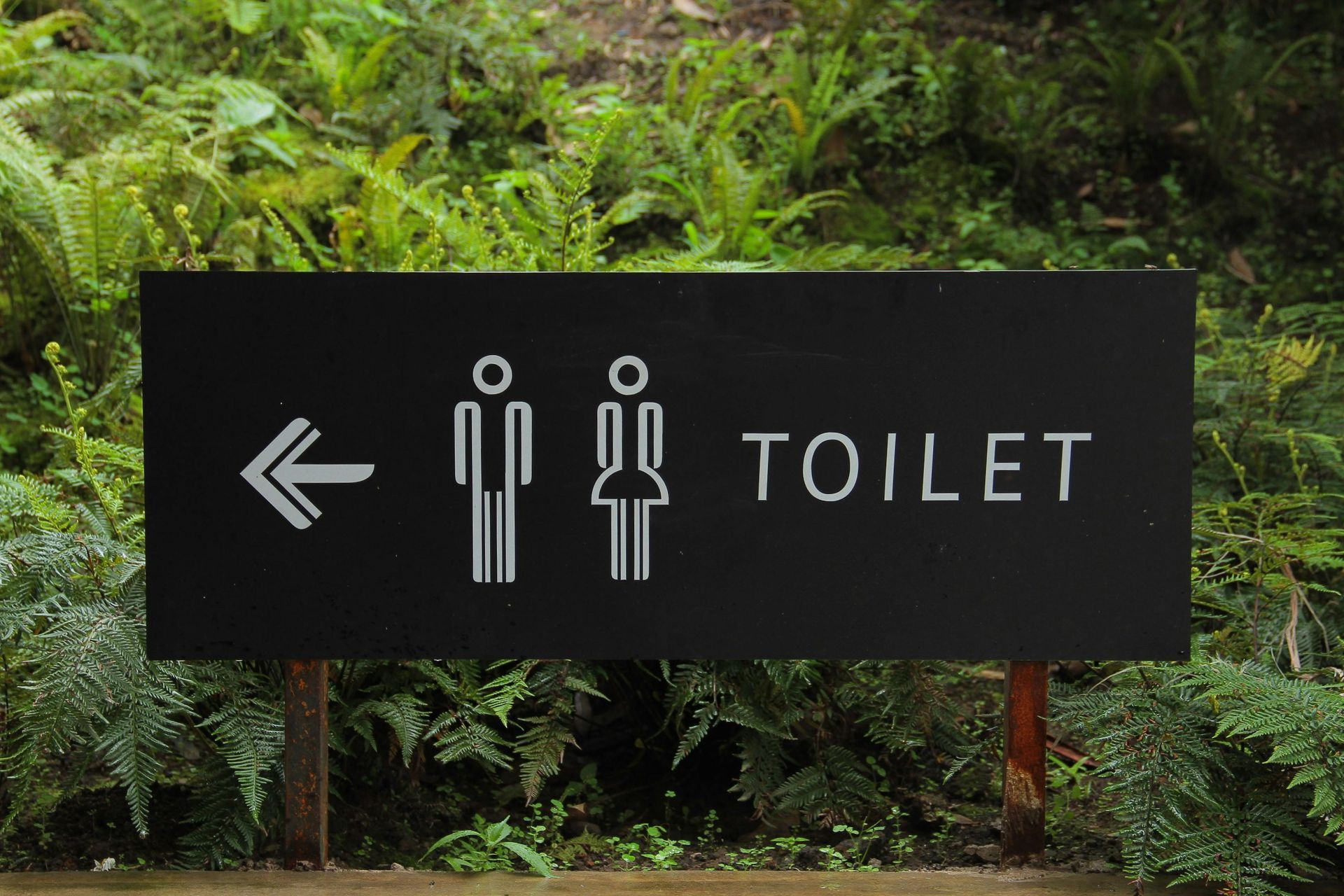
A black sign pointing to a toilet in the woods.

Cavers are hardy folk. They're happy to crawl through low, jagged, damp and sometimes muddy spaces – but they drew the line at digging through human waste.


By 2005, however, the toilets had been replaced, and the club was confident that the rain would have washed away the toilet's remains. It decided to get going.


On March 23 of that year, the first sod was dug up, revealing rusty sheets of corrugated iron. To the untrained eye, these were nothing to write home about – but to a keen caver, they demonstrated that the shaft leading down to the lead vein had been covered but not filled in. This gave the club the green light to proceed.


Next steps


Over the next few months, digs were made with the help of the Yorkshire Underground Research Team – and a JCB on loan. This was a step up from traditional pick and shovel and the club soon made inroads into the shaft.


About three metres down, the shaft opened out. Another discovery was made. The club knew that the west wall was the lead vein that the miners had been following. But it was just solid rock – not a hint of lead. This gave the diggers an insight into why the miners eventually gave up on the vein.


They also uncovered some old pieces of detonator wire. Like the iron sheets, these told a story: someone had been blasting rock down here. But who?


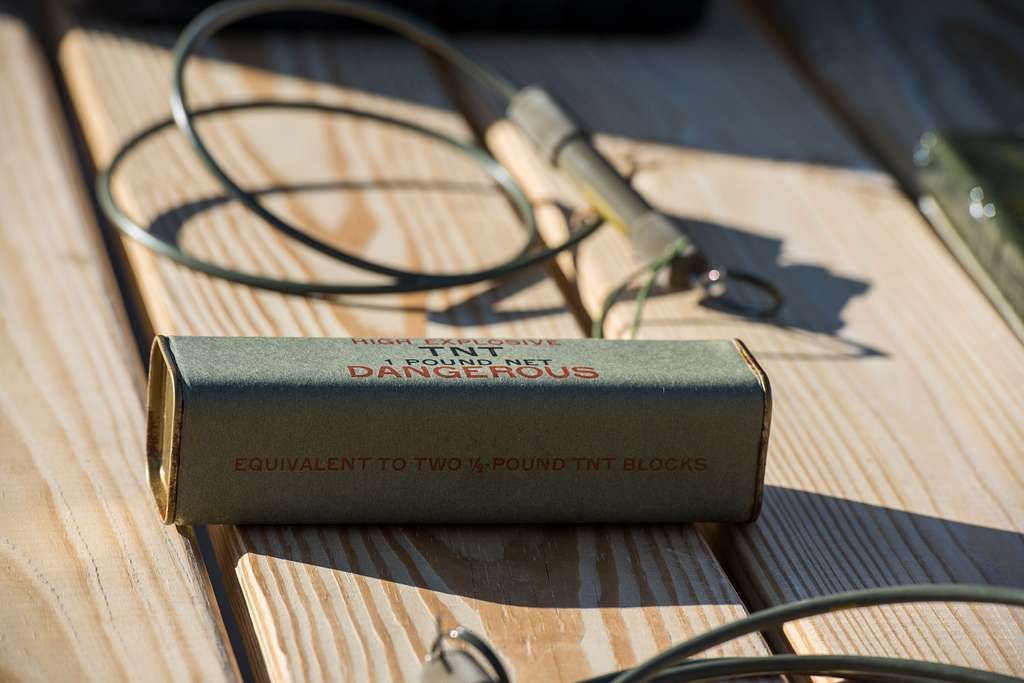
A box that says ' military ' on it sits on a wooden table

If there's one thing cavers are familiar with, it's dealing with obstacles. On the south side, their journey was blocked by a large rock that they nicknamed Big Bertha. Bertha was a sandstone rock in limestone terrain, meaning that it had been brought in from the outside.


With perseverance reminiscent of the 19th-century lead miners, the club slowly but surely broke up and removed Big Bertha to reveal… a dark hole.


It was at this point that the novice caver might have excused herself. This hole was full of black mud. But the recce was worth it, revealing another mined passageway.


However, the expedition ended with more blockages to the east and west. While this was a frustrating outcome, it did reveal more evidence of mining activity in the form of pick marks on the walls.


What are the lessons of Fence Hole?


The expedition confirmed why the lead miners lost the vein – and their perseverance in trying to find it again.


But the club learnt something else down in Fence Hole: evidence that cavers may have been down there once before.


Former owner George Gill, it's said, once dug into a new cave close to Stump Cross and was disappointed to see that its formations were better than his own. His answer? To block it off.


Could Fence Hole have been his starting point? The timelines match up, as the Craven Pothole Club believe that cavers had ventured down there in the 1950s.


If true, this story reveals another side of Stump Cross history: money. After all, Christopher Long – one of the most important figures in Stump lore – was motivated to explore Stump Cross after seeing how much money the show caves in Somerset were bringing in.


Final thoughts


The history of Stump Cross Caverns and the surrounding areas doesn't write itself. It's slowly constructed from thousands of hunches, expeditions and surveys. That's why we're making space on our website to explore some of its secrets.


Here at Stump Cross, we're grateful to the Craven Pothole Club for its continuing determination to learn more about the cave network. We can't wait to see what they and other cavers turn up next.


Are you looking for amazing
places to visit in North Yorkshire? Stump Cross Caverns is an ancient network of caves that promises fun and adventure for the whole family. Book your tickets online today.
Are you looking for evocative poetry about caves? Discover 5 classic examples in our Burns Night
By Simon Edward January 30, 2026
Are you looking for evocative poetry about caves? Discover 5 classic examples in our Burns Night guide.
From cliff-edge climbs to guided underground adventures… Discover exhilarating experiences
By Simon Edward January 26, 2026
From cliff-edge climbs to guided underground adventures… Discover exhilarating experiences across the Yorkshire Dales for all abilities.
Travel back 300 million years to discover coral seas, shifting continents
By Oliver Bowerman January 24, 2026
Travel back 300 million years to discover coral seas, shifting continents and the ancient origins of caves.
Discover unforgettable Yorkshire activities for your 2026 bucket list –
By Simon Edward January 19, 2026
Discover unforgettable Yorkshire activities for your 2026 bucket list – from underground adventures to wild landscapes and ancient wonders.
Explore the underground chambers and passageways at Stump Cross Caverns for less this January.
By Simon Edward January 16, 2026
Explore the underground chambers and passageways at Stump Cross Caverns for less this January.
Make a day of well-loved routes and big views, with five rewarding long-distance walks
By Simon Edward January 12, 2026
Make a day of well-loved routes and big views, with five rewarding long-distance walks across the Yorkshire Dales landscape.
From ancient royal tombs to dinosaur highways… Let's look back at the discoveries of 2025
By Simon Edward January 9, 2026
From ancient royal tombs to dinosaur highways… Let's look back at the discoveries of 2025 that reshaped our understanding of Earth's past.
From storytelling to survival… Join us as we explore how Stone Age people mastered fire
By Simon Edward January 5, 2026
From storytelling to survival… Join us as we explore how Stone Age people mastered fire and changed human history forever.
People have been making art for millennia. Explore the history of cave art from Europe, Asia
By Oliver Bowerman December 29, 2025
People have been making art for millennia. Explore the history of cave art from Europe, Asia and Africa.
Geodes are natural treasure chests filled with crystals. Discover 4 of the most amazing examples
By Simon Edward December 27, 2025
Geodes are natural treasure chests filled with crystals. Discover 4 of the most amazing examples ever found.
More Posts