Yorkshire fossil hunting: where to go and what to look for
Discover where you might find fossils in Yorkshire, and how to explore responsibly while protecting the prehistoric heritage of the region.
Few activities connect us to the deep history of the Earth quite like fossil hunting.
Across Yorkshire, ancient seas, tropical lagoons and prehistoric ecosystems have left their mark in the stone. Millions of years ago, much of what is now Yorkshire lay beneath warm oceans teeming with marine life. And today, patient explorers can still uncover the preserved traces of that distant past embedded within cliffs, rocks, and shorelines.
Whether you're a curious beginner or a lifelong geology enthusiast, you'll be richly rewarded in Yorkshire. The county is home to some of the UK's most rewarding fossil-hunting opportunities – provided, of course, you approach them safely and responsibly.
To help get you started on your quest, we've put together this Yorkshire fossil guide. Read on to learn where to go, what to look for and how to make the most of your fossil-hunting adventure.
Why Yorkshire is a fossil hotspot
The rich fossil record of Yorkshire exists thanks to the remarkable geology of the region.
During the Jurassic period, about 145 to 200 million years ago, layers of sedimentary rock were formed. In the process, the rocks preserved a vast range of marine creatures that once thrived in ancient seas. Over time, shifting landscapes exposed these layers along coastlines and within inland rock formations.
Erosion continues to reveal new finds today, meaning fossils regularly emerge naturally without the need for excavation.
Some of the most common fossil types to be found in Yorkshire include:
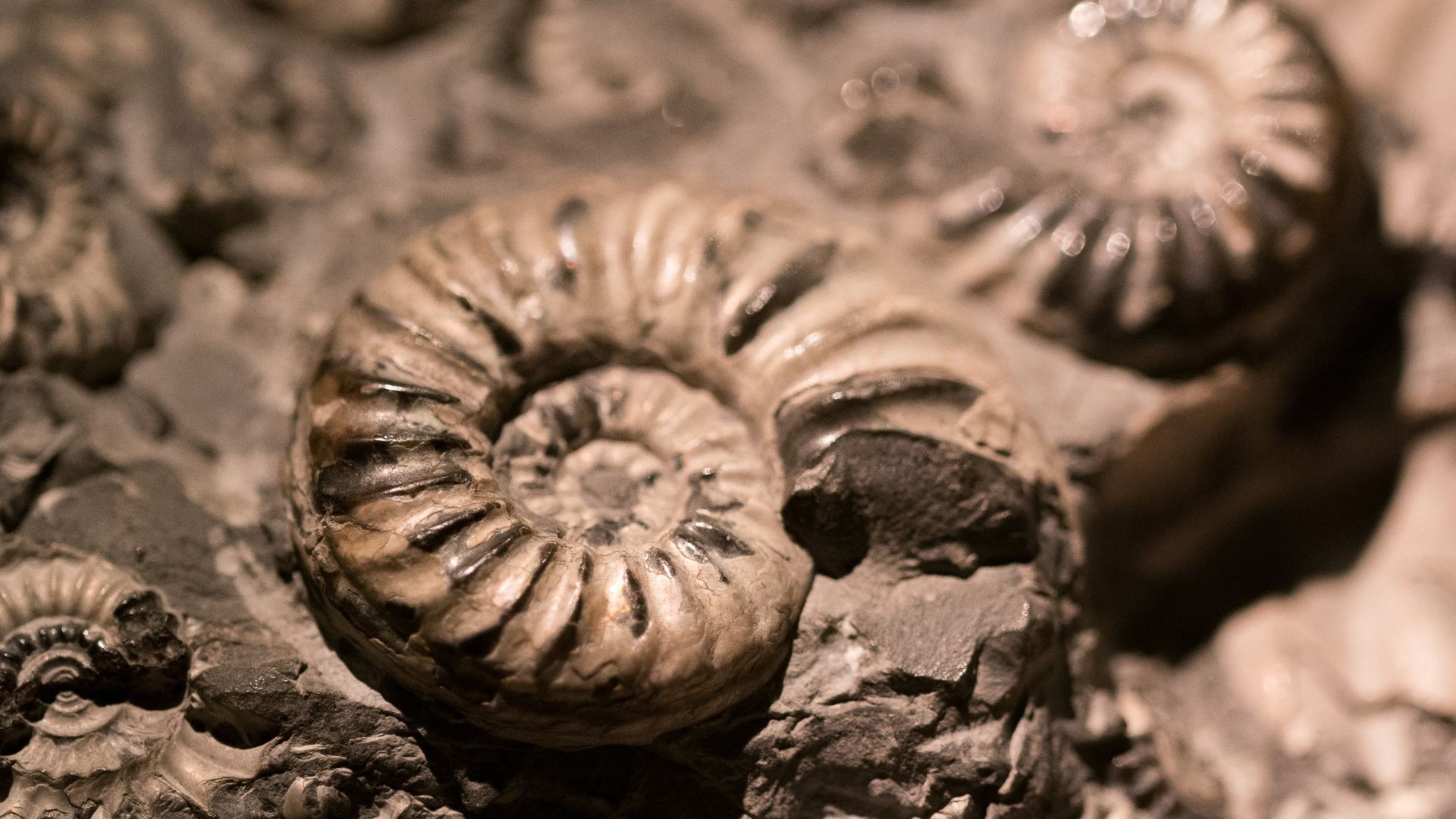
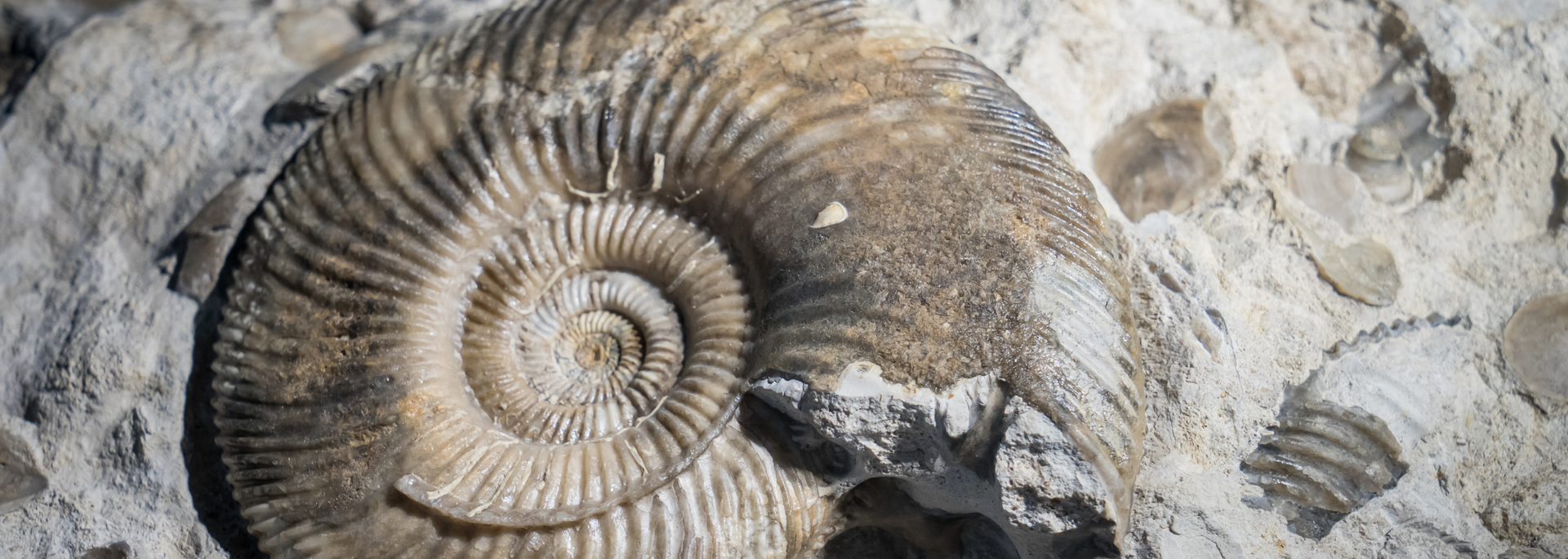
- Ammonites (spiral-shelled marine animals)
- Belemnites (squid-like prehistoric creatures)
- Shells and corals
- Plants from ancient forests
- Though more rarely, even a few marine reptiles
Every new discovery offers a small window into life on Earth long before humans existed.
Best places for fossil hunting in Yorkshire
As far as fossil hotspots go, you're spoilt for choice around here. But before you go hunting in any of the following locations, it's really important to remember that fossils should only be collected from loose material. Never hammer directly into rocks and cliffs, as this can be dangerous as well as damaging to the environment.
The Yorkshire Coast
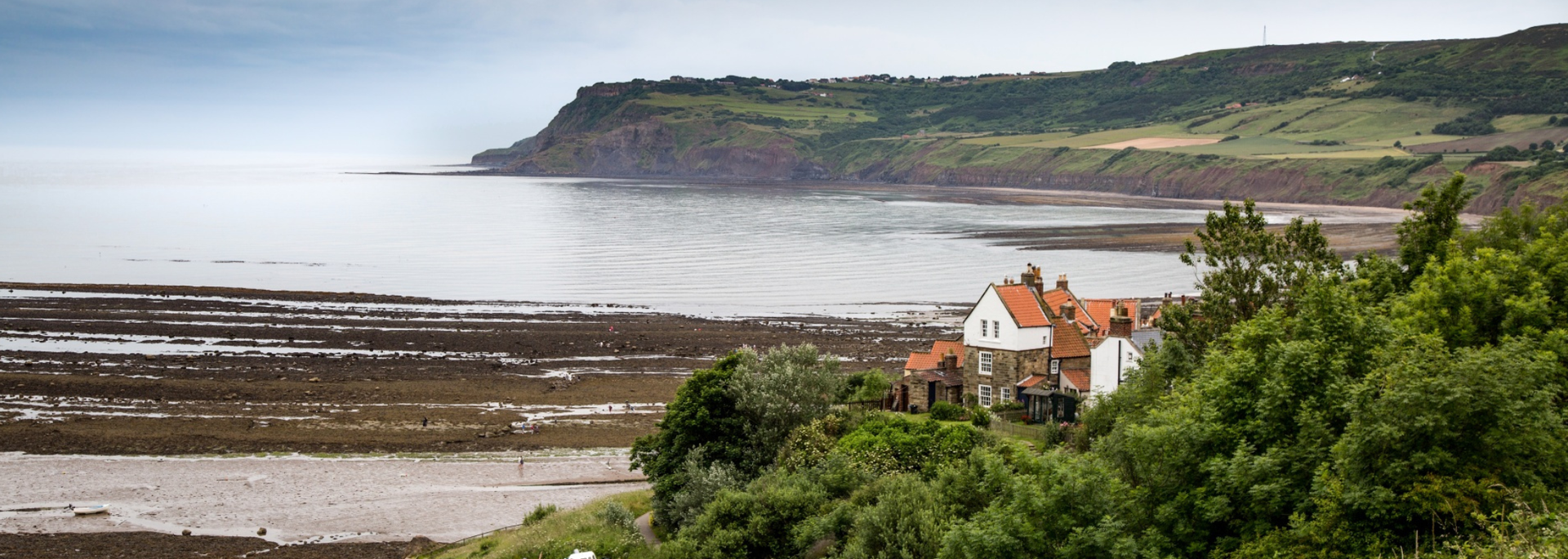
The coastline between Staithes, Whitby and Robin Hood's Bay is widely regarded as one of the UK's premier fossil-hunting regions.
Here, constant coastal erosion exposes fresh material within shale and mudstone cliffs.
Visitors frequently find ammonites embedded in loose rocks, as well as jet fossils and marine shell impressions.
Cayton Bay and Scarborough
Near Scarborough, Cayton Bay provides another good fossil hunting location, where Jurassic rocks are accessible at low tide.
Timing is crucial here for your safety. Be sure to always check tide tables before visiting, as incoming tides can quickly cut off exit routes.
Inland Yorkshire discoveries
While coastal locations receive the most attention, inland Yorkshire also holds fascinating geological stories.
Limestone landscapes throughout the Yorkshire Dales reveal evidence of ancient marine environments formed hundreds of millions of years ago. Although casual fossil collecting opportunities are more limited inland, it's these areas that help explain how Yorkshire's caves, valleys and rock formations developed over time.
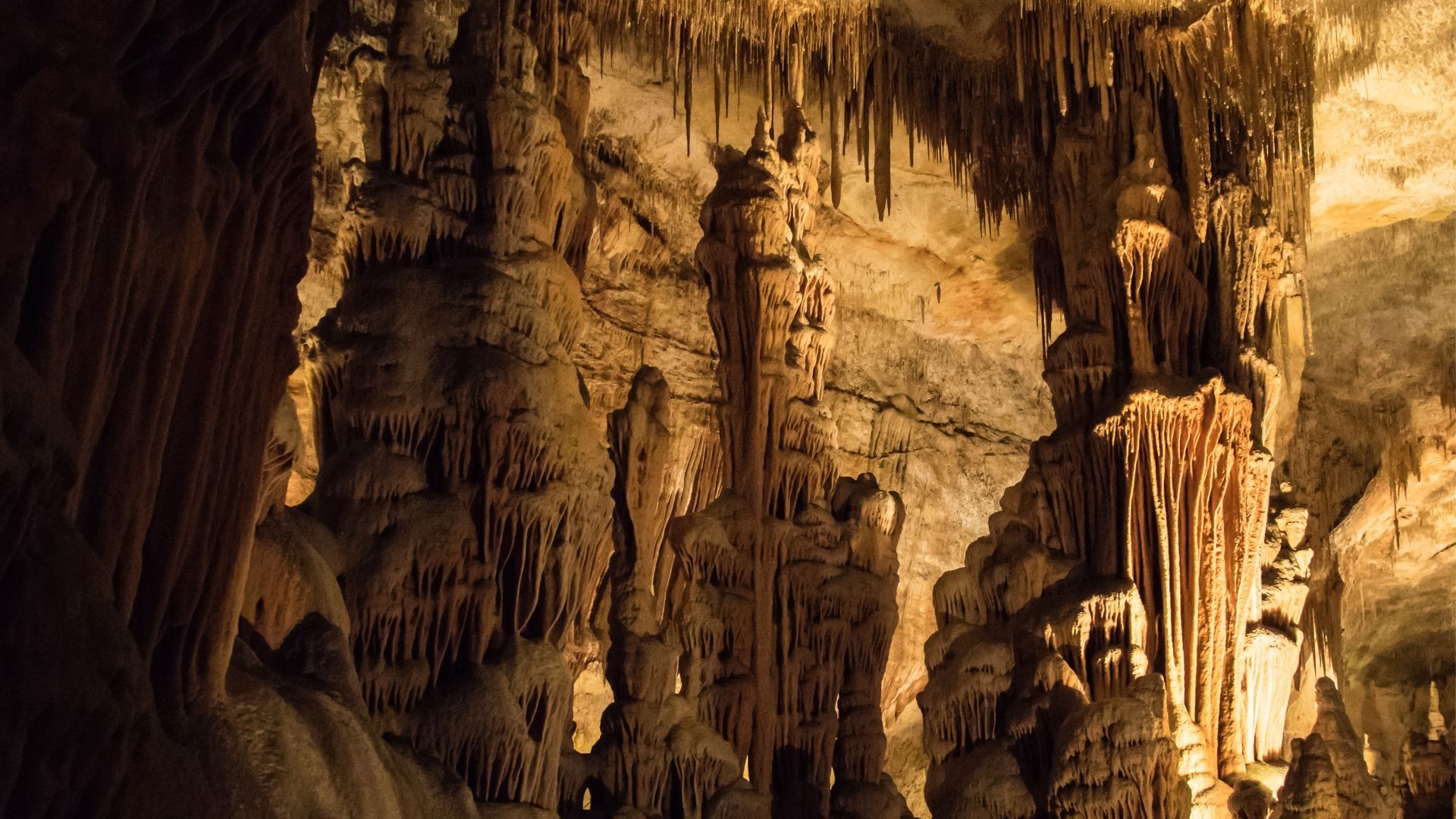
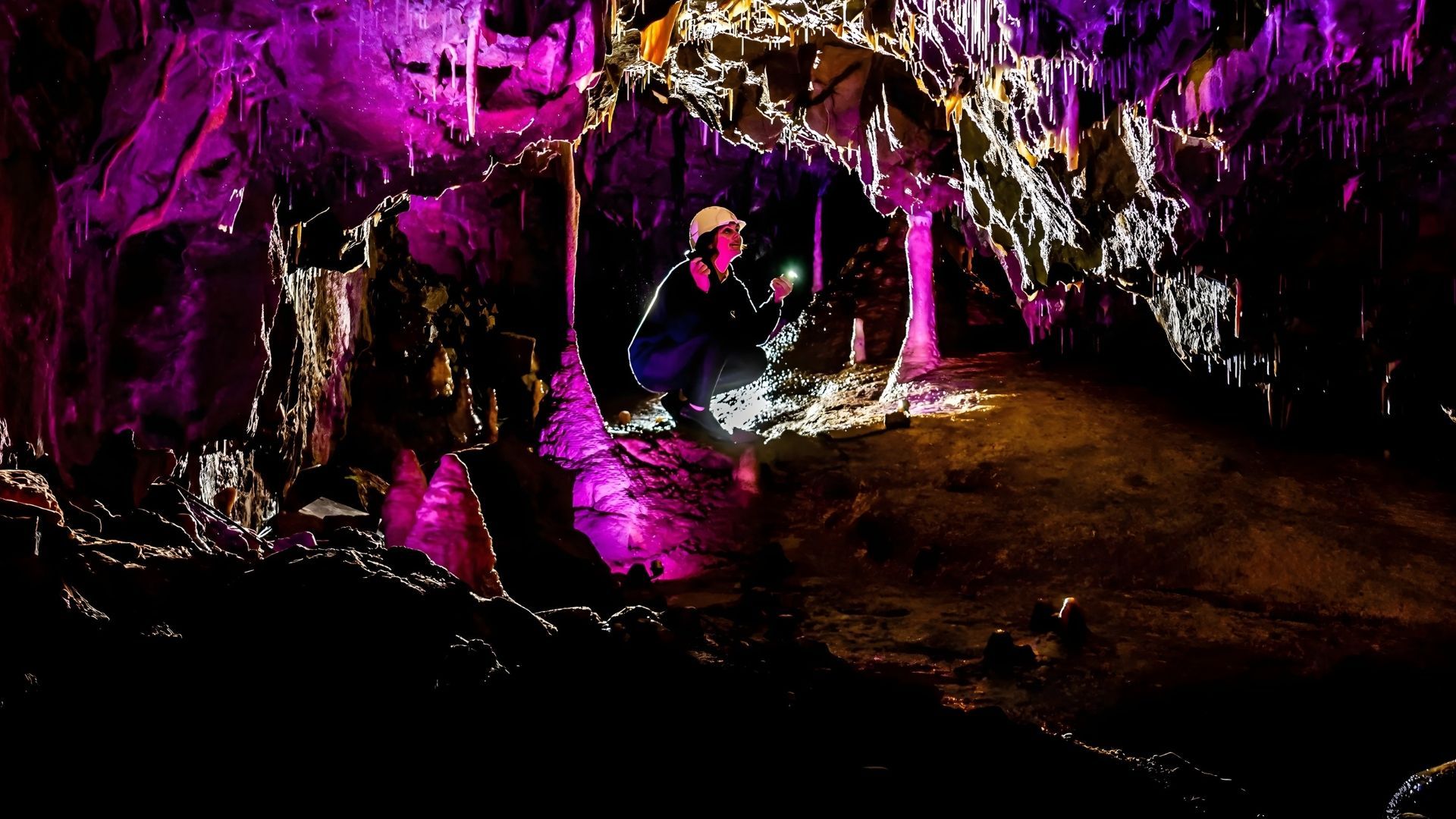
Visitors exploring underground environments can see fossilised marine remains preserved within limestone formed long before the dinosaurs appeared. Yes – Yorkshire's prehistoric story stretches even further back than you might expect!
What fossils should beginners look for?
If you're new to fossil hunting, start by learning to recognise common shapes and textures.
Ammonites
Perhaps one of the most iconic fossil shapes, ammonites resemble tightly coiled snail shells. Their ribbed patterns make them easier to spot among rocks.
Belemnites
Often mistaken for bullet-shaped stones, these fossils are actually the internal skeletons of extinct squid-like creatures.
Fossilised shells
Look for symmetrical ridges or repeated patterns embedded in rock fragments.
Trace fossils
Not all fossils are bones or shells. Burrows, tracks and feeding marks preserved in sediment are fascinating finds in themselves. These can reveal animal behaviours, rather than their physical remains.
Equipment for fossil hunting
You don't need any specialist gear to begin with – just curiosity and patience.
A simple kit might include:
- Sturdy footwear with good grip
- Gloves
- A small backpack
- Safety glasses
- A hand lens or magnifying glass
- Some containers or wrapping material for your finds
Experienced hunters may also carry a geological hammer. However, these are really for professionals only, as they can be hazardous to use and often require permission due to the risk of environmental damage.
Safety first
Yorkshire's fossil-rich coastlines are beautiful but can present dangers.
Always remember:
- Check tide times before setting out.
- Avoid standing close to cliffs.
- Watch out for falling rocks.
- Never turn your back on the sea.
- Visit with others wherever possible.
Weather and sea conditions can change quickly, so planning ahead is crucial.
Responsible fossil hunting
Fossils are part of Yorkshire's shared natural heritage.
Responsible collecting helps preserve sites for future generations and supports scientific discovery.
Good fossil-hunting etiquette includes:
- Taking only a small number of finds
- Leaving significant discoveries in place and reporting unusual or large finds to local museums
- Respecting protected geological sites
Some locations are designated Sites of Special Scientific Interest (SSSIs), where collecting may be restricted.
When in doubt, observe and photograph rather than remove.
Fossil hunting for families and beginners
One of fossil hunting's greatest strengths is its accessibility.
Children and adults alike can enjoy the excitement of discovery, turning an ordinary walk into a prehistoric treasure hunt. Even small finds spark curiosity about Earth's history, evolution and changing climates.
Many visitors combine fossil hunting with wider Yorkshire adventures – exploring walking routes, coastal villages or underground geological attractions that reveal how ancient environments shaped today's landscape.
From ancient seas to modern discoveries
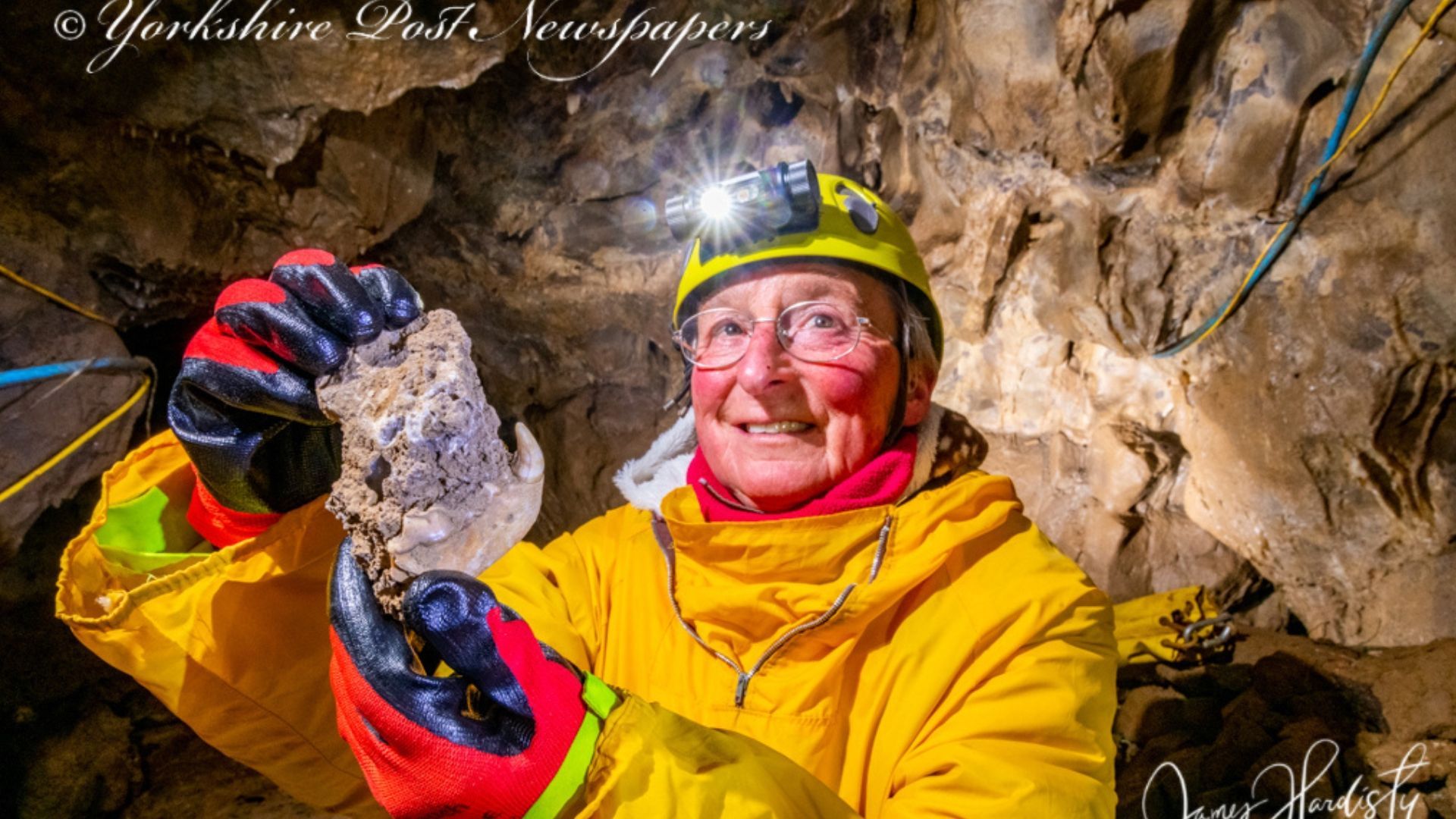
Every fossil tells a story in a geological journey lasting millions of years. And best of all, you don't need to spend hours trekking along the coastline to find them. At Stump Cross Caverns, we hold interactive workshops where you can
dig your own fossilsand learn fascinating facts about the ancient world.
Whether you're spending the day exploring Whitby Bay or venturing underground at Stump Cross, fossil hunting allows you to step briefly into that ancient story. It's a way to connect past and present through curiosity and discovery.
Want to try digging for real fossils you can take home and keep? Book your tickets for our family fossil digs today.