
The Gwynedd car cave: why is this cavern full of abandoned cars?

16 February 2026

Caves contain all sorts of secrets – but not all of them are pleasant. Explore this car graveyard in North Wales, and the lessons we can learn from it.


A flooded cave filled with rusted cars and debris; light shines from above.

Think of landfill and you probably picture huge piles of rubbish. But did you know that caves and quarries have also been used for waste disposal?


Before we go any further, it's important to note that we at Stump Cross Caverns take cave conservation very seriously and do not condone this kind of activity. In the case of the Gwynedd car cave, however, there are valuable lessons to be learned.


Once upon a time, this cave was used for slate mining – an important source of revenue for the Welsh economy. However, when the mine was closed in the 1970s, the cave became a dumping ground for cars, TVs, fridges, microwaves and other waste.


The cave later became a viral social media sensation, with visitors and influencers flocking to take pictures and videos of this surreal sight. Unfortunately, this influx of interest only made the situation worse.


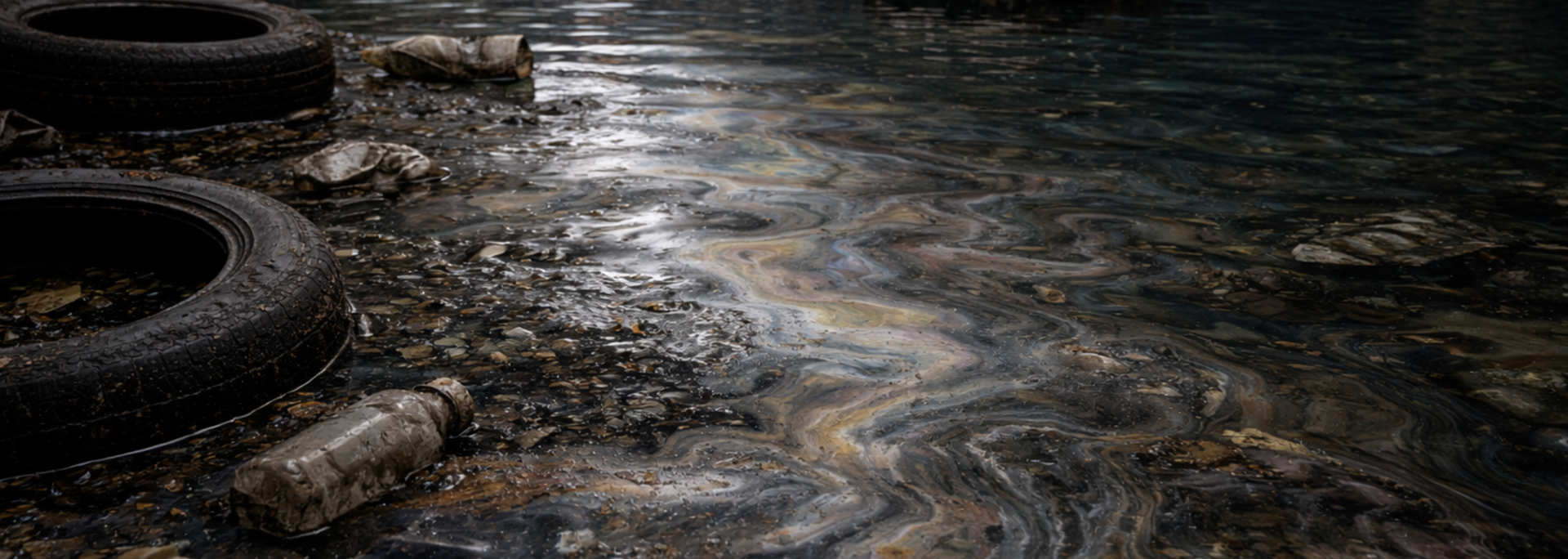
Today, the cave is a sorry sight, filled with rusting cars and plastic waste left by visitors. Many cars are now underwater – and the water itself is full of hazardous substances.
So, what can we learn from this tale of neglect and misuse? Let's first take a trip in our time machine back to the slate mines of the 19th century. 


About the Gwynedd car cave

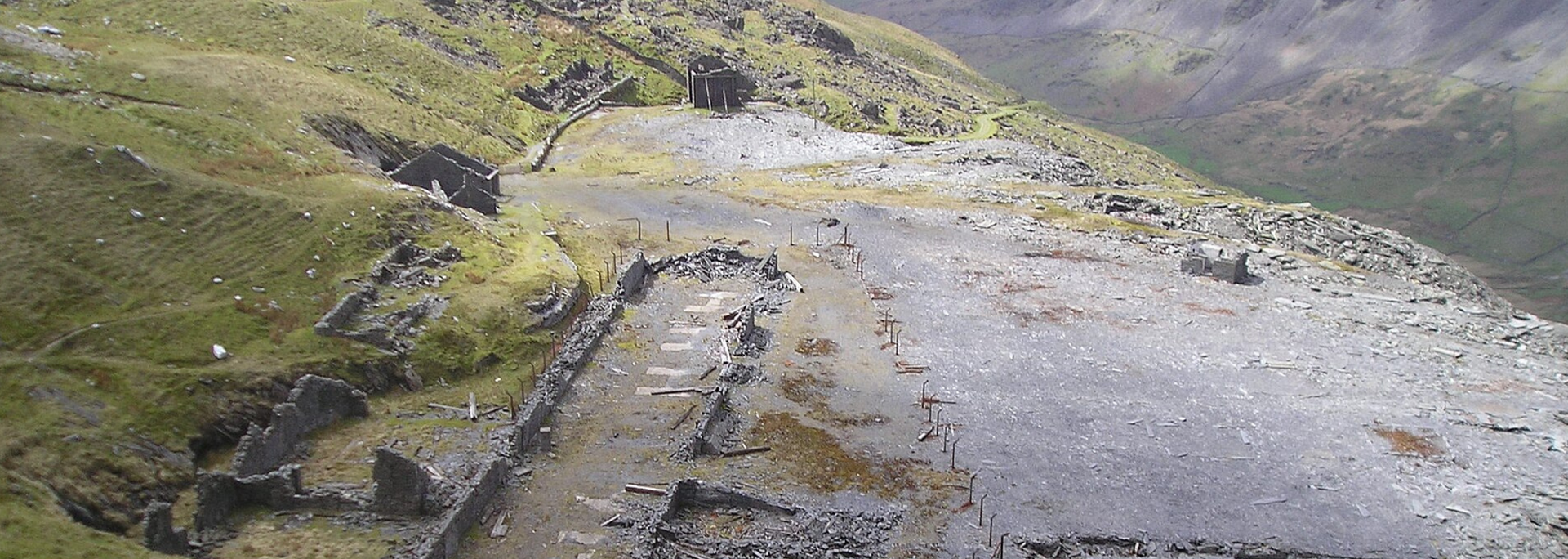
This car-filled dump was once a slate mine. It's located 65 feet below private land in Corris Uchaf. The quarries at Corris Uchaf are the southernmost in North Wales – and were small fry next to the sprawling quarries of northern Snowdonia.


Today, the state of the cave is the direct result of mistreatment. First, by the people who used it as a dumping ground for cars and electrical goods. And secondly, by the people who went to explore and left rubbish behind them. But in fact, the mine itself was another example of mistreatment, albeit of a different kind.

Aerial view of a mountain with a gray, rocky area and grassy slopes. Ruins are visible.

 "Some mines in the 19th century were speculative ventures," explains slate mines expert Dr David Evans . "They were fly-by-night operations with business practices that would not stand up to scrutiny today" – not in the UK, at least.


The mine was shoddily run, unproductive and the site of dangerous working conditions and limited employment rights. And today, things aren't much better. Photographers and influencers are drawn to the surreal sight of heaps of rusty cars illuminated by the cave entrance. But it's a dangerous place to visit, and clean-up attempts are only scratching the surface.


Renewed interest

For decades, the cave was only visited by the people who came to dump their cars and electrical goods. This all changed in 2019 when a YouTube video brought the location into the public eye.


People came in droves. Some came out of sheer curiosity and a spirit of adventure. Others came for views on social media, treating the cave as clickbait.


We don't want to demonise the people who came to the car cave. But it's undeniable that some contributed to leaving the cave in a worse state than they found it in.


This was partly because they had to cross a small lake to reach the dumping ground. Many got across in inflatable dinghies – and promptly dumped their dinghies on the other side.


The caver and travel vlogger
Anthony Taylor describes a sea of dinghies and "rubbish on the floor, including glow sticks… There are also discarded black bags, presumably used by people visiting the cave trying to keep their feet dry."


The lake itself is in a sorry state, too: "Besides leaching rust," the
Daily Postreported, "the lake is laden with antifreeze, oil, transmission fluid and other nasty chemicals."


In short, the cave is a victim of disposable consumer culture and viral fame in equal measure. It's a dangerous place to go. Some visitors who have been there as part of a clean-up operation have concealed the cave's exact location to save it from further mistreatment.

Tires and debris float in a polluted body of water with oil slicks, suggesting environmental damage.

But in the words of the old song, for every litterbug there's a litter picker. Some cavers hit back at the treatment of the cave, organising clean-up expeditions.

It's not a tale that's easy to tell or to hear. So, what can we learn from the mistreatment of this cave? For us here at Stump Cross Caverns, it's a timely reminder of the importance of cave conservation.

The importance of conservation

 The caver Anthony Taylor doesn't mince his words. "If these keep happening," he says , "it's going to be lost to everyone forever."


 There's nothing new about caves being under threat. Take the case of the caves at Lascaux in the south of France. Discovered by accident in 1940, these caves are a treasure trove of prehistoric paintings. But the influx of visitors and environmental changes put these paintings at risk and the caves were sadly closed in 1963.


It's a conundrum we're all too familiar with here at Stump Cross Caverns. At the bottom of a nearby shaft, for instance, there's an
amazing crystal floor . We would love this to be open to the public – but we know that doing so would harm the crystals.


At the end of the day, the caves come first.They're nature's gifts to humans and need to be taken care of. The alternative is too sad to consider. That's why we take our role as cave custodians so seriously here at Stump Cross.


But it's visitors, too, who need to take care of the caves. That means sticking to marked trails, leaving no trace and keeping your hands off the stalactites, stalagmites and other rock formations.


Together, we can preserve Stump Cross Caverns – and caves all across the world – for future generations. Will you help us in our mission?


 Stump Cross Caverns is one of the best-preserved ancient caves in Yorkshire . Want to see how beautiful a well-conserved cave can be? Join us for an amazing day out in the Yorkshire Dales. It's easy to book your tickets online .

Share this article

Recent Posts

Could you be the one to make the next HUGE fossil discovery at Stump Cross Caverns? Join us
by Simon Edward 22 May 2026
Could you be the one to make the next HUGE fossil discovery at Stump Cross Caverns? Join our Ice Age Dig for a once-in-a-lifetime opportunity.
What happened before the Stone Age? Find out about Earth's earliest history, prehistoric life
by Oliver Pyper 22 May 2026
What happened before the Stone Age? Find out about Earth's earliest history, prehistoric life and the world before humans.
Discover the best glamping experiences in the Yorkshire Dales, plus local attractions,
by Simon Edward 18 May 2026
Discover the best glamping experiences in the Yorkshire Dales, plus local attractions, packing advice and tips for family-friendly adventures.
What you've heard is true: birds really are dinosaurs.
by Oliver Pyper 15 May 2026
What you've heard is true: birds really are dinosaurs. Explore this fascinating evolutionary story with us.
The Ice Age saw the last of many giant beasts – so how did early humans survive?
by Oliver Pyper 11 May 2026
The Ice Age saw the last of many giant beasts – so how did early humans survive? Discover how clothing, shelter and diet played a part.
Looking for something to do in Yorkshire on 25 May? Explore 6 spring bank holiday events
by Simon Edward 8 May 2026
Looking for something to do in Yorkshire on 25 May? Explore 6 spring bank holiday events and experiences.
Person in a hard hat inspects stalactites and stalagmites in a cave, lit with purple and amber lights.
28 February 2026
Here at Stump Cross Caverns, we're proud that our caves have contributed to the sum of scientific knowledge. Here are 4 fascinating examples.
Stone ruins of a village overtaken by greenery, nestled in a valley with a cloudy sky.
27 February 2026
There are around 3,000 deserted villages in the UK. Explore 5 incredible examples in Yorkshire and nearby.
Man with briefcase overlooking valley at night, glowing watch, lit village below, full moon.
23 February 2026
What skills and tools would you need to survive as a Stone Age person? Take a trip in our time machine and find out…
Show More