Did you know that some caves have their own ecosystems? Explore 5 incredible-but-true examples in our guide.
Come to Stump Cross Caverns more than once a year and you'll notice something that may surprise you. No matter what the weather is doing outside, the temperature in the caves is the same all year round – come rain or shine, snow or hail.
This is because Stump Cross Caverns, like many other caves and cave systems, is a microclimate. It follows its own rules, cut off from the Yorkshire weather by the soil that lies above it.
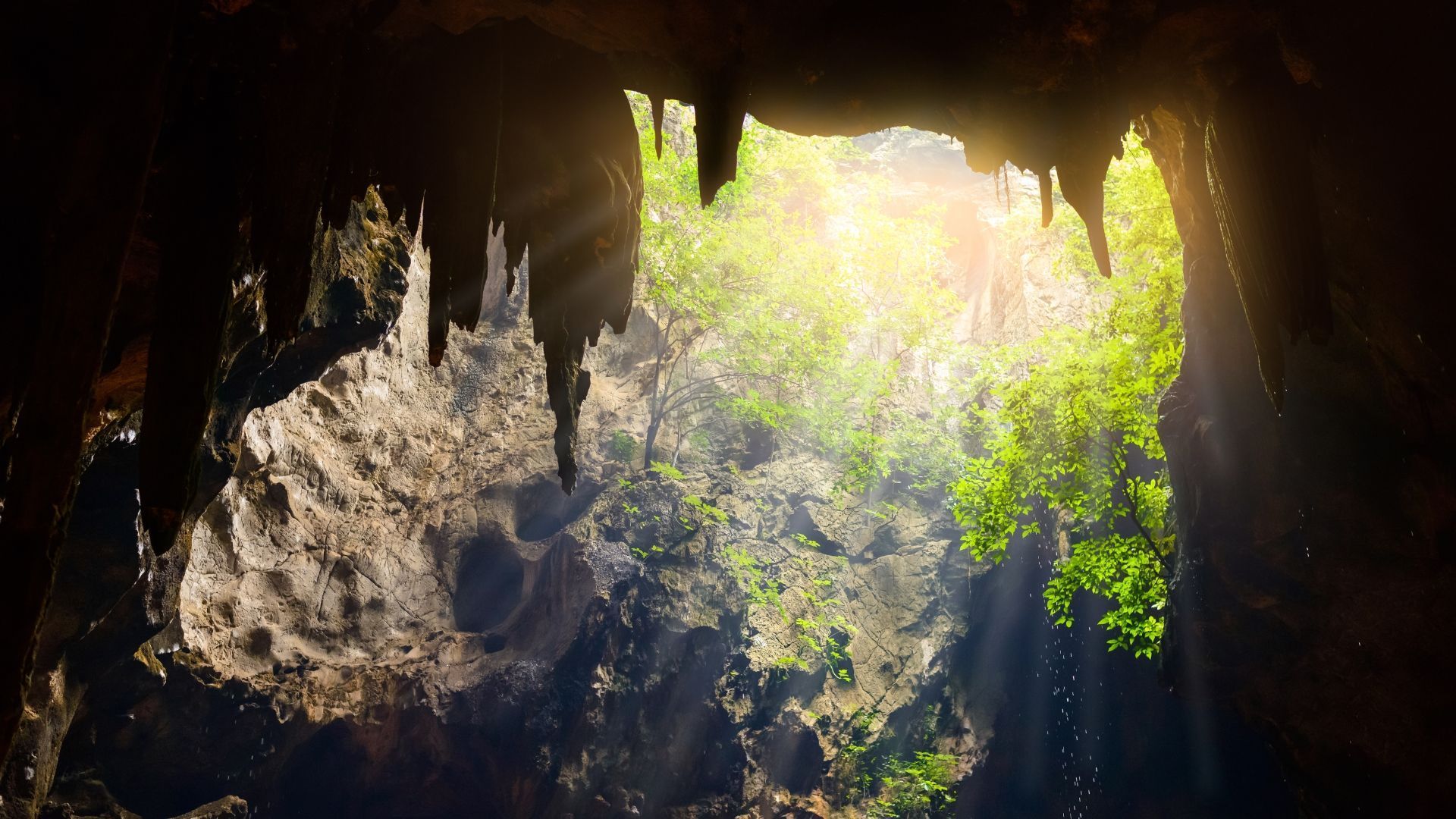
But some of the world's caves and cave systems go even further. They aren't just microclimates – they house entire ecosystems.
Have you ever seen a terrarium – a miniature garden in a jar? These create a self-sustaining environment for plants with their own water cycle – no need for a watering can, sprinkler or other water source.
The caves we're discussing today aren't unlike these miniature ecosystems. Shut off from the outside world (but occasionally penetrated by sunlight and water), they pursue their own evolutionary paths.
Some draw in nutrients from the outside world via groundwater seepage and collapsed entrances. Some exist in total darkness, home to creatures that live without eyesight. And some rely on chemosynthesis, the process by which organisms create food from chemical reactions rather than sunlight.
It's another example of just how dizzyingly various our planet is. But before we put on our caving gear and take a trip underground, what is an ecosystem, exactly?
What is an ecosystem?
An ecosystem is a kind of natural community. Living organisms interact with each other and with their environment. Plants, animals, microbes, air, water, soil and sunlight all work together to sustain themselves.
An ecosystem can be as small as a puddle and as big as an ocean. And in the following five examples, they exist in caves and cave systems. Let's take a closer look…
Five amazing cave ecosystems
1. Son Doong Cave, Vietnam
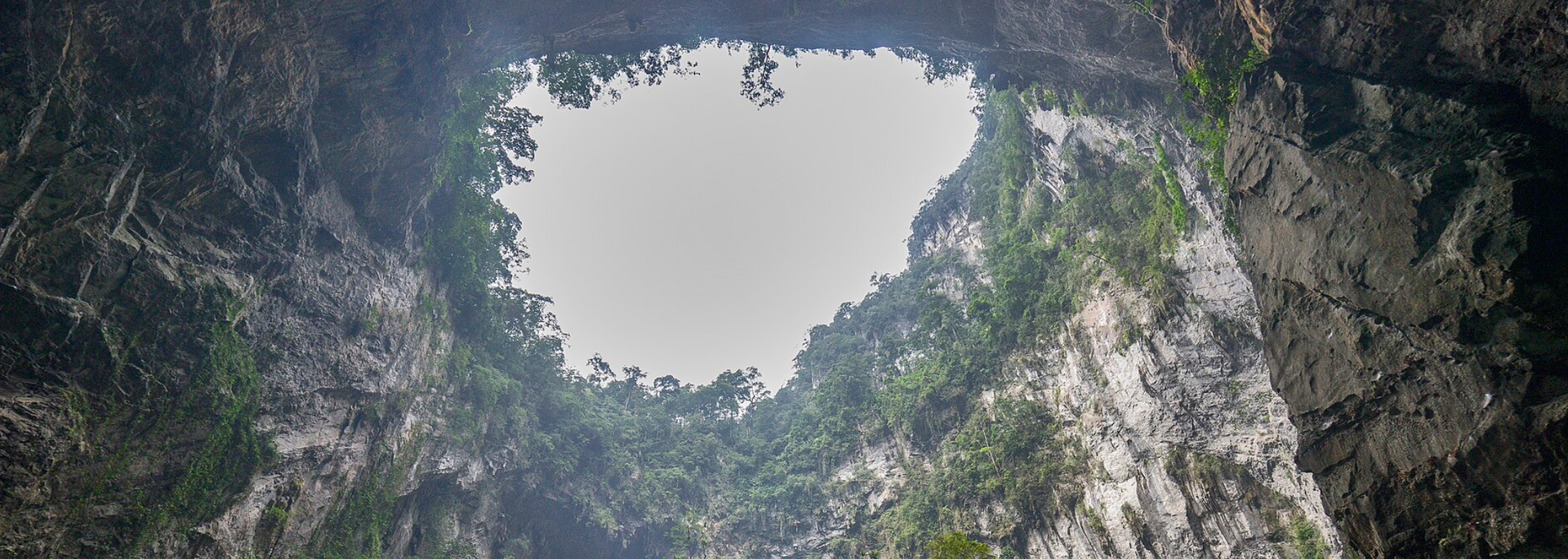
Son Doong Cave in Vietnam is the world's largest cave by volume – a whopping 200 metres tall and 150 metres wide.
It's the stuff of fairytales – a naturally occurring underground kingdom big enough to house skyscrapers and containing its own jungle, river, clouds and ecosystem.
This is possible because of dolines – huge, funnel-shaped sinkholes in the Earth's surface through which sunlight enters.
Enriched by bat guano, the cave supports more than 200 plant species alongside animals that have adapted to the dark: insects, fish and even monkeys.
Tourists are welcome at Son Doong Cave, but visits are strictly regulated to help preserve this marvel of the natural world.
2. Movile Cave, Romania

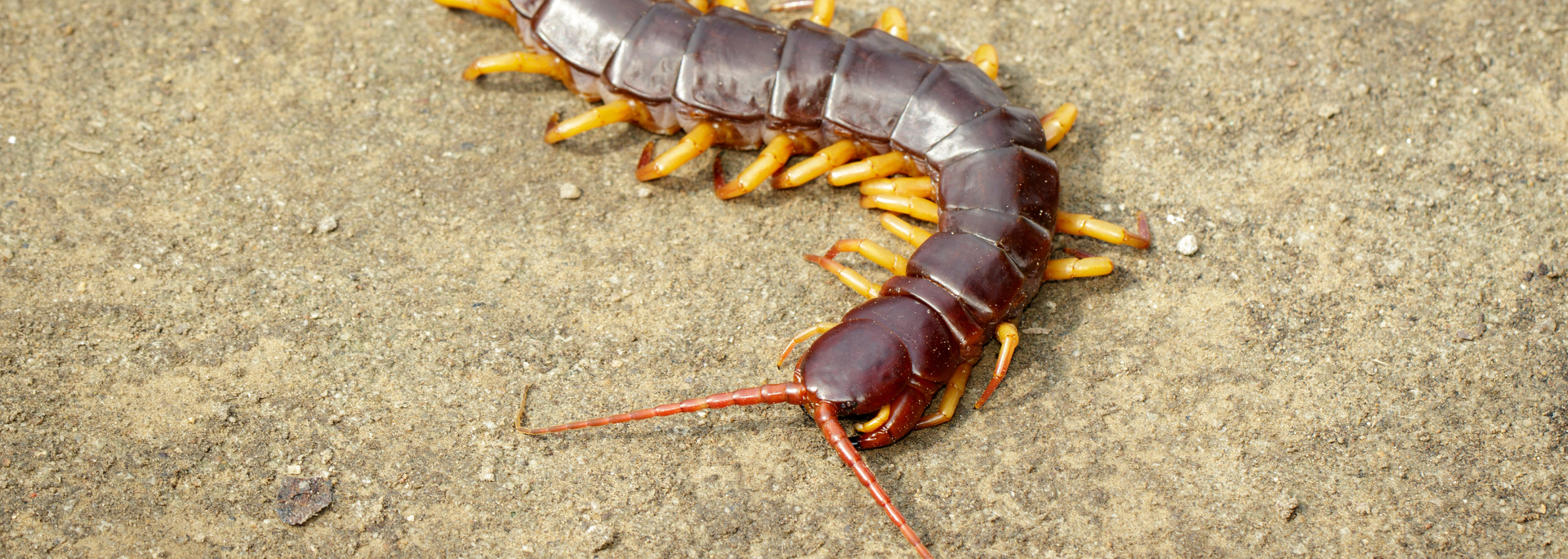
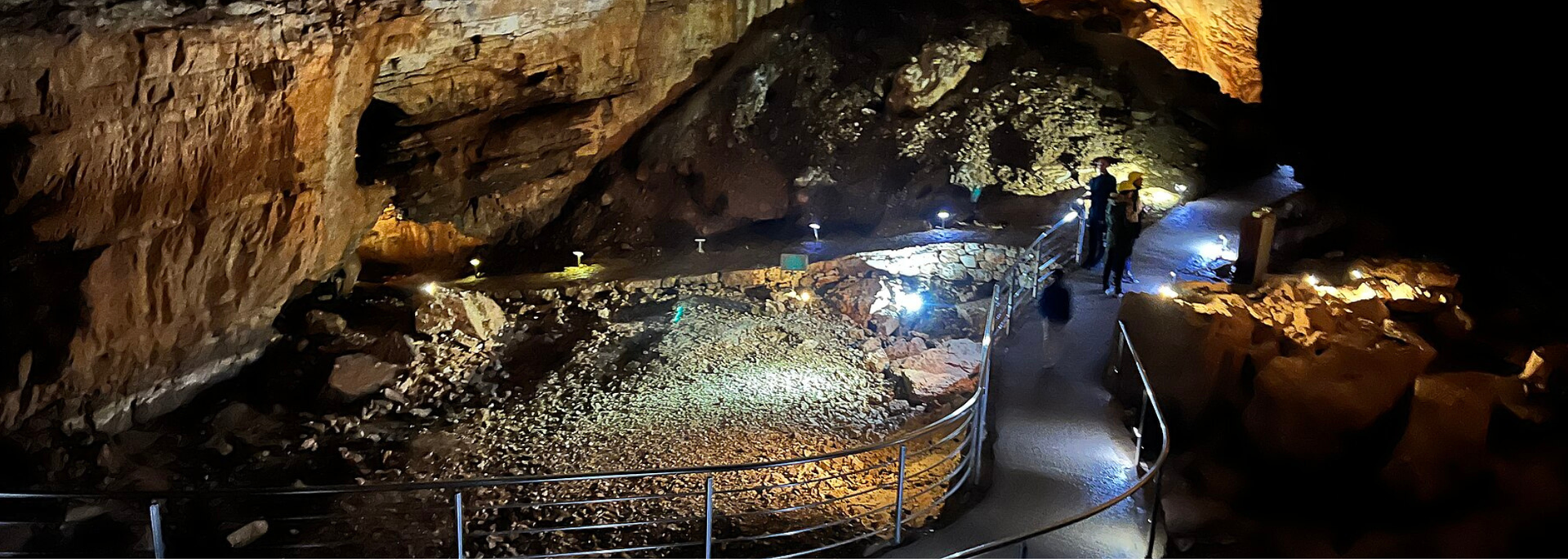
Can an ecosystem thrive without sunlight? Yes! In Movile Cave, Romania, bacteria convert hydrogen sulphide and methane into energy. This sustains a food web of blind, colourless invertebrates, cave spiders, scorpions and leeches.
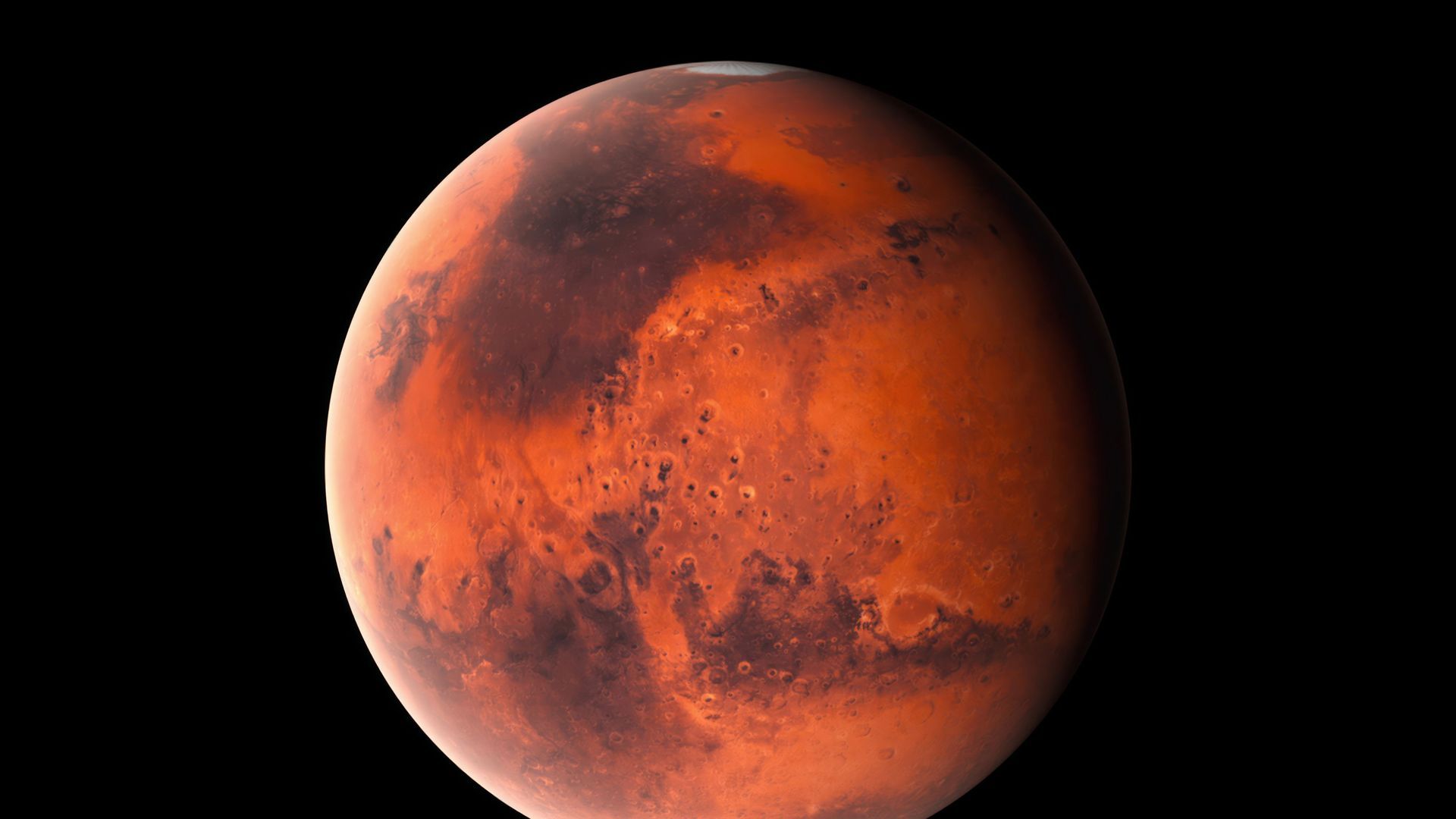
The cave has been sealed off from the Earth's surface for some 5.5 million years. Its atmosphere is low in oxygen (around 10%), providing scientists with a model for life on Mars and Jupiter's moon Europa.
It could also give us an insight into life on Earth before the advent of plants.
This alien world within our world was discovered by Romanian scientists in 1986. Unfortunately, visits are strictly limited to a few scientific research teams a year. This is to minimise human impact on this one-of-a-kind ecosystem.
3. Waitomo Glowworm Caves, New Zealand
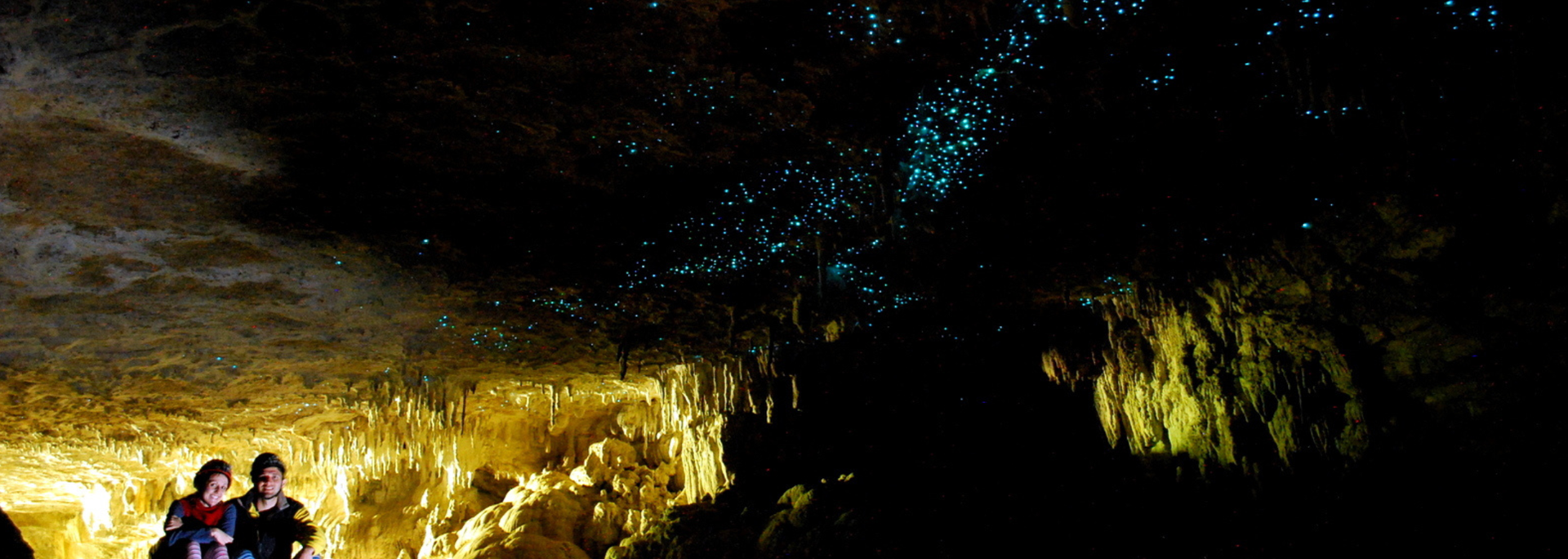
The Waitomo Glowworm Caves in New Zealand are world-famous for their bioluminescent glowworms (Arachnocampa luminosa). Visitors from around the world have marvelled at the constellation-like effect they create on the cave ceilings.
The glowworms are ethereally beautiful – at least until you learn what they're up to. That bioluminescent shimmer is made by sticky threads consisting of saliva and urine. These are spiderweb-like traps for tiny insects.
Tourists can explore the caves by boat. However, photography is prohibited to protect the glowworm larvae.
This is just one example of how Waitomo's management seeks to protect this uniquely beautiful ecosystem. Pest control and waste reduction are both key strategies. Meanwhile, visitors are reminded to look but not touch, as even the slightest touch can make the glowworms extinguish their lights.
Nature, however, has other ideas. The Waitomo caves are under threat from koi carp. This invasive species has been sighted in the caves – and if it goes unchecked, could disrupt the delicate balance of this unique and much-loved ecosystem.
4. Vjetrenica Cave, Bosnia and Herzegovina
Vjetrenica Cave is so biodiverse that it's been recognised by UNESCO as a global biodiversity hotspot.
That's because it's home to nearly 200 animal species, including more than 90 troglobites. A troglobite is an animal that lives its whole life underground and has adapted to total darkness.
Within Vjetrenica Cave live snails, crustaceans, beetles and even living fossils – animal species that closely resemble prehistoric species from the time of the dinosaurs.
Another unique inhabitant is the olm. This is a cave salamander that's adapted to life in complete darkness – blind but with powerful smell and hearing. It's also called the "human fish", owing to its human-like fleshy colour.
No sunlight penetrates Vjetrenica Cave. Instead, the ecosystem is sustained by nutrients from outside, organic debris and the occasional organism popping in for a visit.
5. Ayalon Cave, Israel
Like Movile in Romania, Ayalon Cave in Israel is one of a kind – or rather, one of fewer than 10 ecosystems like it. It's an isolated underground domain powered by chemosynthesis – not a ray of sunlight in sight.
These incredibly rare conditions are created by deep, sulphidic groundwater. Within the cave, there are species found literally nowhere else on Earth. These include blind cave prawns, crabs, scorpions and arthropods.
Stump Cross Caverns might not have its own ecosystem – but it does have some of the UK's best-preserved underground rock formations. Why not visit our caves in the Yorkshire Dales and experience the magic for yourself? It's quick and simple to book your tickets online.