10 of the largest caves in Europe

Simon Edward • 25 May 2026

Discover some of the largest cave systems in Europe, from vast underground chambers to ancient limestone labyrinths and palaces of ice.

Discover some of the largest cave systems in Europe, from vast underground chambers to ancient limestone labyrinths and palaces of ice.


Did you know Europe is home to some of the largest and most spectacular cave systems on Earth?


Beneath mountain ranges, limestone plateaus, forests and river valleys lies an underground world shaped over millions of years. These caves have been carved by water, pressure, minerals and time.


The result: seemingly endless networks of tunnels, chambers, underground rivers and geological formations that continue to amaze scientists and visitors to this day.


Some caves stretch for hundreds of kilometres. Others plunge deep into the Earth through vertical shafts, or open out into chambers the size of cathedrals, filled with crystal formations.


Whether you're fascinated by geology, prehistory, adventure or simply the natural world, the caves of mainland Europe tell extraordinary stories.

Here are 10 of the largest and most fascinating cave systems in Europe.


Optymistychna Cave


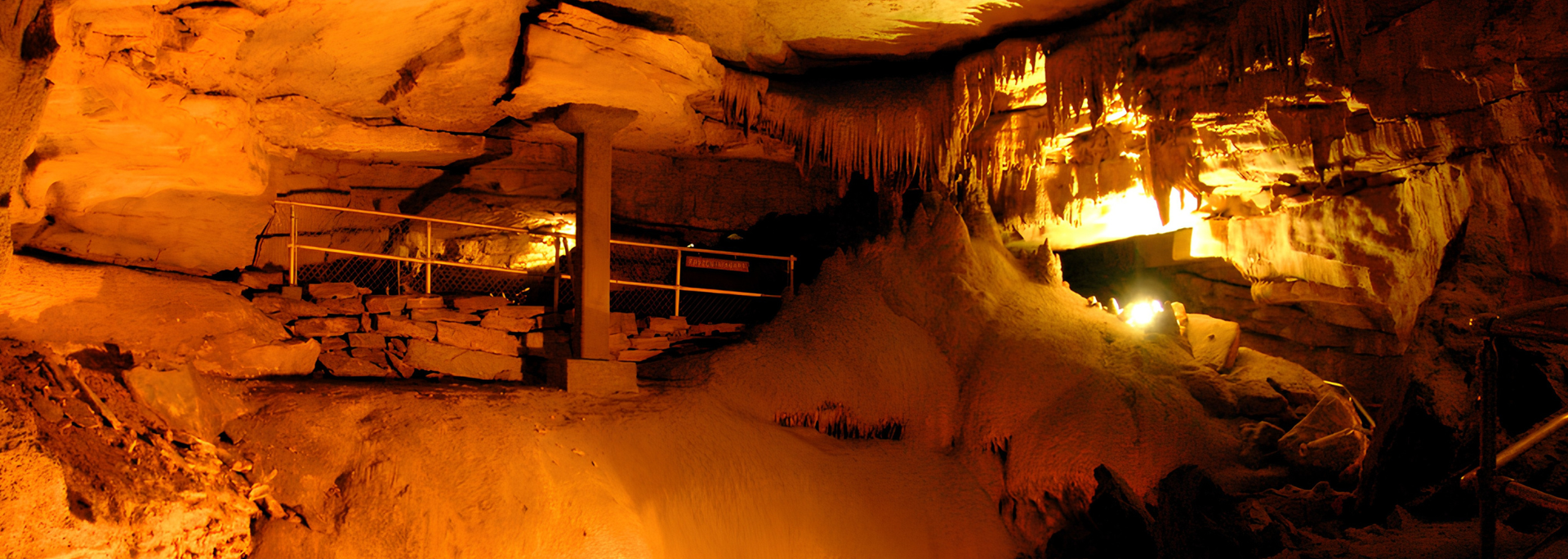
Picture of Optymistchna Cave.


Widely recognised as one of Europe's largest cave systems, Optymistychna Cave is a truly astonishing underground labyrinth.


Located near the Ukrainian village of Korolivka and discovered in 1966, this gypsum cave stretches for more than 250 kilometres. That makes it the longest cave in Europe and the seventh-longest in the world.


What makes it especially remarkable is its maze-like structure. Rather than one huge chamber, it consists of an intricate network of passages that twist, branch and reconnect in every direction.


Inside, explorers find crystal-lined walls, mineral formations, narrow passages and underground chambers.


Even today, parts of the cave continue to be studied.


Mammuthöhle


Picture of Mammuthöhle.


Austria's Dachstein Mammuthöhle, or "Mammoth Cave", earns its name through sheer scale.


One of the world's longest and deepest limestone cave systems, it stretches for over 70 kilometres beneath the Austrian Alps.


Passages wind through mountain rock, creating a vast underground network shaped by glacial water over countless millennia.


The surrounding alpine landscape makes it especially dramatic.


Postojna Cave


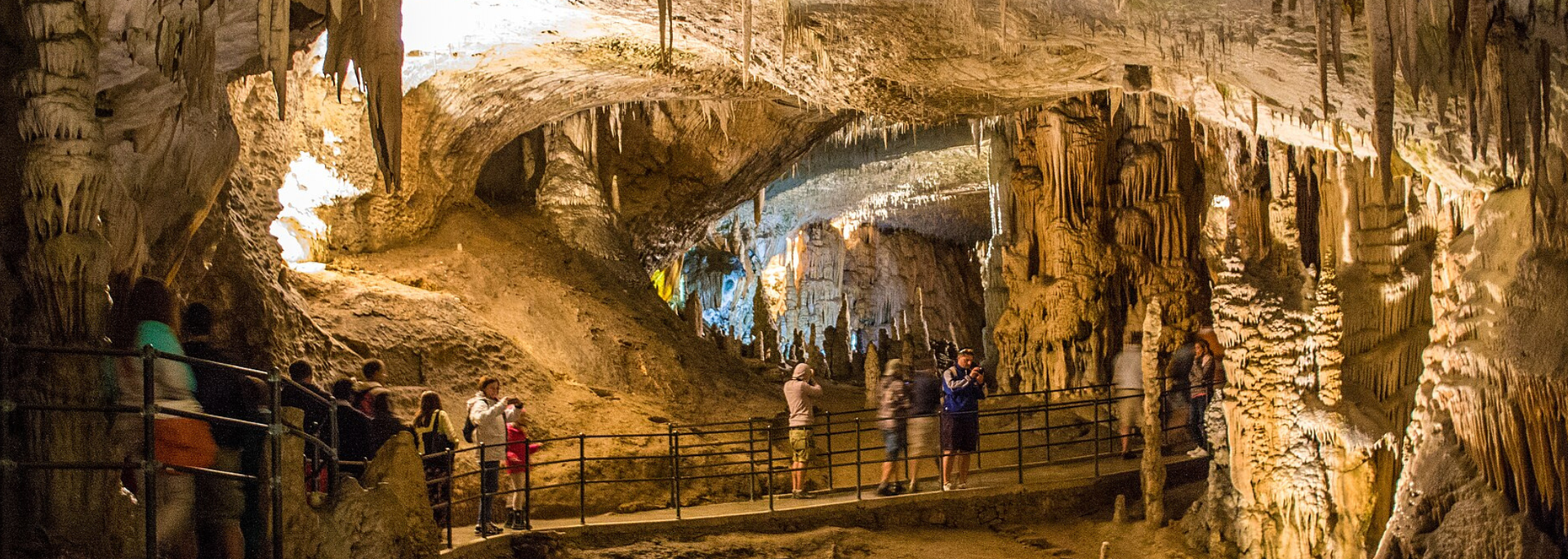
Picture of Postojna Cave.


One of Europe's most famous caves, Postojna Cave in Slovenia combines scientific importance with visitor appeal.


Stretching over 24 kilometres, this cave system includes huge chambers and limestone galleries, as well as underground rail tours and rare cave wildlife. That includes the olm, an unusual and highly resilient cave-dwelling amphibian sometimes called the "baby dragon" or "human fish".


Olms can survive for up to 12 years without food and can live for up to a century. Wow!


Sistema del Alto Tejuelo

Northern Spain is home to some of Europe's most complex cave systems, and Sistema del Alto Tejuelo in the Cantabrian Mountains is among the largest.


This vast limestone network extends for more than 100 kilometres, with deep shafts, underground rivers and complex passages.


Hölloch Cave


 Picture of Hölloch Cave.


Hölloch Cave in Muotathal, Switzerland, is one of the world's most famous cave systems.


Its name translates roughly to "Hell Hole", although the cave itself is more fascinating than frightening.


Stretching over 200 kilometres and reaching depths of more than a kilometre, it is considered one of Switzerland's greatest geological wonders.


Aggtelek Karst Cave System


Picture of Aggtelek Karst Cave System.


The Caves of Aggtelek Karst and Slovak Karst, a UNESCO World Heritage site since 1995, consist of over a million caves along the Hungarian-Slovak border. Their underground passages are known for their dramatic stalactites and large limestone chambers.


Some of those chambers are so acoustically impressive that concerts have even been held underground.


Krubera Cave

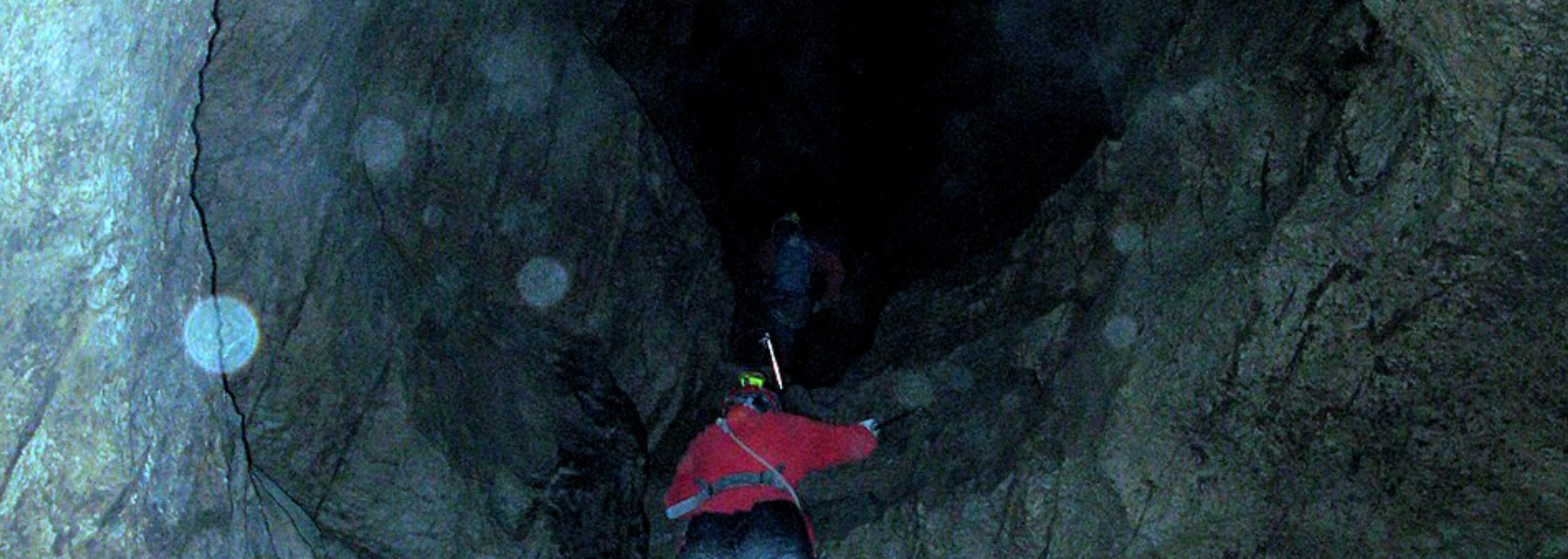
Krubera Cave, also known as "Voronya Cave" or "Cave of the Crow", is a famous, ultra-deep limestone cave system. You'll find it in the Arabika Massif of the Western Caucasus in Abkhazia, Georgia.


Krubera is one of only two known caves on Earth that reach depths of more than 2,000 metres, making it one of the most challenging cave systems ever explored.


This is no mere tourist attraction – it's a site of serious scientific exploration.


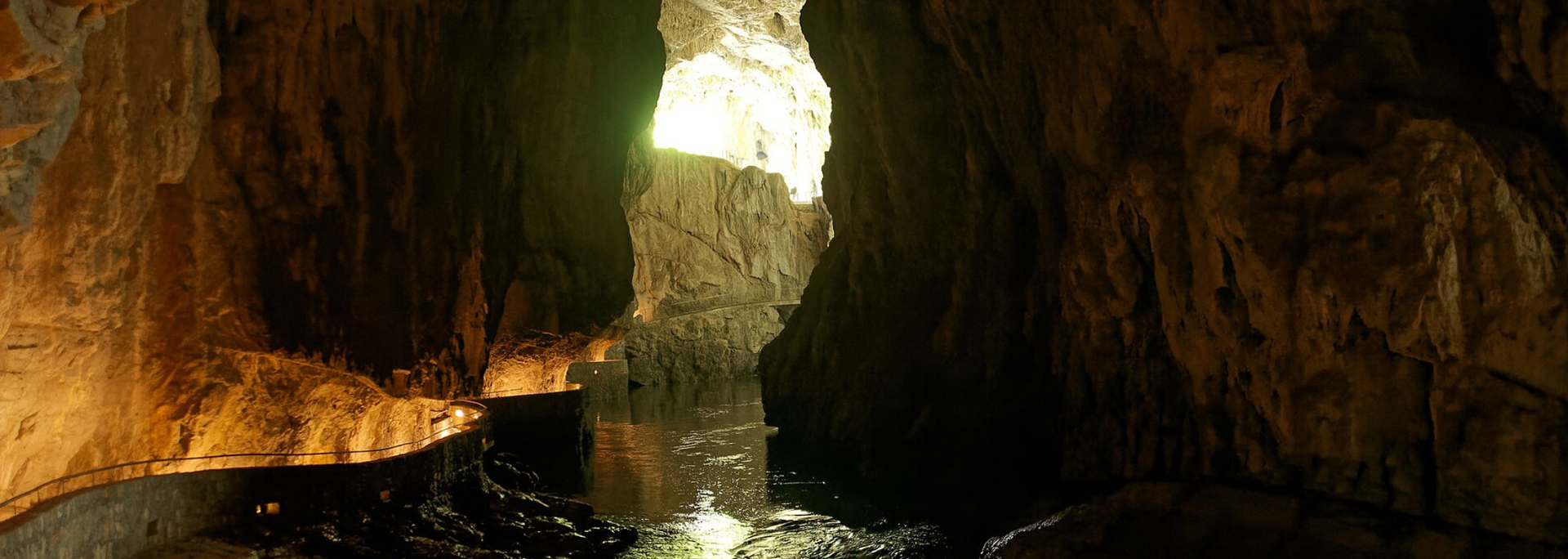
Škocjan Caves


Picture of  Škocjan Caves.


Another Slovenian wonder, the Škocjan Caves are famous for their enormous underground canyon.


It truly is one of Europe's most visually spectacular cave environments. Within, visitors can find underground rivers, suspension bridges, vast chambers and dramatic limestone formations.


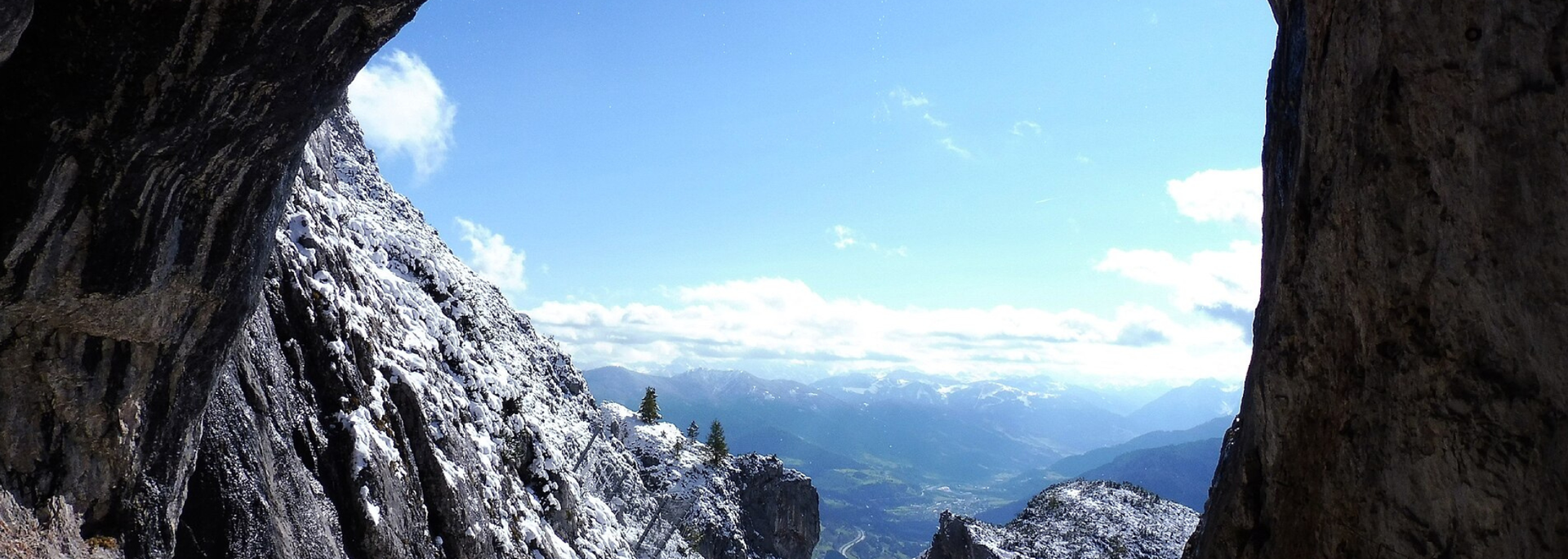
Eisriesenwelt


Picture of Eisriesenwelt.


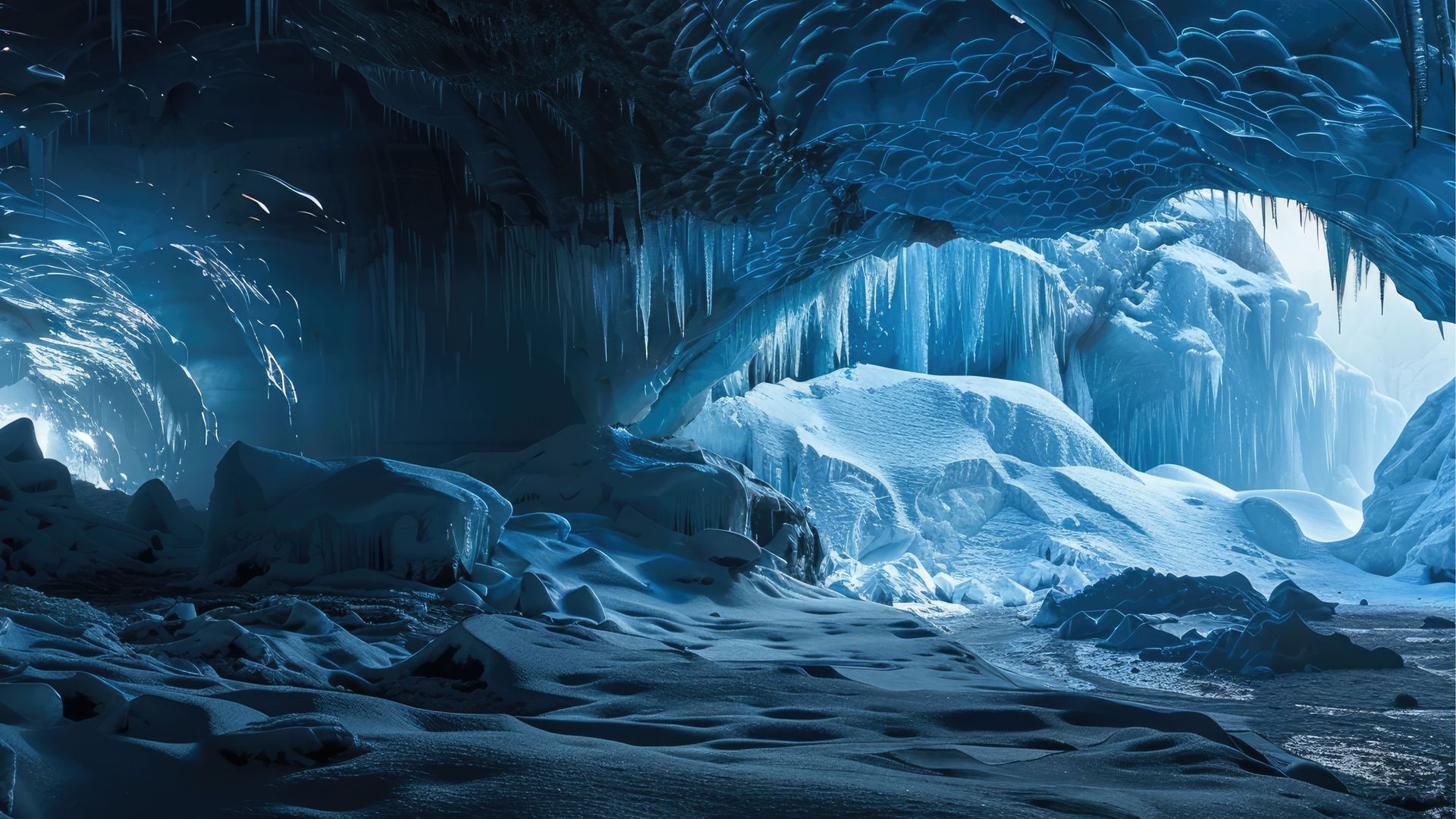
Known as the "World of the Ice Giants", Eisriesenwelt in Werfen, Austria, is one of the world's largest ice caves.


Its frozen passages feature walls of ice, frozen waterfalls and mesmerising ice sculptures created by nature.


Although quite different from classic limestone caves, its scale and beauty make it truly unforgettable.


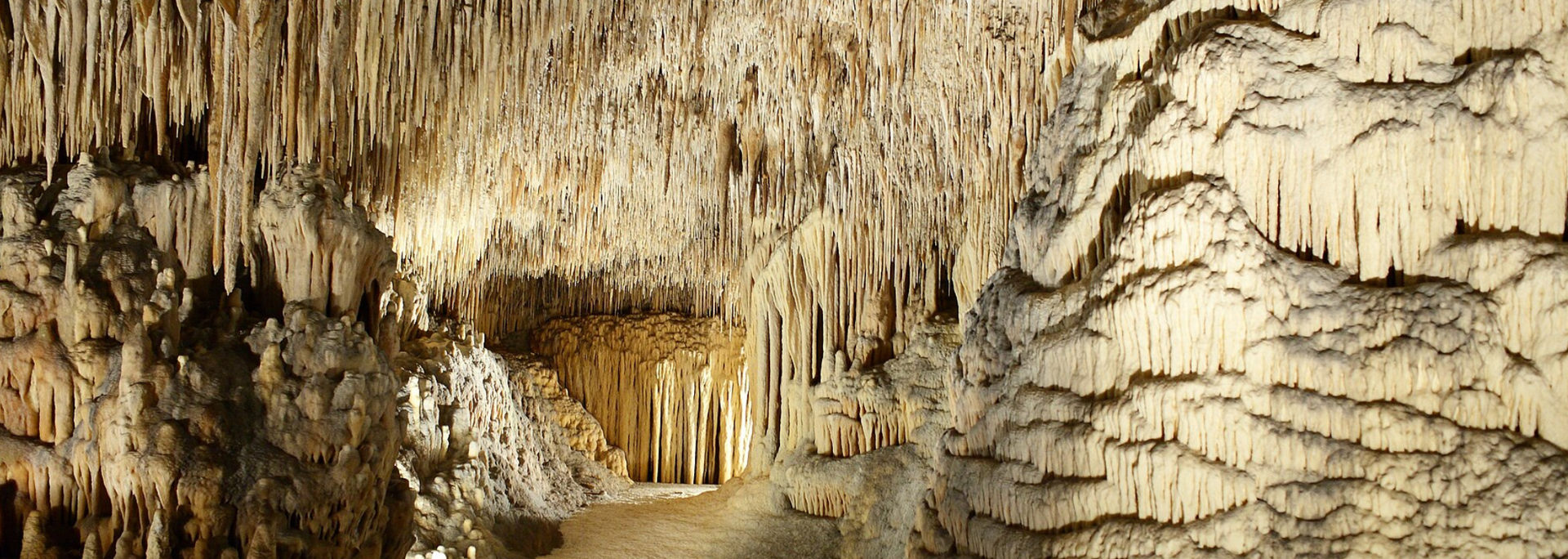
Cuevas del Drach


Picture of  Cuevas del Drach.


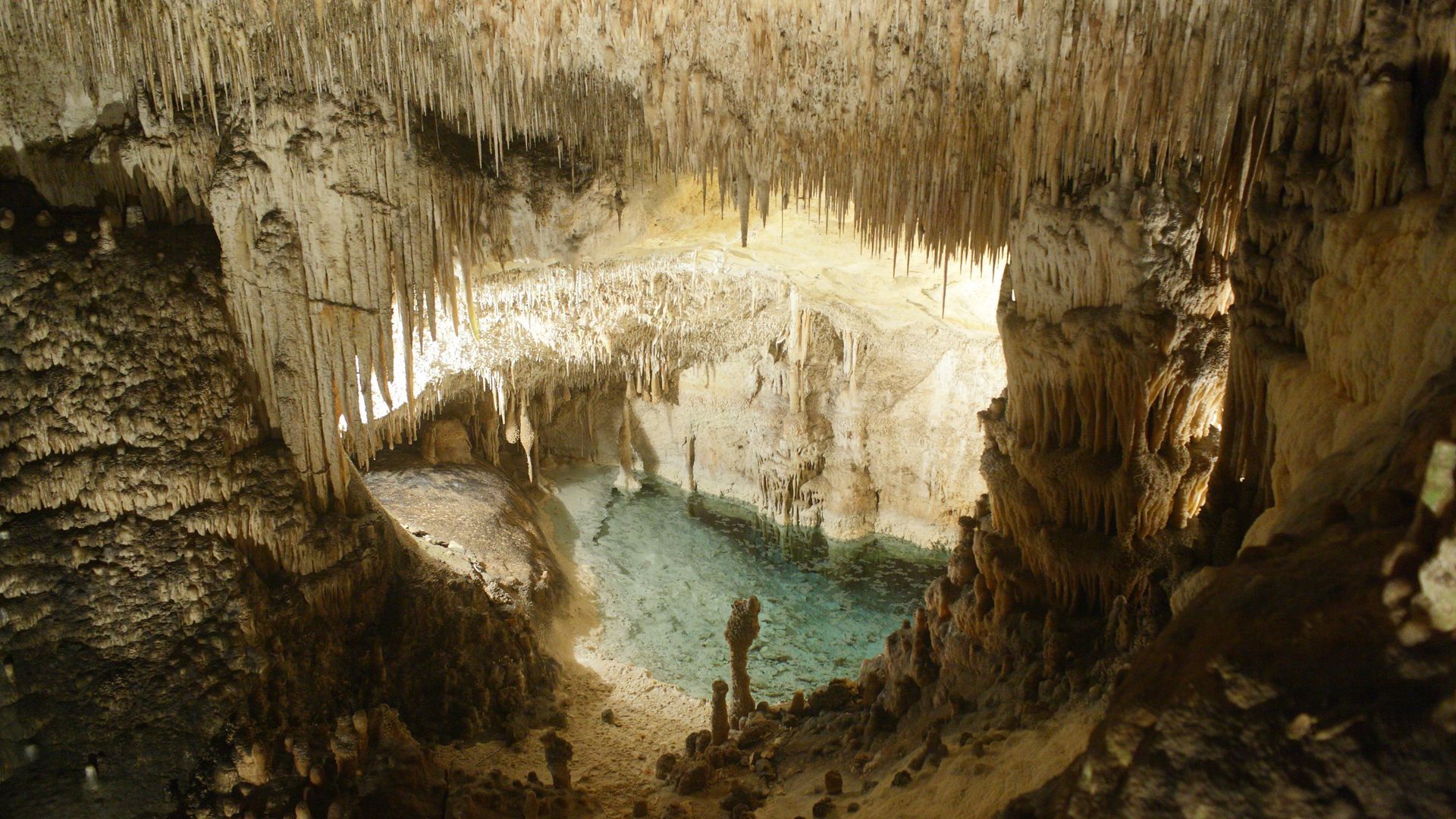
Located beneath Mallorca, Cuevas del Drach combines natural beauty with underground drama.


Its highlights include echoing chambers, limestone formations and a beautiful underground lake.


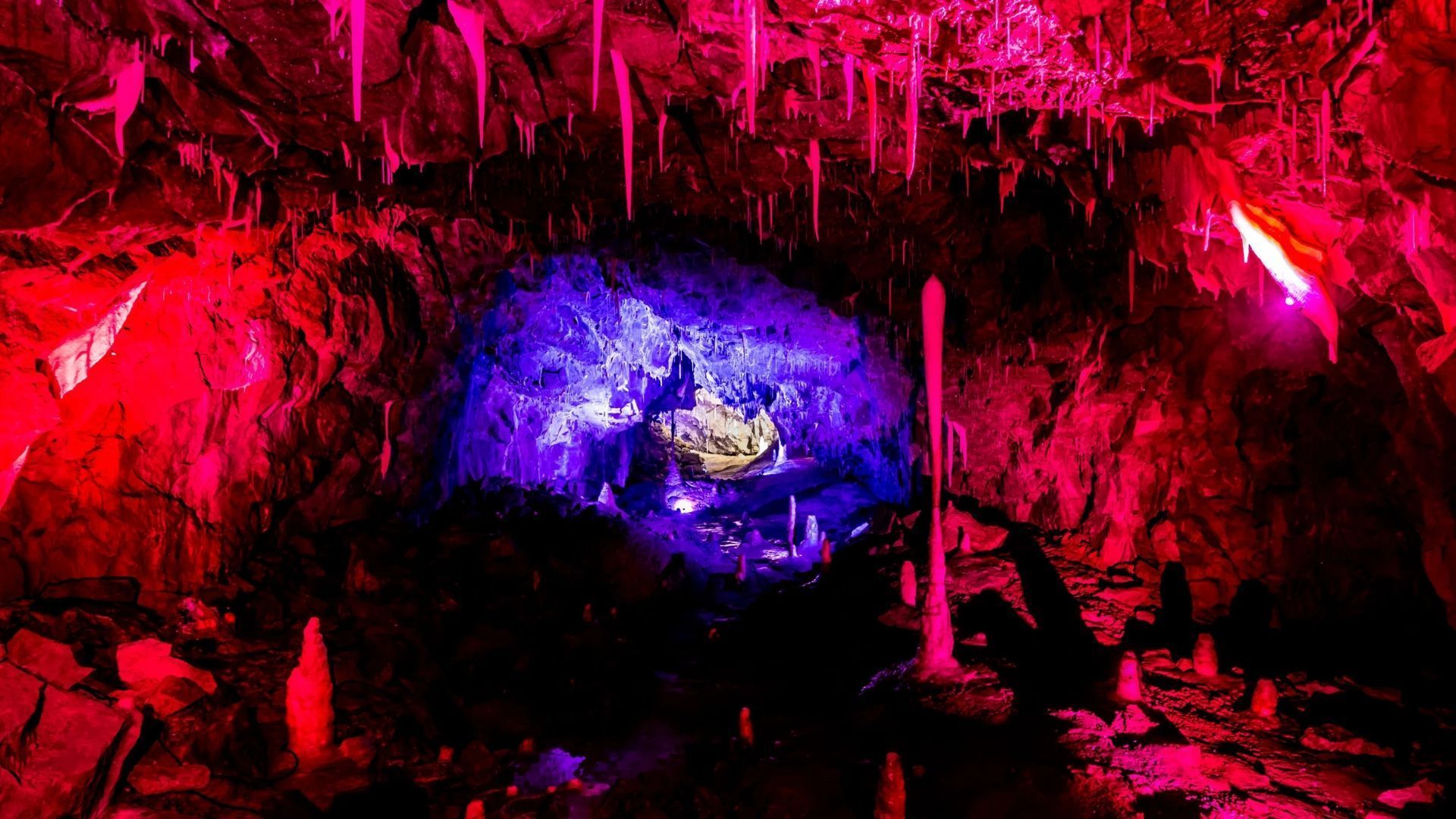
And an honourable mention – Stump Cross Caverns


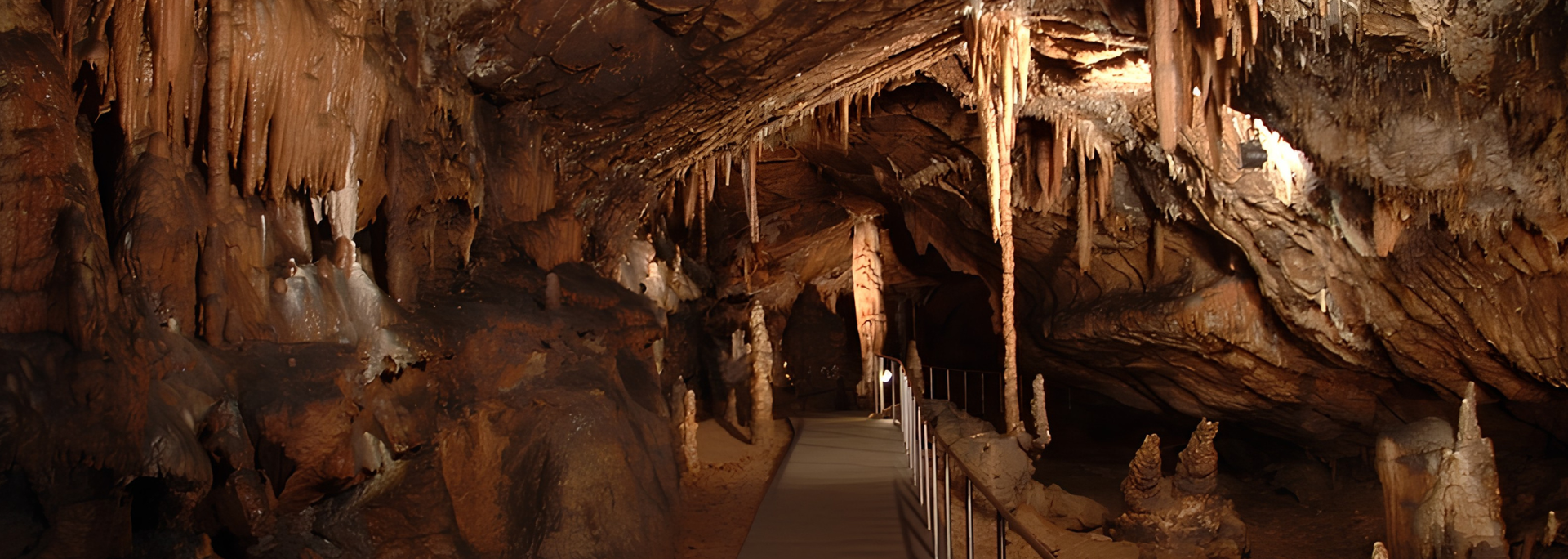
Picture of our caves.

While we may not be among Europe's longest cave systems, here at Stump Cross Caverns, we offer something just as special.


Located beneath the Yorkshire Dales, Stump Cross gives families and explorers the chance to experience real limestone cave formations with no specialist equipment or training.


Inside, you'll discover ancient limestone passages, stalactites and stalagmites, and illuminated mineral formations created over hundreds of thousands of years. 


Sometimes the most memorable cave experiences aren't the deepest or longest. They're the ones that let you truly connect with the underground world.


Why are mainland Europe's caves so large?

Many of Europe's biggest caves formed in limestone or gypsum.


These rock types dissolve slowly when exposed to slightly acidic rainwater and groundwater.


Over millions of years, this process creates tunnels, underground rivers, sinkholes, chambers and mineral formations.


This process is known as "karst formation", and it's responsible for many of Europe's most spectacular underground landscapes.


Why caves still matter today

Caves aren't just tourist attractions.


They help scientists understand climate history and geological change, underground ecosystems and even prehistoric human life. This is because caves can preserve fossils, mineral records and even ancient evidence of human activity that survives nowhere else.


Want to try your hand at caving in North Yorkshire? At Stump Cross Caverns, we make cave exploration accessible for everyone – no special equipment or training required. It's quick and easy to book your tickets online.


Share this article

Recent Posts

Could you be the one to make the next HUGE fossil discovery at Stump Cross Caverns? Join us
by Simon Edward 22 May 2026
Could you be the one to make the next HUGE fossil discovery at Stump Cross Caverns? Join our Ice Age Dig for a once-in-a-lifetime opportunity.
What happened before the Stone Age? Find out about Earth's earliest history, prehistoric life
by Oliver Pyper 22 May 2026
What happened before the Stone Age? Find out about Earth's earliest history, prehistoric life and the world before humans.
Discover the best glamping experiences in the Yorkshire Dales, plus local attractions,
by Simon Edward 18 May 2026
Discover the best glamping experiences in the Yorkshire Dales, plus local attractions, packing advice and tips for family-friendly adventures.
What you've heard is true: birds really are dinosaurs.
by Oliver Pyper 15 May 2026
What you've heard is true: birds really are dinosaurs. Explore this fascinating evolutionary story with us.
The Ice Age saw the last of many giant beasts – so how did early humans survive?
by Oliver Pyper 11 May 2026
The Ice Age saw the last of many giant beasts – so how did early humans survive? Discover how clothing, shelter and diet played a part.
Looking for something to do in Yorkshire on 25 May? Explore 6 spring bank holiday events
by Simon Edward 8 May 2026
Looking for something to do in Yorkshire on 25 May? Explore 6 spring bank holiday events and experiences.
Person in a hard hat inspects stalactites and stalagmites in a cave, lit with purple and amber lights.
28 February 2026
Here at Stump Cross Caverns, we're proud that our caves have contributed to the sum of scientific knowledge. Here are 4 fascinating examples.
Stone ruins of a village overtaken by greenery, nestled in a valley with a cloudy sky.
27 February 2026
There are around 3,000 deserted villages in the UK. Explore 5 incredible examples in Yorkshire and nearby.
Man with briefcase overlooking valley at night, glowing watch, lit village below, full moon.
23 February 2026
What skills and tools would you need to survive as a Stone Age person? Take a trip in our time machine and find out…
Show More