
Geoff Workman: what newspapers said about the "last caveman"
Who was Geoff Workman – and why is he important to cave science? Find out through newspaper cuttings from the early 1960s.

The story of Stump Cross Caverns is filled with colourful characters, from the Newbould brothers to Christopher Long.
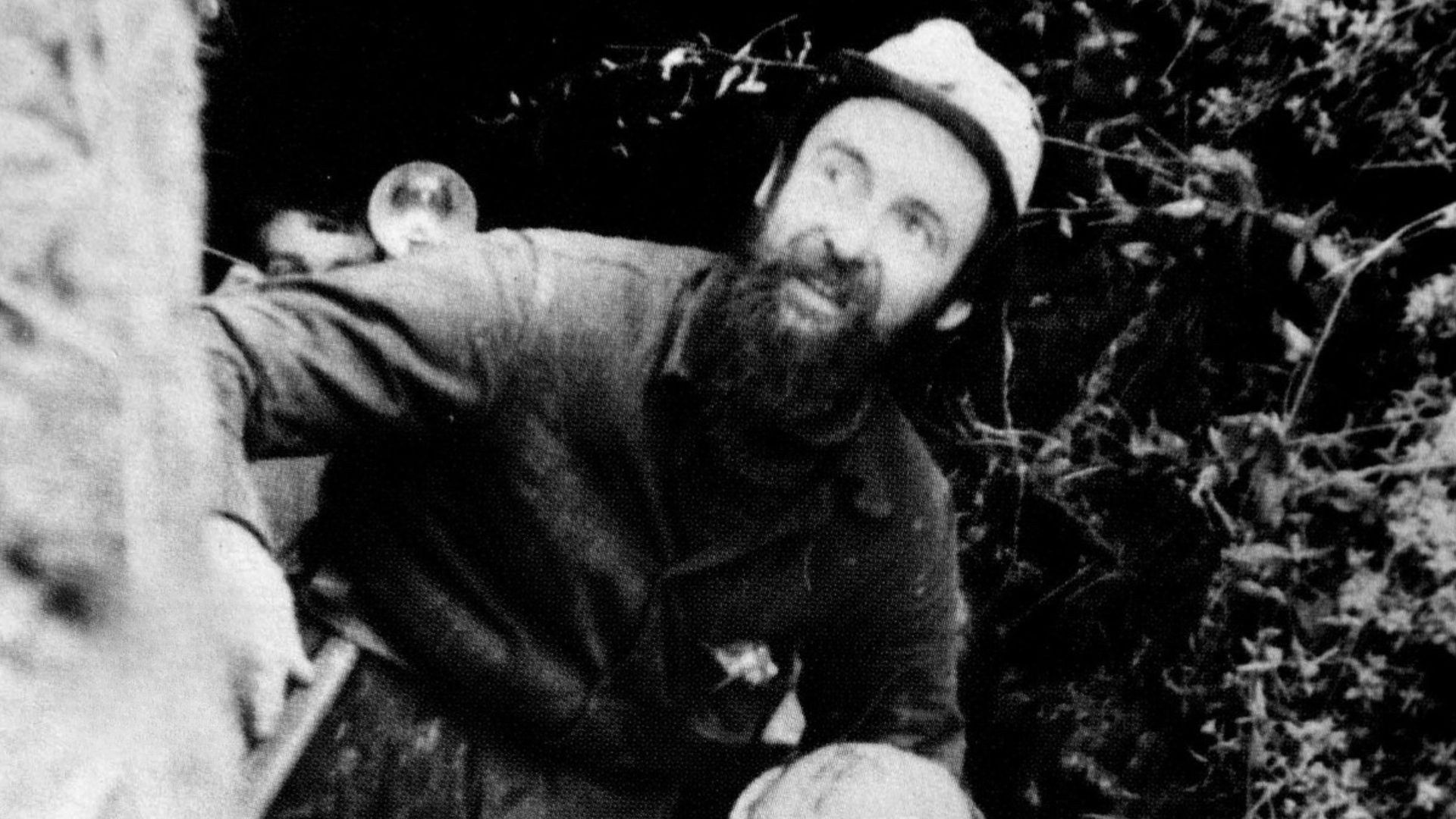
One of the most important figures is undeniably Geoff Workman: scientist, caver and bona fide Stump Cross legend.
Geoff was a key member of the Craven Pothole Club – a team of local cavers who are still active to this day. In fact, they're currently hard at work excavating a new chamber here at Stump Cross Caverns.
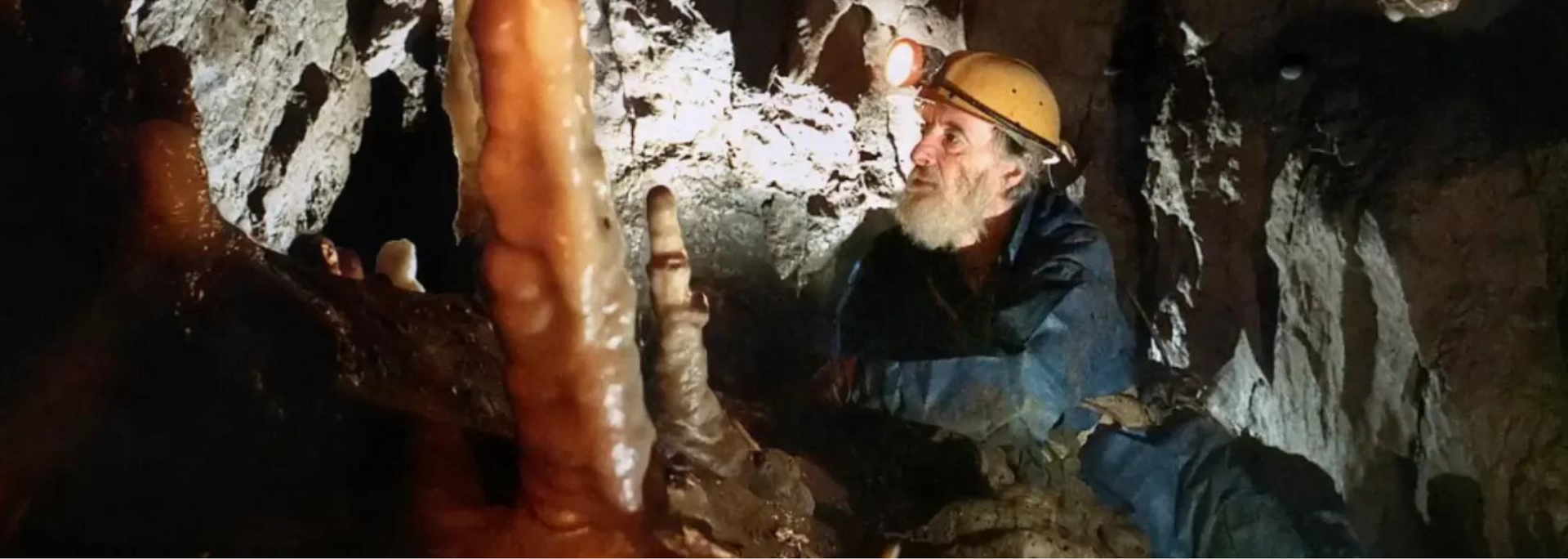
Geoff's love for all things speleological (that's "cave science" to the rest of us) led him to explore caves right up to the end of his life.
And early in life, it led him to break a bizarre and impressive world record: the amount of time spent underground in isolation.
Yes, Geoff headed down into Stump Cross Caverns in the summer of 1963, aged 34. He emerged 105 days later, winner of a new world record and over three months behind the news cycle.
So, why did he do it – and what did he learn? To answer that question, let's take a look at some press clippings from the time.
Why?
When told about a man in his thirties spending 105 days in total isolation underground, your first question will almost certainly be "Why?"
For Geoff, there was a combination of motives. The newspapers reported two reasons: "to win a record for Britain and to gain the valuable knowledge of how lone people could survive underground if they had to shelter there in a war".
This was a matter of months after the Cuban Missile Crisis, when the world came close to a nuclear catastrophe. The threat of devastating war and the need for survival strategies were on everyone's minds. At the time, the UK government was building thousands of fallout shelters.
When he emerged from his underground stay, Geoff added a couple more reasons: "I wanted," he said, "to measure the effects on mind and body of 2,400 hours… alone below ground."

On top of this, he wanted "to carry out geological topography and photographic surveys of the two-mile system of caverns".
This mixture of patriotism and pragmatism was typical of Geoff. Wanting a win for Britain at a time of international tensions, he assembled an extensive equipment list and headed into the caves.
His inventory, the newspapers reported, included "Ten hundredweight [around 500 kg] of stores and equipment, caving tackle, surveying equipment, camping gear, electric lighting, dry batteries, camera, paraffin stove and nearly 100 other items".
And, of course, he took plenty of food – "just over half a million calories" in plastic containers.
Geoff lived alone in this way for 105 days. However, he kept in touch with Mr Gill – then-owner of Stump Cross Caverns – via a specially installed field telephone.
How did he spend his time?
Geoff's way of coping with the cold and damp was to keep himself busy. So busy, in fact, that he said: "I might just as well be working in an office."
This was because he spent all of his time on "camp chores, medical and geological tests and filling in [his] log".
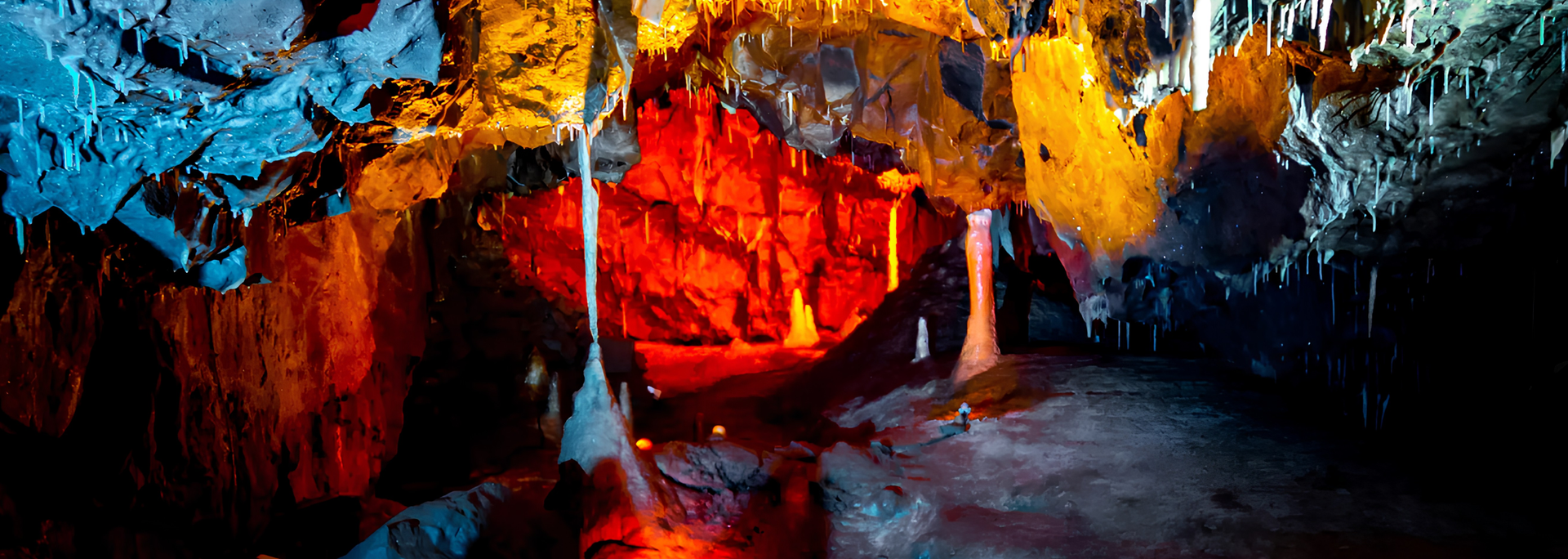
As time went on, these research activities included photographing stalactites and stalagmites and "working out a new theory on the cave layout and the water flow in the caverns" – valuable contributions to our knowledge of the caverns.
At first, he reported that he was sleeping better – around 10 hours a night. He put this down to "life without telly, conversation or noise… the greatest ever cure for insomnia".
He soon lost track of time, however, and got up later and later in the day. On day 26, he reported that he was "as fit as a fiddle" and was sure that he would "go the full distance".
"I am not ticking the days off," he said. "That might make time drag too much."

To round off his busy schedule, he also periodically chatted to a psychiatrist on the phone and did a crossword puzzle every day.
On day 100, shortly before completing his adventure, Geoff said: "I have missed a lot. I have come to terms with being a prisoner of my own will, but I have proved myself."
Jessie Workman
On 26 May 1963, the Daily Mirror ran the headline: "The 100 Day Ordeal of Jessie Workman…" Geoff, you see, had left his wife Jessie above ground.
She told the paper: "I first saw Geoff on television after he had stayed down Gaping Ghyll in Yorkshire for a fortnight. I thought what a daft way it was for someone to spend a summer holiday. But I never imagined I would marry the man."
Geoff was quick to court and marry Jessie. She said: "He whizzed me off before I had time to change my mind. He had to – I was engaged to someone else at the time."
We don't know how much of an ordeal her separation from Geoff was. Nevertheless, it was Jessie who crawled down into the caves to meet Geoff after 103 days.
Leaving the caves
After 105 days – 43 days longer than the previous record – Geoff emerged from the caves to a "hero's welcome from 400 people":
"As potholing friends carried him out shoulder-high, he wisecracked, 'All I need now is a haircut, a bath and a good steak.'"
Geoff's adventure is inspirational for a number of reasons. It's not only a testament to human endurance – it's also a testament to scientific curiosity.
Geoff, it seems, didn't waste a single second of those 105 days in the caves. And in doing so, he added to the sum of our knowledge about Stump Cross Caverns. We're still applying this knowledge to this day as we dig out C Chamber and start our next chapter.
Geoff Workman, we salute you!
Stump Cross Caverns is an ancient underground cave system in the Yorkshire Dales. Learn more about us and our 300-million-year history.