Geode identification chart: what crystals have you found?
Start learning the basics of identifying geodes and their crystal formations with our beginner's guide to geode identification.

Finding a rock that looks ordinary on the outside but sparkles with crystals inside is a lot like uncovering buried treasure.
That's part of what makes geodes so fascinating. Whether you've bought an unopened geode or have been lucky enough to find one on a walk, you'll be the first to see what's inside. It's easy to see why they capture the imaginations of children and adults alike.
But when you crack one open, you'll likely have questions. We've put together this beginner's guide to geode identification to help you on your way.
What exactly have I found?
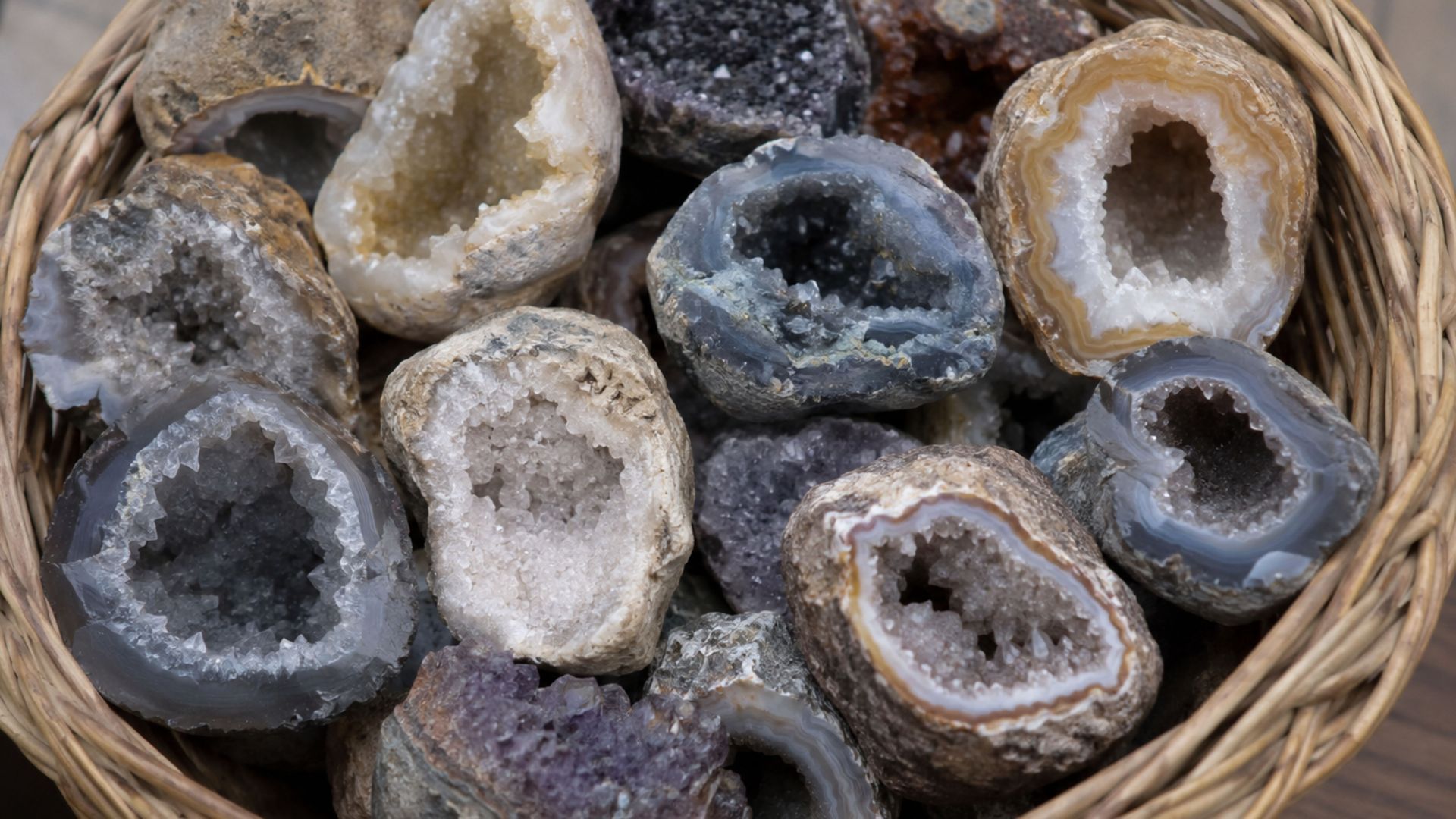
Geodes can contain a huge range of minerals, colours, crystal structures and patterns. Some are packed with quartz, while others contain bands of agate, delicate calcite crystals or even purple amethyst.
Keep reading to identify some of the most common geodes and crystal formations and understand what makes each one unique.
What is a geode?
A geode is a hollow rock that contains mineral crystals or other mineral deposits inside.
From the outside, geodes often look surprisingly plain. They might look like:
- Rounded stones
- Lumpy nodules
- Weathered rocks
- Muddy or chalky stones
But inside, they can reveal stunning crystal formations created over thousands or even millions of years.
Geodes usually form when a hollow space develops within rock or sediment, then mineral-rich water enters that space. Over time, those minerals slowly crystallise. Eventually, the inside of the cavity becomes lined with crystals.
Where are geodes found?
Geodes can form in many geological environments, including:
- Volcanic rock
- Sedimentary rock
- Limestone regions
- Riverbeds and dry landscapes
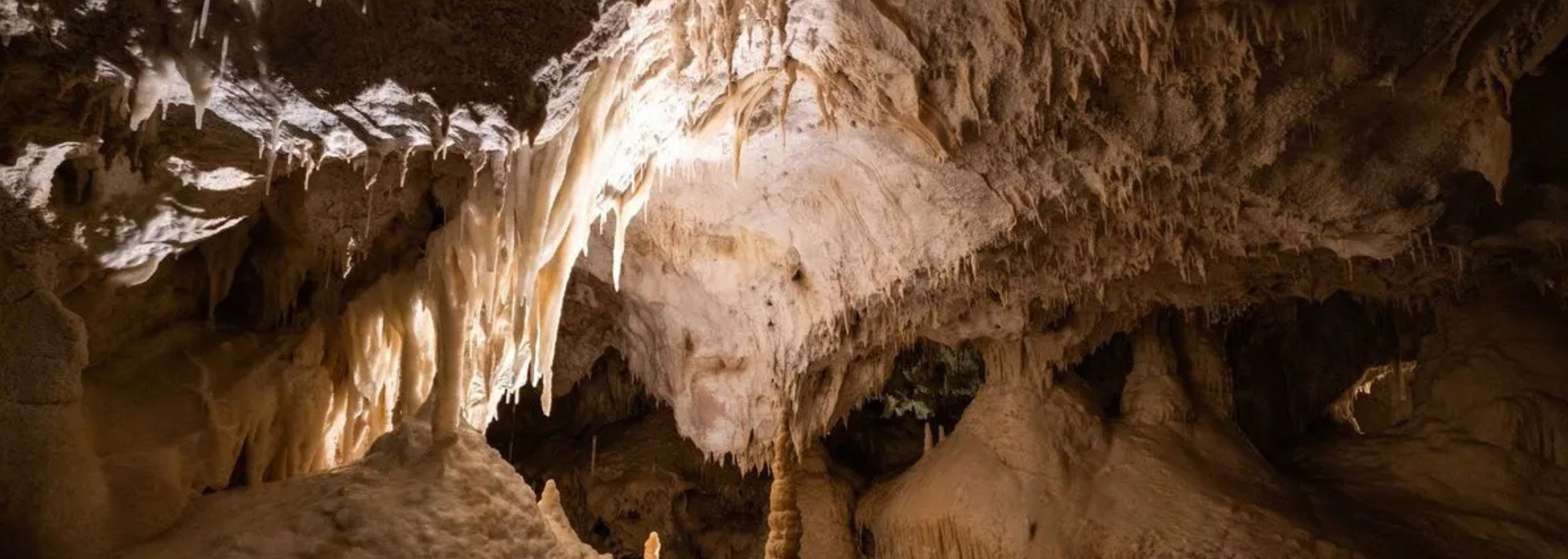
Crystal formations can also be found inside caves, where mineral-rich water deposits material over long periods.
This is one reason cave systems like the ones here at Stump Cross Caverns are so fascinating. Visitors have the chance to see real mineral growth and crystal formation in action.
Geode identification chart
If you've found a crystal-filled rock or mineral formation, use this guide to help identify what you might be looking at.
| Crystal / Mineral | Common colours | Appearance | Where it forms |
|---|---|---|---|
| Quartz | Clear, white, smoky | Glassy points or clusters | Geodes, caves, volcanic rock |
| Amethyst | Purple | Sharp crystal points | Volcanic geodes |
| Calcite | White, amber, honey | Soft-edged crystals | Limestone caves |
| Agate | Mixed colours | Smooth bands or layers | Geodes, nodules |
| Celestite | Pale blue | Delicate sparkling crystals | Sedimentary geodes |
| Pyrite | Metallic gold | Cubic metallic crystals | Sedimentary deposits |
This is just a starting point – some geodes contain multiple minerals at once!
Let's go into a little more detail…
Quartz geodes
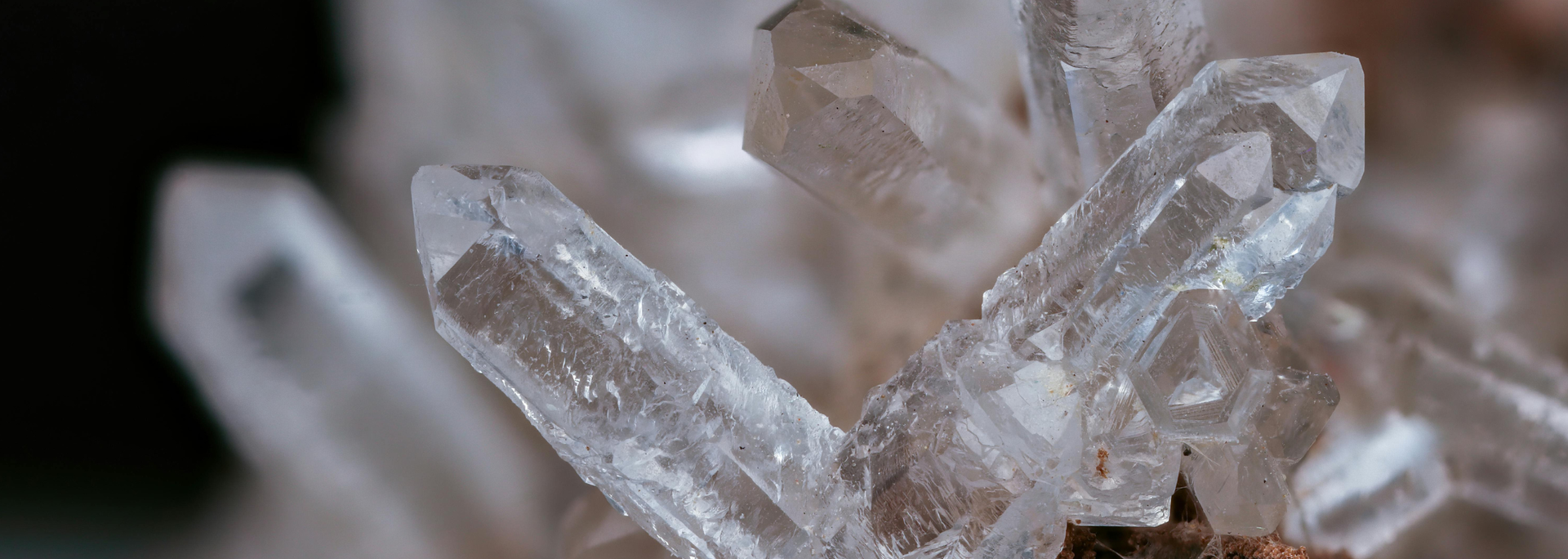
Quartz is one of the most common minerals found inside geodes.
The crystals usually appear milky white and glassy-looking with sharp tips.
Quartz is made of silicon dioxide and forms when mineral-rich fluids cool slowly over time.
If your geode sparkles with transparent or white crystals, chances are you're looking at quartz.
Amethyst geodes

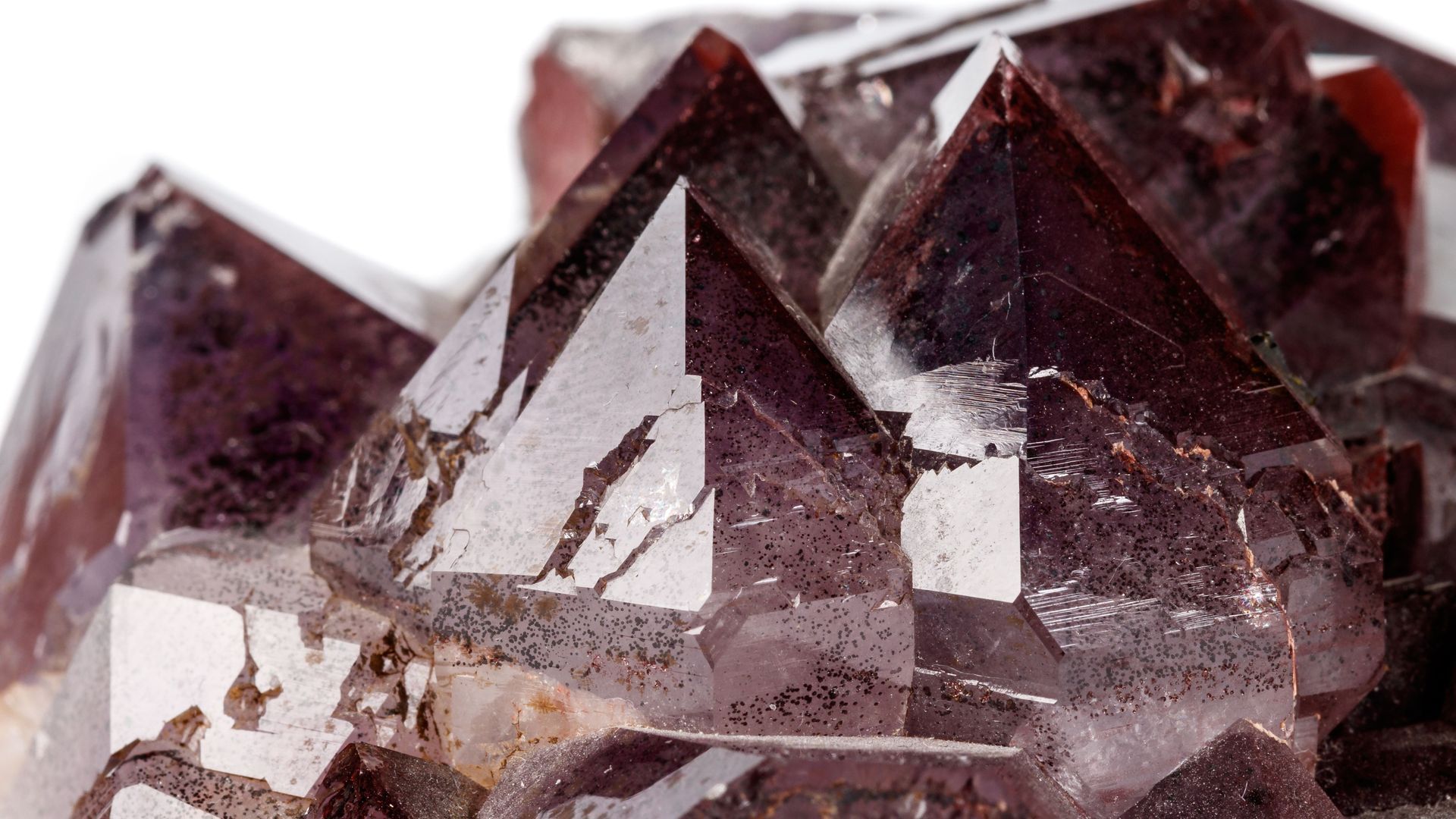
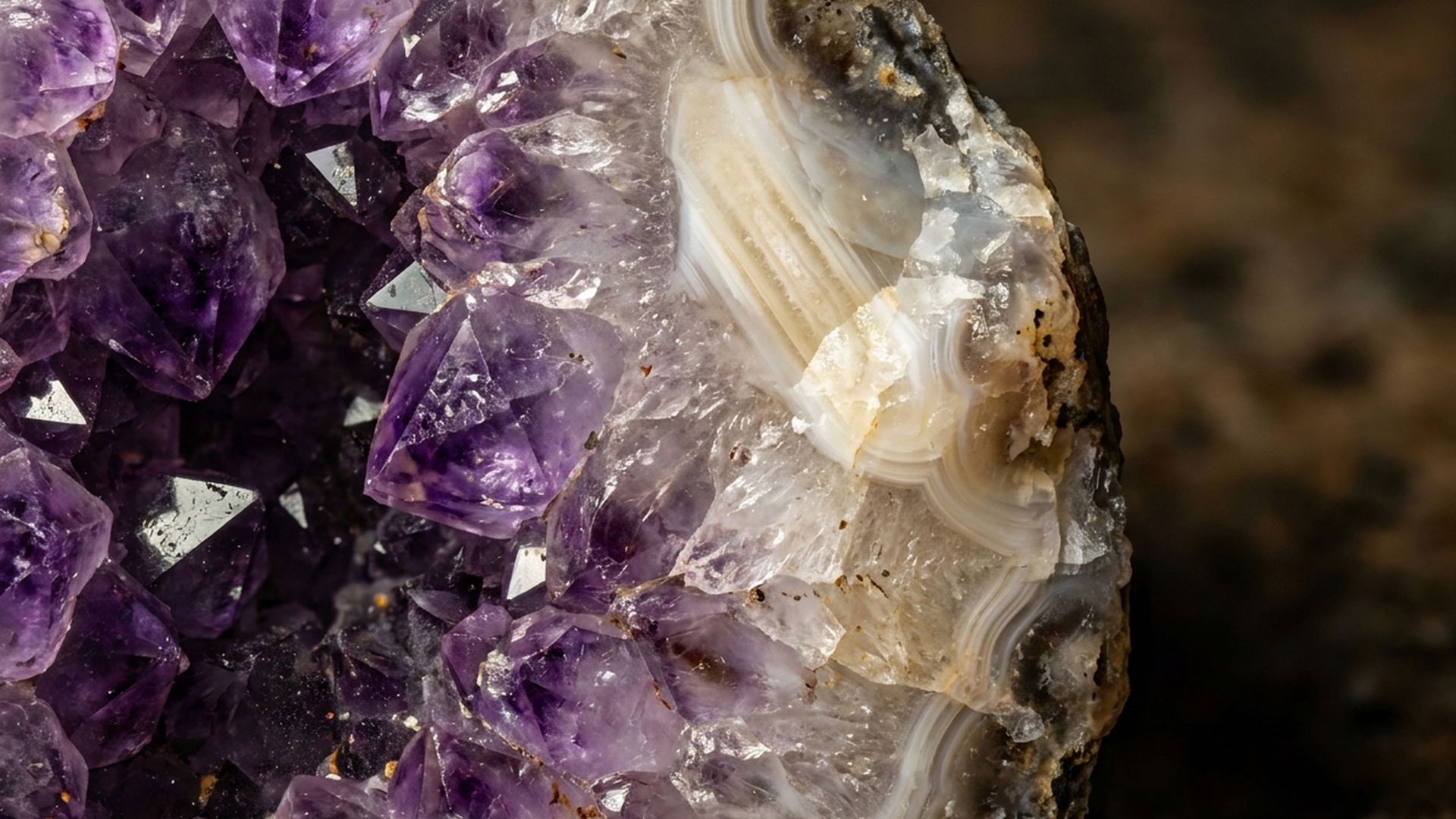
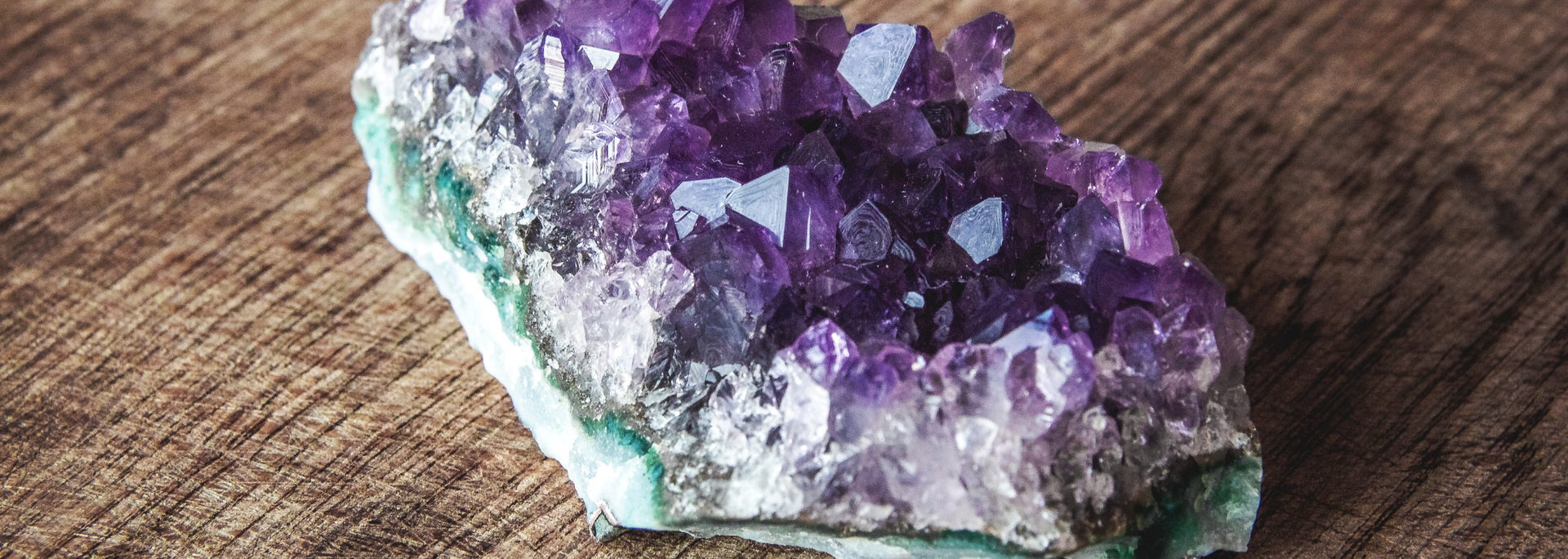
Amethyst is a purple variety of quartz and one of the most recognisable geode minerals.
Amethyst crystals can range from pale lilac to shades of deep violet and rich purple. These beautiful colours come from trace amounts of iron and natural radiation over long periods.
Because of their colour and symmetry, amethyst geodes are highly sought after by collectors.
Calcite formations
Calcite is especially common in limestone environments.
It often appears as honey- or creamy-coloured clusters of crystals that look more rounded, or "soft".
When you visit Stump Cross Caverns, you can see beautiful examples of calcite mineral growth in natural cave environments.
Agate geodes
Agate is slightly different from crystal geodes.
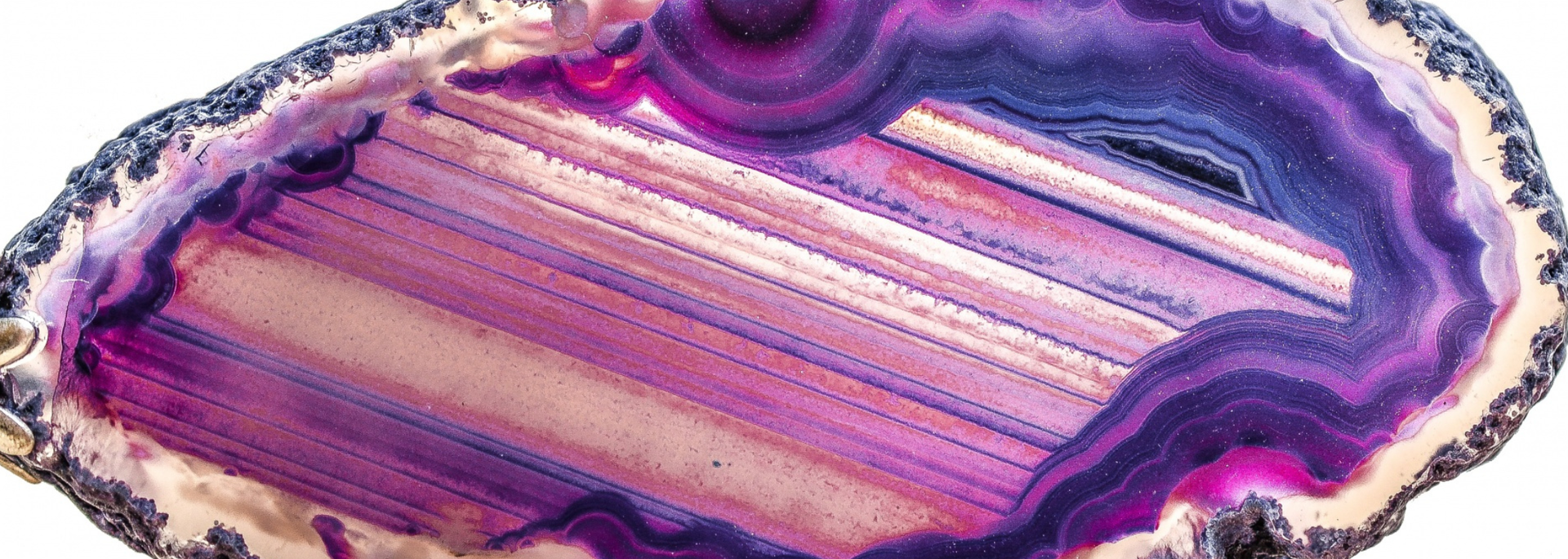
Instead of sharp crystals, agate often forms smooth layers or bands.
Agate geodes may show features like:
- Concentric rings
- Colour bands
- Layered patterns
- Smooth polished interiors
They come in a range of colours, such as white, grey, blue, brown and red. Agate forms when silica-rich fluids deposit layer after layer inside a cavity.
Celestite geodes
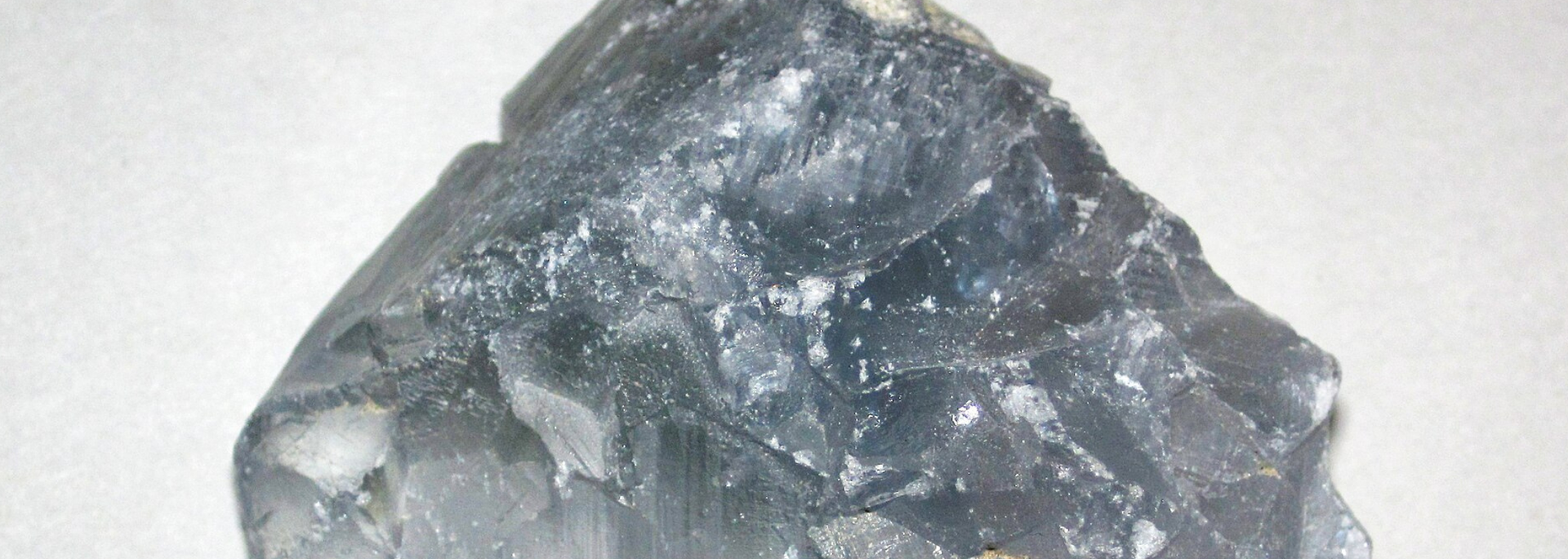
Celestite is a highly prized crystal of delicate, pale blue. These fragile formations often look glassy and almost icy.
Celestite geodes are truly stunning, but are often more fragile than quartz. The mineral's name comes from the Latin caelestis, which means "heavenly" or "celestial". Celestite geodes are sometimes known as "angel stones".
Most specimens are found in Madagascar.
Pyrite geodes
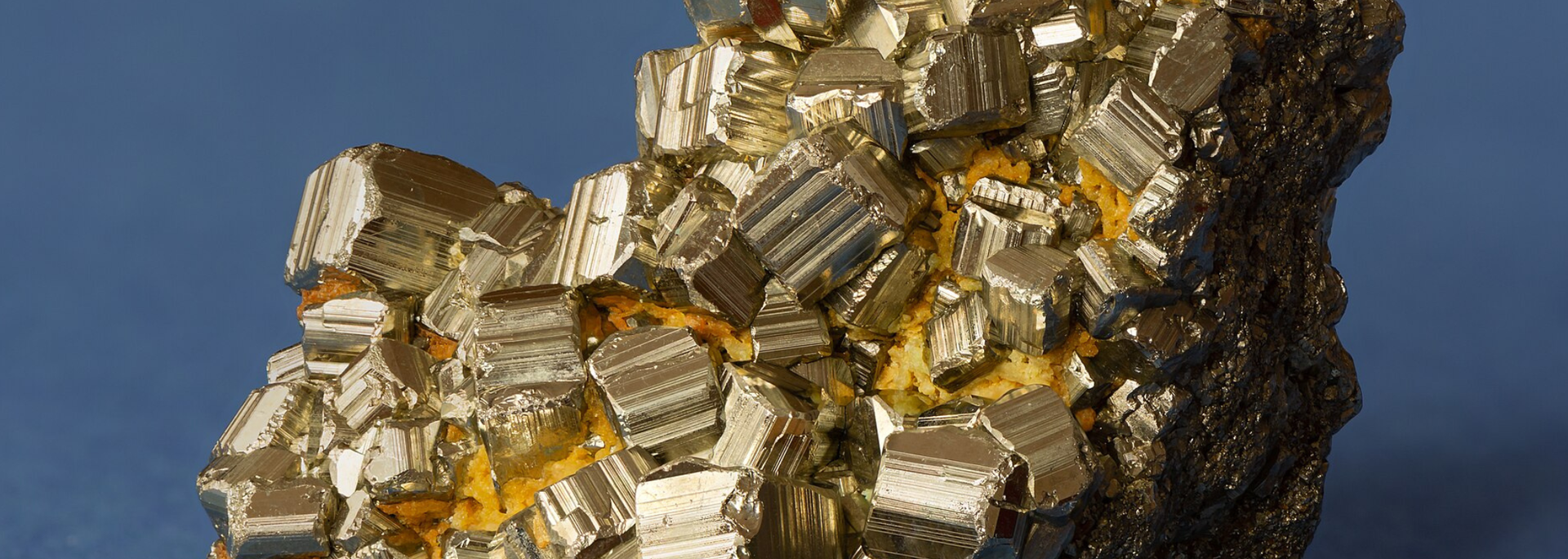
Pyrite, sometimes called "fool's gold", has a very different appearance.
Rather than glassy points, pyrite often forms metallic cubes in gold-coloured clusters. If your geode contains shiny gold crystals, you might be looking at pyrite.
How can you tell if a rock might be a geode?
There are sometimes a few clues to help you figure out whether you're holding a geode or any old rock.
- Does it have a rounded shape? Many geodes form as rounded nodules.
- Is it lighter than expected? The hollow centre of a geode can make the rock feel much lighter than it looks.
- Does it have a bumpy texture? Some geodes have rough, uneven surfaces.
- Is there a rattling sound?
Sometimes loose crystals inside create a faint sound when gently shaken.
Not every geode shows all these signs, but knowing these tell-tale clues can be helpful.
Can geodes be found in the UK?
Yes. While the UK isn't as famous for geodes as some volcanic regions, mineral collectors can still find interesting rocks and crystals in certain areas.
The UK, particularly Yorkshire, is especially rich in:
- Limestone formations
- Cave minerals
- Calcite deposits
- Fossils and sedimentary minerals
Crack your own geodes at Geode James' Geode Shack
Do you want to discover geodes without spending hours hunting the landscape? All the magic is waiting for you right here at Stump Cross Caverns.
Step into Geode James' Geode Shack and try your hand at geode cracking. You'll be the very first person in history to lay eyes on those glittering crystals. And even better – they're yours to keep!
The Geode Shack is very popular, so it's highly recommended to reserve a geode before your visit. Book online today and we'll have an uncracked geode waiting for you when you arrive.