15 fun facts about limestone
Dive into fascinating facts about limestone, from glowing minerals and fossils to caves, crystals and ancient geological history.

Limestone – you've probably heard of it. But perhaps you don't know yet just how extraordinary it really is.
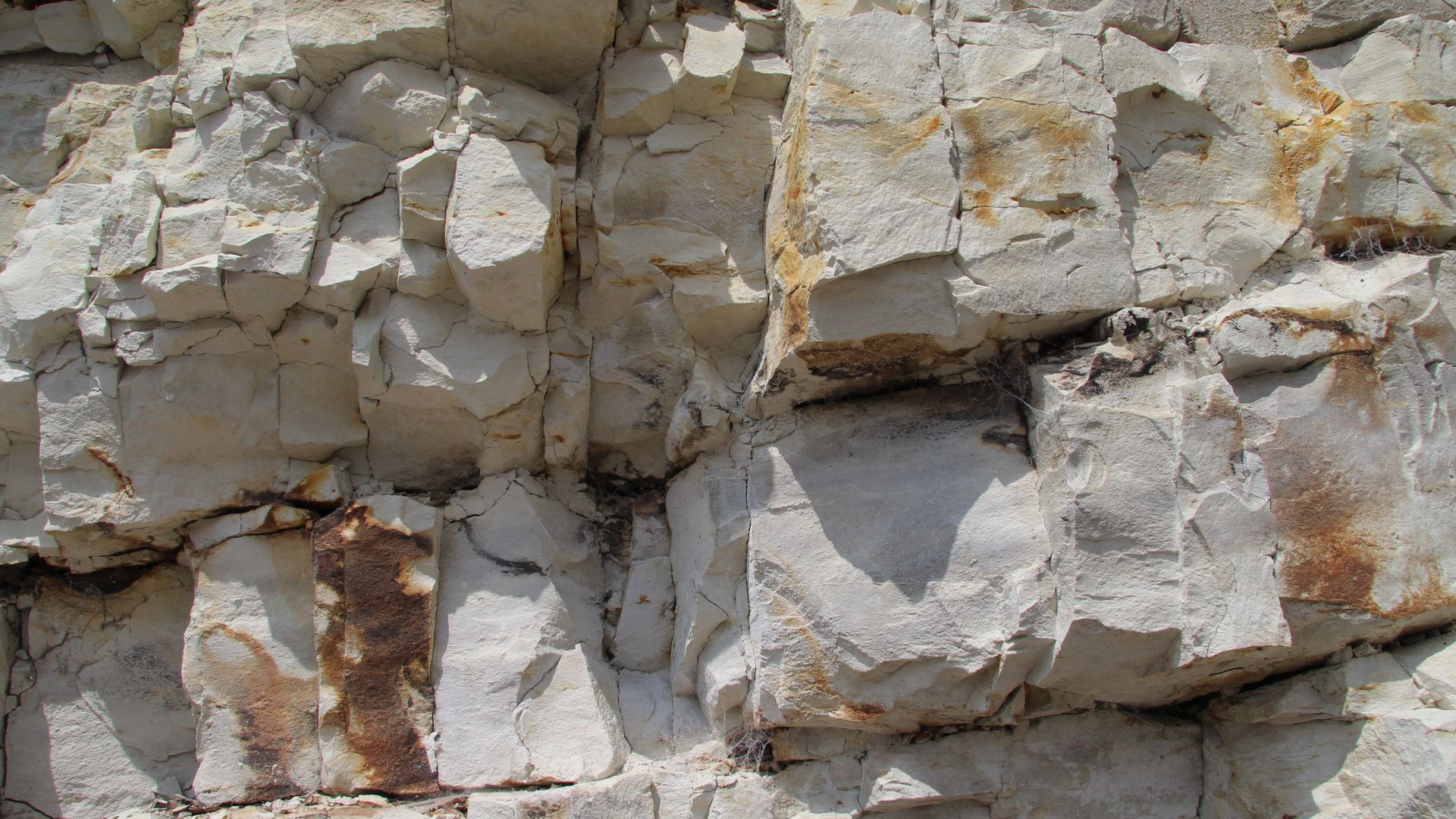
At first glance, it might seem fairly ordinary. It's often pale grey, cream or white. In many parts of Britain, it forms the rolling hills, dry stone walls and rocky landscapes that feel instantly familiar.
But limestone has a remarkable story to tell.
This common sedimentary rock has helped shape landscapes, create caves, preserve fossils, influence architecture and even record ancient oceans that existed hundreds of millions of years ago.
Here in the Yorkshire Dales, limestone has played a huge role in creating the scenery we know today. It's also the reason places like Stump Cross Caverns exist.
So, if you thought limestone was nothing special, think again. Here are 15 fascinating facts about limestone.
1. Limestone used to be part of an ancient sea
One of the most incredible things about limestone is that much of it formed underwater.
Millions of years ago, many limestone regions were covered by warm, shallow tropical seas.
Tiny marine creatures, shell fragments, coral and calcium-rich material slowly built up on the seabed. Over time, layers of sediment were compressed and hardened into the limestone we see today.
When you walk across limestone landscapes, you may actually be walking on what was once an ancient ocean floor.
2. Limestone can be full of fossils
From ancient shells and coral fragments to sea creatures and microscopic marine life, limestone often contains fossils because it forms from marine sediments.
They can be obvious on the surface of the stone or hidden deep within the rock.
3. Limestone helps create caves
Limestone dissolves slowly when rainwater becomes slightly acidic. Over thousands, often millions, of years, water seeps through cracks in the rock, gradually widening them into underground chambers and tunnels.
Without limestone, many of Europe's most spectacular cave systems would never exist.
That includes Stump Cross Caverns!
4. Limestone can grow stalactites and stalagmites

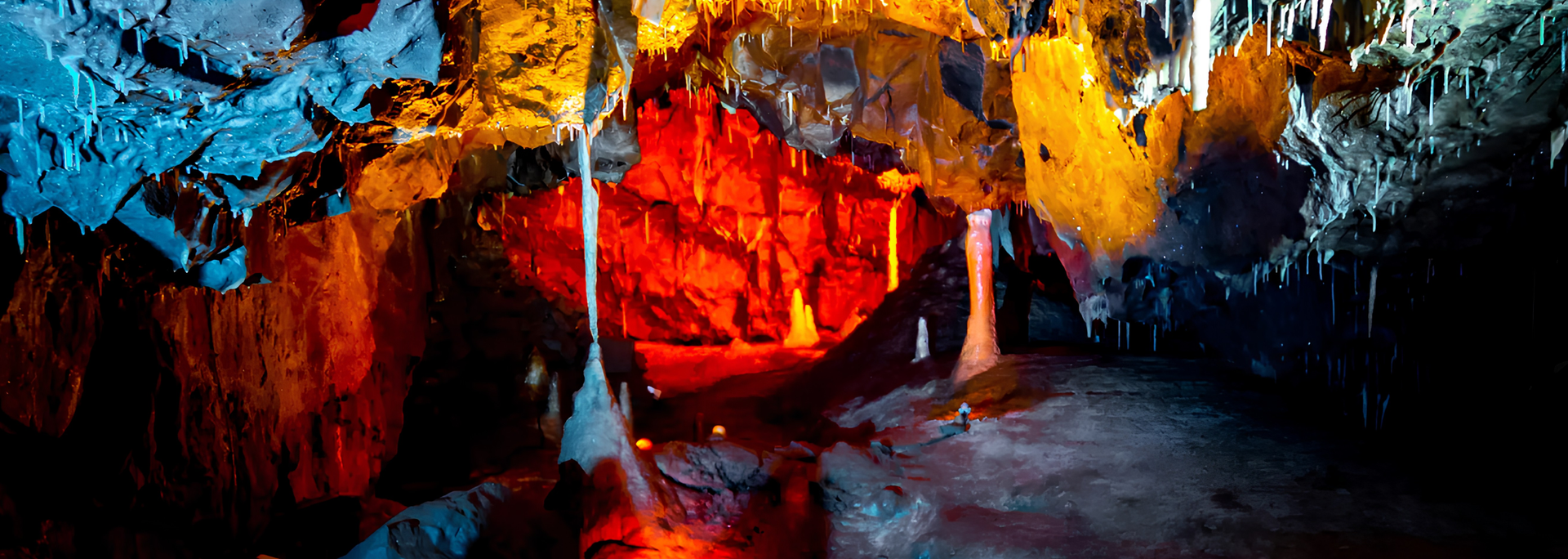
As mineral-rich water drips through limestone caves, it leaves tiny traces of calcium behind. Over time, these mineral deposits begin to grow.
Stalactites form on cave ceilings.
Stalagmites grow upward from cave floors.
Some of the formations visible in caves today may have taken tens of thousands of years to form, millimetre by millimetre.
5. Limestone can glow under ultraviolet light
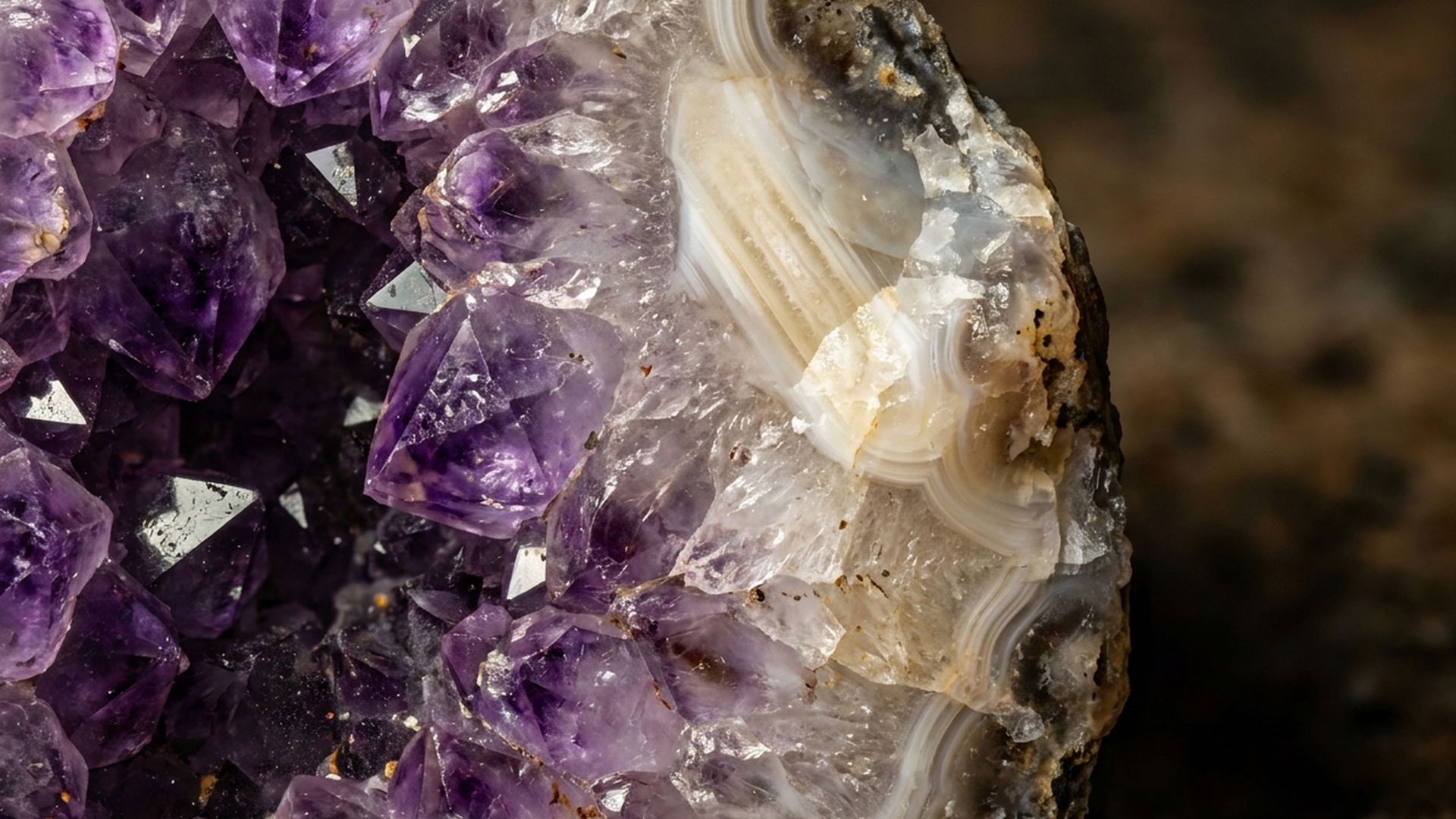
Some limestone minerals fluoresce under ultraviolet light, glowing blue, purple or green.
This happens because certain minerals react to UV energy in unique ways. You can see the stone glow right here at Stump Cross Caverns by taking our UV cave tour. You'll get a special UV torch, which you can shine on the rocks and watch that magical glow in action.
6. Limestone shapes entire landscapes
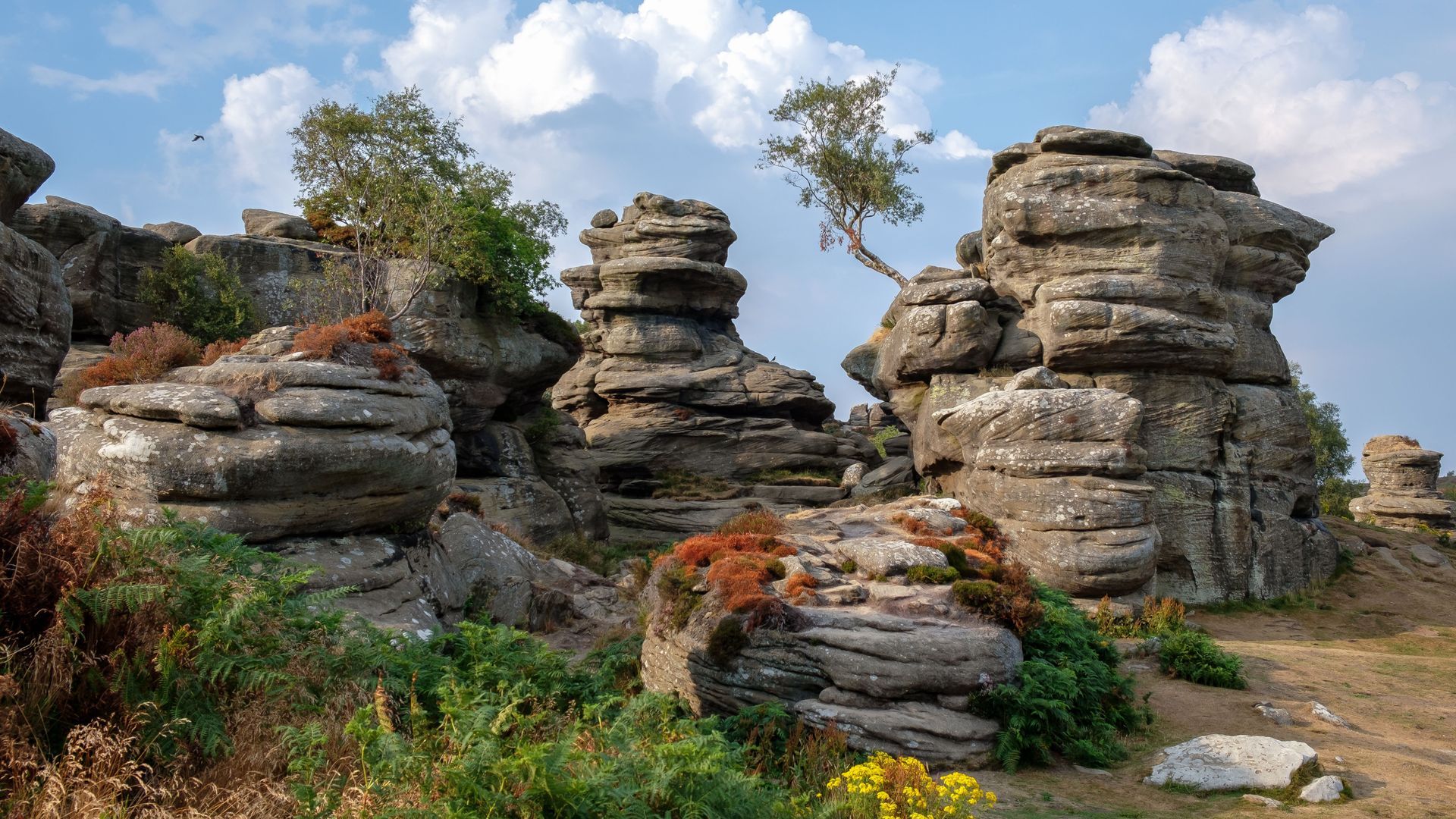
Limestone doesn't just create caves – it shapes entire landscapes above ground, too.
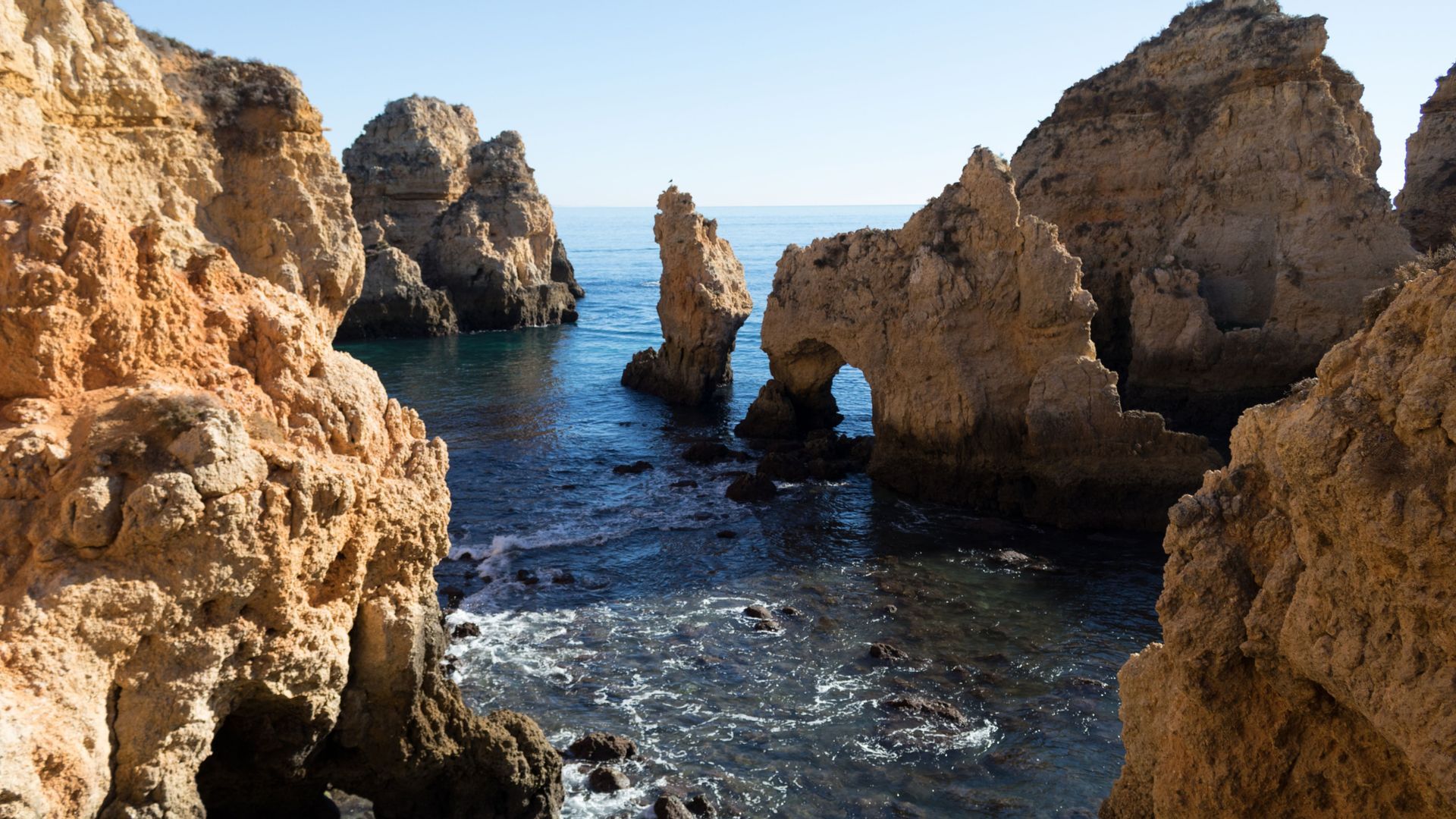
In limestone regions, you'll find deep valleys, exposed rock pavements, sinkholes, cliffs, dry valleys and underground streams.
So much of the dramatic scenery in the Yorkshire Dales exists because of limestone erosion over millions of years.
7. Some limestone is older than dinosaurs
Dinosaurs are ancient – but limestone can be even older.
Certain limestone formations in Britain were created over 300 million years ago. That means these rocks existed long before the first dinosaur ever walked the Earth.
When you touch limestone, you may be touching something that formed long before mammals, birds or flowering plants ever existed.
8. Limestone is used in famous buildings
Limestone has been used as a building material for thousands of years.
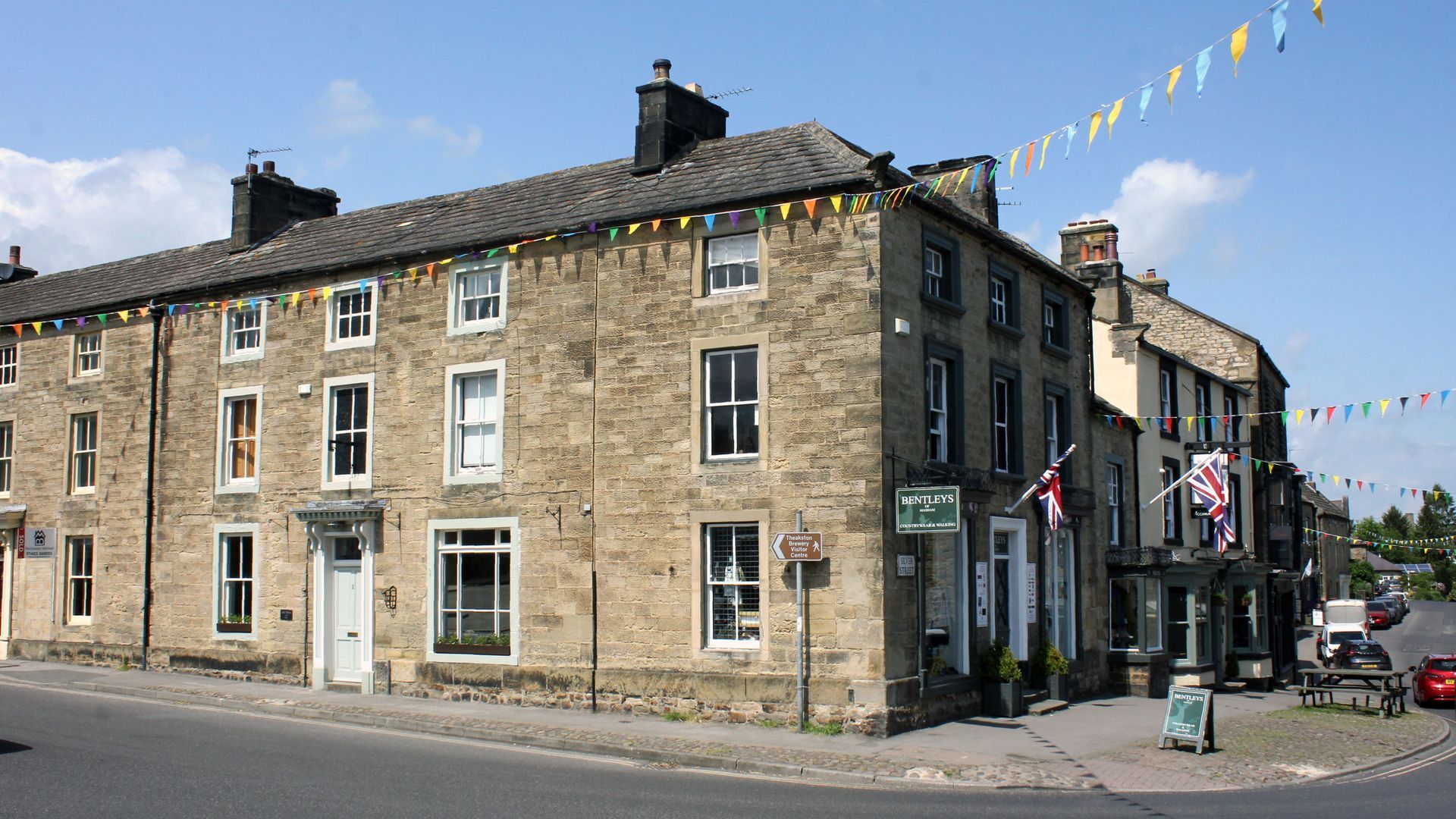
Because it's relatively easy to shape and surprisingly durable, it has been used in the construction of cathedrals, castles, monuments, bridges and historic public buildings.
Its natural colour and texture also make it popular in modern architecture.
9. Limestone can help make cement
Limestone has more practical uses in construction. It's a key ingredient in the production of cement, which means limestone helps create our homes, roads, schools, bridges and hospitals.
So, while limestone creates natural wonders underground, it also plays a major role in our modern life on the surface.
10. Limestone can hold underground rivers
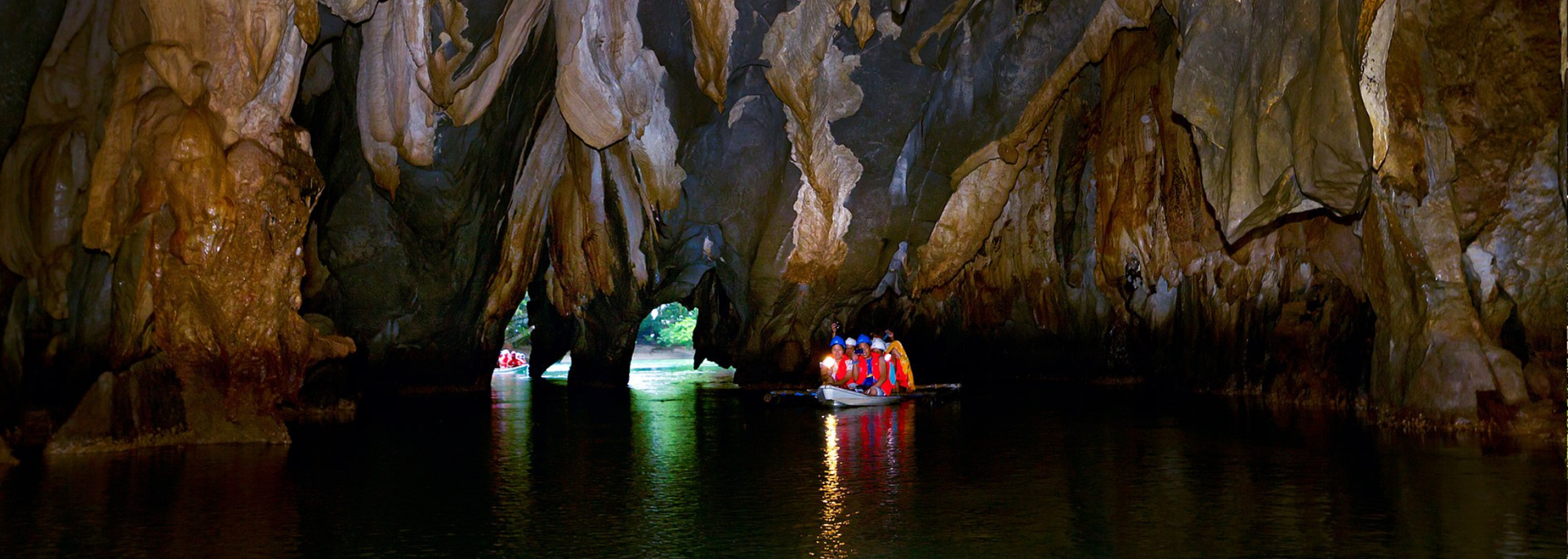
Because limestone dissolves so easily, it can create hidden water systems beneath the ground.
Some cave systems in Europe contain rivers quietly flowing in complete darkness.
This hidden water movement continues shaping limestone even today.
11. Not all limestone looks the same
People often imagine limestone as plain grey rock.
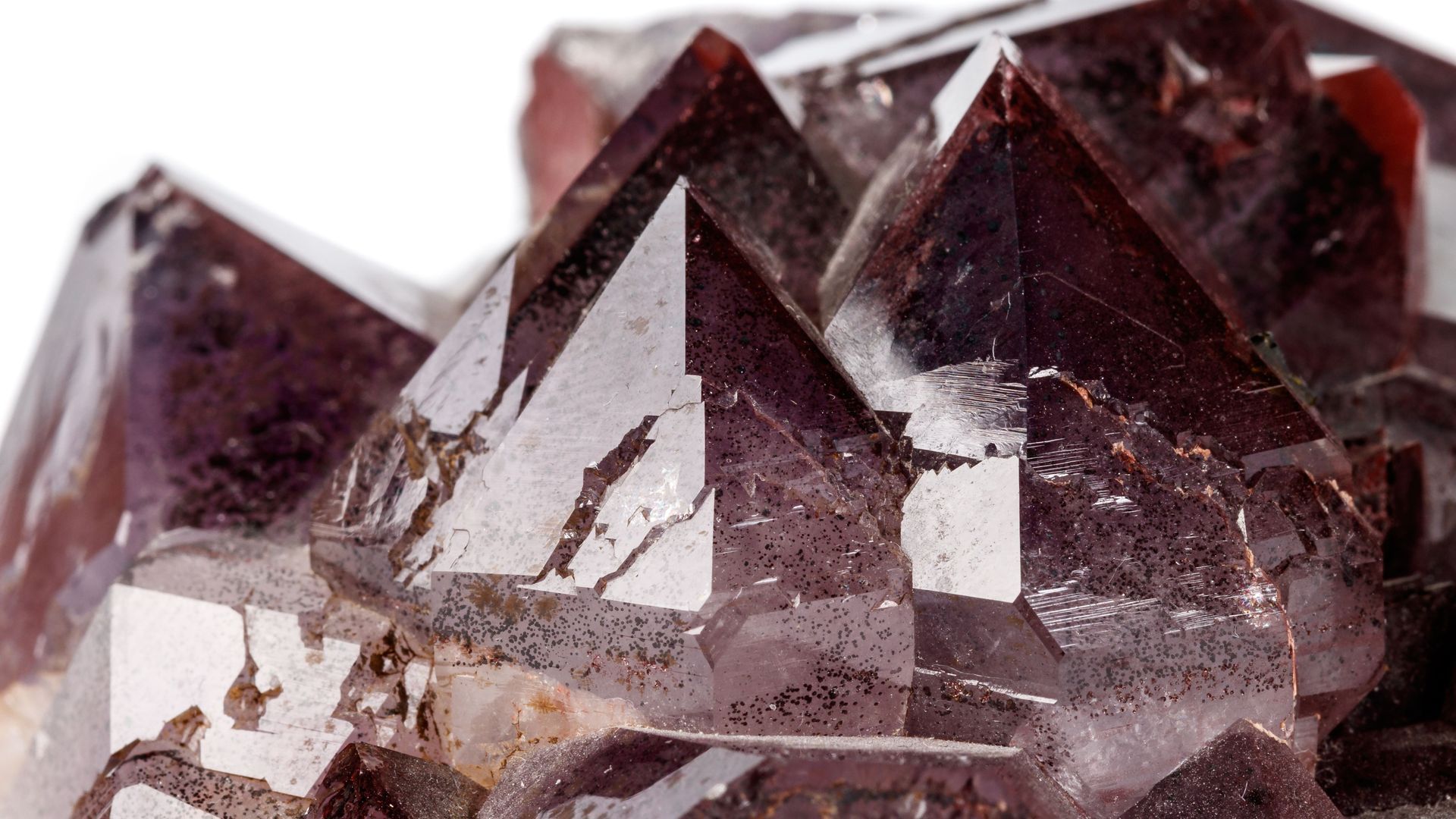
In reality, limestone can appear in many colours depending on the minerals it contains. It can be white, blue-grey, gold, black or even pink.
Mineral content, fossil fragments and environmental conditions all affect its appearance.
12. Limestone reacts with acid
One of the easiest ways geologists can identify limestone is by using a simple acid test.
When an acid touches limestone, it fizzes. This reaction happens because limestone contains calcium carbonate.
It's one of the quickest clues that a rock contains limestone – but please don't try this yourselves when you're out and about. Best leave the experiments to the scientists.
13. Limestone supports wildlife habitats
Limestone environments often support unique ecosystems. And the plants that thrive in limestone soil can attract birds, butterflies and other insects.
This means limestone landscapes can be important not just for geology, but also for supporting biodiversity.
14. Limestone can preserve ancient climate records
Scientists can learn a surprising amount from limestone formations.
Cave formations made from limestone can reveal information about past rainfall, temperature changes, environmental shifts and even ancient climate patterns.
In this way, limestone is like a natural archive of Earth's climate history.
15. Limestone helps make geology feel real
Here at Stump Cross Caverns, our favourite thing about limestone is what it allows us to experience.
Because limestone creates caves, fossils, crystal formations and dramatic landscapes, it gives people the chance to connect with Earth's history in a very real way.
When you visit Stump Cross Caverns, you're not just reading about geological history – you can step inside it.
Limestone has shaped our landscapes, preserved ancient life, created underground worlds and helped scientists understand Earth's history.
From fossils and fluorescent minerals to caves, rivers and spectacular natural formations, the evidence is clear. Limestone is anything but ordinary.
Are you looking for fun and educational things to do in the Yorkshire Dales? Take a trip to Stump Cross Caverns and discover a hidden world deep underground. It's easy to book your tickets online.