
How did Stone Age people stay cool in summer?

Simon Edward • 3 July 2026

Stone Age people had to live with heat just like we do. So, how did they keep cool? Explore six prehistoric methods.


Stone Age people had to live with heat just like we do. So, how did they keep cool? Explore six prehistoric methods.

"Sumer is icumen in," goes the old song. "Time to buy a fan."


OK, so this anonymous medieval classic doesn't go exactly like that. But for many of us, summer is a time to escape the heat as well as bask in it.


These days, we cool ourselves down in a variety of ways. There are technological fixes like fans and air con, plus tried-and-tested methods like ice lollies, wet flannels, cold showers and trips to cool places.


Stump Cross Caverns, in fact, is one such place. Its thick, ancient limestone walls keep it at a stable, pleasant temperature all year round.


These caves have been here for more than 500,000 years. For around 496,000 of those, humans on Earth were living through the Stone Age.


This was a time when people were astonishingly resourceful with their limited resources. They hunted, fished and gathered food, using the spoils of their hunts to make clothing and shelter.


So, how did they keep cool in the summer when electric fans were hundreds of thousands of years away?


What's surprising about the answer to this question is just how much we have in common with our prehistoric ancestors. So much has changed, and yet, in many ways, we're just cave people in 21st-century clothes.


Six ways Stone Age people stayed cool in the summer

1. Shelter

Stone Age people lived in caves or dwellings made out of mud, animal hides and, in some cases, thatch. These provided natural insulation and gave them a cool spot to be in the heat of summer.


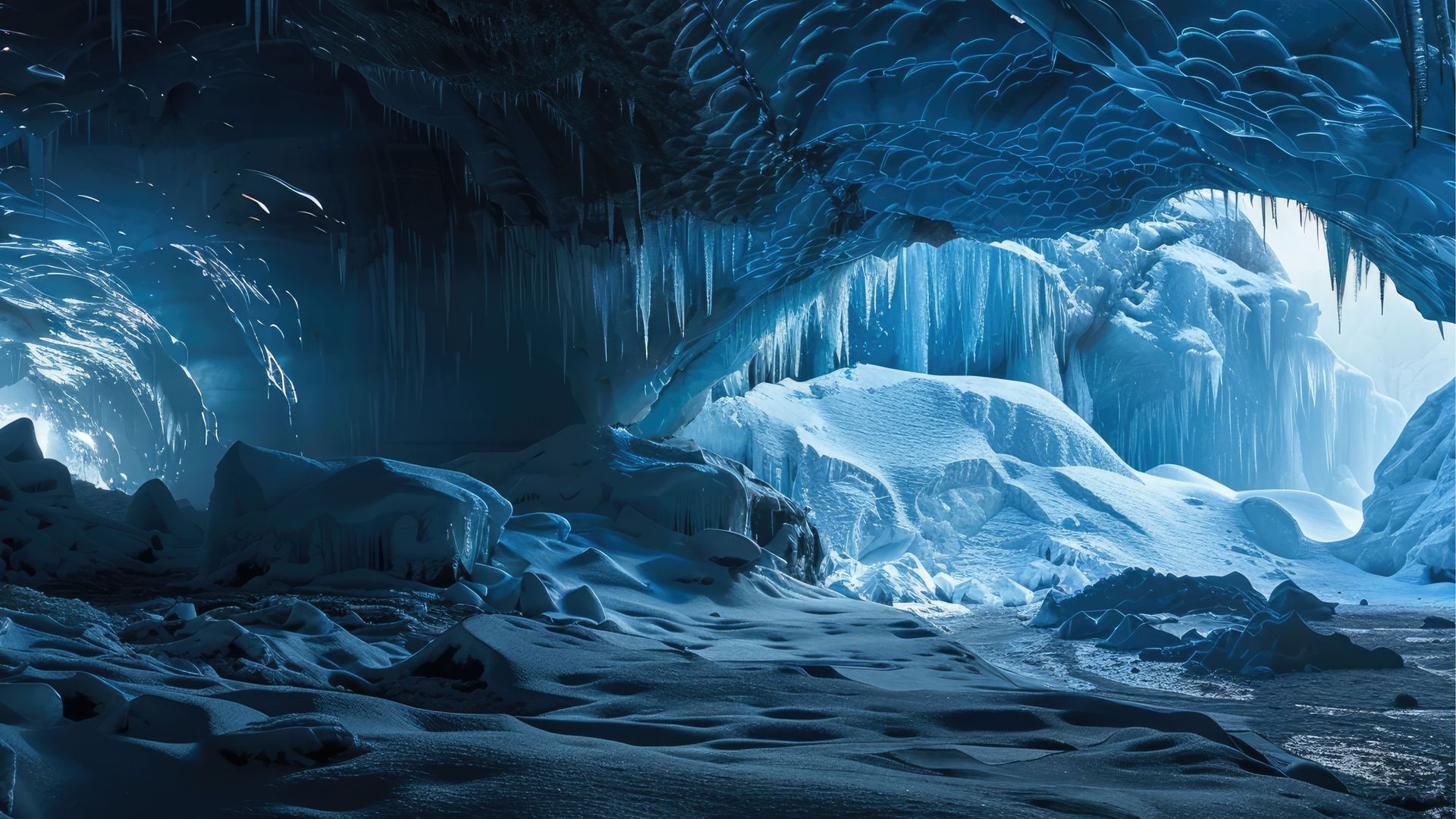
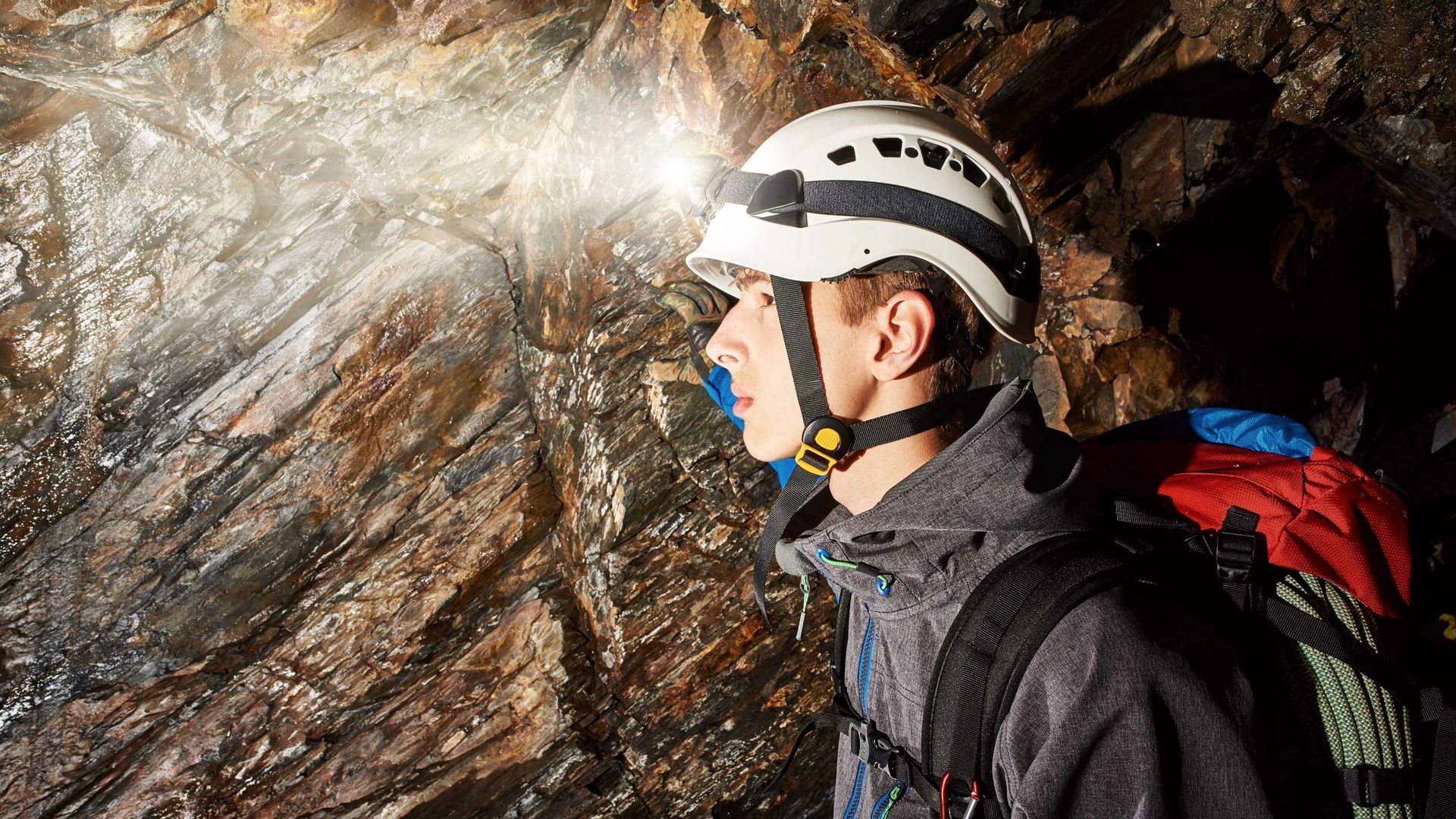
You can experience this in many caves today, including the ancient limestone caves right here at Stump Cross Caverns.


Insulated by thick rock and 60 steps down from the Earth's surface, our caves are isolated from sunlight and temperature changes on the surface.


This makes them a kind of natural fridge, no matter what the weather's doing above ground. And this applies to dog days, snow days and everything in between.


Don't believe us? Come and explore the geological wonders in our caves this summer and we promise you won't break a sweat.


2. Water


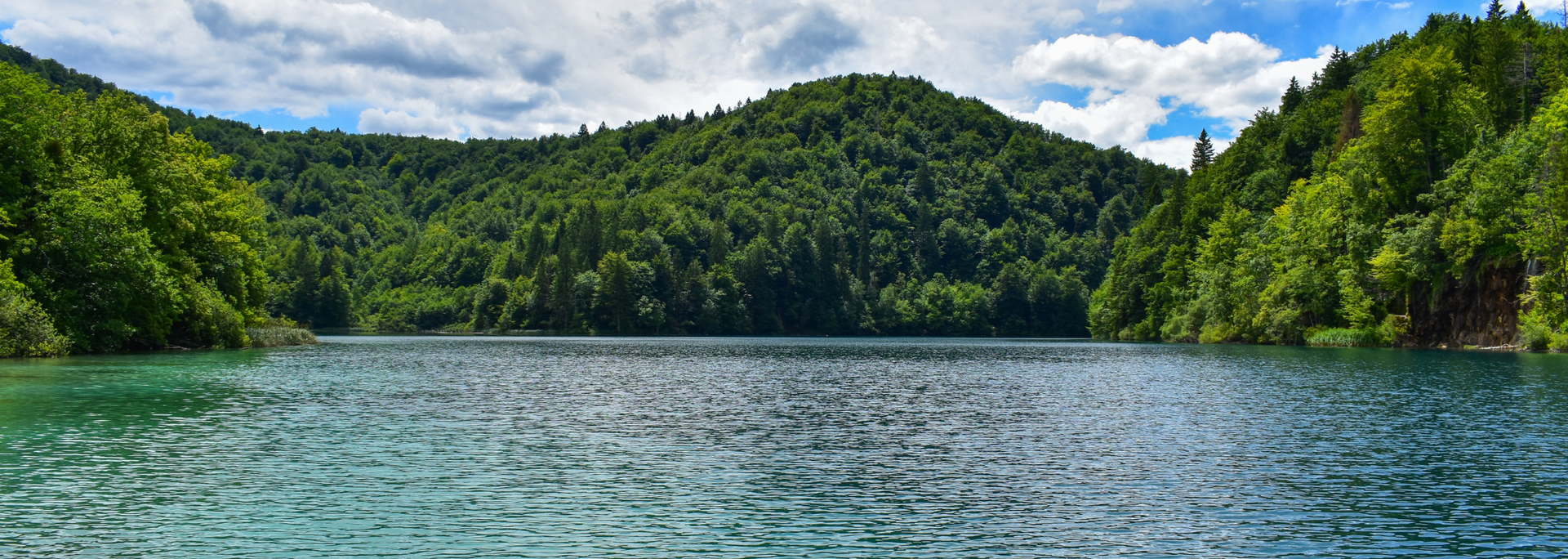
Picture of a lake.

Water is, of course, an essential tool in the fight against heat. As well as staying hydrated, we splash our faces with cold water, freeze it into ice lollies and take refuge in the seas and rivers.


Today, water comes to us straight out of the tap. Back in the Stone Age, you had to go in search of it.


Stone Age people would regularly bathe in rivers, lakes and streams. This would be for leisure and as part of the working day – a much-needed break from sweat-soaked hunting and other daily tasks.


The big difference between then and now is that our water sources are both more polluted and more processed. Yes, you can get sick if you drink from the river. But if you drink from the tap, you should be OK.


This wasn't the case for our Stone Age forefathers and foremothers. Natural water sources were mostly unpolluted. But they were also home to parasites, contamination and other things that could give you a bad tummy or worse.


That meant Stone Age people had to be careful to bathe in clean water wherever possible. They also stored it in animal skins and wooden vessels. This gave them easy access to water and meant they could take it with them on their travels.


3. Shade

Today, people in warm climates rest during the hottest part of the day in the shade. In Vietnam, for instance, office workers, motorbike riders and others sit under the trees to cool off when it all gets too much. In Spain, this kind of respite from the heat even has a name: the siesta.


Stone Age people, however, got there first. Their lives were active and involved plenty of travel. They travelled to hunt, to look for places to set up camp and to exchange resources with other groups.


On the way, they would almost certainly have rested in the shade of trees. And based on their resourcefulness with stone, animal skins and other materials, they likely used branches and leaves as rudimentary fans.


4. Clothing


Picture of stone age couple.

In the 21st century, humans have developed a bewildering array of clothes to cool down in. Linen trousers. Sweat-wicking T-shirts. Loose, flowing thawbs. Synthetic silk-style fabrics…


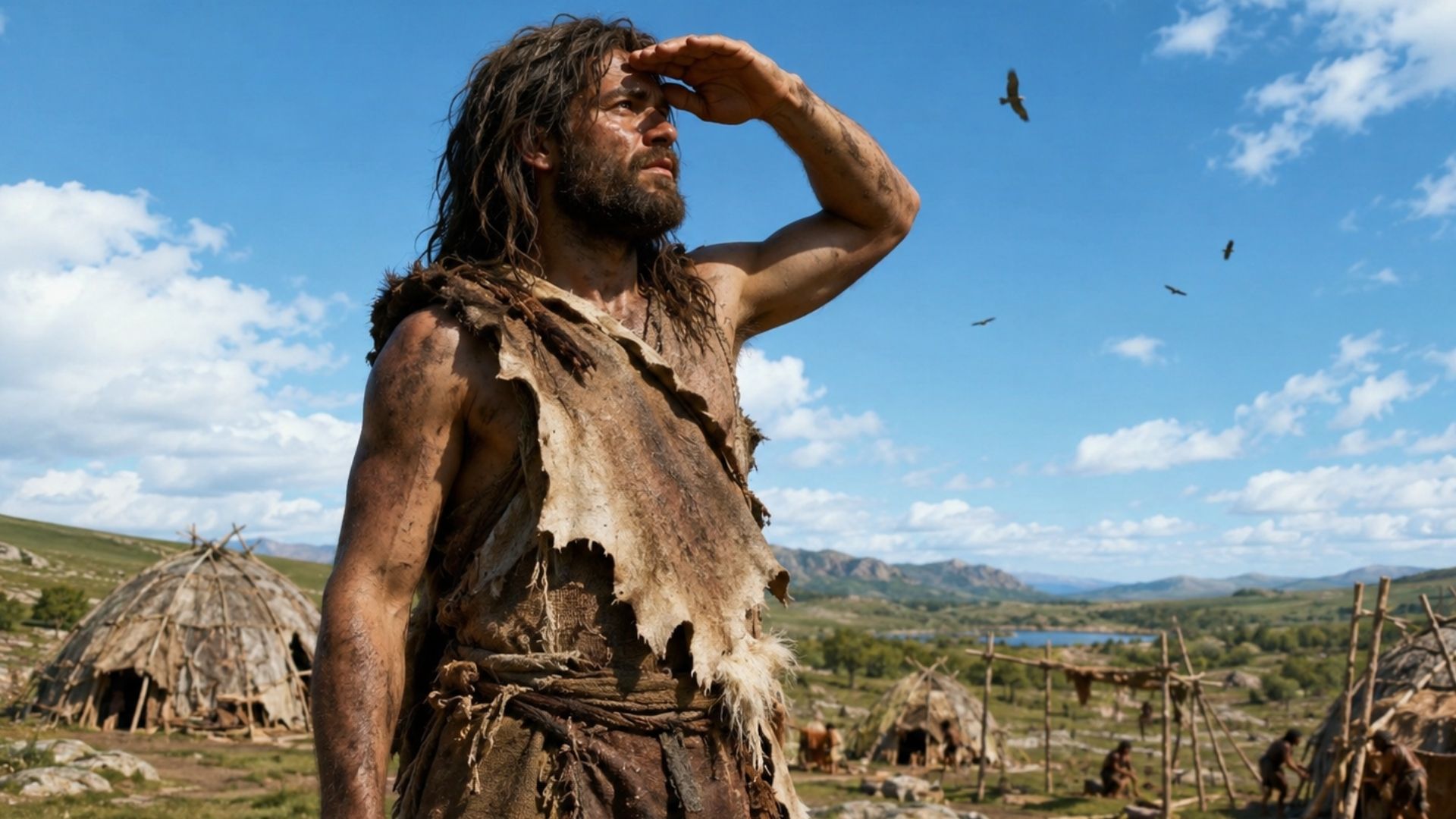
Stone Age people had their summer wardrobe, too. While clothes were primarily worn for protection, they were also made with different thicknesses of materials for different weathers.


Come summer and the bear hides, fox hides and wolf hides would be put away. Out came clothes made from flax fibres, woven plant stems, grasses and soft, thin animal hides. Much better!


5. Location, location, location

Stone Age people were often nomadic. They would travel from one place to another looking for resources and shelter. In summer, this would involve travelling to cooler spots.


6. Evaporative cooling

Common destinations were forests and higher altitudes – anywhere they could cool off, chill out and get some much-needed rest.


These days, "evaporative cooling" refers to a high-tech cooling solution – one used to regulate the temperatures in data centres, factories and some sustainable homes.


But evaporative cooling is a much more basic human experience than these modern innovations. The phrase refers to the evaporation of water as it takes in heat from the surrounding air. This lowers the temperature.


If you've ever felt a cool breeze hit your skin after a shower or dip, you'll know how pleasantly cooling it can be. Stone Age people would almost certainly have taken advantage of this natural phenomenon.


Stump Cross Caverns is an ancient underground cave in the Yorkshire Dales. We love learning about prehistoric times and passing our knowledge onto younger visitors. If you're at school and want to learn more, why not try our online Stone Age activities?

Share this article

Recent Posts

Decipher facts from fiction in the world of Minecraft caves and discover the real wonders
by Simon Edward 27 June 2026
Decipher facts from fiction in the world of Minecraft caves and discover the real wonders of the biome beneath your feet.
Looking for ways to beat the heat this summer? Explore 8 destinations in Yorkshire that are perfect
by Simon Edward 22 June 2026
Looking for ways to beat the heat this summer? Explore 8 destinations in Yorkshire that are perfect for cooling off.
Who was Geoff Workman – and why is he important to cave science? Find out through newspaper cuttings
by Simon Edward 19 June 2026
Who was Geoff Workman – and why is he important to cave science? Find out through newspaper cuttings from the early 1960s.
Want to encourage your little ones to explore outdoors? Discover six of the best family-friendly
by Simon Edward 15 June 2026
Want to encourage your little ones to explore outdoors? Discover six of the best family-friendly walks in North Yorkshire.
Discover our favourite family-friendly nature days out in Yorkshire
by Simon Edward 12 June 2026
Discover our favourite family-friendly nature days out in Yorkshire, from waterfalls and caves to forests, wildlife and countryside adventures.
Dive into fascinating facts about limestone, from glowing minerals and fossils to caves, crystals
by Simon Edward 8 June 2026
Dive into fascinating facts about limestone, from glowing minerals and fossils to caves, crystals and ancient geological history.
Looking for a family-friendly event in Yorkshire this summer? Explore 10 varied events in our guide.
by Simon Edward 5 June 2026
Looking for a family-friendly event in Yorkshire this summer? Explore 10 varied events in our guide.
Start learning the basics of identifying geodes and their crystal formations with our beginner's gui
by Simon Edward 29 May 2026
Start learning the basics of identifying geodes and their crystal formations with our beginner's guide to geode identification.
Discover some of the largest cave systems in Europe, from vast underground chambers
by Simon Edward 25 May 2026
Discover some of the largest cave systems in Europe, from vast underground chambers to ancient limestone labyrinths and palaces of ice.
Show More