Stump Cross Caverns have been
described as a "subterranean spaghetti junction of caverns, passages and strange natural rock". There's a mile of low-ceilinged tunnels open to the public – but the deeds to the property include another four miles of passageways.
In those partially explored tunnels – "beyond the walkways" – there's said to be an underground lake. For just over a century, cavers have been trying to find it.
The story of the underground lake
We could start the story of the lake 500,000 years ago, when the Earth was gripped by an ice age and the limestone chambers were formed. Or we could pick it up in 1860 when two lead prospectors discovered the caves and helped open them for business.
But instead, we're going to start in Easter 1922, when an eccentric medical student and passionate caver named Christopher Long visited the caverns with a group of fellow students.
Who was Christopher Long?
Christopher Long (1902-1924) was a medicine student at Gonville and Caius College, Cambridge. But his real passion lay in speleology. In his short life, he made valuable contributions to caving by helping to uncover new chambers and passageways at Stump Cross – as well as the White Scar Cave at Ingleton.
There's no doubt that Long was passionate about caving. But his motives weren't purely scientific. He and his fellow caver John Churchill had visited Cheddar in 1920 and
realised that "there was an enormous amount of money in the show-cave business". He was determined to find a cave of his own and reap the rewards.
In his first year at uni, he spent his Easter and summer holidays exploring Stump Cross Caverns. The Easter trip was in the company of the Troglodytes – the university's first caving club that Long had founded.
The Troglodytes (now the Cambridge University Caving Club) was a small team of friends whose
training included crawling through the drains of Cambridge.
The young men set out for the caverns and embarked on an epic
168-hour digging marathon. They uncovered around 450 metres of exceptionally well-decorated passageways and small chambers.
With his eye on the show-cave business, Long shrewdly gave several interviews to the Yorkshire Post as a way of drumming up interest. One of these
interviews gives us a picture of Long at the time that's, err… perhaps a little too vivid:
"Speleologists do not wash much, perhaps once a week, and they do not shave, and it was a curious figure which unbarred the door for me – arms yellow, legs yellow, face yellow; and I venture to state that the striped rug which he wore draped about his shoulders was a covering for a body which was yellow from top to bottom."
What did he find?
Long and his companions discovered a host of chambers and grottoes,
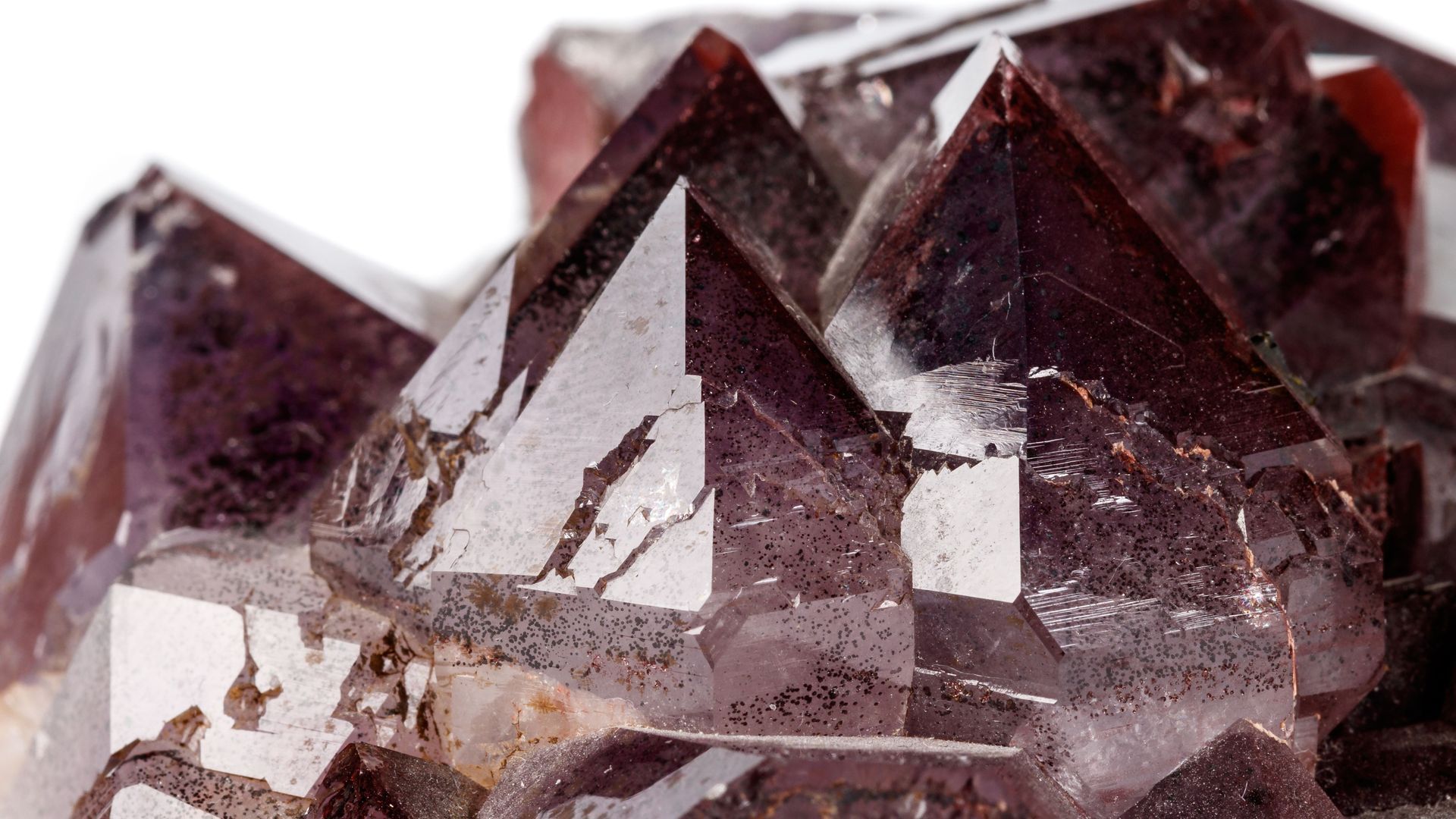
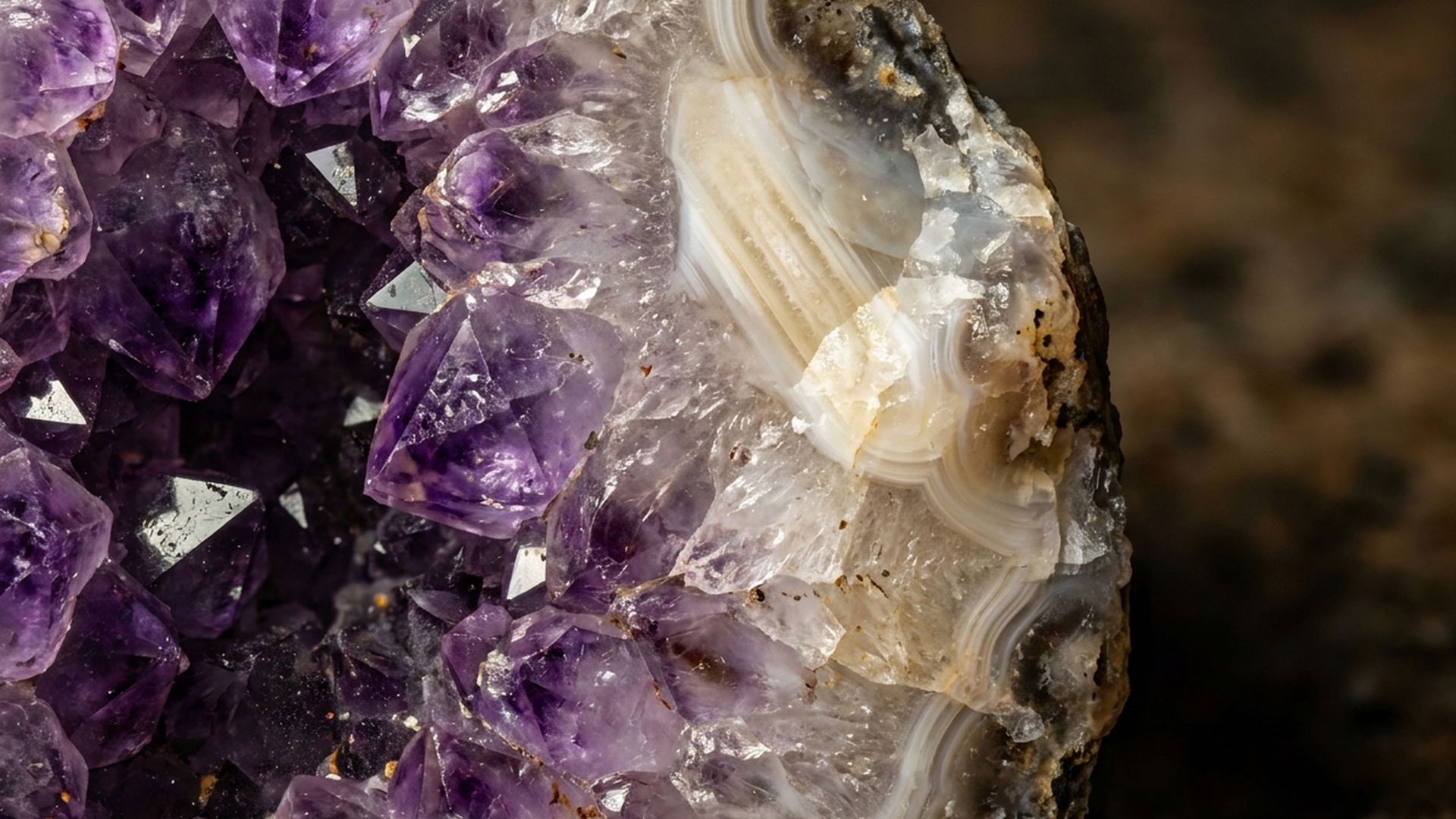
decorated with translucent stalactites that "ranged from yellow to red, and greyish blue, suggesting iron and lead impregnation". They also turned up the prehistoric remains of reindeer and wolverines.
More mysteriously, he is said to have found "a series of grottoes, where the walls reverberated to the beat of the explorer's heart, producing the effect of a huge stethoscope".
And he claimed to have found the underground lake. The owner refused to cut him in to any revenue generated by visitors to the cave. In response, Long refused to reveal the lake's location – and allegedly went so far as to fill up the entrance.
The word "allegedly" crops up a lot in the story of Long's lost lake. We see it, too, when the Telegraph
describes him allegedly carrying a loaded revolver – that way, he could take his own life should he ever get trapped underground.
Long's early death means that we'll never know his side of the story. He died at 23, having overdosed on chloral hydrate. This was a synthetic drug used to treat insomnia (it pops up in Bram Stoker's Dracula as "the modern Morpheus").
The
coroner's report said that Long had no intention of ending his life – but he had previously admitted himself to the Maudsley psychiatric hospital in south London after a suicide attempt.
Long never saw the White Star Caves open to the public. Nor did he ever realise his ambition of owning a show cave. He was
described by friends and colleagues as "a genuine enthusiast", a "fine character" and "an indefatigable worker" – and his contribution to caving lives on.
Will the lake ever be found?
A century has passed since Long's expedition, and cavers are still looking. In 2003, the previous owner
remarked that cavers had heard running water, "so they could be close".
Either way, Christopher Long and the lost lake are indispensable parts of Stump Cross lore. His ghost has been said to haunt the caverns – although Geoff Workman, whose 105 days there broke the world record for time spent underground, claims that he "never saw nor heard anything of him".
The wonderful world of underground lakes
The UK is home to some spectacular underground lakes – from Speedwell Cavern in Derbyshire to Pridhamsleigh in Devon.
The world's biggest underground lake, however, is in Namibia's northwestern Otjozondjupa region. Known as "Dragon's Breath Cave", it was discovered by Roger Ellis in 1986.
Moist air rises from the entrance like a dragon's breath – and if that wasn't eerie enough, the cave contains a 4.9-acre underground lake around 100 metres below the surface.
You don't just have to be rigged for the descent – you also have to be skilled and fearless.
Stay tuned for more
So there you have it – Stump Cross's legend of Long and his lost lake. It's just one of the stories to tell about our caverns under the Yorkshire Dales. Keep your eyes peeled for more.
Interested in exploring our caves in Yorkshire? Then please don't hesitate to book a self-guided tour. We also offer a range of exciting,
family-friendly experiences and events
.