
The coolest caves in the world – literally

Simon Edward • 13 July 2026

Some caves are cooler than others. A few are downright frosty. Join us as we tour some of the world's coldest ice caves.


Some caves are cooler than others. A few are downright frosty. Join us as we tour some of the world's coldest ice caves.

They're cool because they're just, well, cool. Caves are like time capsules and treasure troves. They're rocky records of our ancient world, frozen in time and filled with spectacularly weird rock formations.


But they're also often cool. Like, temperature cool.


Take Stump Cross Caverns. Whether the Sun's at full ferocity or the landscape is blanketed with snow, our Yorkshire Dales caves stay at a pleasant 7°C (44.5°F).


Pretty cool.


Some caves, however, are much, much cooler. Many are positively freezing.


And they have a name: ice caves.


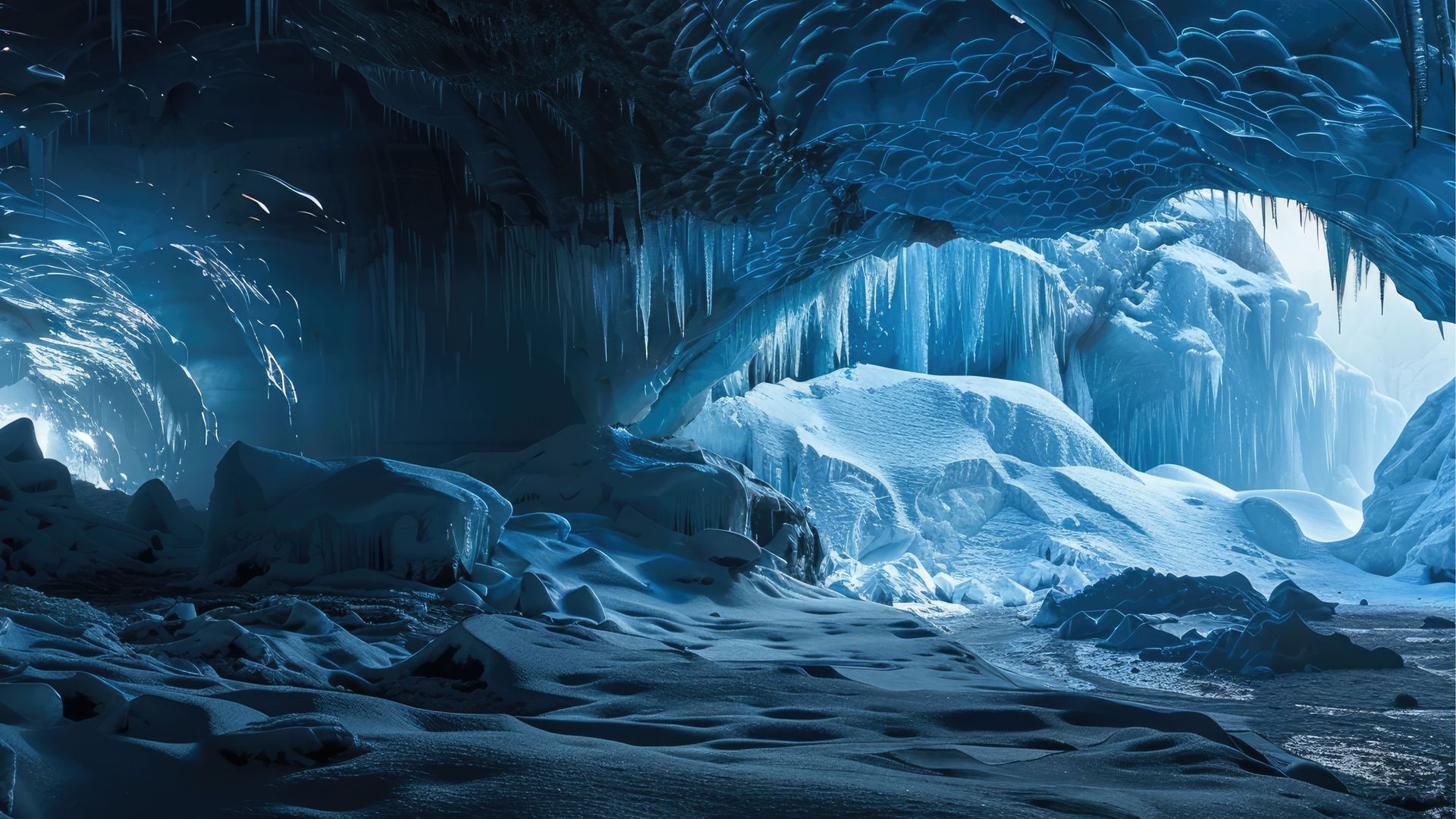
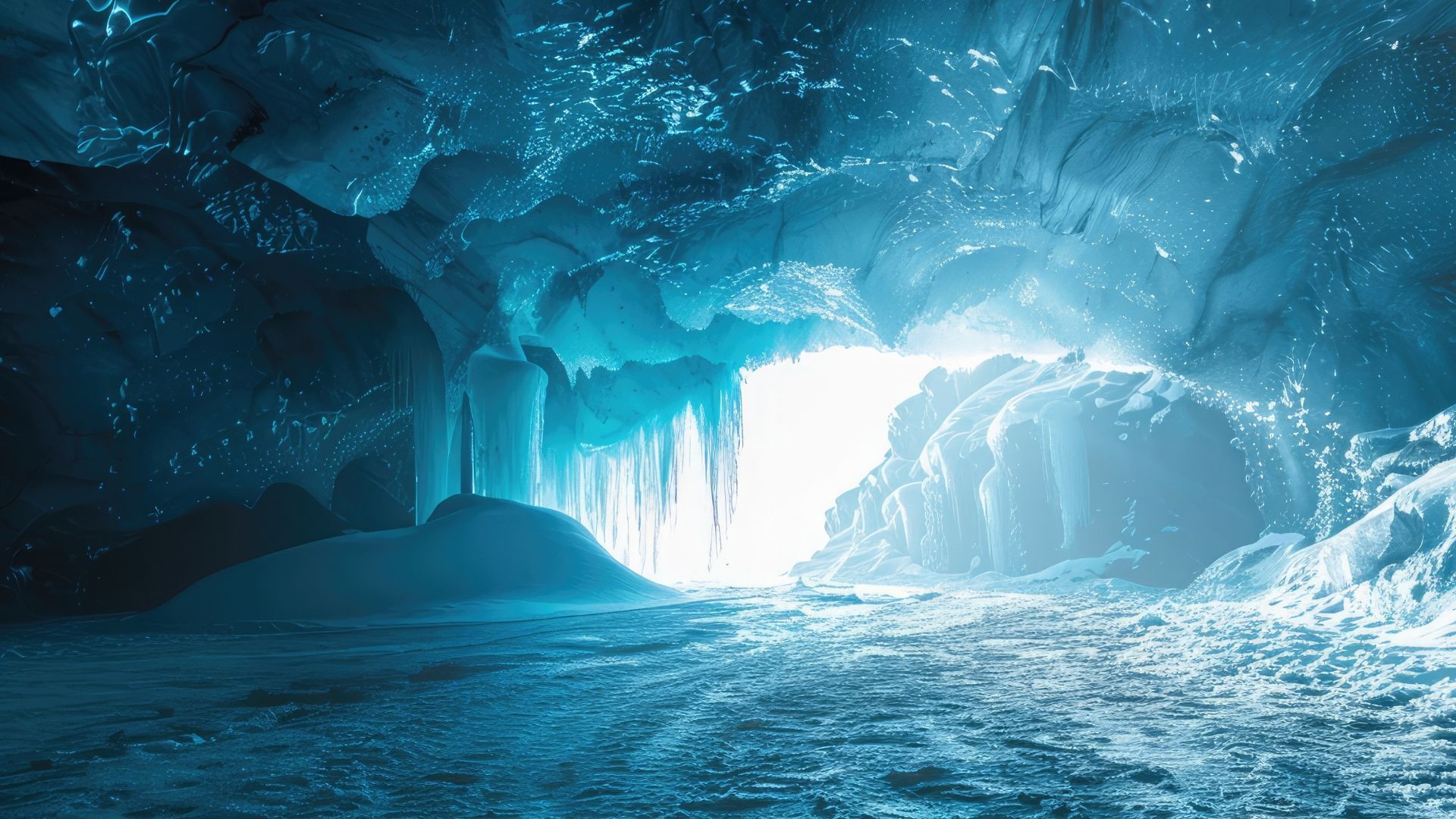
It's a very apt name. Ice caves are, quite literally, covered in ice. They remain at a freezing temperature for at least some of the year, causing water to freeze on the floors, walls and ceilings. The effect is quite otherworldly.


Even then, some ice caves are cooler than others. Let's learn a little more about these frosty wonders and explore some of the coolest ice caves in the world – literally.


What are ice caves?


An ice cave, quite simply, is any cave cool enough to freeze water. As a result, it ices over, forming glassy tunnels of brilliant blue.

As you might expect, most ice caves form in cooler climates. You'll find lots of them in Iceland, Austria, Switzerland and Alaska, for instance.


Like ice lollies, they come in a number of flavours. Two, to be exact.


Glacier caves are carved directly into glaciers by flowing water. They're quite literally constructed from ice.


This type of ice cave can change with the seasons. New ones can form and old ones can disappear as the glacier shifts and melts. That makes them very dangerous to visit without a guide.


True ice caves tend to be safer. These are more like the caves you know and love – rocky caverns carved from limestone or ancient magma. They act as natural cold traps, storing cold air from winter snaps and remaining at freezing temperatures all year round.


They look a little different to glacier caves, too. Rather than tunnels of pure ice, you'll see magnificent ice stalagmites and stalactites jutting out of the rock – a bit like an alien landscape.


Some of the world's coolest caves by temperature


1. An unnamed cave in northeast Greenland (-17.1°C)


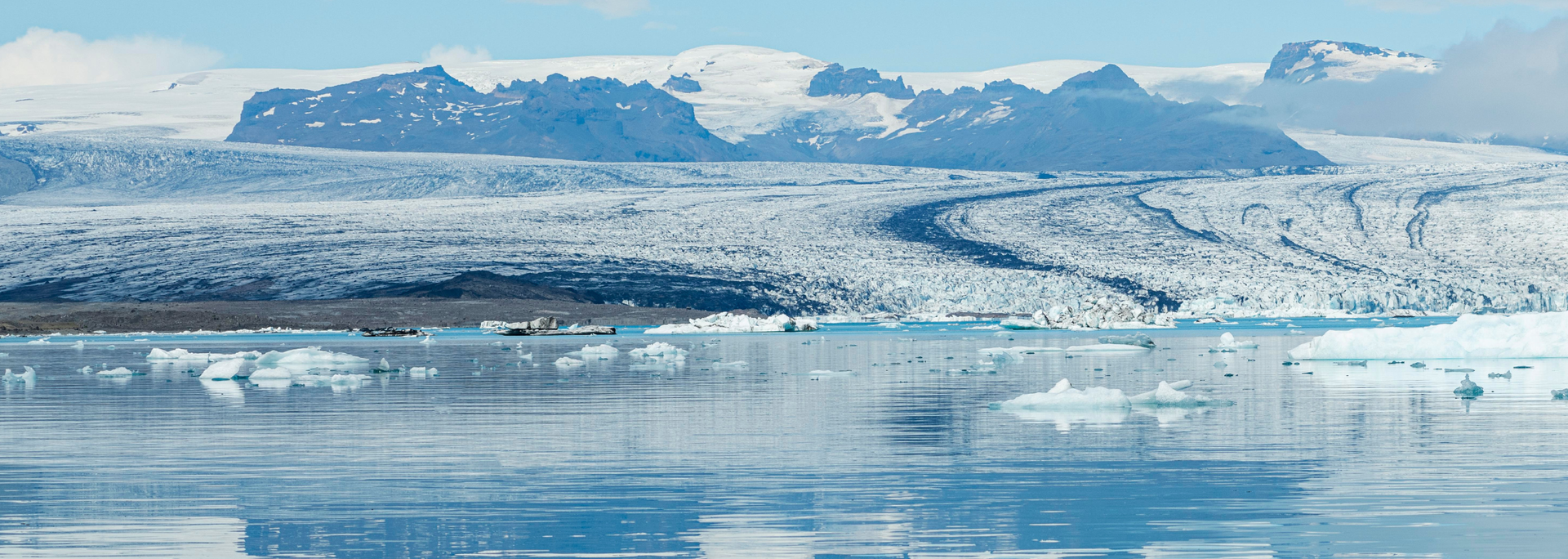
Picture of the Greenland tundra.

In 2019, a team of speleologists (cave scientists) embarked on an expedition to northeast Greenland. Their mission: to map how climate change had affected the landscape over hundreds of thousands of years.


The cavers made several discoveries on their trip. They found the world's most northerly cave. They found the longest cave in Greenland, at 330 feet long. And they found the deepest cave in Greenland, which measured a modest (by global standards) 64 metres deep.


Most pertinently for today's article, they also discovered the world's coldest cave. Huddled in an unnamed cavern somewhere among the Greenlandic tundra, the team recorded a decidedly chilly reading of -17.1°C (1.2°F).


To put that into perspective, that's about the same as the temperature inside your freezer. Brr!


2. Perlan Ice Cave, Iceland (-15°C)


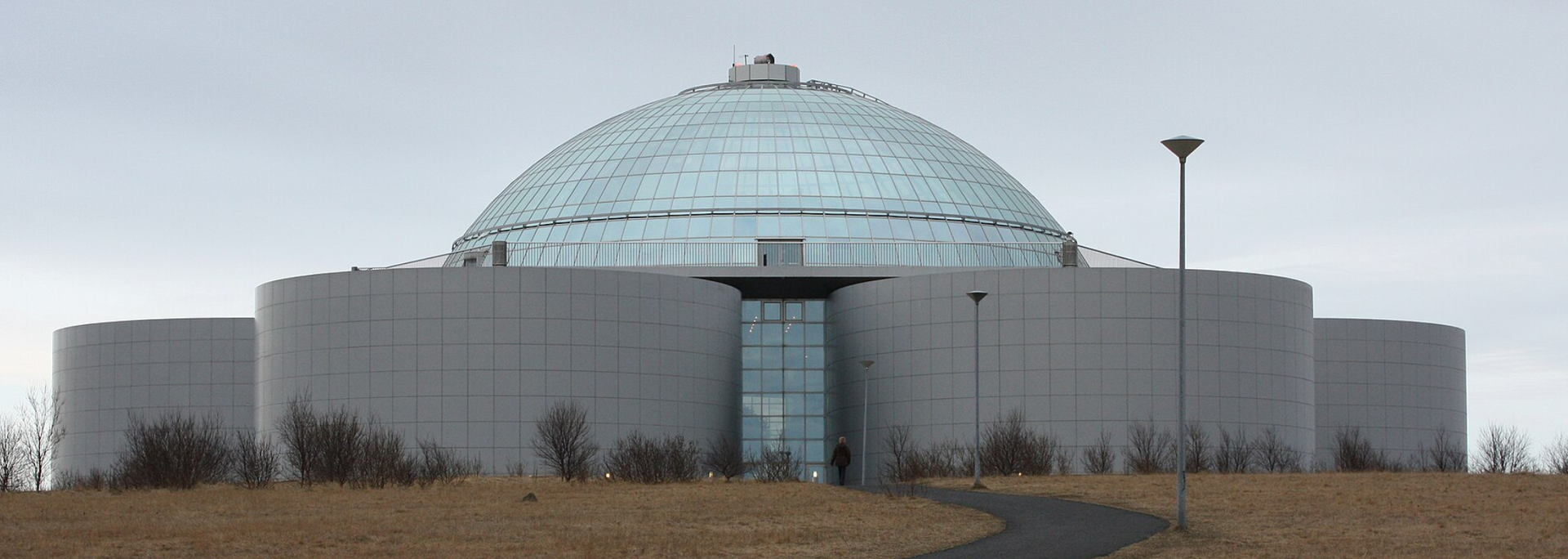
Picture of Perlan ice cave.


Most caves take shape over thousands of years. Even glacier caves – some of the fastest-forming caves in the world – can take months or years to come together.


But Perlan Ice Cave is a notable exception. This cave wasn't formed by geological processes over centuries. It was formed from 400 tons of ice and snow by humans at the Perlan natural history museum in Reykavík. The whole thing took just one year to plan and construct, before opening to the public in 2017.


Yes, Perlan is a manmade cave, built for the enjoyment of the 2.2 million tourists who flock to Iceland each year.

Still, it's a cave – and a very cold one at that. Deep within the 100-metre tunnel, temperatures reach a frosty -15°C to -10°C (5°F to 14°F).


Planning a visit? Be sure to wrap up warm.


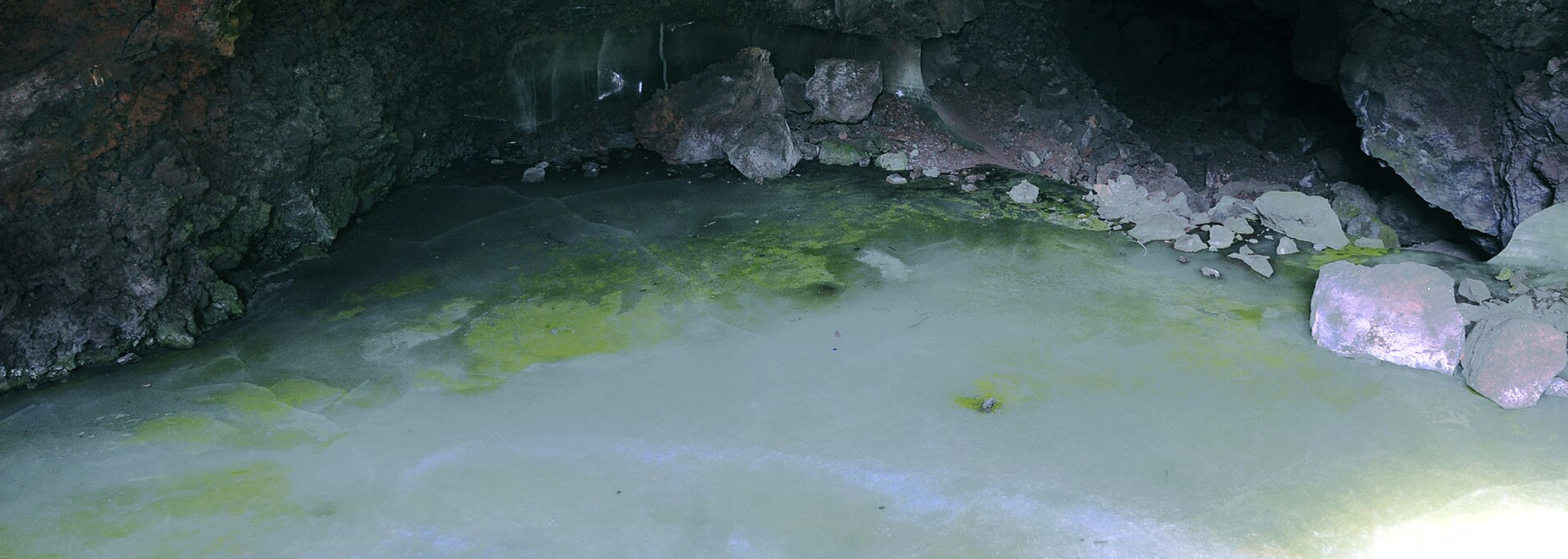
3. Bandera Volcano Ice Cave, USA (-1°C)


Picture of Bandera Volcano Ice Cave.


Some 10,000 years ago, a volcano erupted in the area we now call New Mexico, USA. The eruption left behind a 900-foot-high cinder cone that's now known as "Bandera Crater".


But that wasn't all that was left. As fast-flowing basaltic lava coursed through the landscape, it melted the surrounding rock, carving long underground channels. Eventually, the lava drained away, leaving a 17-mile network of lava tubes – the longest in the continental United States.


Today, Bandera Volcano Ice Cave is a much chillier affair. Temperatures in the cave range from -1°C to 10°C (30°F to 50°F) all year, with some areas never going above freezing.


The local indigenous population has long been aware of the cave and its frosty climate. For many years, in fact, they used the caves as a natural freezer to keep food cool. Smart!


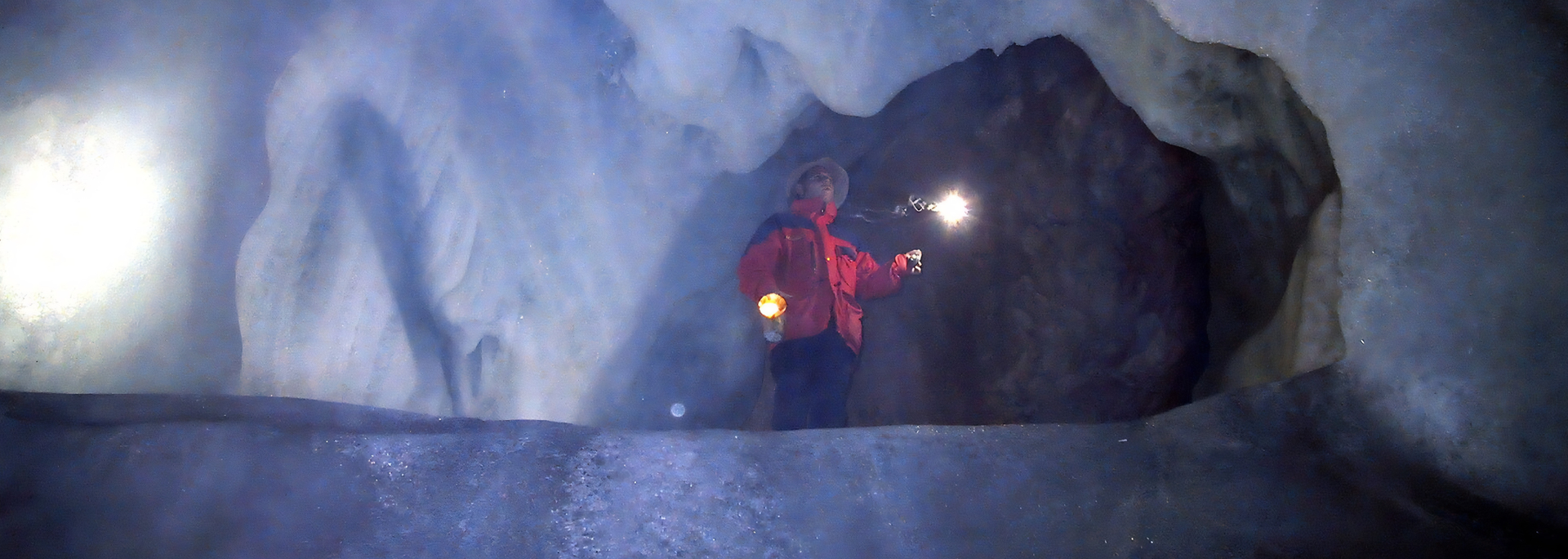
4. Eisriesenwelt, Austria (0°C)


Picture of an Ice Cave in Austria.


Salzburg, Austria, is perhaps most famous as the Alpine setting for 1965's The Sound of Music.


But it's not all mountains and musical numbers. Hidden deep among those snow-capped peaks, you'll find Eisriesenwelt – the largest known ice cave in the world.


Eisriesenwelt is German for "World of the Ice Giants" – and they couldn't have come up with a better name if they tried. The cave is a humongous formation of natural limestone and year-round ice, stretching for some 26 miles inside the Hockkogel mountain.


Inside, it's a feast of ice and a feast for the eyes. Visitors can expect to explore vast rock caverns, decorated with curtains of shimmering ice stalactites and beautiful blue pillars.


Considering the size of these ice giants, you might expect the temperature to be well below freezing. But according to the Eisriesenwelt website, the year-round temperature sits just below 0°C (32°F). You'll still need a warm jacket, but it's hardly Arctic!


Escape the summer heat at Stump Cross Caverns


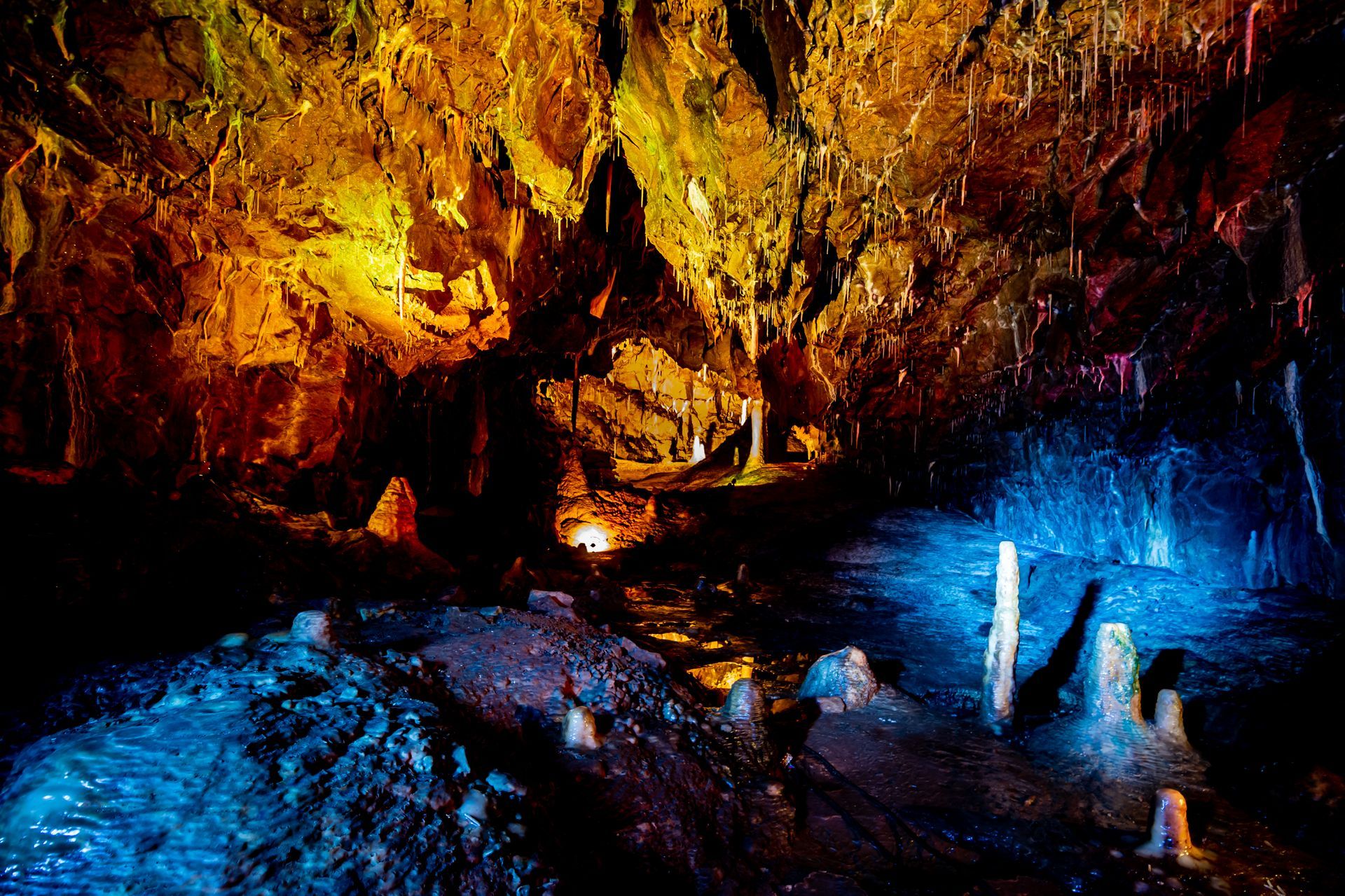
Picture of Stump Cross Caverns.

If you're sweltering in the summer heat, visiting these ice caves might feel very tempting.


The problem? There aren't any ice caves in the UK. To chill out underground, you'll need a ticket to Iceland, Austria or another hotbed of cool.


Not to worry. Here at Stump Cross Caverns in the Yorkshire Dales, it's 7°C (44.5°F) all year round. That's around the average yearly temperature of the Scottish Highlands – bracing, but far from freezing.


Of course, it's not all about the temperature. You'll also get the chance to explore some of the best-preserved ancient caverns in the UK, complete with magnificent rock formations and twisting limestone passageways.


Ready for a truly cool adventure? It's easy to book your tickets online.


Share this article

Recent Posts

Are you interested in exploring Yorkshire's lead mining history? Here are 7 places you can visit
by Simon Edward 10 July 2026
Are you interested in exploring Yorkshire's lead mining history? Here are 7 places you can visit
Looking for family-friendly activities in Yorkshire for the 2026 summer holiday? Explore 10
by Simon Edward 6 July 2026
Looking for family-friendly activities in Yorkshire for the 2026 summer holiday? Explore 10 fun options in our guide.
Stone Age people had to live with heat just like we do. So, how did they keep cool?
by Simon Edward 3 July 2026
Stone Age people had to live with heat just like we do. So, how did they keep cool? Explore six prehistoric methods.
Decipher facts from fiction in the world of Minecraft caves and discover the real wonders
by Simon Edward 27 June 2026
Decipher facts from fiction in the world of Minecraft caves and discover the real wonders of the biome beneath your feet.
Looking for ways to beat the heat this summer? Explore 8 destinations in Yorkshire that are perfect
by Simon Edward 22 June 2026
Looking for ways to beat the heat this summer? Explore 8 destinations in Yorkshire that are perfect for cooling off.
Who was Geoff Workman – and why is he important to cave science? Find out through newspaper cuttings
by Simon Edward 19 June 2026
Who was Geoff Workman – and why is he important to cave science? Find out through newspaper cuttings from the early 1960s.
Want to encourage your little ones to explore outdoors? Discover six of the best family-friendly
by Simon Edward 15 June 2026
Want to encourage your little ones to explore outdoors? Discover six of the best family-friendly walks in North Yorkshire.
Discover our favourite family-friendly nature days out in Yorkshire
by Simon Edward 12 June 2026
Discover our favourite family-friendly nature days out in Yorkshire, from waterfalls and caves to forests, wildlife and countryside adventures.
Dive into fascinating facts about limestone, from glowing minerals and fossils to caves, crystals
by Simon Edward 8 June 2026
Dive into fascinating facts about limestone, from glowing minerals and fossils to caves, crystals and ancient geological history.
Show More