Learn about gorge walking in Yorkshire and how to stay safe while exploring rivers, waterfalls and natural rock formations.
If you enjoy the outdoors with a sense of adventure, gorge walking might already be on your radar.
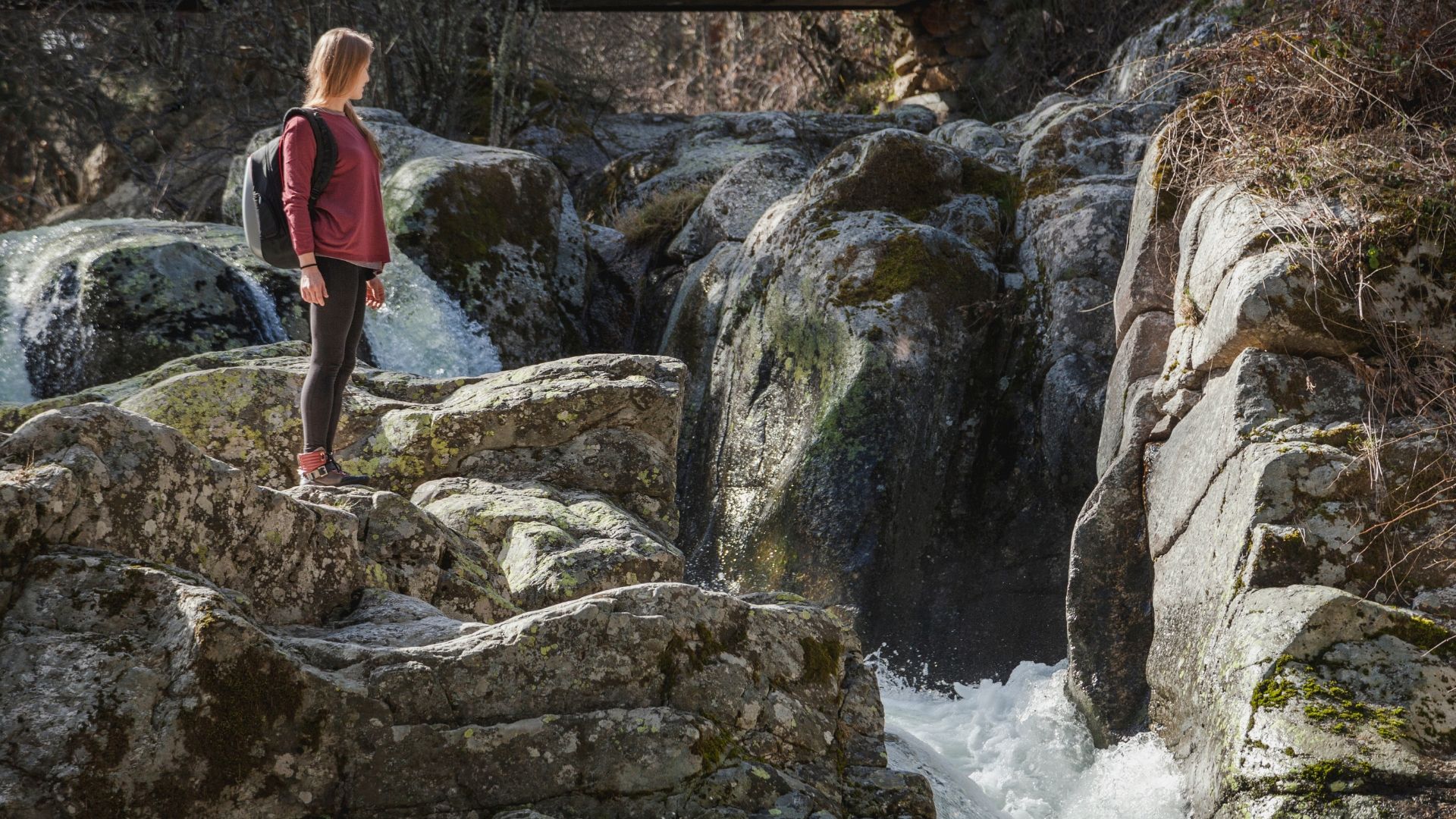
Somewhere between hiking, scrambling and wild swimming, gorge walking involves actually travelling through river gorges rather than simply following them alongside. Participants follow waterways upstream, navigating rocks, shallow pools, waterfalls and natural obstacles along the way.
Yorkshire's dramatic landscapes, shaped over thousands of years by flowing water, make it one of the UK's most popular regions for this increasingly well-known activity.
But while gorge walking can be hugely rewarding, it's also an activity that requires preparation, awareness and respect for natural environments.
Curious? Here's what you need to know before getting your feet wet.
What is gorge walking?
Gorge walking involves moving along a river route through narrow valleys or rocky channels carved by water. Depending on where you are, you might also hear it called:
- "Ghyll scrambling", which usually involves an ascent up a mountain stream
- "Canyoning", which often involves more technical descents using ropes and challenging obstacles
Routes vary by location. You may find yourself walking through shallow streams, climbing over rocks and boulders, scrambling beside waterfalls, wading through pools or carefully descending natural rock steps.
Difficulty varies significantly, too. While there are plenty of tracks suitable for beginners under supervision, others are more advanced and require technical skills and specialist equipment.
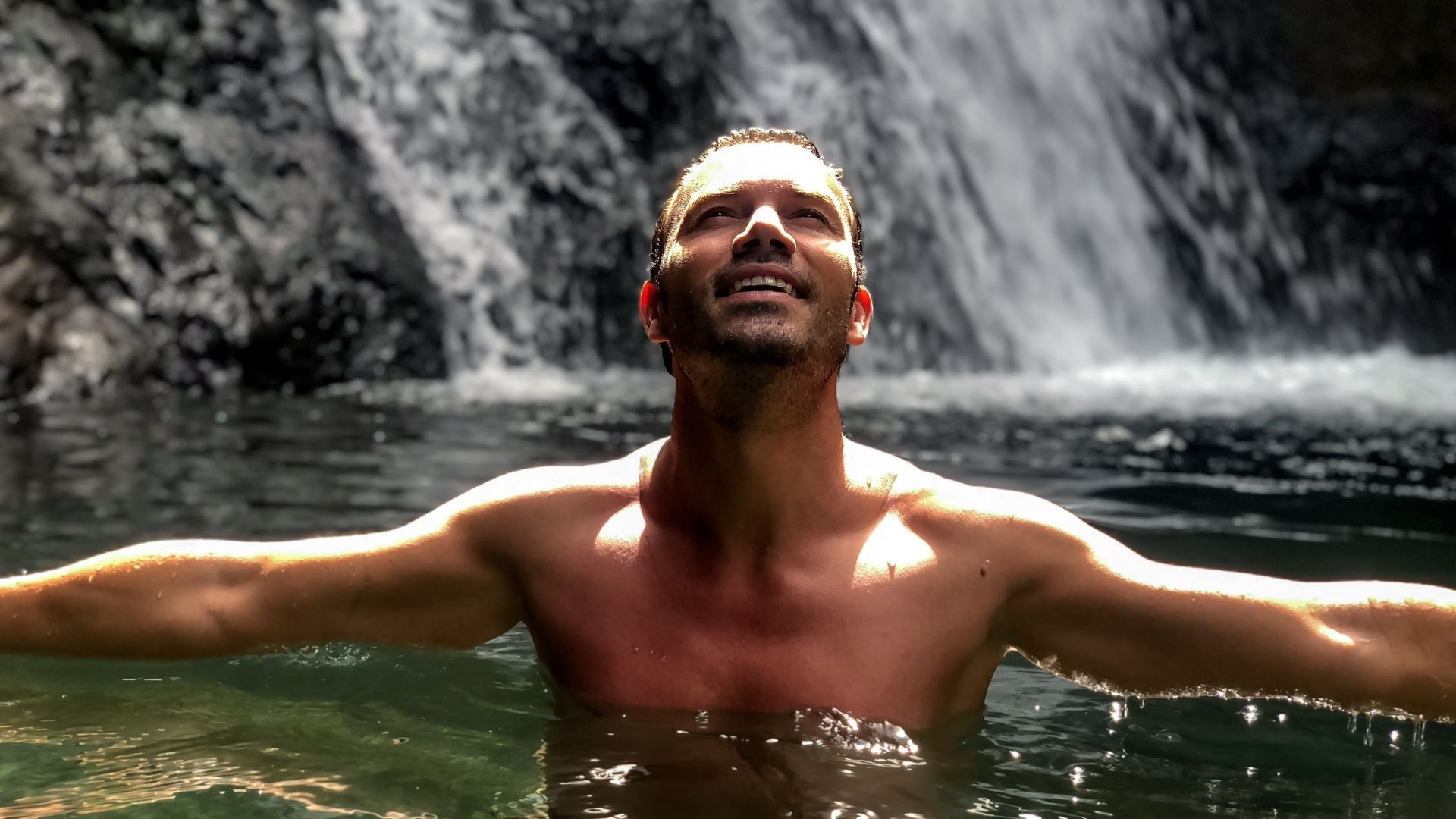
Unlike traditional hiking, gorge walking places you directly within a moving water environment. This is part of both its appeal and its challenge.
Why Yorkshire is the perfect place for gorge walking
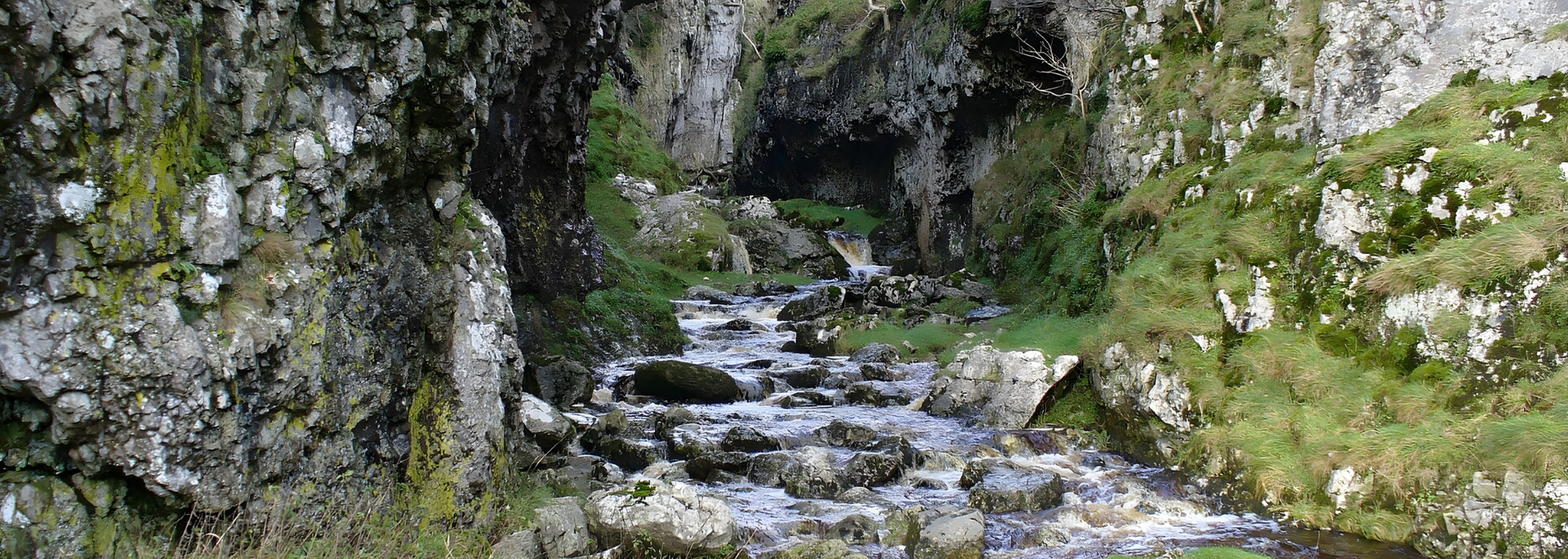
Yorkshire's rich limestone and gritstone landscapes create the ideal conditions for gorges and fast-flowing becks.
Over time, our rivers have carved deep channels through rock, forming natural slides, pools and waterfalls across the region. Areas within the Yorkshire Dales and the surrounding countryside are particularly well known for these features.
The combination of elevation, rainfall and geological variety means no two routes feel the same. Some offer gentle introductions, while others provide more physically demanding experiences.
Many of the best gorge walking locations in Yorkshire are explored through professional outdoor activity providers. These organisations have an in-depth understanding of local conditions and seasonal changes.
Essential safety considerations
It seems obvious, but we have to say it: an activity like gorge walking should never be approached casually. Never!
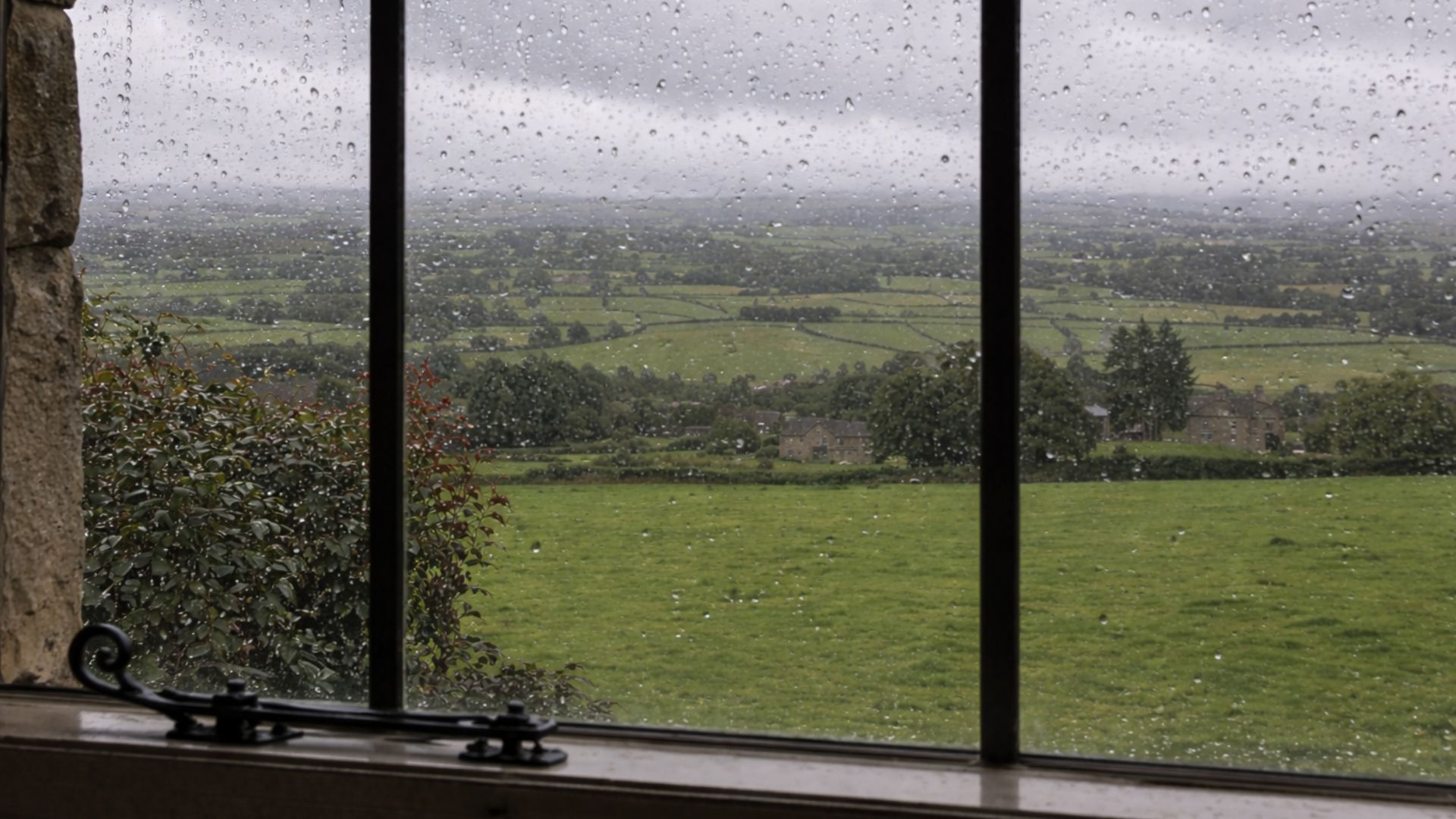
Water levels, weather conditions and slippery surfaces can rapidly and suddenly change the difficulty of a route. What appears calm from above may feel very different once you're in the water.
Here are some key safety principles to keep in mind.
1. Go with experienced guides
Beginners should never go it alone. Always take part in professionally guided sessions when you're starting out. Qualified instructors can assess conditions, provide equipment and ensure routes match the abilities of participants.
2. Check weather conditions
Heavy rainfall, even miles away, can dramatically increase water flow. Flash flooding is a genuine risk in narrow valleys.
3. Wear appropriate equipment
Standard hiking clothing isn't suitable. Most organised sessions will provide wetsuits, helmets, buoyancy aids and footwear that can grip properly. These will all help protect you against cold water, impacts and slips.
4. Move as a group
Teamwork plays a big role in safe gorge walking. Participants often help one another over obstacles or through stronger currents.
Techniques used in gorge walking
You don't need any advanced climbing skills to begin. However, familiarising yourself with a few basic techniques will make a big difference.
Careful footing
Rocks underwater can be uneven and almost definitely slippery. Short, steady steps and balanced movement are essential.
Three-point contact
Keep two feet and one hand (or two hands and one foot) in contact with rock surfaces at all times. This improves stability when scrambling.
Reading the water
Experienced guides will teach you how to identify calmer channels, safe entry points and areas to avoid.
Controlled descents
Small waterfalls or rock drops are sometimes negotiated by sliding, stepping or carefully lowering yourself under supervision.
Remember, the emphasis is always on control rather than speed.
Physical fitness and accessibility
Gorge walking is certainly active. However, it may surprise you to learn it doesn't necessarily require elite levels of fitness.
Most beginner routes are designed for people with reasonable mobility and, importantly, confidence around water. Just be ready for uneven terrain, cold conditions and moderate physical effort.
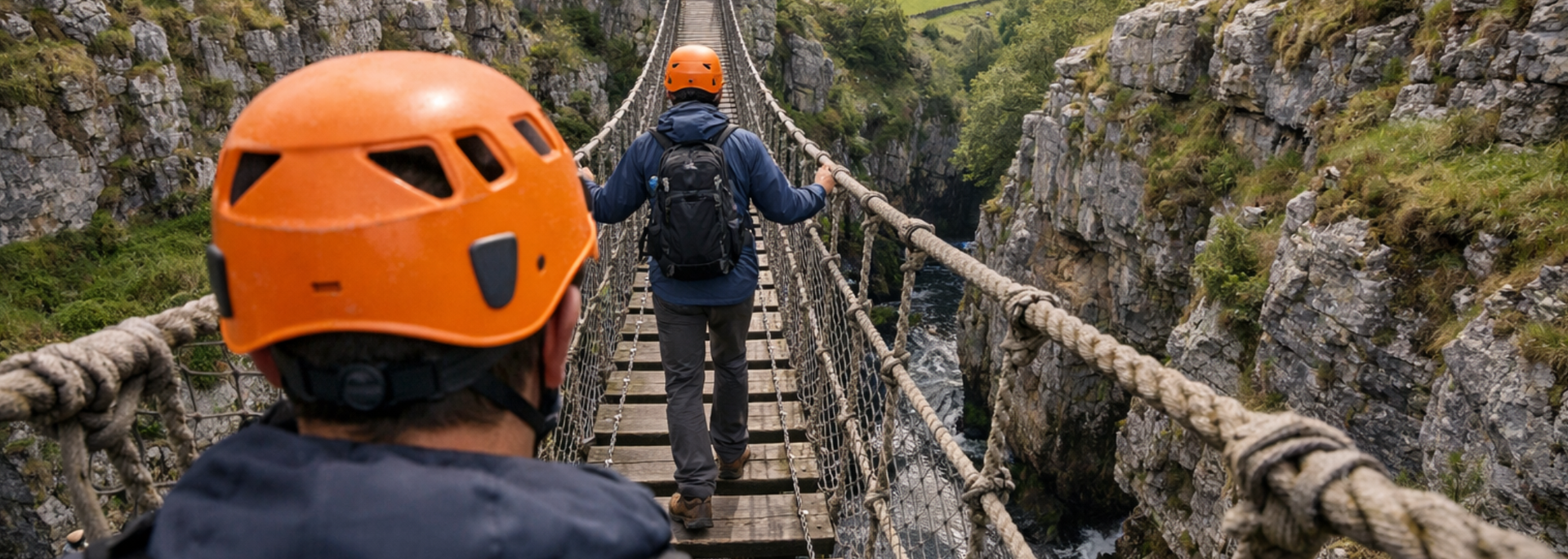
If you're comfortable walking on rough ground, using your hands for balance, following instructions and, above all, getting wet, you're good to go.
If you have any medical conditions, just be sure to check suitability with activity providers and discuss with your GP beforehand.
Respecting Yorkshire's natural environments
With the right guidance, equipment and awareness, gorge walking offers an exhilarating and memorable way to experience the wild beauty of Yorkshire. However, as well as staying safe, it's vital to protect the environments that make it possible.
River gorges are delicate ecosystems. They support plant life, insects, fish and wildlife adapted to very specific conditions.
Responsible gorge walking means following established access routes, respecting local land permissions, avoiding damage to vegetation and leaving no litter behind.
Organised providers will operate under agreed environmental guidelines designed to protect these landscapes for years to come.
The best time to go
Gorge walking takes place throughout much of the year, though experiences vary by season.
Spring and summer often offer milder temperatures and lower water levels, making them popular with beginners and families.
Autumn and winter can provide more dramatic water flow, but conditions become colder and more technically demanding. That's great for thrill-seekers, but it reinforces the importance of guided participation.
Rather than strict calendar dates, it's the weather that ultimately determines suitability.
Combining adventure with exploration
Many visitors choose to combine outdoor activities like gorge walking with other Yorkshire experiences, from scenic walks to underground exploration.
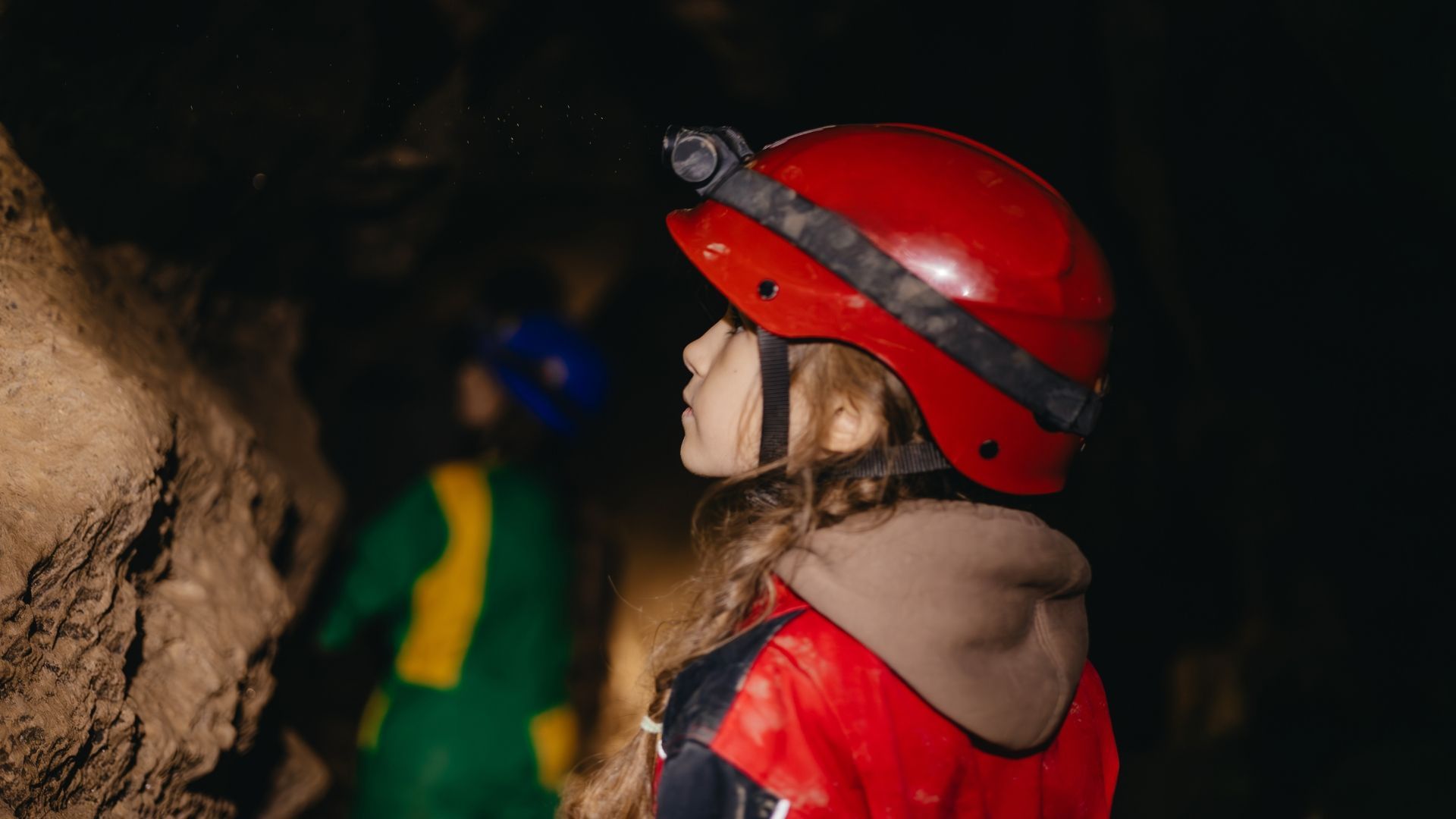
After time spent navigating rivers and waterfalls above ground, exploring the world beneath offers an entirely different perspective on how water shapes the landscape.
At Stump Cross Caverns, you can see the long-term effects of water erosion, safely revealed underground in the form of glittering mineral formations carved over millions of years. This natural wonder serves as a reminder of how today's flowing streams are part of an ongoing natural process still shaping Yorkshire beneath our feet.
Are you ready for an adventurous day trip out in Yorkshire? Stump Cross Caverns is an underground cave system full of mysterious passageways and ancient rock formations. It's quick and easy to book your tickets online.