From ancient explorers to modern adventurers… Discover how caving evolved from survival and science into a carefully managed outdoor sport.
Long before caving became a hobby and a sport, humans were already drawn underground.
Caves offered shelter, protection and mystery – and were sometimes crucial to survival. Early people used them as homes, ritual spaces, storage sites and places of refuge. Yet alongside these practical uses, there was likely a deeper sense of curiosity at work.
What lay in the darkness beyond? Where did tunnels lead? How deep did the earth continue beneath our feet?
The history of caving is, at its heart, the story of that curiosity slowly transforming into complex exploration. The story of tentative steps into the dark becoming a carefully managed outdoor activity enjoyed around the world today.
The first cave explorers
The earliest cave visitors were not adventurers in the modern sense of the word. Early humans entered caves out of necessity.
Archaeological evidence shows humans using caves across Europe and beyond for tens of thousands of years. Some of the world's most famous prehistoric artworks, including those at Lascaux in France and Altamira in Spain, were created deep underground, far away from natural light.
Reaching these spaces required planning, firelight and courage. Even then, early explorers ventured only as far as conditions safely allowed.
While these journeys weren't recreational, they demonstrate how humans have always felt compelled to explore beneath the surface.
From shelter to scientific curiosity
By the 17th and 18th centuries, attitudes toward caves began to change.
Natural philosophers started studying caves to understand geology, water systems and the formation of landscapes. They carefully recorded stalactites, underground rivers and fossil discoveries. These hidden spaces offered vital clues about Earth's history long before geology as a science existed as we know it today.
Close to home, growing interest in limestone regions such as those in the Yorkshire Dales led to increased exploration of natural caverns and potholes. Local miners and landowners often guided visitors underground using candles, ropes and ladders.
The Victorian age of exploration
The 19th century marked a turning point.
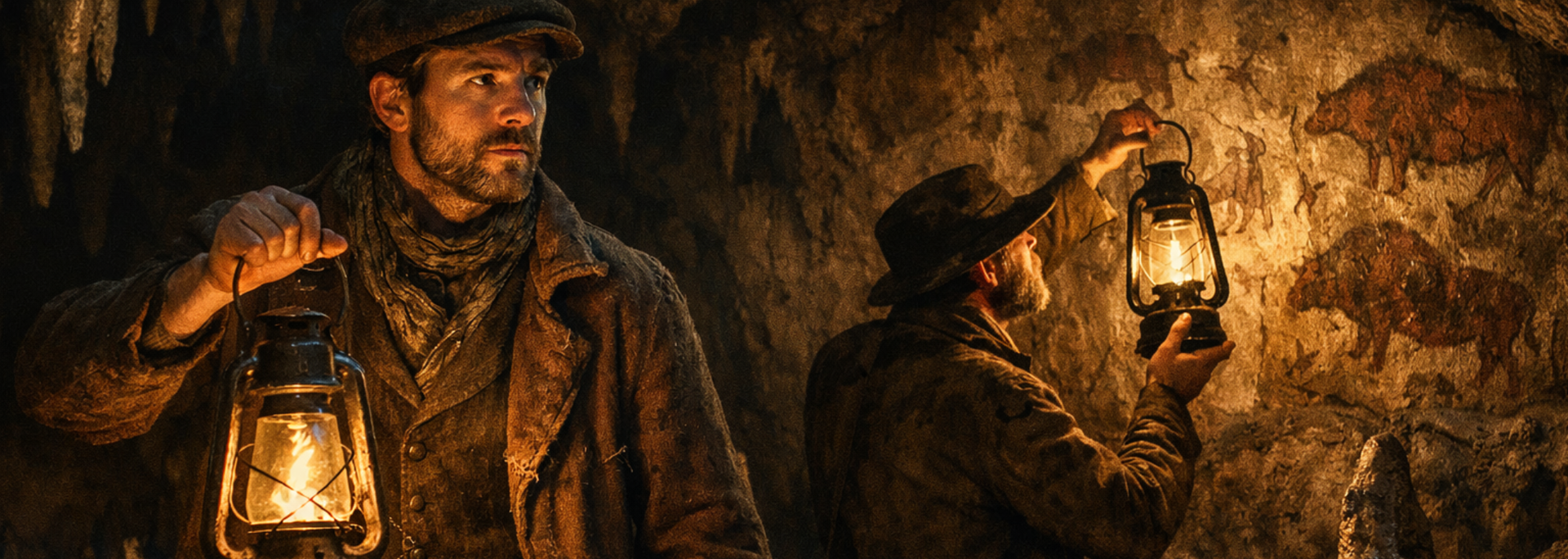
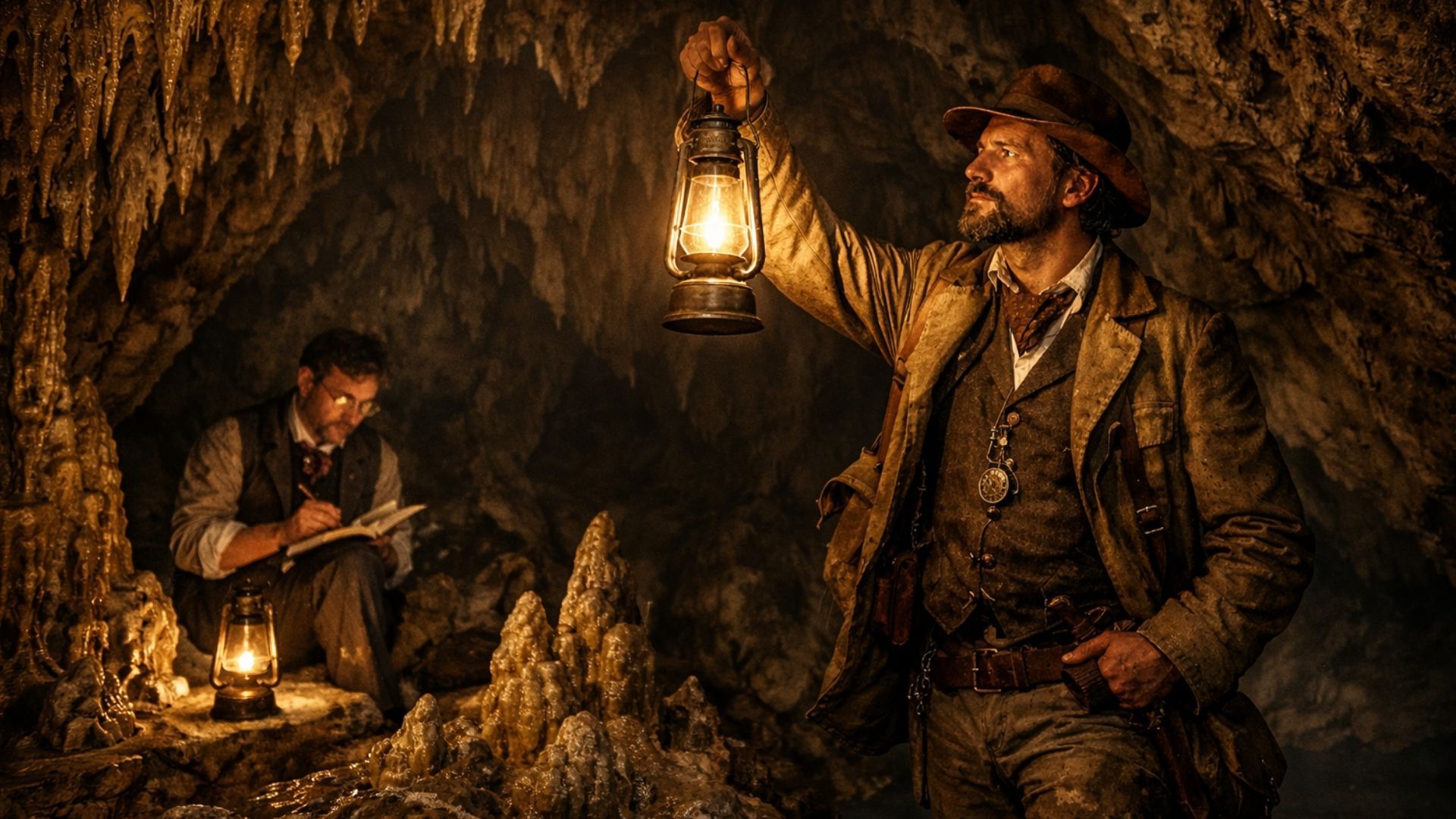
Victorian society developed a fascination with discovery and adventure – from mountain climbing to polar exploration – and caves became part of that trend. Improved lanterns and basic climbing equipment allowed explorers to travel deeper underground than ever before.
Caves were mapped, measured and documented as exploration clubs were established, sharing knowledge and techniques.
In Yorkshire, particularly, curiosity about limestone landscapes encouraged systematic investigation of underground passages.
Visitors described underground chambers with theatrical excitement, often comparing them to cathedrals or enchanted palaces carved by nature.
While still a long way from the organised sport we know today, we were getting closer. Victorian cave explorers were determined, getting organised and increasingly skilled.
When caving got organised
The early 20th century saw the birth of modern speleology – the scientific study of caves – alongside recreational caving.
Clubs formed across the UK and Europe, bringing together a growing number of people interested in geology, mapping, climbing and exploration.
Equipment improved rapidly. Safety helmets replaced hats. Electric lighting replaced candles. Ropes and anchors became more advanced and reliable. Safety techniques were shared and standardised.
Cavers began pushing into deeper and more complex systems, discovering underground waterways, vast chambers and intricate passage networks that were previously completely unknown.
Most importantly, safety culture also evolved. Training, communication and rescue planning became central parts of responsible exploration, and curiosity was now guided by knowledge and diligence.
Exploring responsibly – caving as a modern-day activity
Today, caving sits alongside activities such as climbing, hiking and kayaking as a recognised outdoor pursuit.
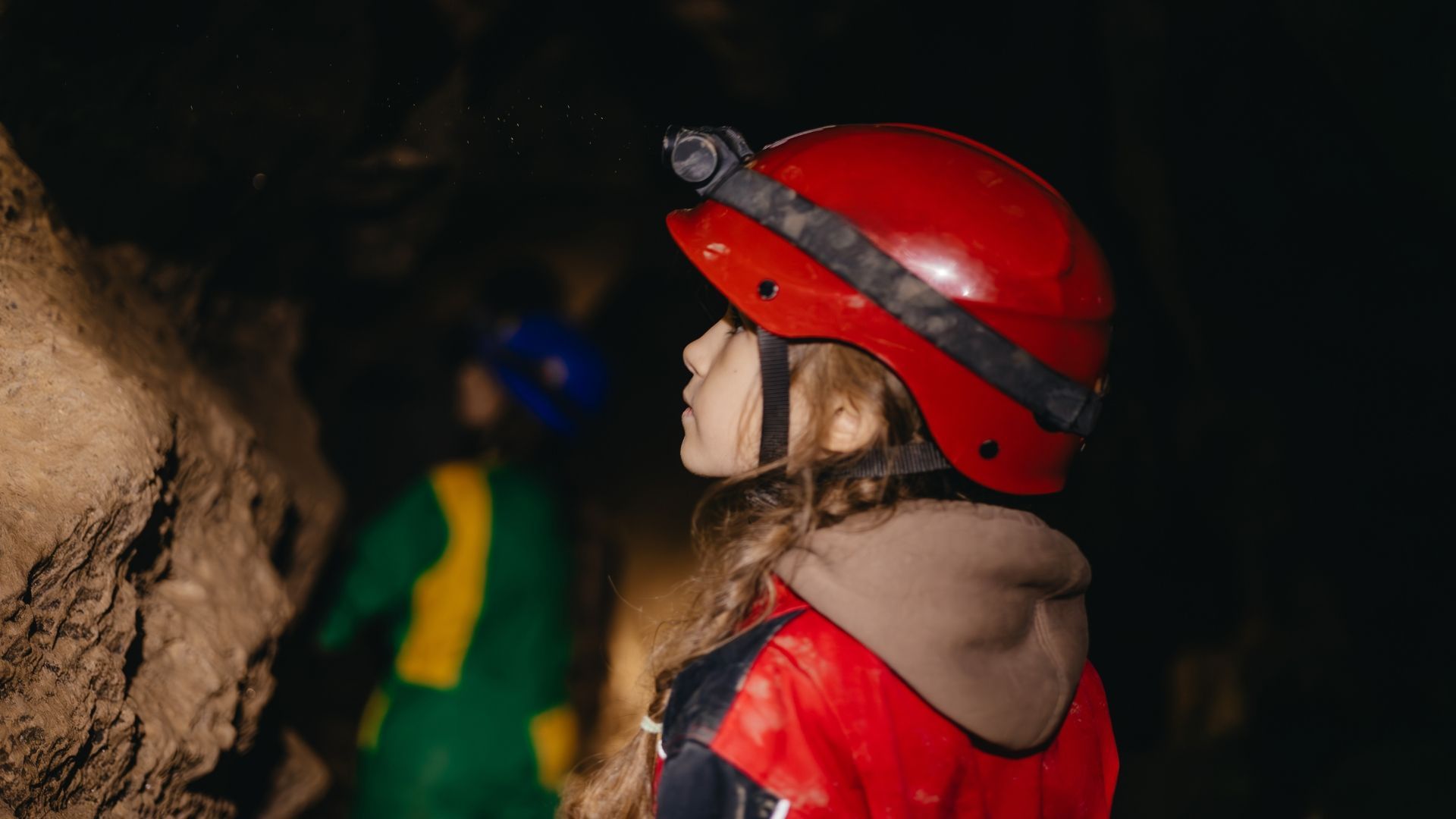
Modern cavers use specialist equipment and undergo training to safely explore challenging environments. Many trips take place under professional supervision, particularly for beginners.
The focus has shifted away from conquest and toward appreciation for geology and experiencing landscapes rarely seen by others.
Attitudes toward caves nowadays recognise something earlier generations often overlooked – caves are fragile, delicate places.
Responsible caving emphasises environmental protection, group safety and respect for these precious ecosystems and environments.
Formations grow incredibly slowly – sometimes over millions of years. Wildlife habitats can be easily disturbed. Damage caused in seconds may have an impact that lasts forever.
As a result, responsible exploration now prioritises cave conservation alongside adventure.
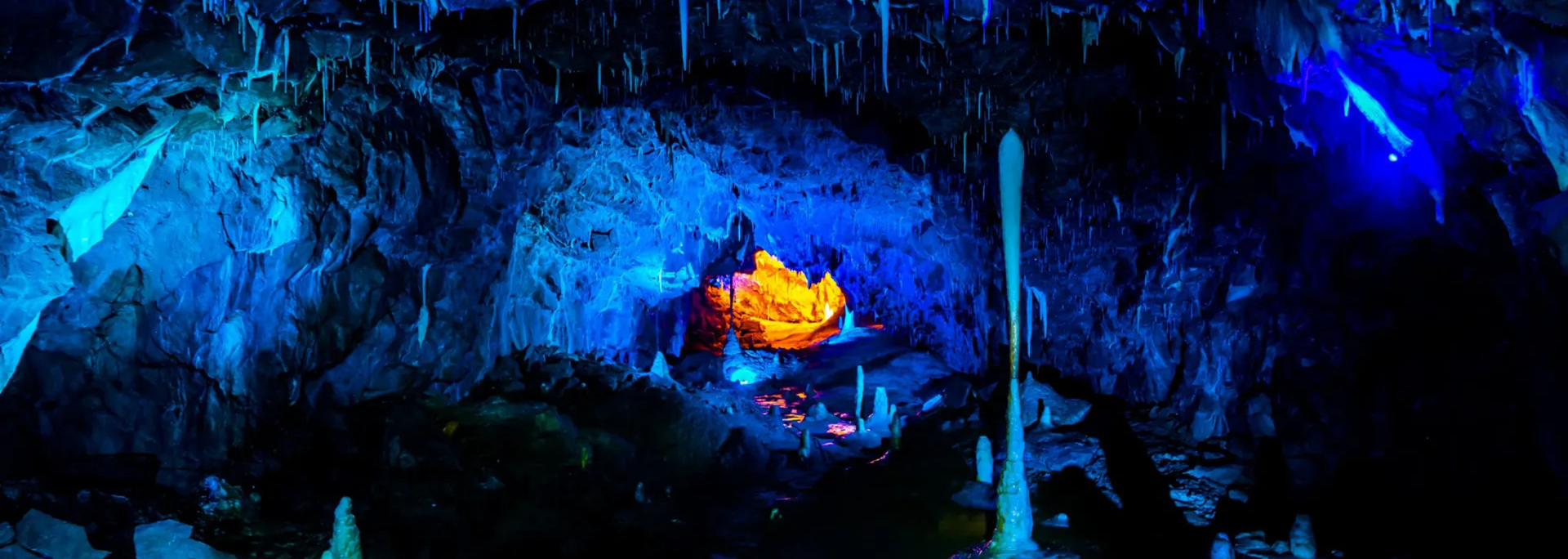
Many caves are protected environments, and access may be restricted to preserve delicate ecosystems. Education plays an important role in helping visitors understand why careful behaviour underground matters.
Caving for everyone
While technical caving remains a specialised activity, many people experience caves for the first time through show caves designed for safe public exploration. Stump Cross Caverns is one such cave.
Here, visitors can experience genuine underground environments without any specialist equipment. Carefully maintained pathways and lighting systems make it possible for families, school groups and curious explorers to encounter geology shaped over hundreds of thousands of years.
For many visitors, this first experience sparks the same curiosity that motivated early explorers centuries ago, inspiring the natural scientists and geologists of the future.
From ancient shelter to shared adventure – why caves still fascinate us
Despite technological advances and satellite mapping, caves retain an element of mystery.
Deep beneath the earth, there is no weather forecast, no traffic noise, no horizon – only the tranquillity of the stone and the trickle of running water. Caves are like nature's very own sensory deprivation tanks. And many cavers love that feeling of escape from everyday distractions.
The journey from prehistoric refuge to modern sport spans thousands of years, yet the motivations to explore caves remain remarkably similar. Today, people enter caves in the name of science, adventure, education or simple fascination. But they all share the same instinct that drew our ancestors underground long ago: to learn, to understand and to discover.
At Stump Cross Caverns, we keep that long history alive every day as we welcome visitors to take their first steps beneath the Yorkshire landscape. Thanks to the centuries of work done by those who came before, your underground adventure is guided by safety, knowledge and understanding. However, just like the early humans who took those first steps into darkness, your curiosity still leads the way.
Are you ready to try caving in North Yorkshire? Buried deep beneath the Yorkshire Dales, Stump Cross Caverns is a family-friendly show cave that requires no specialist equipment or knowledge to explore. Start your adventure today by booking your tickets online.