Britain's extinct giants

Simon Edward • June 14, 2024
BOOK TICKETS

Ever wondered about the UK's ancient megafauna? Find out about the prehistoric giants that roamed Britain.


Ever wondered about the UK's ancient megafauna? Find out about the prehistoric giants that roamed Britain.

When you think of the British landscape, what wildlife springs to mind?


Badgers, foxes, deer and even wild ponies make their homes on this green island. But Britain hasn't always hosted the same inhabitants.


You might be surprised to learn that huge beasts – the kind more often associated with myths and legends – once roamed these fair isles. Back then, the UK looked very different indeed.


Read on to learn about some of the wonderful giants of Britain's past.


Why did giants roam Britain?


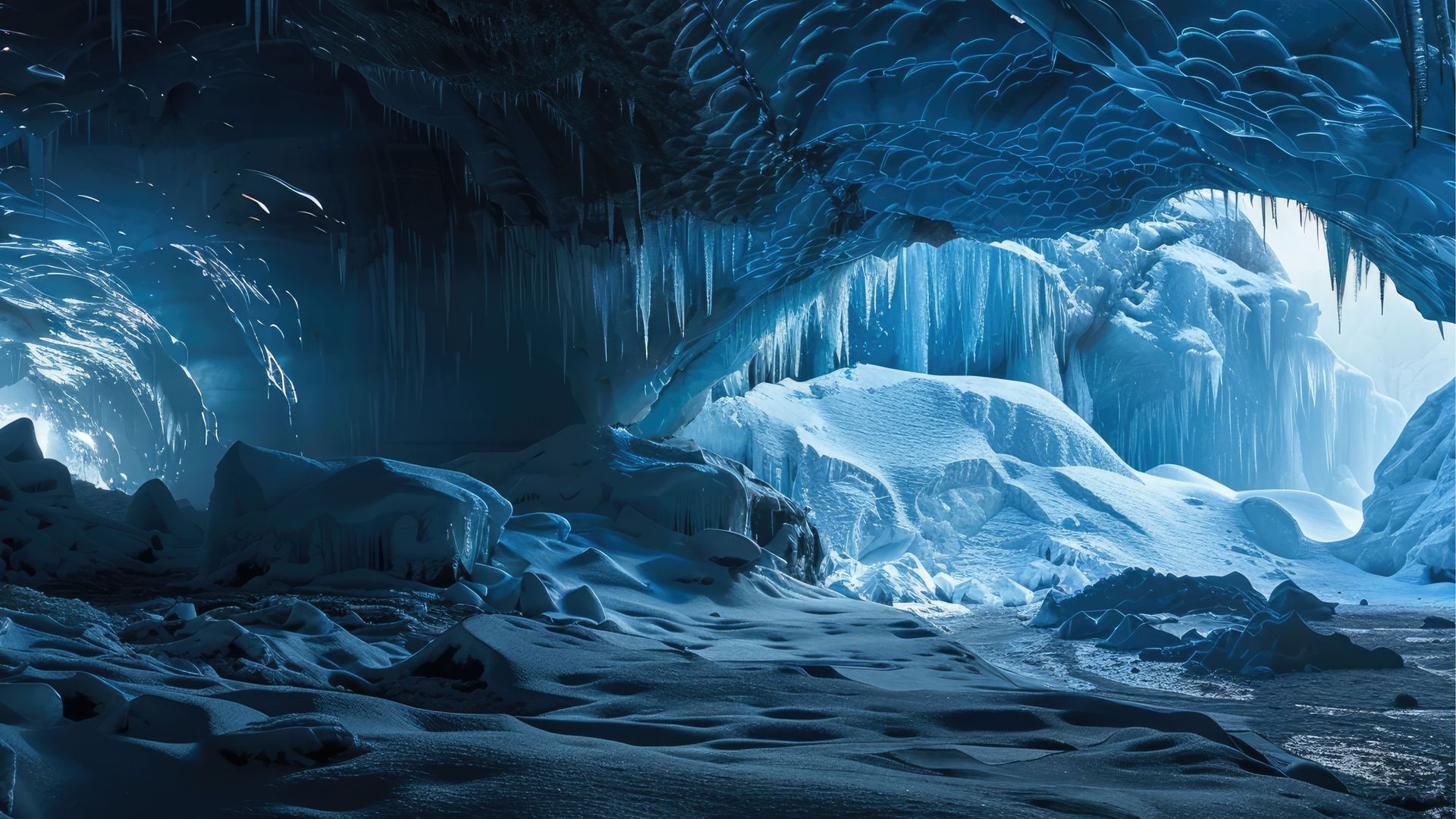
In prehistoric times, Britain's landscape was affected by several ice ages – the last of which ended around 10,000 years ago. This meant that, for many years at a time, the landscape was covered in ice or glaciers.


During periods of glacial retreat, woodland began to replace the ice sheets and eventually took hold, resulting in large areas of sparse forests – perfect for megafauna to thrive.


As the climate gradually warmed and became suitable for human habitation, the first people arrived, having migrated out of Africa and into Europe. These intrepid travellers would have been greeted by some giant – and rather scary – animals. 


Sadly, all of our megafauna are now extinct. We learn about these creatures through what they left behind in fossils and bones. We've even found a few deep-frozen examples that have been preserved for thousands of years – though not in Britain.


Scientists across the globe have helped paint a picture of the prehistoric landscape by studying these artefacts using methods such as radiocarbon dating.


We'll soon explore
why these ancient giants died out. But first, let's meet a few of them.


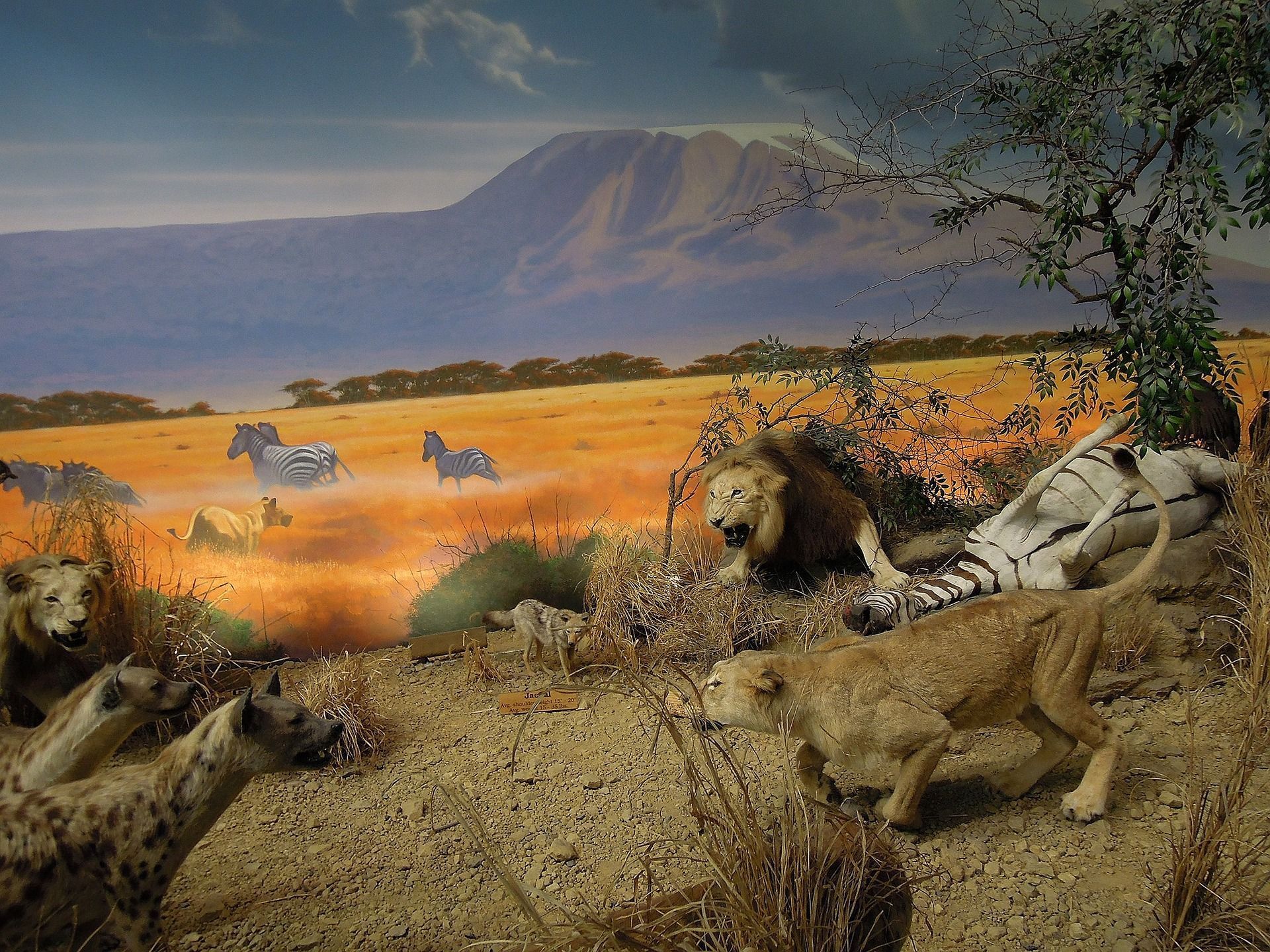
The giant short-faced hyena


Vastly different from the African spotted hyenas we see today, the giant short-faced hyena is just one of the varieties of Ice-Age hyenas that once lived in Britain.


It would have been a fearful sight for our Neanderthal and Homo Erectus ancestors, standing at one metre in height and weighing up to 240 pounds. That's nearly the size of a lioness. Eek!


Diorama of the giant short-faced hyena and lions.

Much larger than modern hyenas, the giant short-faced hyena was also known to prey on humans. Scary indeed.


The cave lion


Would you believe Britain was home to the largest cat ever thought to have existed? Cave lion bones have been found in Torquay, so we know for a fact that they were here. (Enjoying a seaside holiday, perhaps.)


Beautiful but fearsome creatures, their coats were sandy and mottled and they could reach a whopping 800 pounds. Somehow, though, they could still run at around 30 miles an hour. Now that is a humongous and speedy cat!


Want to learn more? Check out our
article all about the British cave lion.


Sabre-toothed cats 


Around the size of modern-day tigers and lions, sabre-toothed cats tended to live in plains and grasslands.


Using their environment to hide, the cats waited in ambush for their prey rather than chasing them down. They hunted animals like mammoths and bison, piercing their flesh with those large, sharp teeth.


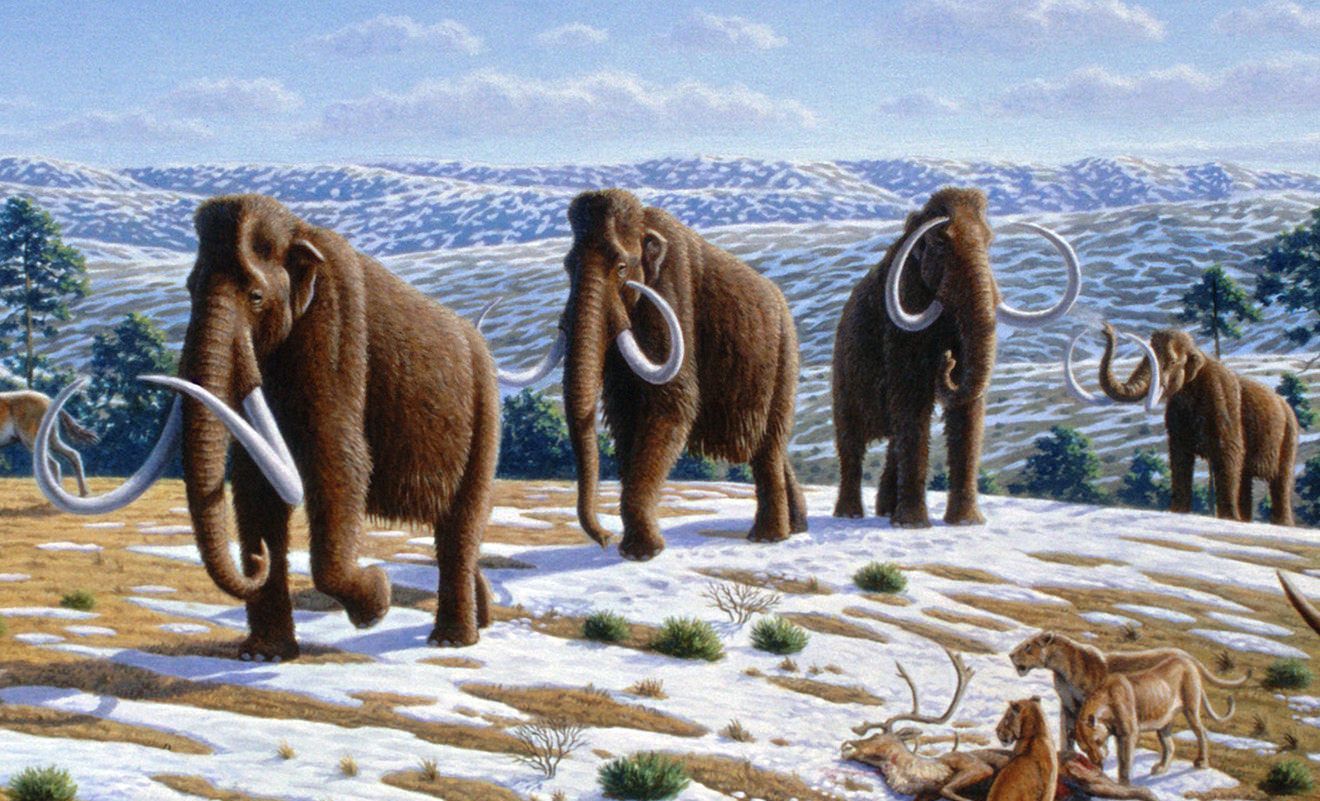
The woolly mammoth


The poster child of prehistoric animals, the woolly mammoth is an iconic beast. To think, this elephantine ancestor used to roam the wilds of Britain. How amazing!


Mammoth remains found in Shropshire
suggest that mammoths may have lived here until about 14,000 years ago – not 21,000 as previously thought.


A relative of the African elephant, mammoths lived in a considerably colder environment, so their skin was covered in dense fur. They looked a bit like an elephant wearing a woolly jumper – hence the name.


The auroch


Aurochs were part of the
Bovidae family of animals, which includes cloven-hoofed ruminants such as yak, cattle and goats.


All domestic cows are descended from ancient aurochs, which were once common across the globe. Just like modern cows, they were grazers in the grasslands of prehistoric Britain and their dung helped create highly fertile ground.


Rewilding scientists in Britain are currently researching the possibility of reintroducing aurochs to Britain, following a successful back breeding programme in Europe.


The woolly rhinoceros


This sizeable vegetarian is thought to have arrived in Britain around 300,000 years ago, having migrated from Europe across Doggerland. This sunken land mass used to stretch between Britain and France.


Just like Britain's mammoths, woolly rhinos were covered in fur, which allowed them to thrive in harsh conditions. Similar in size to their modern-day cousins, they are thought to have died out in Britain around 8,000 years ago. 


So, what happened to them all? 


Debate rages among the scientific community as to how and why our megafauna became extinct. 


Some think that the arrival of humans was the death knell for our megafauna, as we were able to hunt as a team with purpose-built tools such as spears.


Were we so successful at harvesting these beasts that they simply could not sustain their populations? Some argue that it's too simplistic to place the blame solely at our ancestors' feet. They argue that other factors, such as climate change and the knock-on effects on food availability and habitats, must also have played their parts.


Perhaps our arrival happened to coincide with other factors that were already placing stress on the megafauna. It may be that we just tipped the balance. 


Want to learn more?


Now you have an idea of what animals lived in Britain thousands of years ago, why not learn more about Britain's ancient past?


Stump Cross Caverns is the perfect place to expand your knowledge on all things prehistoric. From digging for fossils to exploring deep underground in our beautiful
Yorkshire Dales caves, there's something to entertain and educate everyone in your family.


We even have a resident
Cavewoman on hand to answer any questions you may have. (Think she ever had to fight off a cave lion?)


Discover great restaurants and eateries near Stump Cross Caverns, from pubs to cafes – all perfect
By Simon Edward April 27, 2026
Discover great restaurants and eateries near Stump Cross Caverns, from pubs to cafes – all perfect for refuelling after exploring the Dales.
Discover Stone Age dietary and dental habits, early methods of cleaning teeth, and what cavemen used
By Simon Edward April 24, 2026
Discover Stone Age dietary and dental habits, early methods of cleaning teeth, and what cavemen used instead of toothpaste.
Discover the best apps for navigating the Yorkshire Dales, with maps, weather and safety tools
By Simon Edward April 20, 2026
Discover the best apps for navigating the Yorkshire Dales, with maps, weather and safety tools to help you explore with confidence.
Discover scenic wild swimming spots in the Yorkshire Dales, with essential safety tips
By Simon Edward April 17, 2026
Discover scenic wild swimming spots in the Yorkshire Dales, with essential safety tips to help you enjoy the water responsibly.
Discover the best rainy day activities in North Yorkshire, from museums to cosy cafes and caves
By Simon Edward April 13, 2026
Discover the best rainy day activities in North Yorkshire, from museums to cosy cafes and caves that are perfect for April weather.
Planning a birthday party for an inquisitive mind? Discover creative ideas
By Oliver Bowerman April 10, 2026
Planning a birthday party for an inquisitive mind? Discover creative ideas to make your child's special day educational and fun.
Get ahead with your weird and wonderful cave knowledge. Learn the amazing answers
By Oliver Bowerman April 6, 2026
Get ahead with your weird and wonderful cave knowledge. Learn the amazing answers to some of the most common questions kids ask about caves.
Discover beautiful wildflower meadows in the Yorkshire Dales this spring
By Simon Edward March 31, 2026
Discover beautiful wildflower meadows in the Yorkshire Dales this spring – from limestone valleys to hay fields near Stump Cross Caverns.
Discover how Yorkshire does Easter differently, from folk theatre and unique baking customs
By Oliver Bowerman March 30, 2026
Discover how Yorkshire does Easter differently, from folk theatre and unique baking customs to springtime sparkle beneath the ground.
Discover where you might find fossils in Yorkshire, and how to explore responsibly while protecting
By Simon Edward March 27, 2026
Discover where you might find fossils in Yorkshire, and how to explore responsibly while protecting the prehistoric heritage of the region.
More Posts