What came before the Stone Age?
What happened before the Stone Age? Find out about Earth's earliest history, prehistoric life and the world before humans.

When we first start learning about prehistoric life, this is usually our introduction to the Stone Age.
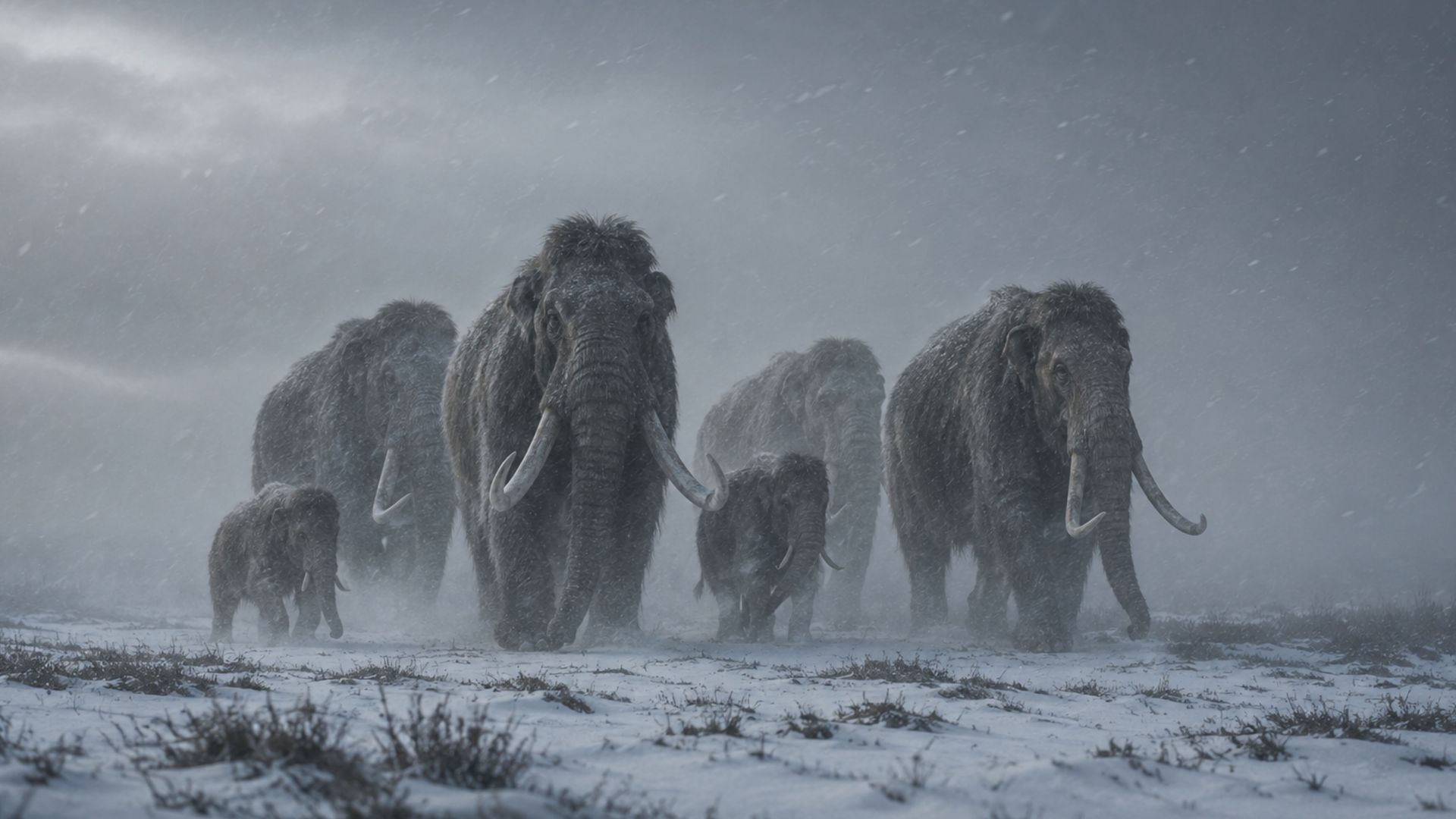
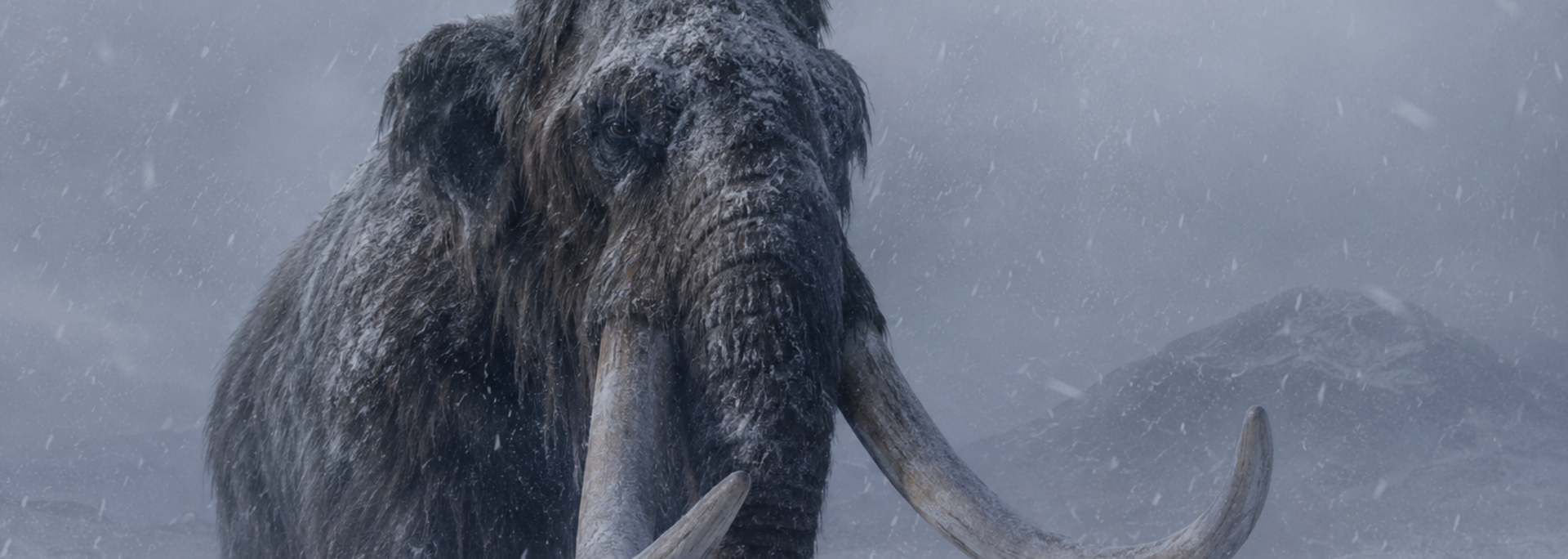
It's the age of cave paintings, early tools, woolly mammoths and some of the first humans whose actions shaped the world around them.
But what came before it?
The answer takes us far beyond early humans and stone tools. To understand what came before the Stone Age, we have to go back not just thousands of years, but millions and millions.
We need to travel backwards through time, to a time before people, before mammals, before dinosaurs… and even before life itself. Let's explore what happened before the Stone Age.
What was the Stone Age, exactly?
Before we go further back, it helps to understand what the Stone Age actually was.
The Stone Age is the name given to the earliest period of human prehistory, when humans and their ancestors used stone tools.
It's usually divided into three main periods.
The Palaeolithic period
This began around 3.3 million years ago.
The Palaeolithic period is when:
- Our early human ancestors made stone tools.
- They first learned to work together in groups.
- Fire began to play an important role.
- People hunted, gathered and migrated.
The Mesolithic period
As the Ice Age ended, humans adapted to changing climates.
During this time:
- Forests spread across Europe.
- People used smaller, more specialised tools.
- Fishing became more common.
- Human settlements became slightly more permanent.
The Neolithic period
This time period saw some of humanity's biggest changes.
In the Neolithic period, humans began:
- Farming crops
- Keeping animals
- Building permanent settlements
- Creating pottery
- Developing communities
Eventually, this led to the Bronze Age.
But long before any of that, the world looked very different.
Before humans: the age of ice and giant animals
Before the Stone Age, Earth was already teeming with life.
Large mammals roamed parts of the world, like woolly mammoths, sabre-toothed cats, giant deer, bears and even woolly rhinos.
Some of these animals actually lived alongside early humans. However, many evolved long before humans became widespread.
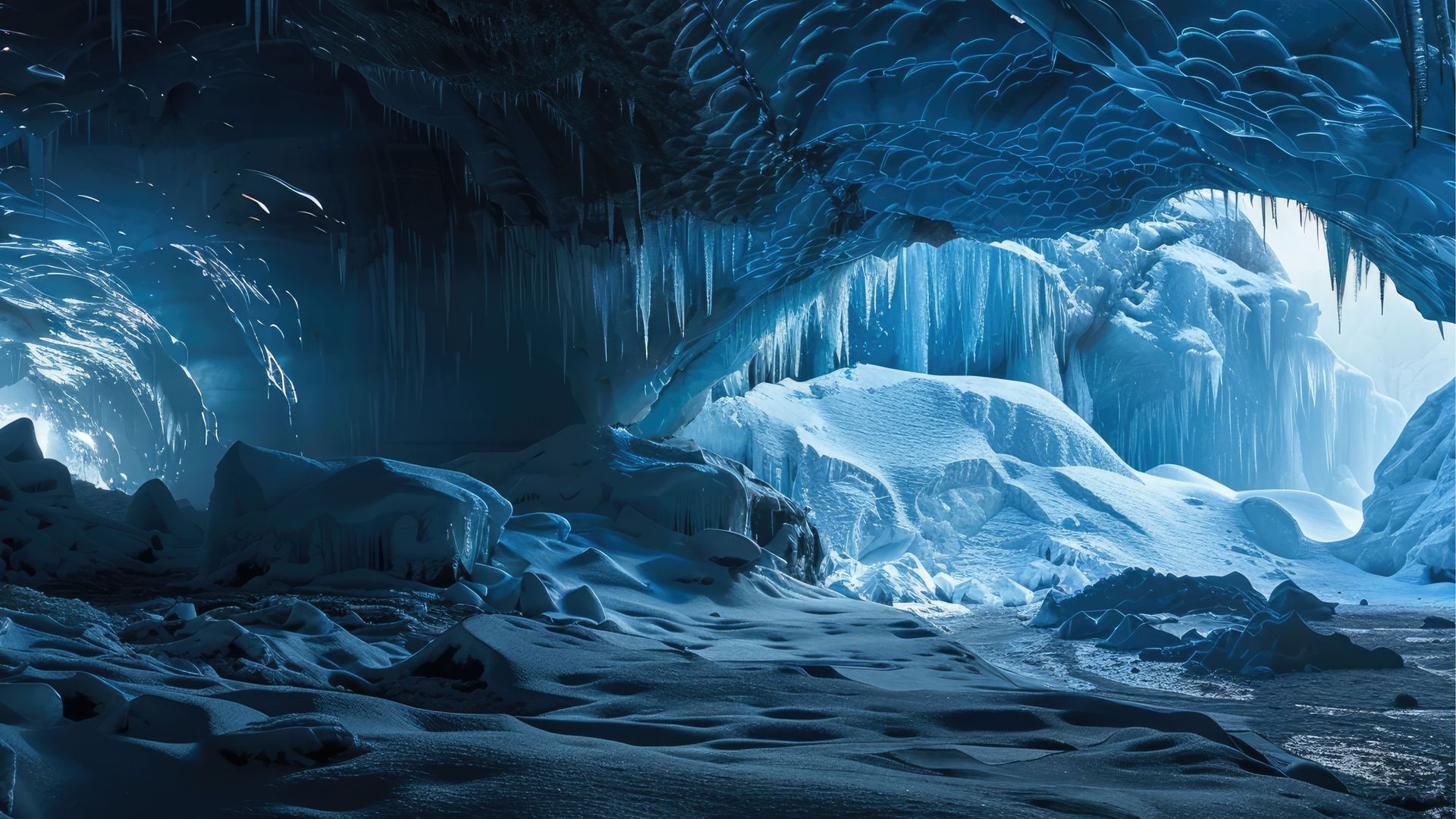
The Earth's climate was constantly changing during this period. Massive ice sheets covered huge parts of Europe, North America and Asia during the ice ages.
These frozen conditions shaped landscapes we still see today. Many caves, valleys and rock formations in places like the Yorkshire Dales were influenced by ancient ice, water and geological change.
Before mammals: the age of dinosaurs
If we travel even further back, we reach one of the most famous periods in Earth's history: the age of dinosaurs.
Dinosaurs lived for around 165 million years – far longer than we humans!
They lived during three major periods:
- The Triassic Period, when the earliest dinosaurs began to appear
- The Jurassic Period, when dinosaurs spread across the planet
- The Cretaceous Period – some of the largest and most famous dinosaurs lived during this time
This was the world of the Tyrannosaurus rex, the Stegosaurus, the Triceratops, flying reptiles and giant marine creatures.
Eventually, a mass extinction event around 66 million years ago brought the dinosaur age to an end.
Before dinosaurs: giant reptiles, forests and strange sea life
Before dinosaurs, Earth was already filled with some extraordinary creatures.
Imagine thick swamp forests holding enormous reptiles and insects, where dragonflies as large as birds hovered over the water. Or dense forests filled with towering ferns and strange plant life.
During these ancient periods, much of the Earth looked completely different from how it does today.
Many fossil fuels, coal deposits and sedimentary rock layers formed during these times.
Before animals on land: life in the oceans
If we go back further still, there were no forests.
No dinosaurs.
No mammals.
No insects.
No humans.
But life still existed – in the oceans.
The earliest sea creatures included jellyfish-like animals, marine worms and early fish.
One particularly famous group was the Trilobite. These armoured sea creatures lived hundreds of millions of years ago and are now common fossils in many parts of the world.
Fossils like these help scientists understand what early Earth looked like.
Before sea animals: microscopic life
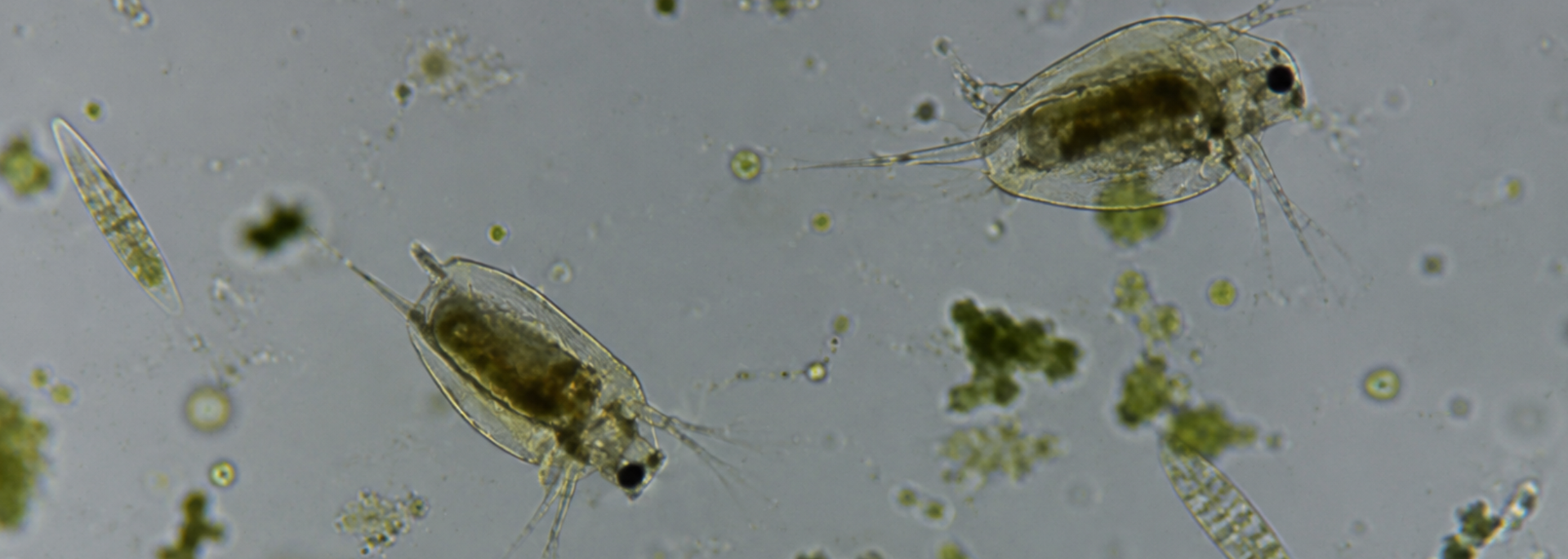
Now we're going really far back – to a time when Earth's only life forms were microscopic in the water.

These tiny organisms included bacteria, single-celled organisms and algae-like life forms. These early life forms may not sound particularly exciting, but they changed the planet forever.
Some of them began producing oxygen through photosynthesis. Over millions of years, this helped create the atmosphere we depend on today.
Without them, complex life may never have evolved.
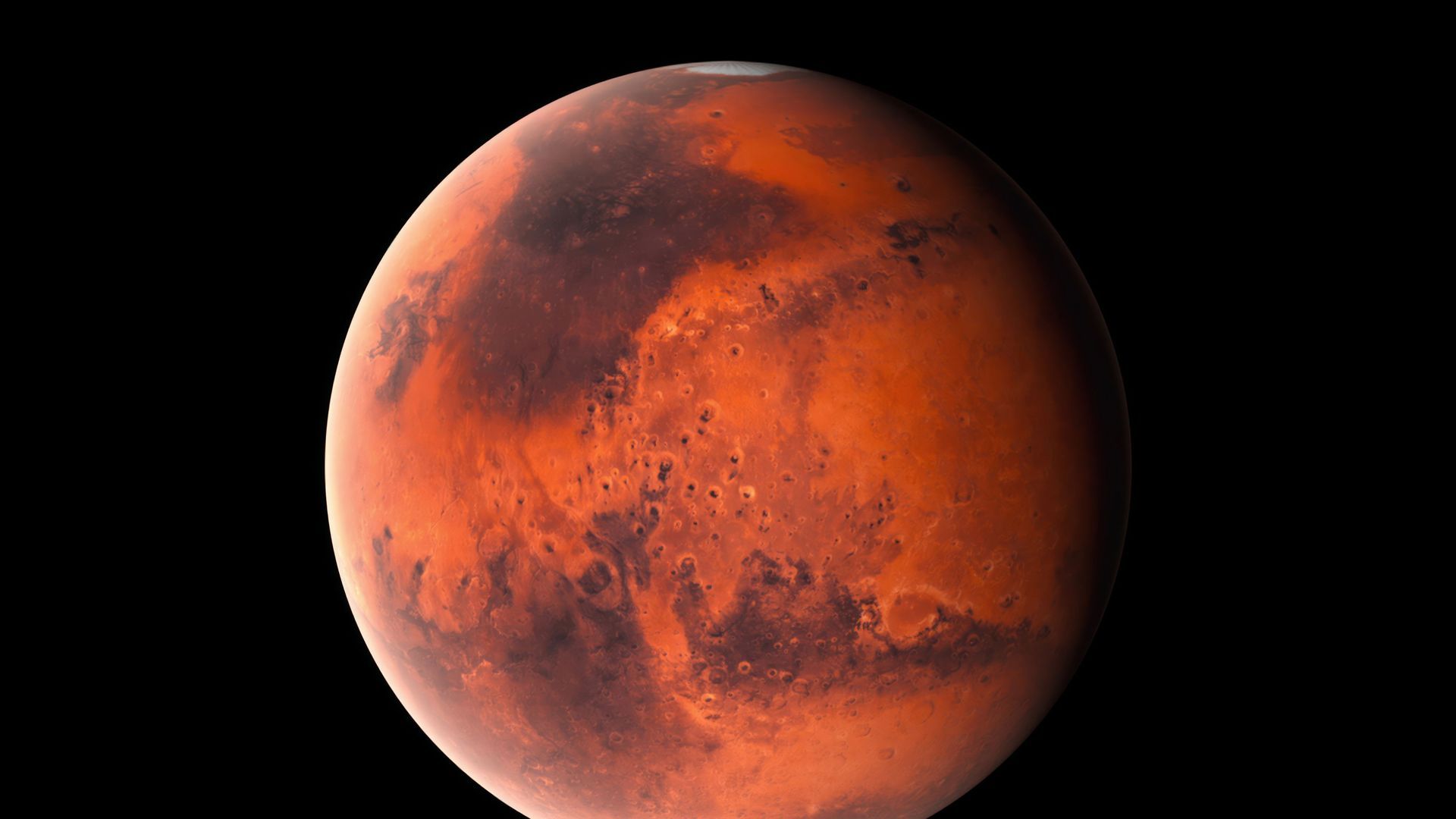
Before life: a young Earth
Now we've reached a time before any living thing existed.
Around 4.5 billion years ago, Earth itself was still forming.
It was a violent place. There were volcanoes and oceans of lava. Bombarded by meteor impacts, with toxic gases and no breathable air, our planet was no place for life. It was hot, unstable and completely unrecognisable.
Over millions of years, things slowly changed. The Earth cooled down, water formed, and oceans appeared. This is what allowed life to begin.
How do we know all this?
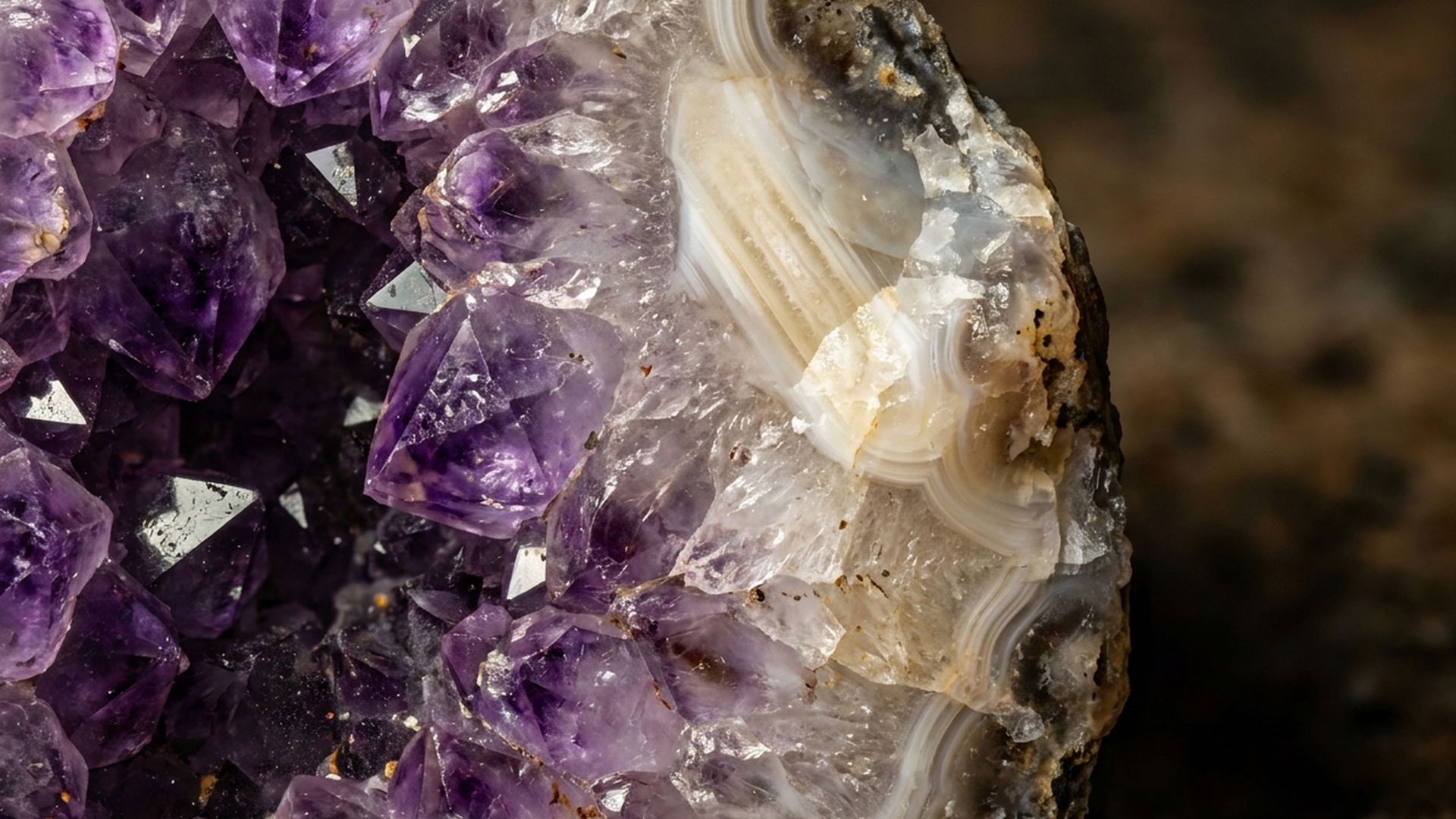
That's one of the best questions of all. Scientists learn about Earth's history by studying fossils, rock layers, minerals and crystals and underground cave formations.
Places like Stump Cross Caverns help bring some of these prehistoric processes to life.
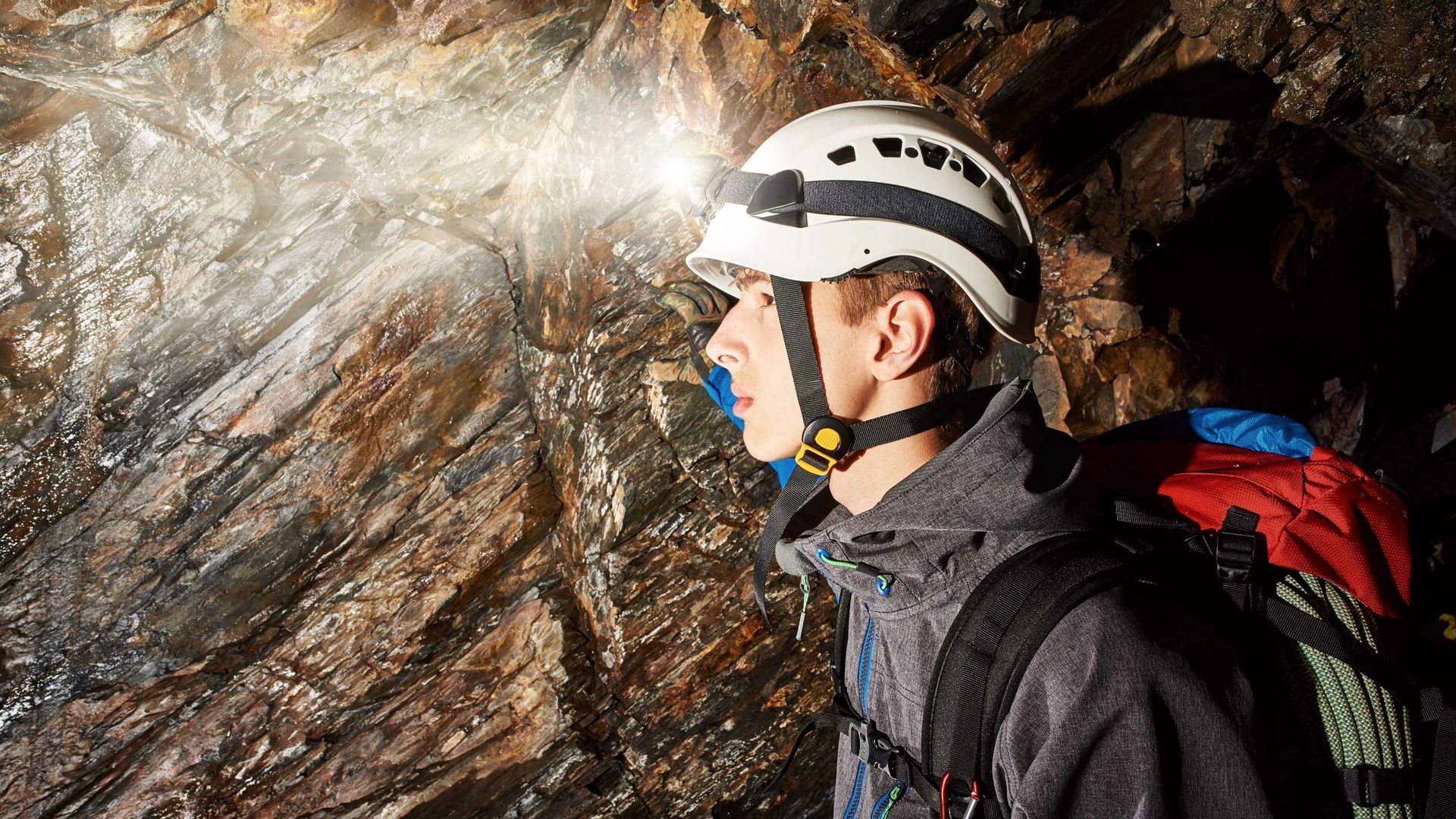
When you step below the ground, you can see how water shapes the rocks, how minerals form and how geological changes happen across thousands of years.
Why does prehistory matter?
Learning about what came before the Stone Age helps us understand that human beings are only a tiny part of a much bigger, much longer story.
The Earth existed for billions of years before people appeared. Every fossil, cave, crystal and rock formation tells a piece of that story. The Stone Age might feel ancient to us, but in Earth's history, it's actually very recent.
Here at Stump Cross Caverns, you can connect with that incredible story. Voyaging underground can help you understand that every rock, fossil and cave formation has a history far older than we can imagine.
Stump Cross Caverns is a network of caves in the Yorkshire Dales. Would you like to explore a real, beautifully preserved ancient world? It's easy to book your tickets online.