
Cave conservation: looking after our underground treasures

Simon Edward • April 5, 2024
BOOK TICKETS

Caves are magnificent, delicate things. Learn how cavers and conservation groups keep them safe.


Caves are magnificent, delicate things. Learn how cavers and conservation groups keep them safe.

There are few things as rewarding as exploring a cave. 


Just imagine. You've squeezed through keyholes, sumps and terraces to arrive in a vast chamber – a treasure chest of underground architecture, crafted over thousands of years. Wow.


It's a feeling we want everyone to experience – but it's a bit of a catch-22 situation. If literally
everyone started exploring their local caves, the caves would struggle to cope.


Caves are magnificent – but they're also surprisingly delicate. How do we ensure their preservation for millennia to come and allow future generations to enjoy them as we do?


Cave conservation is a hot topic among the caving community. In this article, we explore some ground rules, pioneering techniques and best practices for caving clubs and individuals alike. 


Why is cave conservation important?


Not only do cave systems contain fascinating rock formations, but they're also home to countless species of wild and microbial life.


These are hugely scientifically and geologically important places. That's why it's essential that we follow a code of conduct to help us enjoy these wonderful places without harming or changing them.


So, let's talk for a moment about one of the greatest day-to-day risks to cave systems: cavers themselves.


The physical effects of human visitation can significantly alter a cave's environment – and we're not talking about big stuff like stealing stalagmites as souvenirs. Even tiny things like the dust clouds from our footsteps or muddied handprints on cave walls can have an effect.


On top of this, of course, we have to consider how the cavers of yore treated our underground wonders. Some of the excavation techniques employed decades ago wouldn't be looked upon kindly by the cavers of today.


(Under)ground rules for cave conservation


You'll be glad to hear that well-considered conservation approaches don't focus on barring human access to cave systems. Rather, they're about encouraging a community approach to best practice when visiting our underground landscapes.


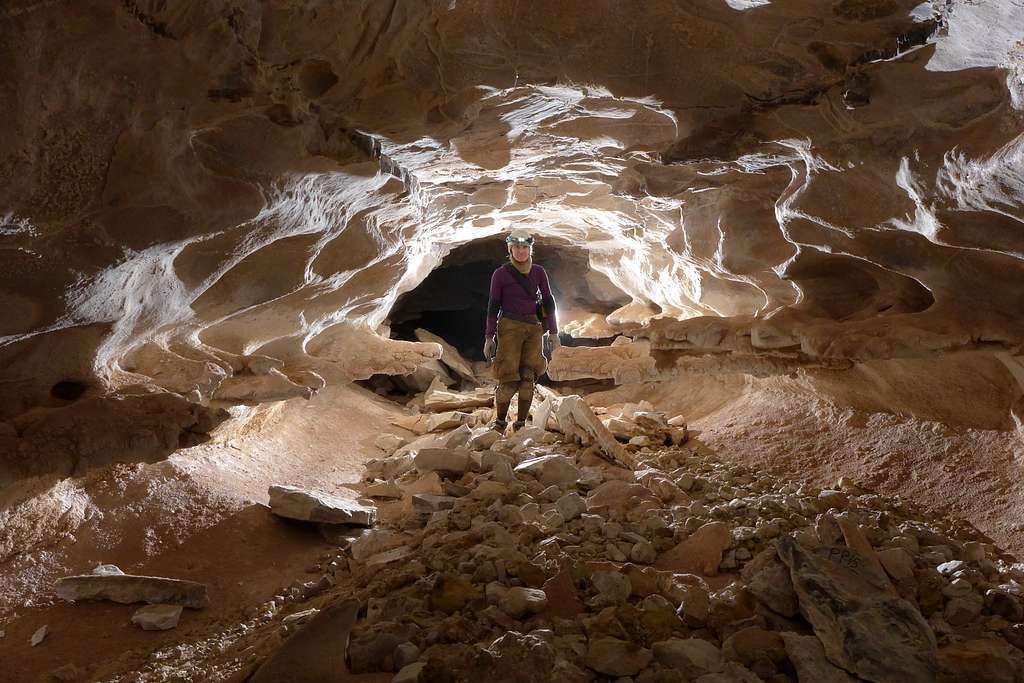
Picture of caver exploring a cave.

What does this all mean in reality? Well, each cave is very different – and this means a bespoke approach must be taken with each journey.


The ground rules ensure that each trip is sympathetic to the cave you're visiting. It makes sense that beginners and large groups stick to more open and hardwearing caves, whereas a more vulnerable cave environment would suit smaller groups of experienced cavers.


Some cave systems have their own conservation plan in place – a sort of cave healthcare plan. Be sure to familiarise yourself with these ahead of your journey. They typically advise on group sizes, among other things you'll want to know before getting started.


And if in doubt, always follow the cavers' code:

  1. Always cave together. Stick with your party and help one another through any obstacles to ensure no damage comes to vulnerable parts of the cave system. This also ensures no one gets lost, injured or takes a wrong turn.
  2. Learn to recognise where to tread and where to avoid. There are lots of different types of surfaces and some can be damaged by cavers walking or even crawling over them. One good way of learning this is by caving with a club on an organised outing. This way, you will be under the guidance and supervision of experienced cavers. 
  3. Route markers are a must and should be in place throughout guided cave systems. These must be followed and should be repaired or replaced by any caver who finds them damaged or in disrepair. You can, of course, report anything that you're unable to repair once you're back above ground.
  4. Pack light where possible. The less bulky equipment and luggage your group is carrying, the less chance there is of these coming into contact with delicate rock formations. The last thing we want is a snapped stalagmite!
  5. If you have less experienced or new cavers in your group, make sure they are guided and under good supervision throughout the journey.
  6. Finally, treat all wildlife and cave features with respect. Where possible, avoid them completely so as not to disrupt or disturb them. 


Follow these six simple steps and you'll be well on the way to caving with compassion.


Other risks and conservation efforts


Physical conservation work takes many forms, from removing evidence of cave visitors through to path building and route marking.


Many cave sites have worked hard to remove historic graffiti and remnants of fires – and some have undertaken construction work to ensure their cave's entrance is ample in size and structurally sound.


Picture of a large cave entrance.

There are also external risk factors that are out of our control. Examples include building on nearby or cover-land, quarrying and introducing new forest and landfill sites.


What happens on the surface can affect what's going on underground. Water and mineral deposits from these industrial activities can have a fast and profound effect on the landscape of a cave system.


The British Caving Association works alongside local caving councils to protect the UK's caving system from these external threats. It lobbies with landowners, industry and the government to ensure that laws are upheld and put in place to protect these ecosystems from harm.


Cave protection isn't a small task. However, as long as scientists, landowners and local authorities work together with the best interests of our cave systems in mind, we can afford our caves the respect they deserve. In turn, we can continue to enjoy this fascinating part of our natural landscape.


Cave conservation at Stump Cross Caverns


Cave conservation is paramount for us at Stump Cross Caverns. As our very own
Cavewoman says, "We should leave only footprints and take only memories".


We recognise that to protect, preserve and pass on our wondrous cave system, we must live by the rules and encourage our visitors to do so too.


That's why we have our own ground rules for you to follow. For instance, you're not allowed to touch the rock formations – and large backpacks are banned in case they damage the delicate calcite walls. You'll hear these rules in your cave briefing when you visit.


It's everyone's responsibility to leave a cave environment as they found it, upholding its natural and untarnished beauty. By doing this, we can enjoy and educate at the same time.


Looking for an amazing
family day out near Harrogate? Visit Stump Cross Caverns in the Yorkshire Dales and make memories you'll never forget. It's quick and easy to book tickets online.

Caves have been around for millennia. Yet humans still haven't uncovered them all.
By Simon Edward December 12, 2025
Caves have been around for millennia. Yet humans still haven't uncovered them all. Could there be more near Stump Cross Caverns here in Yorkshire?
Sites of Special Scientific Interest are natural areas with special legal protection. Learn more
By Simon Edward December 8, 2025
Sites of Special Scientific Interest are natural areas with special legal protection. Learn more about them – and how our caves became an SSSI.
A miracle in a cave and the origin of tinsel… Discover the magical folk tale of the Christmas Spider
By Oliver Bowerman December 5, 2025
A miracle in a cave and the origin of tinsel… Discover the magical folk tale of the Christmas Spider.
Meet Santa in the most magical grottos, discover the best festive days out
By Oliver Bowerman December 1, 2025
Meet Santa in the most magical grottos, discover the best festive days out and make some Christmas memories across Yorkshire.
Discover the first reviews of Stump Cross Caverns back in the Victorian era
By Simon Edward November 28, 2025
Discover the first reviews of Stump Cross Caverns back in the Victorian era, featuring glowing endorsements and some dramatic adventures.
Go back in time and discover what Stone Age people drank, from river water to wild brews
By Simon Edward November 28, 2025
Go back in time and discover what Stone Age people drank, from river water to wild brews and herbal teas.
Learn about Yorkshire's most memorable Christmas traditions, ranging from sword dances to sea dips.
By Oliver Bowerman November 21, 2025
Learn about Yorkshire's most memorable Christmas traditions, ranging from sword dances to sea dips.
Discover the best team-building activities across Yorkshire – from treetop adventures to underground
By Simon Edward November 17, 2025
Discover the best team-building activities across Yorkshire – from treetop adventures to underground discoveries.
Discover 5 of our favourite Yorkshire reservoir walks, rambles and hikes – all within easy reach
By Simon Edward November 14, 2025
Discover 5 of our favourite Yorkshire reservoir walks, rambles and hikes – all within easy reach of Stump Cross Caverns.
Discover how to spot a geode, what makes them sparkle inside and how to experience geode cracking
By Simon Edward November 10, 2025
Discover how to spot a geode, what makes them sparkle inside and how to experience geode cracking at Stump Cross Caverns.
More Posts