How are cave arches, stacks and stumps formed?

Simon Edward • 2 October 2026

Cave arches, stacks and stumps are formed over thousands to millions of years. Learn the fascinating process behind their formation.


Cave arches, stacks and stumps are formed over thousands to millions of years. Learn the fascinating process behind their formation.

Ask someone to draw you a picture of a cave, and they're likely to draw the kind you might visit here at Stump Cross Caverns. An opening. Some stalagmites and stalactites. Perhaps a bat or two.


But many of the world's caves aren't found on land – they're found at sea.


Cave arches, cave stacks and cave stumps are all rock formations found amid the waves. They're often remarkably beautiful – and all of them are thousands, if not millions, of years old.


That's impressive enough in itself. However, the story behind how they came to be is even more fascinating.


We'll tell those stories in just a minute. But first, what exactly are cave arches, stacks and stumps?


What are cave arches, stacks and stumps?

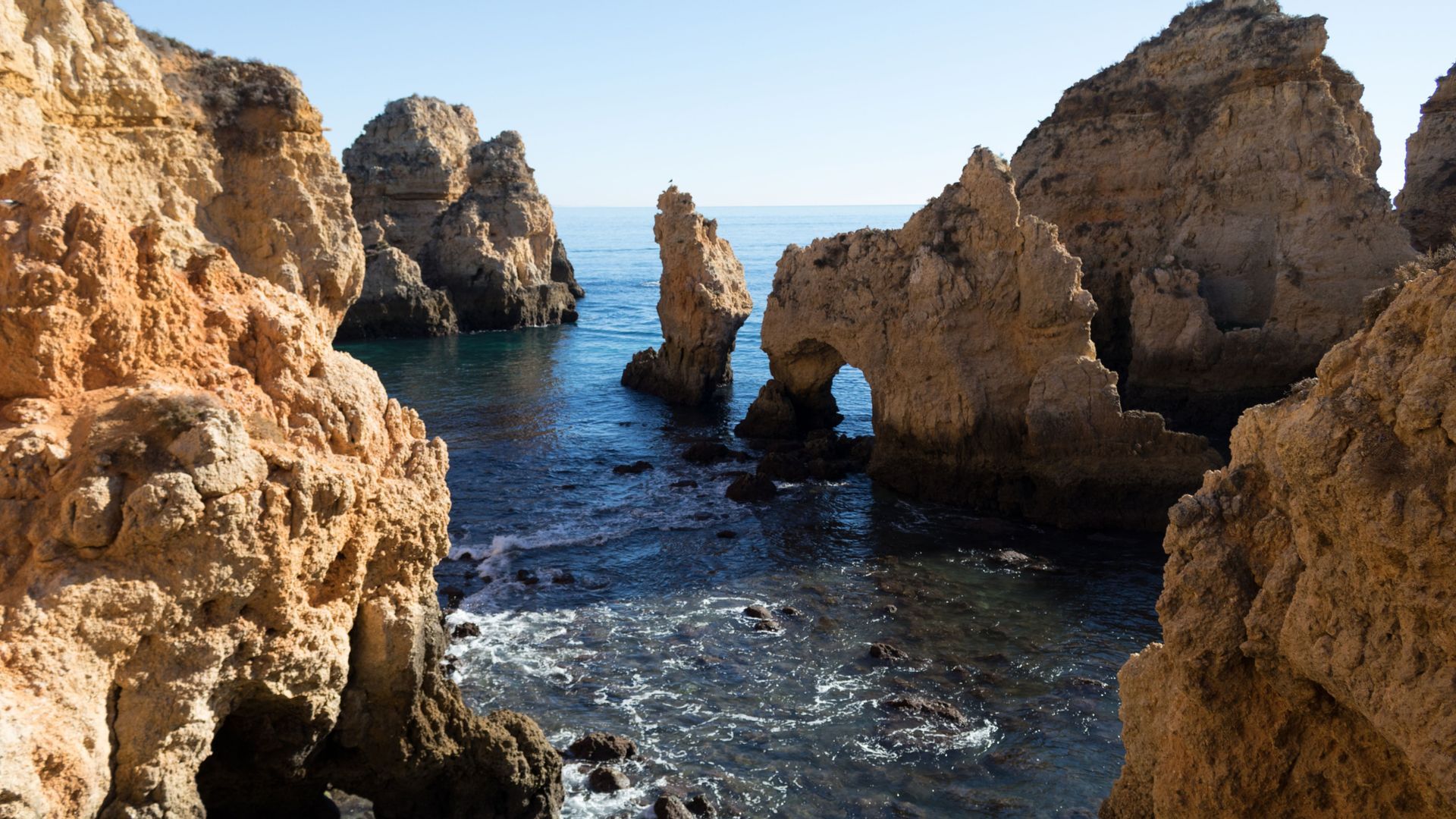
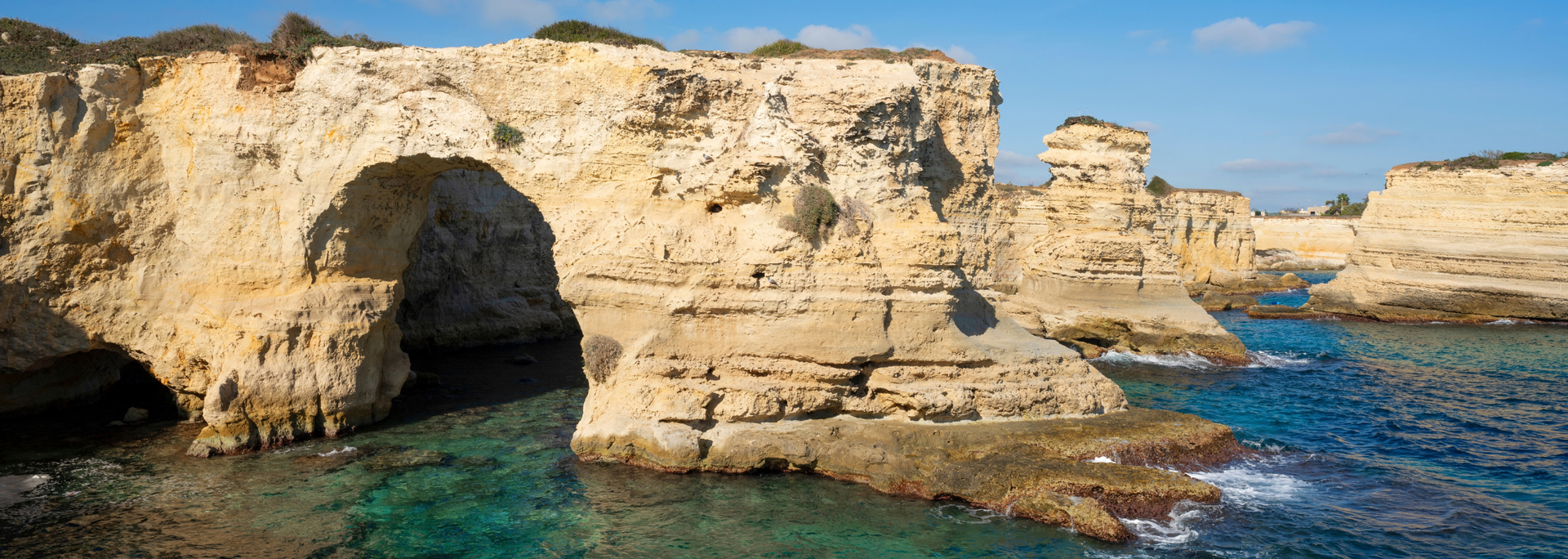
Cave arches – also known as "sea arches" – are naturally occurring curved rock openings. They form when waves wear away a cave on a headland until there's a hole all the way through.


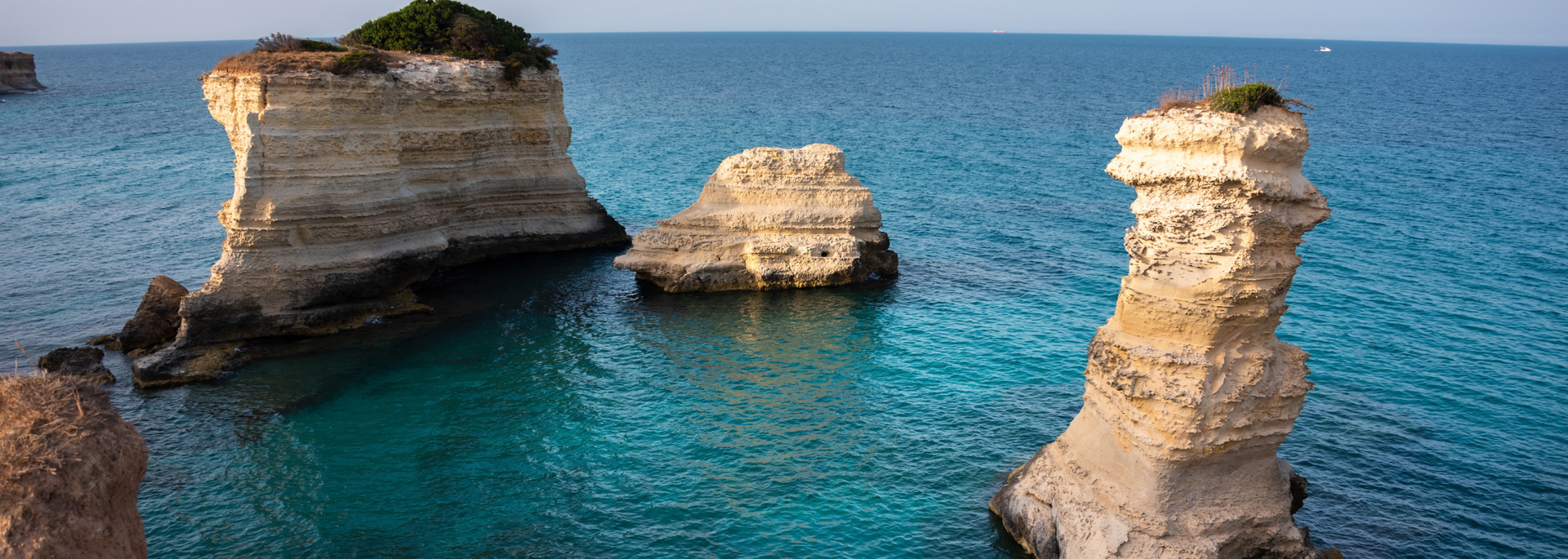
Over time, the roof of the arch collapses, and you're left with a cave stack (or "sea stack") – a tall, lonely pillar of rock standing in the sea.


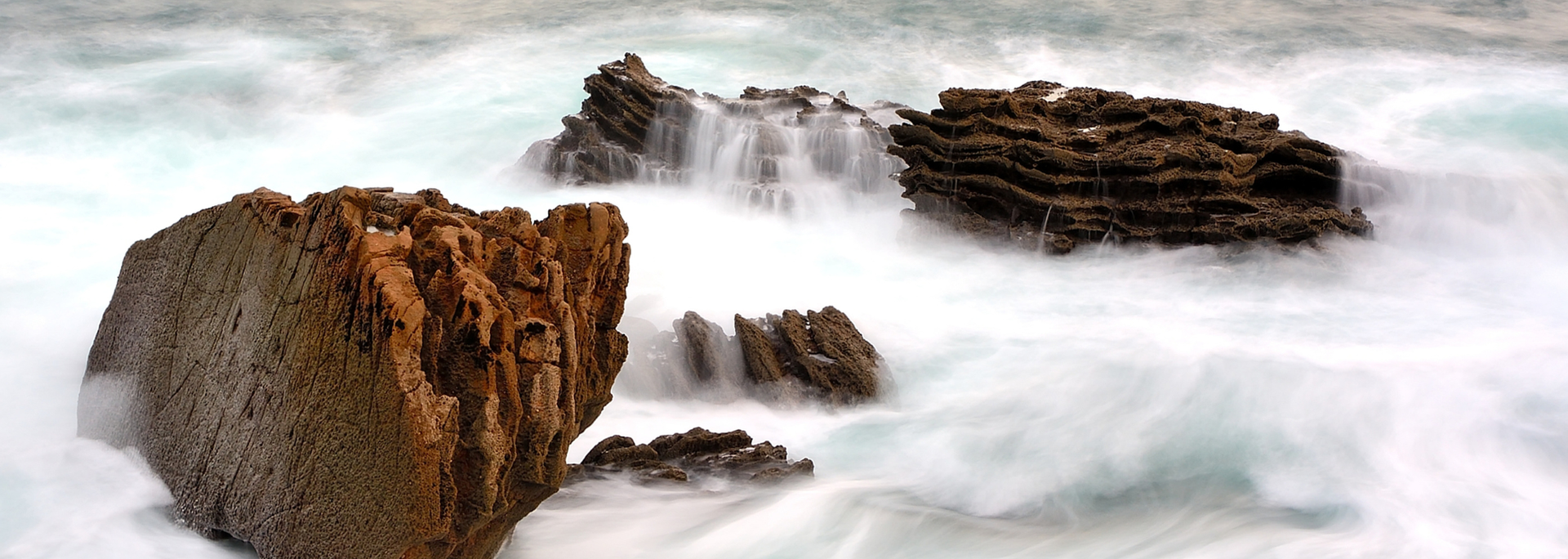
More time passes. The cave stack collapses or is worn down, leaving only a low rock base that appears at low tide. This is called a "cave stump" or "sea stump".


The journey from cave to stump can take thousands or even millions of years. It all depends on the type of rock, the strength of the tides and the local climate.


It's a geological story that rivals the story of how land caves came to be.

How are cave arches formed?


Picture of a cave arch.

Cave arches are formed by erosion – the gradual wearing away of rock by water. And when we say "gradual", we're talking thousands and thousands and thousands of years.


The process typically goes something like this. Cracks form in the rock and are enlarged by water. This water could come from waves, flowing water or groundwater. The repeated action of water against the rock widens the crack.


Over time, a crack becomes a cave. The erosion continues, and the cave deepens, extending further into the rock.


Some caves stop at this point. Others continue to break through to the other side of the rock. Alternatively, two caves may grow towards each other and meet in the middle. In both cases, the result is an opening all the way through the rock known as a "cave arch".


Some cave arches stay like this. Others collapse and become those tall, isolated pillars of rock we call "cave stacks" or "sea stacks".


How are cave stacks formed?


Picture of a coastal stack.

Cave stacks – more commonly known as "sea stacks" – are a continuation of the process of erosion that creates cave arches.


You can see the formation of a cave arch as a gradual weakening of a cliff. The formation of a cave stack is, in turn, the gradual weakening of that arch.


The waves wash relentlessly against the arch. Eventually, the roof becomes too weak to support itself, and the arch collapses.


What's left behind is a sea stack. This is a lonely pillar of rock standing in the waves. Perhaps the most famous example in the UK is the Old Man of Hoy.


Located off the west coast of the island of Hoy in the Orkney Islands, this 137-metre-high sea stack is made from gorgeous red sandstone.


How are cave stumps formed?


Picture of a cave stump at sea.

The waves continue to lap, break and roar. They erode the stack around the base. Up above, the weather wears away the upper part of the stack.


Over time, pieces of rock break away, and the stack becomes shorter and shorter. Eventually, only a low rock or "sea stump" is left. This is often submerged beneath the waves and only visible at low tide.


Leave a sea stump in the water for long enough, and it will one day disappear. From a mighty cave to dust – and all because of the relentless pressure of waves and weathering.


Where are cave arches, stacks and stumps found in the UK?

Cave arches, stacks and stumps can be seen at Old Harry Rocks in Dorset and Flamborough Head in East Yorkshire.

The UK's most famous cave arch is Durdle Door. You can see this stunning, naturally occurring limestone arch on the Jurassic Coast near Lulworth in Dorset.


Standing about 200 feet tall, it was formed around 10,000 years ago when wave erosion wore away the coastal limestone.


Famous sea stacks include:


  • The Old Man of Hoy in the Orkney Islands
  • Am Buachaille in Sutherland, northwest Scotland
  • The Old Man of Stoer in the northwest Highlands
  • Duncansby Stacks near John O'Groats

Sea stumps tend to attract less attention. However, a famous example is Old Harry's Wife – a chalk stump next to the 80-odd-foot sea stack Old Harry at Handfast Point in Dorset.


Old Harry's Wife was once a proud sea stack. But in 1896, it was reduced to a low-lying chalk base after collapsing in a fierce storm.


Do marine life live in cave arches, stacks and stumps?

Sea arches often provide a habitat for marine life. Sponges, barnacles, sea anemones, crabs, lobsters, mussels and little fish all live in the shadows of their walls.


Meanwhile, barnacles, mussels and sea anemones like to cling to the submerged bases of sea stumps and sea stacks. Seabirds, seals and larger marine predators also often visit the upper rock faces of sea stacks.


Is it safe to swim near cave arches, stacks and stumps?

It's often unsafe to swim near cave arches, stacks and stumps. This is primarily because of heavy waves, strong rip currents and the possibility of falling rocks.


What are sea caves?

Sea caves – also known as "littoral caves" – are natural cavities formed in coastal cliffs. Unlike inland caves, which are formed mostly by acidic groundwater, these are carved into the rocks by wave erosion.


Stump Cross Caverns is an ancient underground cave attraction in the Yorkshire Dales. As well as offering exciting self-guided cave tours, we love teaching kids about the wonders of history and geography. Why not have fun learning about how rocks change over time or how fossils form?



Share this article

Recent Posts

Does Mars have caves? Yes! Discover everything you need to know about Martian caves –
by Simon Edward • 28 September 2026
Does Mars have caves? Yes! Discover everything you need to know about Martian caves – no rocket ship required.
Vugs and geodes are both kinds of cavities in rock. How are they different –
by Simon Edward • 21 September 2026
Vugs and geodes are both kinds of cavities in rock. How are they different – and how are they the same?
Looking for hiking inspiration in North Yorkshire? Explore 6 varied walks near Masham
by Simon Edward • 18 September 2026
Looking for hiking inspiration in North Yorkshire? Explore 6 varied walks near Masham on the edge of the Dales.
Looking for KS2 Stone Age homework inspiration? We've got you covered. Discover 6 ideas
by Simon Edward • 14 September 2026
Looking for KS2 Stone Age homework inspiration? We've got you covered. Discover 6 ideas to keep pupils engaged in and out of the classroom.
Discover 9 country pubs with rooms in North Yorkshire – the perfect way to get some rest
by Simon Edward • 11 September 2026
Discover 9 country pubs with rooms in North Yorkshire – the perfect way to get some rest before exploring the area.
Ice caves are wonders of nature. Discover 5 of the most amazing – and humongous – examples worldwide
by Simon Edward • 7 September 2026
Ice caves are wonders of nature. Discover 5 of the most amazing – and humongous – examples worldwide.
From hidden places to unique events… Explore your choice of Heritage Open Days in Yorkshire
by Simon Edward • 4 September 2026
From hidden places to unique events… Explore your choice of Heritage Open Days in Yorkshire this year.
Thinking of trying caving? Here's what you'll need to bring as a first-time spelunker,
by Simon Edward • 1 September 2026
Thinking of trying caving? Here's what you'll need to bring as a first-time spelunker, including clothing, safety gear and essential supplies.
Want to get your hands on a geode? Learn where to buy geodes in the UK –
by Simon Edward • 31 August 2026
Want to get your hands on a geode? Learn where to buy geodes in the UK – and have a go at cracking your own!
Show More