Are there caves on Mars?

Simon Edward • 28 September 2026

Does Mars have caves? Yes! Discover everything you need to know about Martian caves – no rocket ship required.


Does Mars have caves? Yes! Discover everything you need to know about Martian caves – no rocket ship required.

Caves are cool. That's just a fact.

But you know what makes them even cooler? Being on Mars.


Yes, you read that right. Planet Mars has its very own cave systems – and who knows what extraterrestrial surprises could be lurking inside them?


Strap in and join us on an awesome space adventure. Here's everything you need to know about caves on Mars.


How do caves form on Mars?

Caves are a natural part of our world – they're not just something humans decided to build, like bridges or giant skyscrapers. That's why caves appear on other planets, too.


But how do they get there? Nature has lots of ways of conjuring up caves, including ice, crashing waves and even tiny, microscopic bacteria.


On Mars, however, there are two main reasons caves exist: volcanoes and water.


Volcanoes

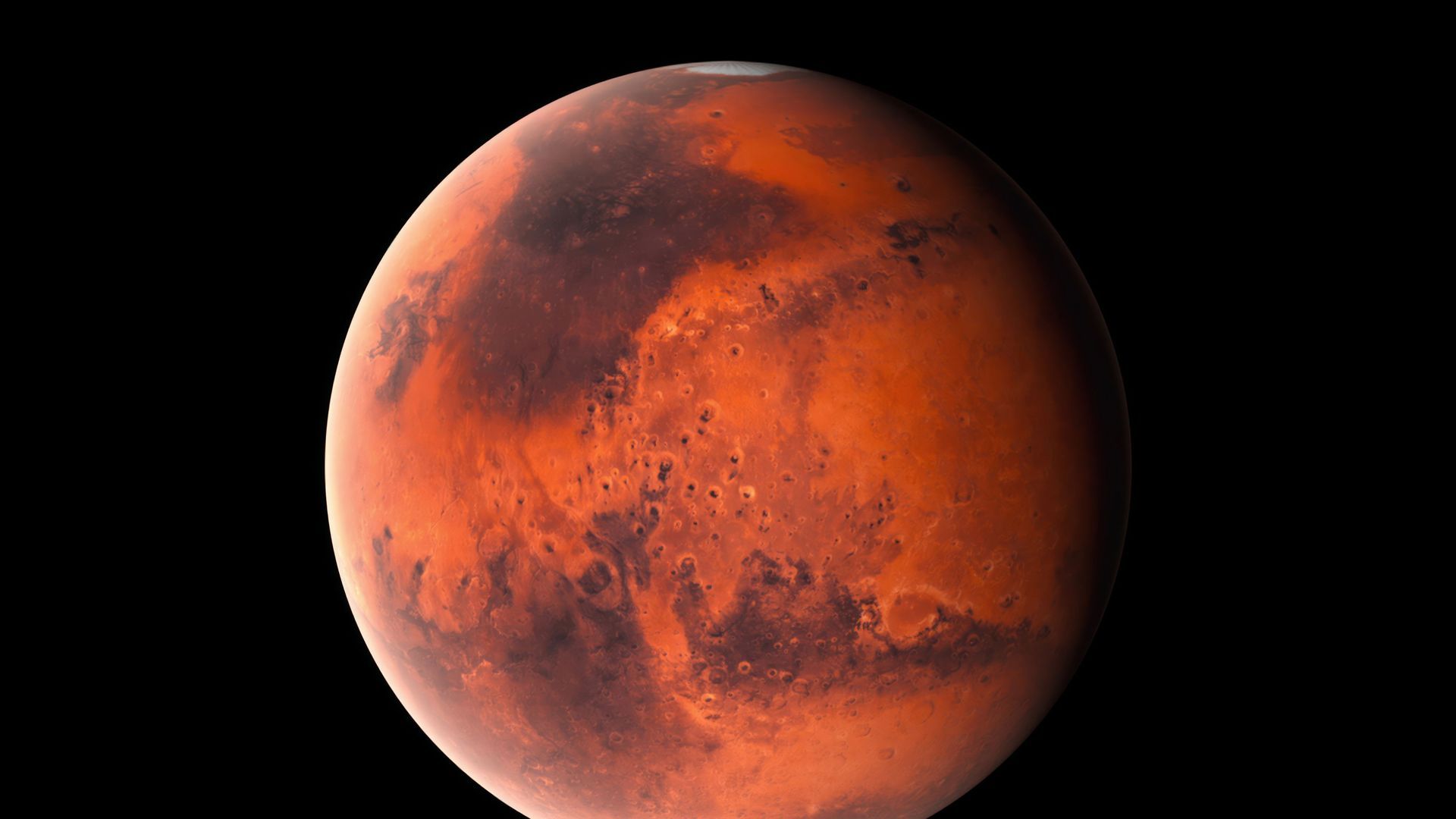
Mars is home to dozens of volcanoes.


That includes the tallest volcano in the solar system, Olympus Mons. At 13 to 16 miles high, it's almost three times taller than Mount Everest here on Earth. Wow!


Thousands of ancient super-eruption sites have also been spotted on its surface, meaning there have been lots of humongous eruptions there.


What has this got to do with caves? Well, you can't have volcanoes without lava – and lava can help make caves called "lava tubes".


Lava tubes form when molten rock erupts from a volcano and hardens on the surface, while some of it continues to flow underneath. Eventually, the molten lava drains away, leaving behind a hollow tunnel.

Did you know?

Lava tubes exist on Earth, too. Martian ones are much bigger, though, with some measuring up to 100 times wider than our measly tubes.


That's because gravity on Mars is 38% weaker than gravity on Earth. As a result, Martian lava tubes can grow super-big without collapsing.


Scientists reckon that some could be wide enough to build whole cities inside them. How cool would a Martian city be?


Ancient water

Scientists believe some Martian caves are carved out by water, just like most of ours here on Earth.


Caves on Earth are usually made when rainwater (which is slightly acidic) travels through cracks in a big rock and dissolves it. With time, this can create the large hollow spaces and passages we call caves.


Thinking Mars looks pretty dry in films? Like a desert? That's because it is. But billions of years ago it had all sorts of water, including enormous oceans, huge rivers and gigantic lakes.


That means many of the caves we see on Mars today started to form way back then.

Did you know?

Scientists think that Mars once had more water than the Arctic Ocean contains here on Earth.

Could we live in caves on Mars?


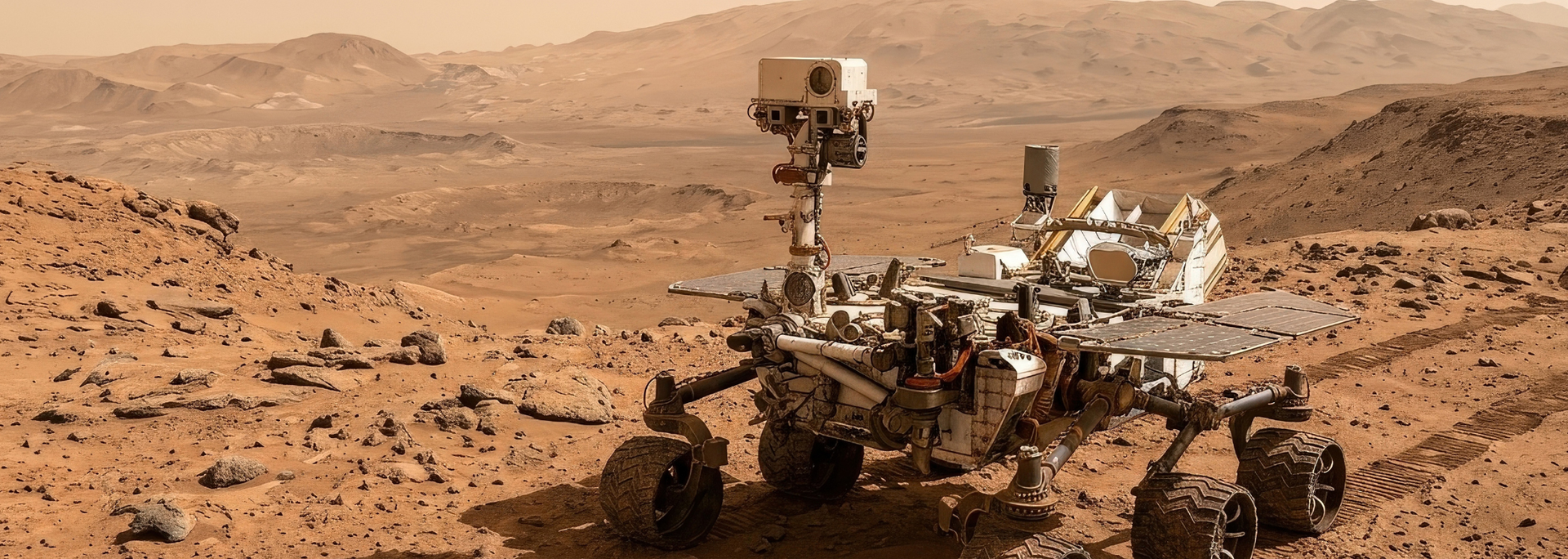
Picture of a mars rover.

Fancy going to live on Mars? There's a reason you hear rich and powerful people talking about it: water.

Because Mars used to have water, it was a little like Earth is now. Nowadays, however, Martian water is trapped in the planet's polar ice caps and minerals under its surface. If we're really clever, we might be able to use that water.


Also, a day on Mars lasts 24 hours and 39 minutes, so we'd feel right at home (maybe…)


Anyway, talking of home, where would Martian settlers live?


Remember those huge lava tubes we talked about earlier? They might be good places to settle down. Here's why.


They'd shield us from radiation

Mars doesn't have much protection from things like solar flares (giant explosions on the Sun), which shoot heavy doses of radiation to its surface.


Caves could help people avoid this by providing a safe shelter from those dangerous, fiery sun explosions.

Did you know?

Solar flares on Mars could make pretty, glowing green auroras above cave entrances. That's because Mars lacks a global magnetic field – the invisible force field that shields us Earthlings from radiation.

They'd help keep us warm

It can get very, very cold on the Martian surface. While it can be mildly warm at lunchtime on a summer's day, temperatures can plummet to -125°C (193°F) at night. Now that's chilly.


Caves on Mars are slightly warmer at -40°C to -60°C (-40°F to -76°F). However, still way too cold.


Scientists think they've found an answer, though. Because caves are so well insulated by heat-absorbent rock, we could seal the cave entrances, fill them with air and pump heat inside.


Did you know?


We couldn't just put a big front door on the caves because it would get blown straight off. Instead, we'd have to line the cave walls with a balloon-like material.


They'd keep you safe from the dangers on the surface

All sorts of weird and scary things happen on the surface of Mars. Head out for a stroll, and you might encounter big, dramatic dust storms and meteoroids the size of basketballs. Yikes!


Don't like the idea of getting hit by a big, flying rock? Not a problem. You could hide out in the safety of your cosy underground cave.


Did you know?

Meteoroids sound different on Mars.


On Earth, meteoroids make a sharp cracking noise as they enter the atmosphere, followed by a thud when they hit the ground. When meteoroids enter the Martian atmosphere, however, they make a weird, sci-fi "bloop" noise before their more predictable thud.


Wish you could explore a Martian cave?

Well, sadly, that's not on the cards for most of us – unless you become an astronaut or build your own spaceship.

But that doesn't mean you have to give up on caves altogether. Visit Stump Cross Caverns in the Yorkshire Dales, and you can see a real ancient cave for yourself.


Our caves are full of weird and wonderful rock formations. There's the shimmering Curtain (which looks a bit like a dragon's wing), the huge, melting limestone blob we call "The Cathedral" and loads more.


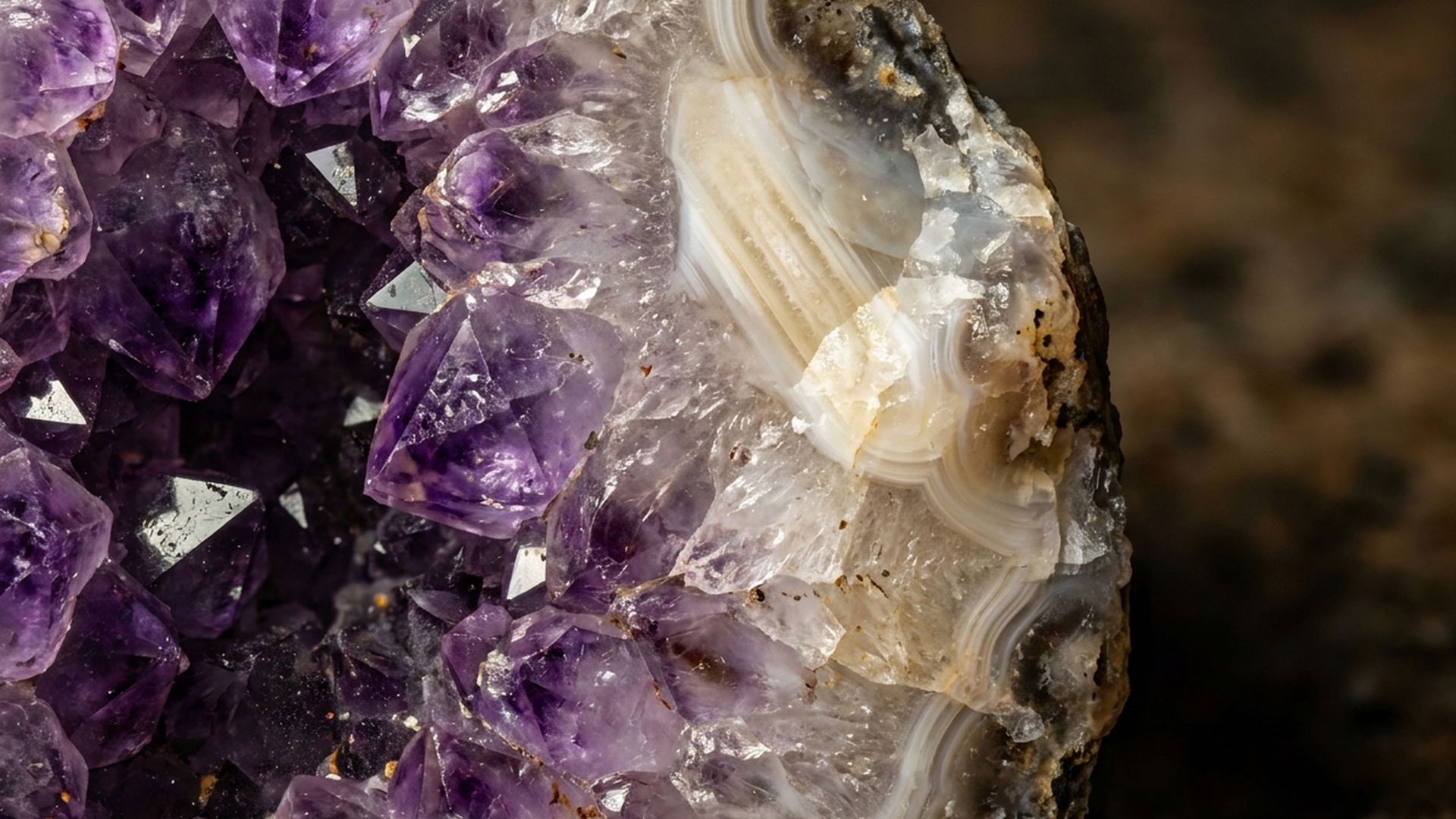
Plus, you can try lots of fun activities while you're here, from digging for fossils to cracking geodes.

Ready for an unforgettable family day out in Yorkshire? It's quick and easy to book your tickets online.


Share this article

Recent Posts

Vugs and geodes are both kinds of cavities in rock. How are they different –
by Simon Edward • 21 September 2026
Vugs and geodes are both kinds of cavities in rock. How are they different – and how are they the same?
Looking for hiking inspiration in North Yorkshire? Explore 6 varied walks near Masham
by Simon Edward • 18 September 2026
Looking for hiking inspiration in North Yorkshire? Explore 6 varied walks near Masham on the edge of the Dales.
Looking for KS2 Stone Age homework inspiration? We've got you covered. Discover 6 ideas
by Simon Edward • 14 September 2026
Looking for KS2 Stone Age homework inspiration? We've got you covered. Discover 6 ideas to keep pupils engaged in and out of the classroom.
Discover 9 country pubs with rooms in North Yorkshire – the perfect way to get some rest
by Simon Edward • 11 September 2026
Discover 9 country pubs with rooms in North Yorkshire – the perfect way to get some rest before exploring the area.
Ice caves are wonders of nature. Discover 5 of the most amazing – and humongous – examples worldwide
by Simon Edward • 7 September 2026
Ice caves are wonders of nature. Discover 5 of the most amazing – and humongous – examples worldwide.
From hidden places to unique events… Explore your choice of Heritage Open Days in Yorkshire
by Simon Edward • 4 September 2026
From hidden places to unique events… Explore your choice of Heritage Open Days in Yorkshire this year.
Thinking of trying caving? Here's what you'll need to bring as a first-time spelunker,
by Simon Edward • 1 September 2026
Thinking of trying caving? Here's what you'll need to bring as a first-time spelunker, including clothing, safety gear and essential supplies.
Want to get your hands on a geode? Learn where to buy geodes in the UK –
by Simon Edward • 31 August 2026
Want to get your hands on a geode? Learn where to buy geodes in the UK – and have a go at cracking your own!
Are you looking for a vegetarian restaurant in Yorkshire? Explore 10 of the best in our food guide.
by Simon Edward • 28 August 2026
Are you looking for a vegetarian restaurant in Yorkshire? Explore 10 of the best in our food guide.
Show More