
What is a druse crystal (and how is it different from a geode?)

Simon Edward • 5 October 2026

Don't know your druse crystal from your geode? Learn how to spot the difference and identify manmade reproductions.


Don't know your druse crystal from your geode? Learn how to spot the difference and identify manmade reproductions.

Crystals! These twinkling treasures are much-loved for a reason. But even if you've got a crystal around your neck or on your mantelpiece, you may not realise just how wide-ranging the crystal family is.


The International Mineralogical Association has approved nearly 6,000 species of mineral crystals – and those are just the crystals we know about.


Yes, there's always something new to learn about crystals. Take the difference between druse crystals – also known as "druzy crystals" – and geodes.


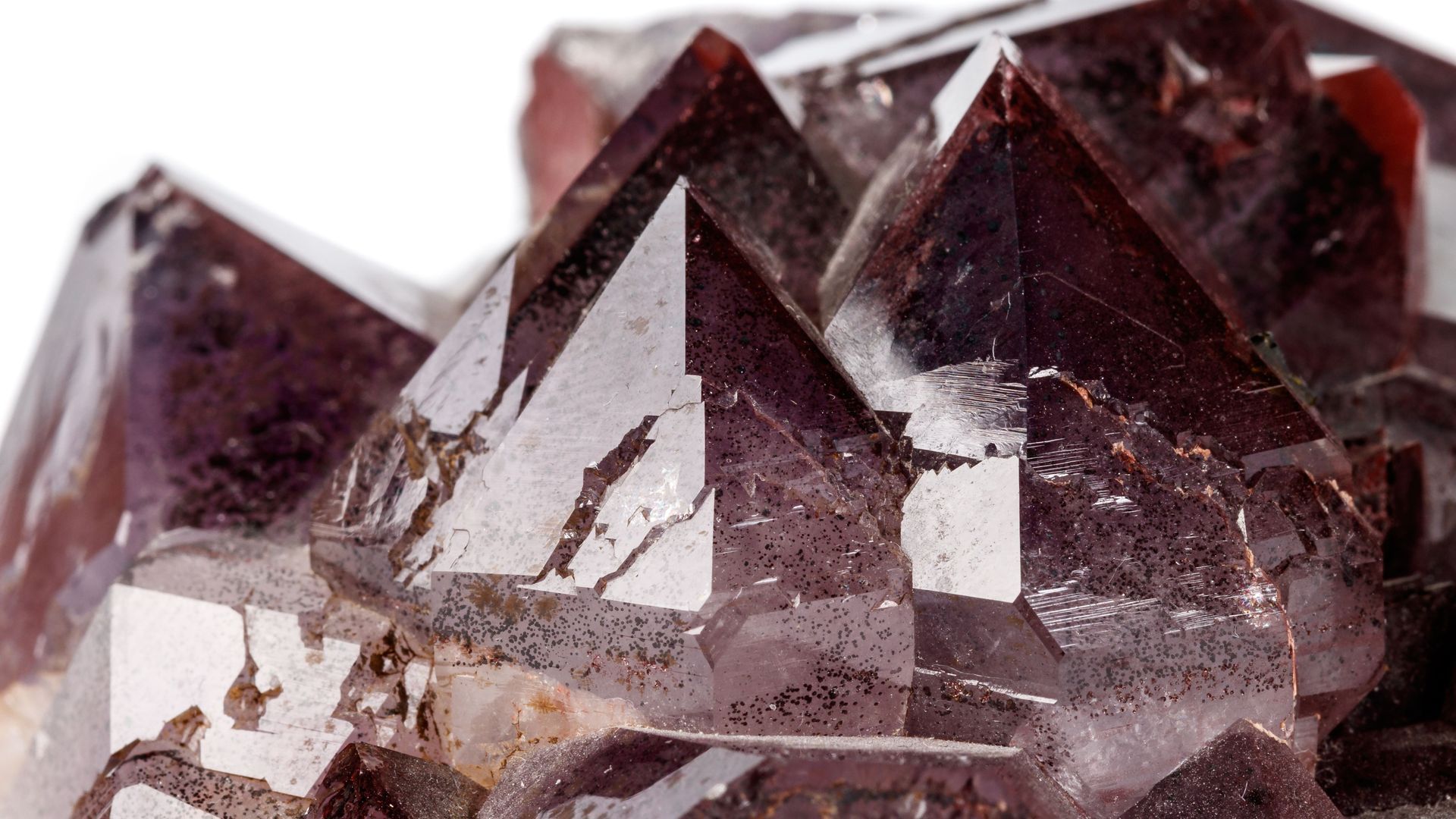
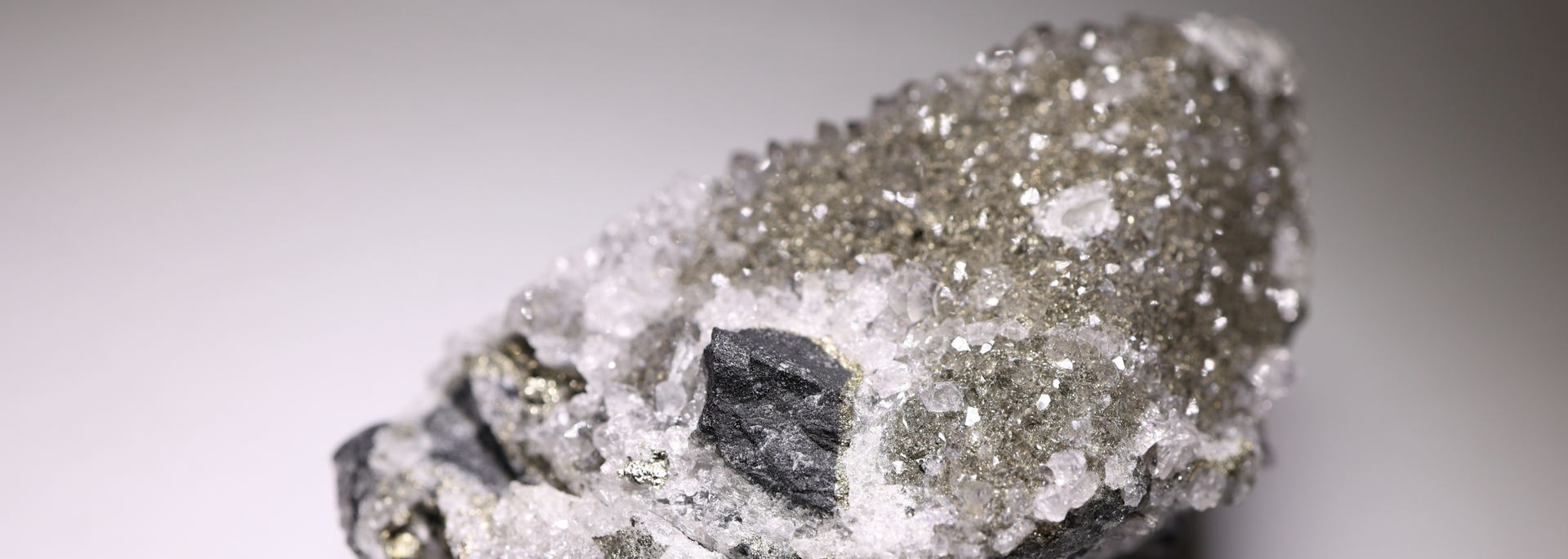
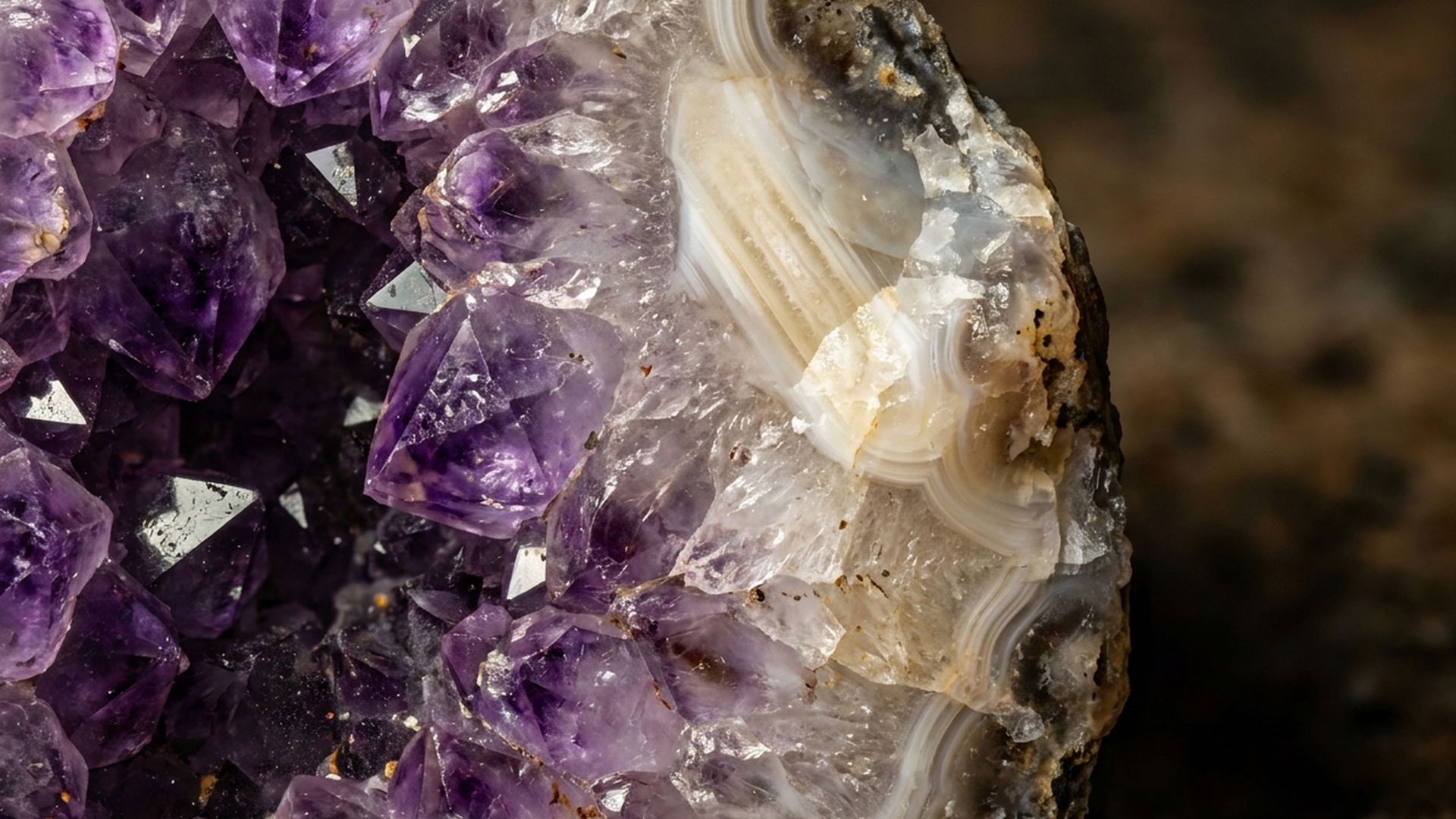
A druse crystal is a mineral surface covered with lots of tiny sparkling crystals. And when we say "tiny", we're talking a couple of millimetres or less.


The result is a mineral that looks like it's been sprinkled with crystal dust. These deposits are formed when mineral-rich water leaves crystals on the surface of a rock or within a cavity.


Common minerals covered with druse crystals are quartz, agate and calcite – all crystals that can be found in geodes.

So, what's the difference? Let's get the facts crystal-clear.


How is a druse crystal different from a geode?

The main difference between a druse crystal and a geode – the kind we crack at our Geode Shack – is where the crystals are found.


A druse is a surface. The crystals are typically exposed on the surface of a cavity or the outside of rock. They look glittery, sugary and not a little festive.

Geodes, by contrast, are hollow – or partially hollow – rocks. From the outside, they look pretty plain – it's not for nothing they're known as "potato stones" in Somerset.


But when you crack open a geode, the inside walls can be lined with crystals and other minerals. These crystals can be tiny druse crystals or much bigger specimens.


In other words, the word "druse" describes the sugary crystal texture. The word "geode" refers to the stone that contains crystals, druse or otherwise.


How are druse crystals formed?


Picture of a Druse crystal.

Druse crystals are formed much like other crystals. Mineral-rich water deposits tiny crystals onto the surface of a rock over a long, long time.

Before that can happen, a cavity or rock surface needs to form. This can happen because of volcanic activity, fractures or weathering.


Water then flows through the rock – water that contains dissolved minerals like silica and calcium carbonate. 


The water cools or evaporates, and the minerals are left on the surface. Tiny crystals begin to grow. Silica turns into quartz and calcium carbonate turns into calcite.


In the case of druse crystals, these crystals are small and abundant. Rather than one big crystal, a sprinkling of tiny crystals is formed.

Each crystal has its own wealth of teensy flat faces. When light hits the layer of crystals, it sparkles with a breathtaking intensity.


And on it goes. More water arrives, more deposits are left and more crystals grow, layer on layer. This layering gives druse crystals their distinctive sugary look.


So, why do some minerals become druse crystals and others form bigger crystals? Like a good joke, it's all in the timing.


Rapid nucleation – the first stage of crystal formation – tends to produce lots of tiny crystals, especially when it takes place in a cramped space. Slower growth, by contrast, tends to result in bigger crystals.


Where are druse crystals found?

Druse crystals are found across the world. Wherever there are rocks and water, there are crystals.


Remember that druse isn't a single mineral, but rather the layering found on all sorts of different minerals. That means its composition depends on the minerals found in different parts of the world. Quartz is the most commonly found specimen.


Brazil is famous for druzy quartz and agate, especially in Rio Grande do Sul. The same goes for Mexico. And Uruguay is known especially for its druzy amethyst geodes.


India, Australia, the United States, South Africa – all are home to remarkable specimens with druse surfaces.


How can you tell a natural druse crystal from a manmade one?


Picture of various crystal stones.


Walk into a crystal shop, and you could be

faced with a mixture of:

  • Natural crystals
  • Manmade crystals
  • A third category of crystals that have been dyed, coated or otherwise treated

If you believe authenticity is important, you can look out for some telltale signs as to where these crystals came from.


The first is the distribution of the crystals. Naturally occurring druse is typically irregular. If the crystal layer looks perfect, it's likely a fake.


It's also worth looking at the boundary between the crystals and the rock beneath. If the one appears to blend into the other, it's either natural or an extremely good imitation. If it sits on top like a coating of glitter or sand, it's probably manmade.


A magnifying glass or microscope can help. Put natural quartz under one of these, and you should see tiny crystal faces. Look at a manmade specimen, and it's more likely to look like a layer of grains.


Treated druse crystals are likely to have vivid and even colours. Popular choices include neon blue, purple, pink and green. These are dyes or coatings rather than naturally occurring colours – even if the underlying rock is authentic.


Similarly, some naturally occurring druse minerals are coated with titanium to achieve a rainbow or metallic sheen.


Druse crystals and plants

So far, we've looked at druse crystals occurring in rocks. But did you know they also occur in plant life?


Over 200 plant families have druse crystals – from ivy to oleander, from succulents to roses, plums and cherries.


These druse crystals act as a fortification against herbivores and insects. They also help the plant store excess calcium.


Crack open your own geode at Stump Cross Caverns

Want to see what's hiding inside a real geode? At Geode James's Geode Shack, you can choose your own unopened geode and watch as we crack it open in front of you. You'll be the first person ever to see the crystals inside – and your one-of-a-kind geological treasure is yours to take home and keep.

You'll find us in the Yorkshire Dales between Pateley Bridge and Grassington. Turn up on the day or guarantee a spot by booking your geode online.


Share this article

Recent Posts

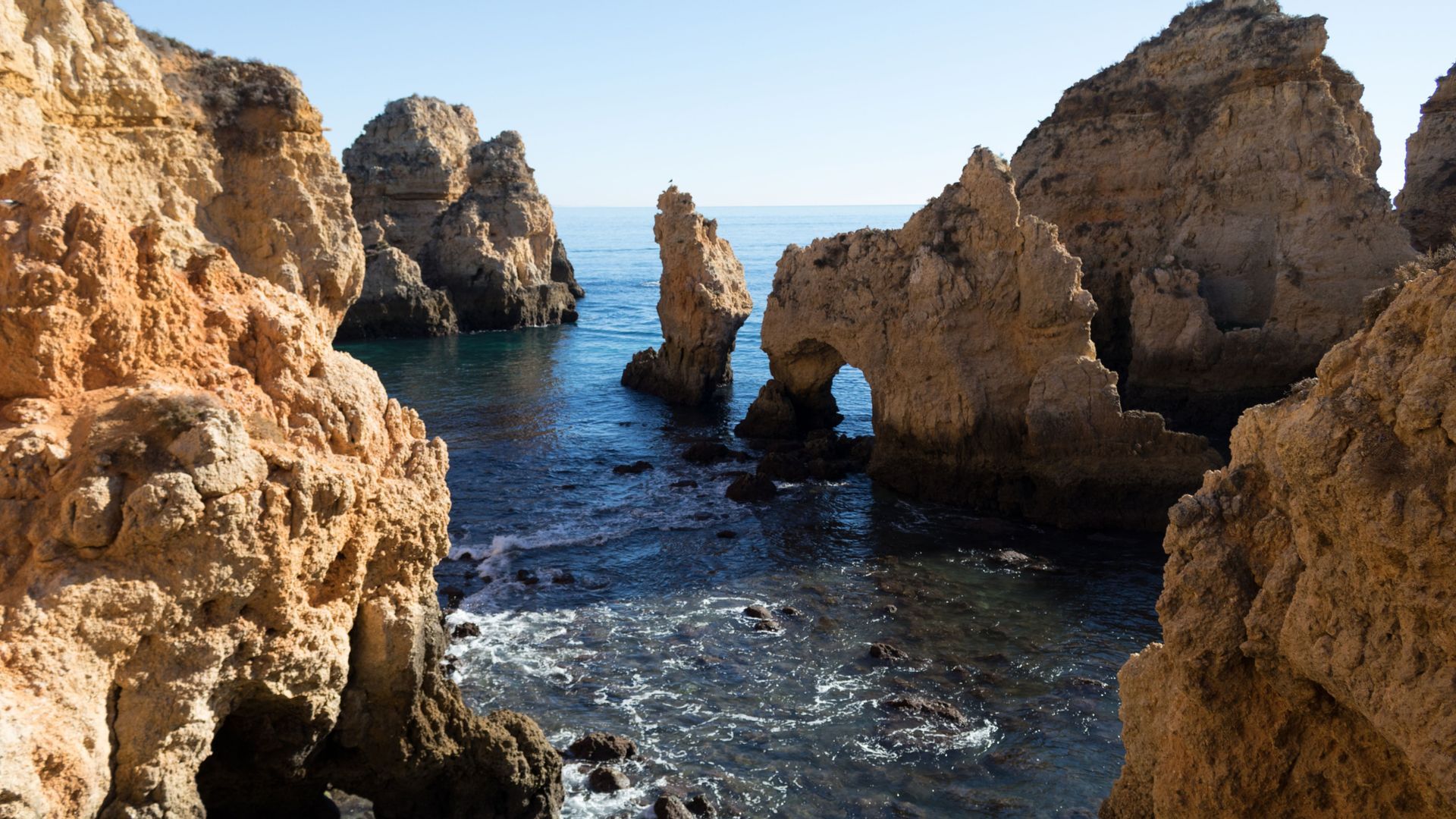
Cave arches, stacks and stumps are formed over thousands to millions of years.
by Simon Edward • 2 October 2026
Cave arches, stacks and stumps are formed over thousands to millions of years. Learn the fascinating process behind their formation.
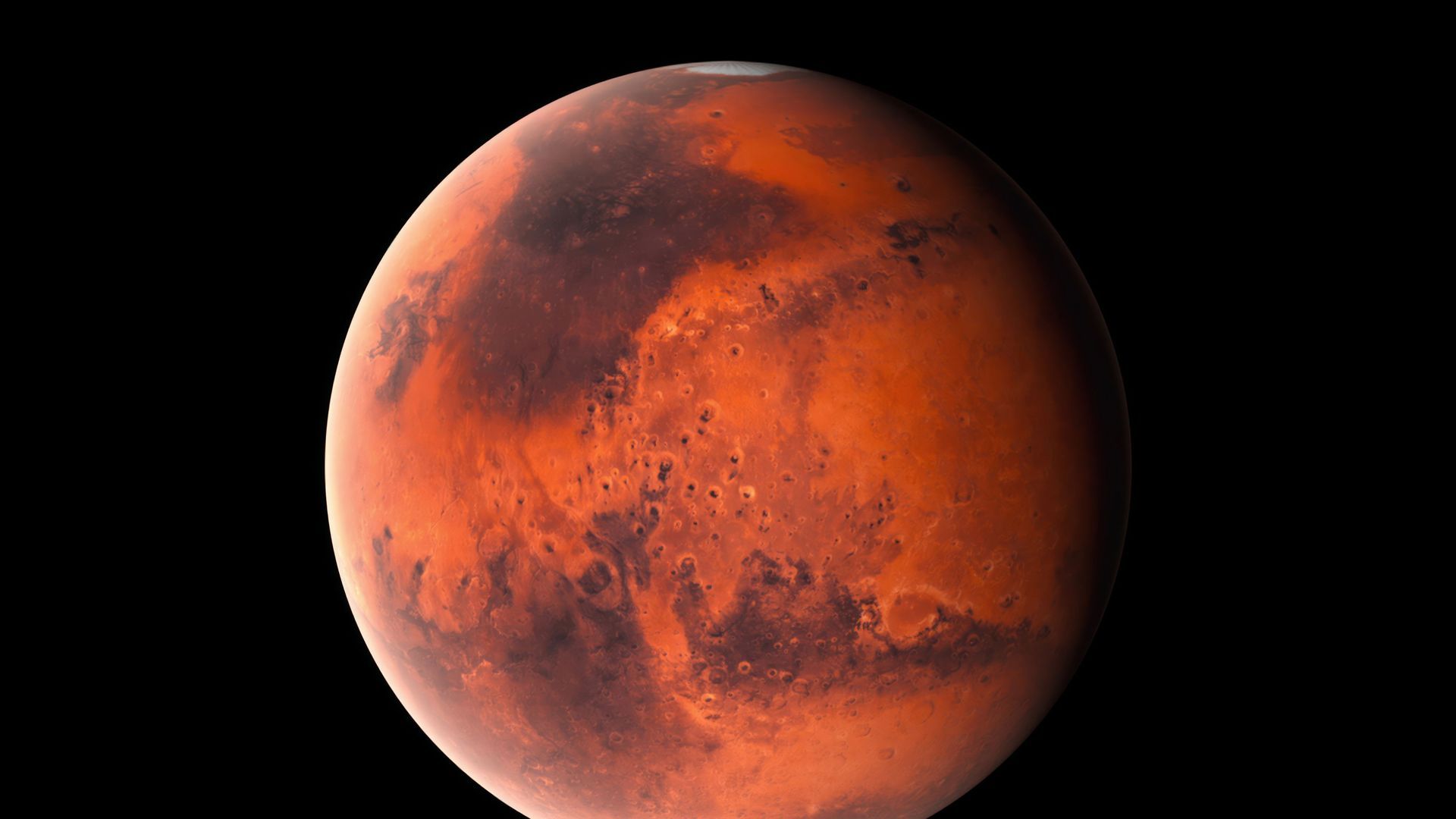
Does Mars have caves? Yes! Discover everything you need to know about Martian caves –
by Simon Edward • 28 September 2026
Does Mars have caves? Yes! Discover everything you need to know about Martian caves – no rocket ship required.
Vugs and geodes are both kinds of cavities in rock. How are they different –
by Simon Edward • 21 September 2026
Vugs and geodes are both kinds of cavities in rock. How are they different – and how are they the same?
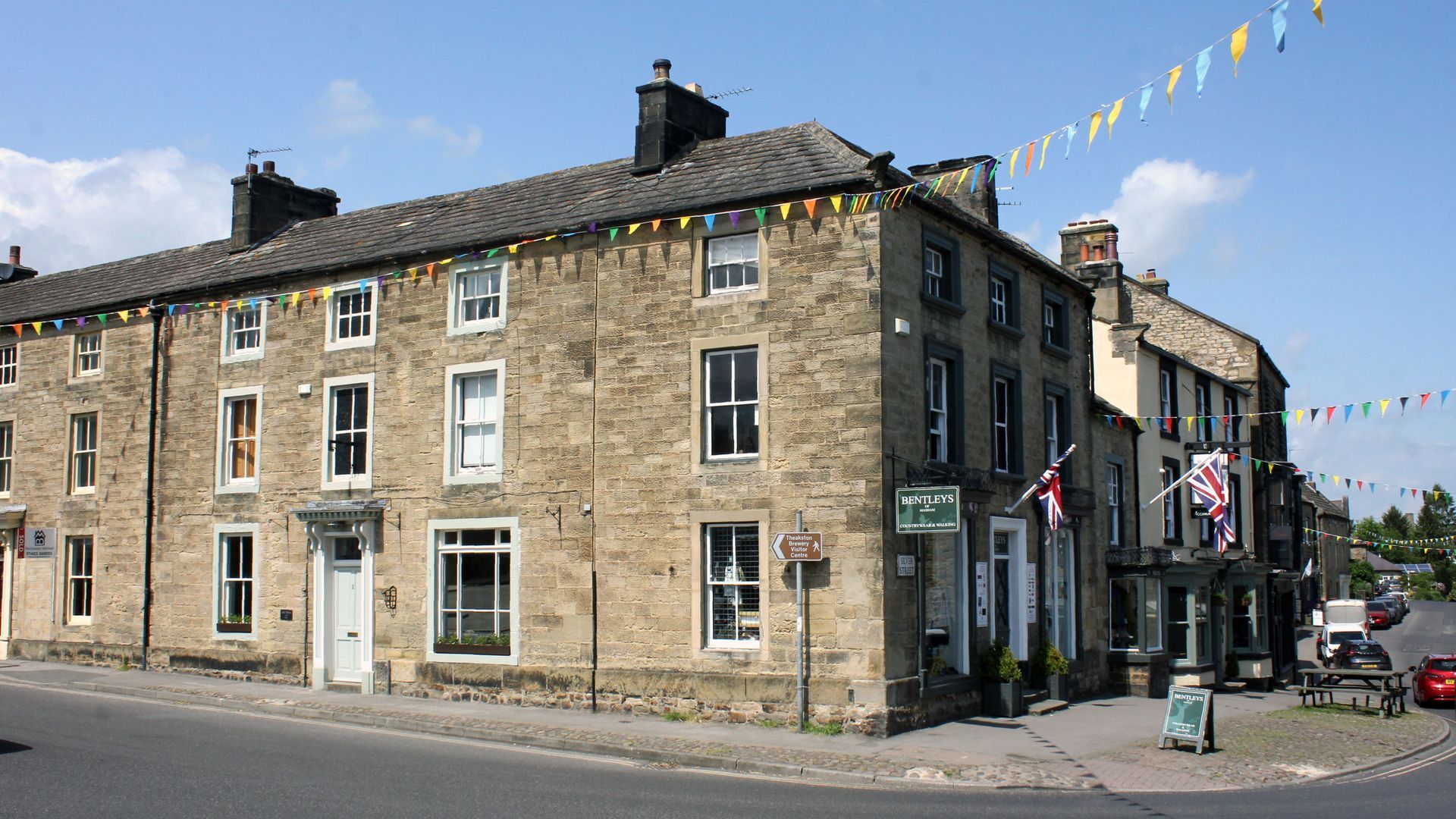
Looking for hiking inspiration in North Yorkshire? Explore 6 varied walks near Masham
by Simon Edward • 18 September 2026
Looking for hiking inspiration in North Yorkshire? Explore 6 varied walks near Masham on the edge of the Dales.

Looking for KS2 Stone Age homework inspiration? We've got you covered. Discover 6 ideas
by Simon Edward • 14 September 2026
Looking for KS2 Stone Age homework inspiration? We've got you covered. Discover 6 ideas to keep pupils engaged in and out of the classroom.
Discover 9 country pubs with rooms in North Yorkshire – the perfect way to get some rest
by Simon Edward • 11 September 2026
Discover 9 country pubs with rooms in North Yorkshire – the perfect way to get some rest before exploring the area.
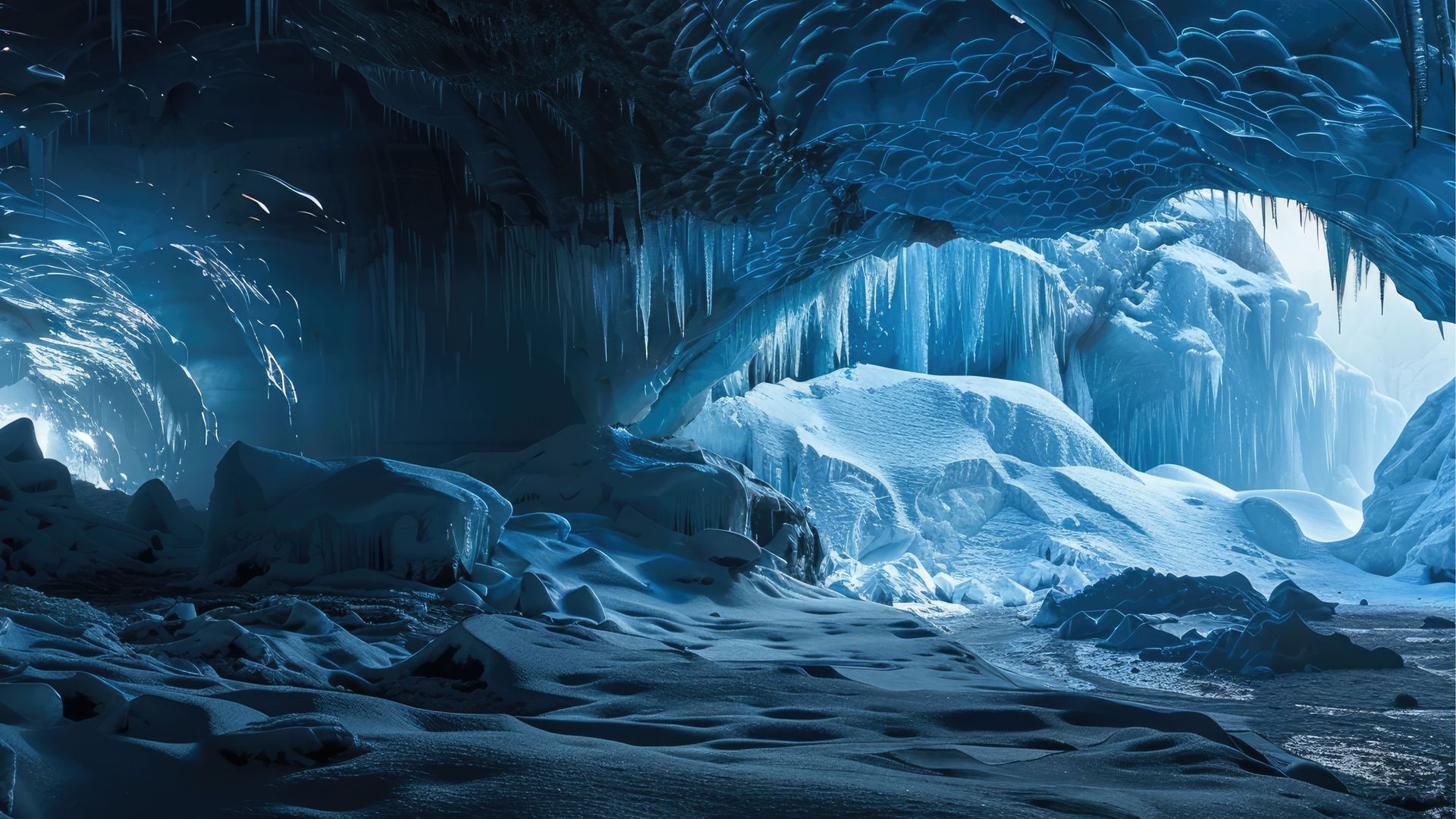
Ice caves are wonders of nature. Discover 5 of the most amazing – and humongous – examples worldwide
by Simon Edward • 7 September 2026
Ice caves are wonders of nature. Discover 5 of the most amazing – and humongous – examples worldwide.

From hidden places to unique events… Explore your choice of Heritage Open Days in Yorkshire
by Simon Edward • 4 September 2026
From hidden places to unique events… Explore your choice of Heritage Open Days in Yorkshire this year.
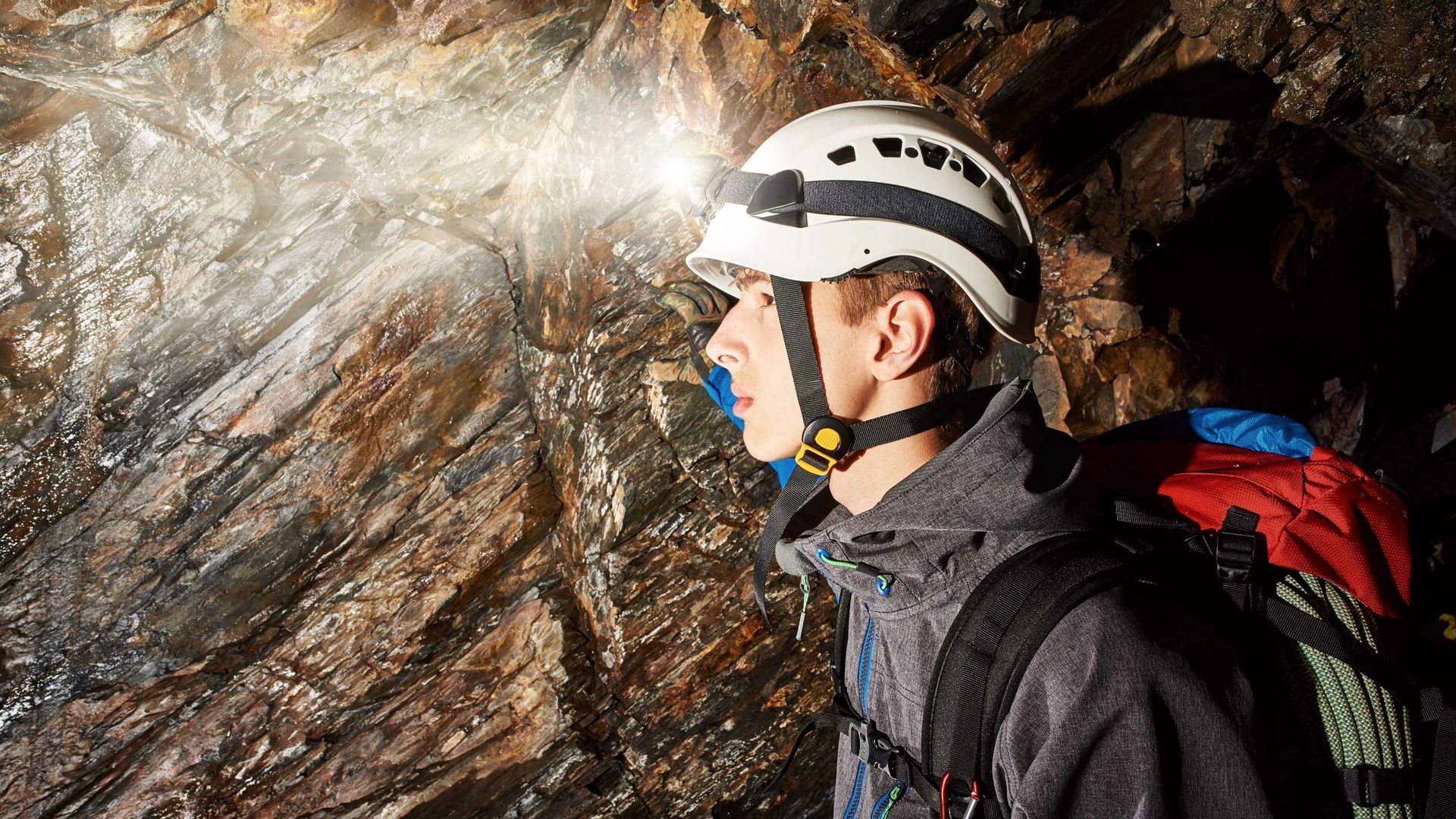
Thinking of trying caving? Here's what you'll need to bring as a first-time spelunker,
by Simon Edward • 1 September 2026
Thinking of trying caving? Here's what you'll need to bring as a first-time spelunker, including clothing, safety gear and essential supplies.

Show More