How was Fingal's Cave formed?

Simon Edward • 14 August 2026

Fingal's Cave is one of the treasures of the natural world. But how was it formed? Let's go back in time…


Fingal's Cave is one of the treasures of the natural world. But how was it formed? Let's go back in time…

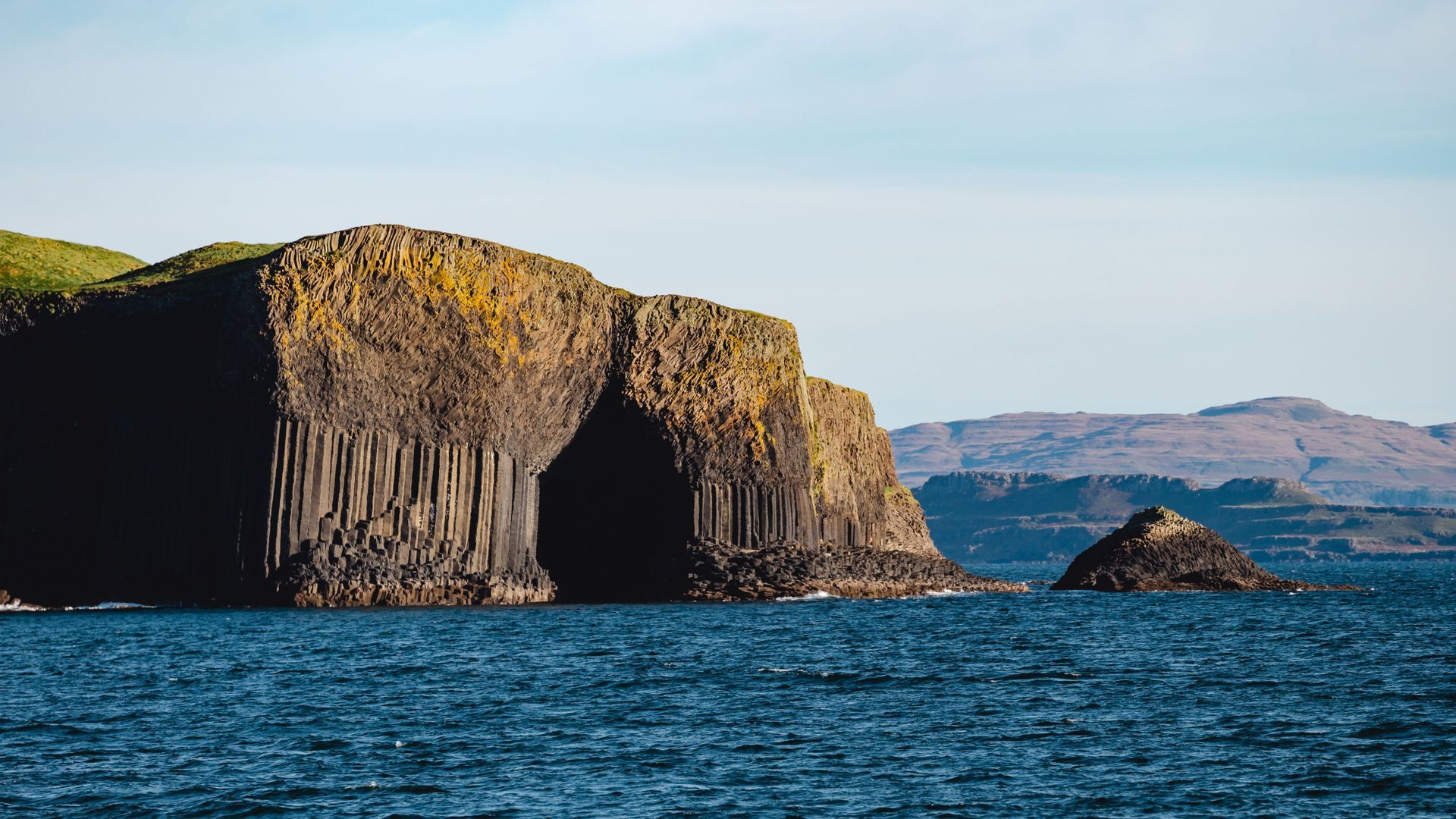
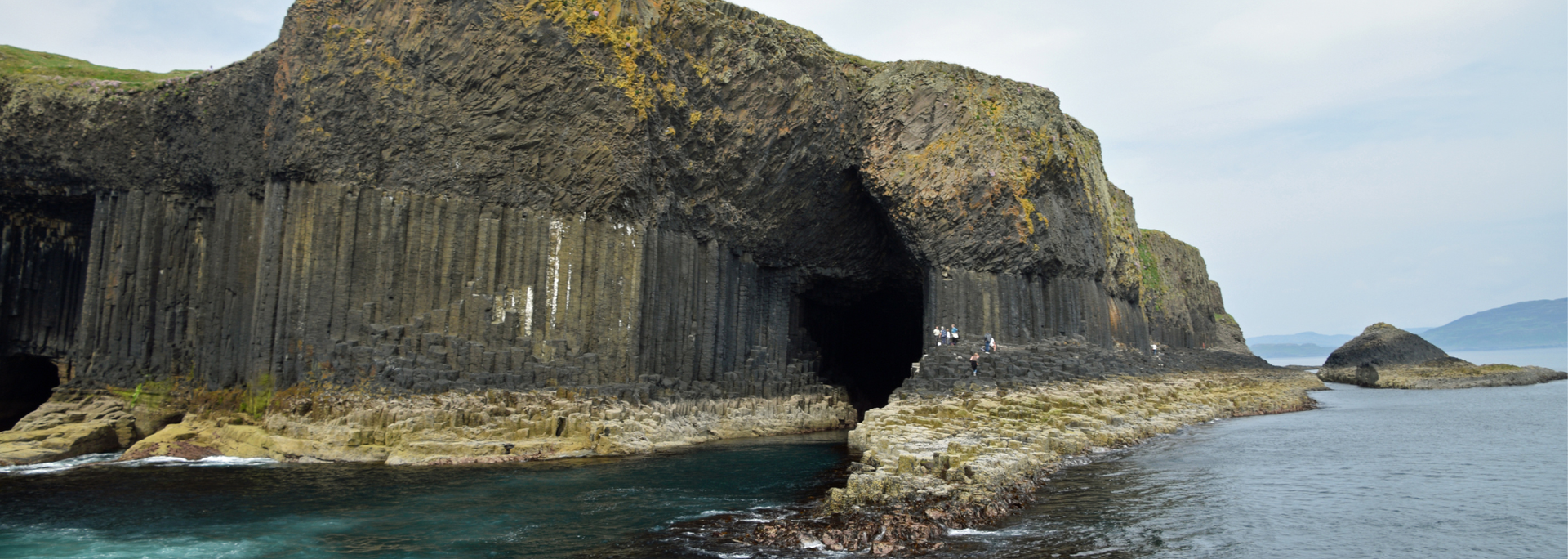
It's as tall as a high-rise and as wide as a lorry, with a vaulted entrance as high as a cricket pitch. Is it any wonder Fingal's Cave was once thought to be the work of an ancient warrior-giant?


That warrior-giant, it's said, was Fionn mac Cumhaill – also known as "Finn McCool" or "Fingal. Legend has it that he built a path from Giant's Causeway in Northern Ireland to the Isle of Staffa in the Inner Hebrides. His mission: to walk the 83 miles between them to confront his rival, the Scottish giant Benandonner.


These days, few people believe this origin story. Instead, the formation of this spectacular sea cave on the uninhabited island of Staffa is attributed to the slow, slow workings of lava and water.


The cave's cathedral-like structure is made up of towering basalt columns. These impressive columns are a remarkable example of naturally occurring hexagons.


Fingal's Cave is a feast for the ears as well as the eyes. Its unique acoustic properties amplify the crashing waves all around it. It's no surprise that this wonder of the natural world has inspired composers, poets and painters.


So, how was it formed? It all began 60 million years ago.


How was it formed?

Let's rewind to the Palaeocene period. The dinosaurs were gone, the world was largely tropical and the continents we know today were still forming.


Huge volcanic eruptions spewed forth thick, flowing basaltic lava. As it cooled, it contracted and cracked into fascinatingly symmetrical hexagonal patterns.


Thousands of years passed. The Atlantic Ocean battered its waves against the basalt, washing away loose rocks and ash from underneath the towering pillars.


Over time, the ocean's natural chisel carved out the arched ceiling and deep chasm we see today.


In this sense, Fingal's Cave has something in common with the caves here at Stump Cross Caverns. Like so many other natural rock formations, they're made by the working of water and time against rock. Simple – yet the results are breathtaking in their natural intricacy.


Fingal's Cave is one-of-a-kind. But there are other sea caves carved into columnar basalt – most notably the Giant's Causeway in Northern Ireland.


Our ancestors were right to notice the similarity. But whereas they believed both formations were the work of a warrior-giant, we now believe they were formed from the exact same lava flow.


There are similar formations on the neighbouring islands of Ulva and Gometra. And on the other side of the Atlantic, the Sea Lion Caves in Oregon tell a similar geological story.


Why are the columns hexagonal?

One of the most amazing things about Fingal's Cave is its naturally occurring hexagonal basalt columns – the result of a process called "columnar jointing".


Essentially, the lava flow cooled into rock, and the rock began to shrink. As it shrank, it cracked into a geometric pattern where three fractures intersect at 120-degree angles.


The result? Perfect six-sided columns.

This has something in common with other naturally occurring hexagons – often driven by a fundamental principle of physics where surface area is minimised to relieve stress.

Take honeycombs, where bees use the least amount of beeswax to store the maximum volume of honey. You can even see naturally occurring hexagons in foam, where surface tension causes bubbles to flatten against each other and form efficient, hexagon-like shapes.

Other naturally occurring hexagons include snowflakes and the eyes of insects like dragonflies and flies.

How are sea caves formed?


Picture of Fingal's cave.

Fingal's Cave is unique, but its formation is similar to that of many other sea caves. Waves pound against rock, carving out cracks, faults and softer rock layers to create hollowed-out caverns.


And as with Fingal's Cave, this process takes a long, long time.

Fingal's Cave in art and music

With its scale, acoustics, natural beauty and fascinating form, it's perhaps inevitable that Fingal's Cave should have inspired so much art and music over the years.


Its natural acoustics, acting as a rocky amplifier for the Atlantic, earned it the name Uamh-Binn – Gaelic for "Cave of Melody".


It was a big inspiration on the Romantics, perhaps best represented by Felix Mendelssohn's The Hebrides, Op. 26.

Mendelssohn was so blown away by Fingal's Cave that he sketched the notes to the opening theme on a postcard. That's the 19th-century equivalent of making a voice note on your phone.


The finished work conjures images of rolling waves and haunting echoes. It's both a beautiful tribute to the sea cave and a memorable, much-loved standalone piece.


Fingal's Cave was beloved by painters, too. One of the finest examples is Staffa, Fingal's Cave, an 1832 painting by the British Romantic painter J.M.W. Turner.


Now housed at the Yale Center for British Art, New Haven, the painting looks at first glance like an industrial scene. You can see billowing clouds and what appears to be thick smoke pluming from a smokestack. 


On closer inspection, however, you realise you're looking at a sea scene. Turner cleverly focuses on the mist, steam and sea that surrounds the cave as much as the cave itself.


Poets like Wordsworth, Keats and Tennyson visited, too, cementing its reputation as an essential destination for Romantic artists.


The cave was also famously incorporated into two novels by Jules Verne: Journey to the Centre of the Earth (1864) and The Green Ray (1882).


Visiting Fingal's Cave

If you want to follow in the footsteps of Mendelssohn, Verne and countless others, you'll need to have sturdy sea legs.


The Isle of Staffa is completely uninhabited and accessible only by boat. Tours depart from the nearby islands of Mull, Iona and the mainland town of Oban.


When the weather is calm, passengers are dropped off on the Isle of Staff – a national nature reserve – and walk into the cave along a basalt walkway.


An easier option

Do you live in the UK and want to experience the majesty of an ancient cave?


Here at Stump Cross Caverns, we're proud custodians of one of the best-preserved caves in the Yorkshire Dales. It's a voyage back in time, full of prehistoric rock formations and mysterious, twisting passageways.


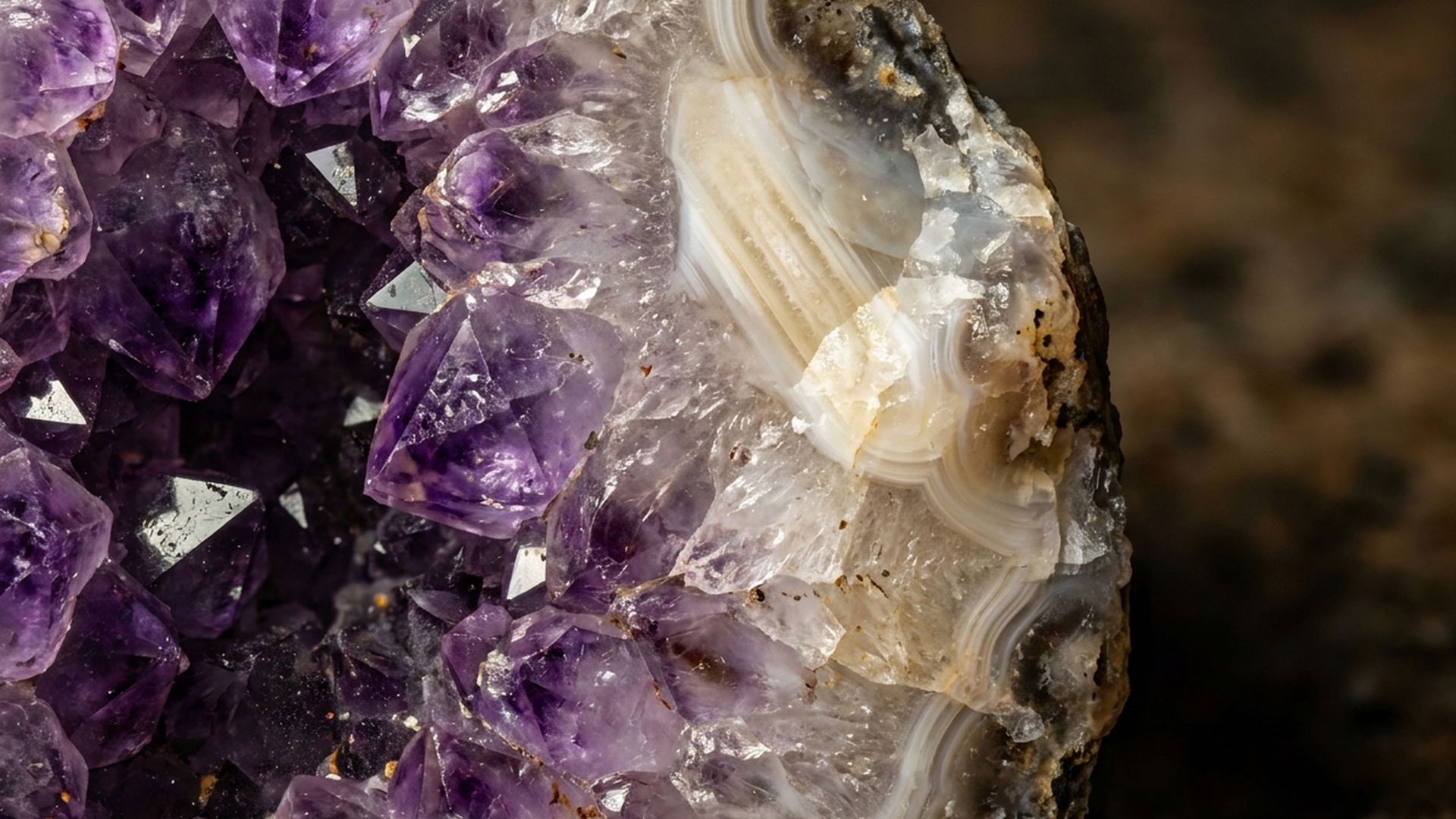
And there's plenty more to do at our visitor centre, from panning for gems to cracking your own geode.


Ready for an underground adventure? Find out how to reach us or book your tickets online today.


Share this article

Recent Posts

Do you have a geode that needs valuing? Find out how to put a price on your discovery in our guide.
by Simon Edward 10 August 2026
Do you have a geode that needs valuing? Find out how to put a price on your discovery in our guide.
Did cavepeople live up to their reputation as big, strong brutes?
by Simon Edward 7 August 2026
Did cavepeople live up to their reputation as big, strong brutes? Put it this way: they'd probably beat you in an arm-wrestling match…
The Yorkshire Dales is best explored on foot – and, some say, best explored in summer. Discover 4
by Simon Edward 31 July 2026
The Yorkshire Dales is best explored on foot – and, some say, best explored in summer. Discover 4 walks that promise the best of the season.
Yorkshire is full of family fun with an educational flavour. Avoid the roar of theme park rides
by Simon Edward 24 July 2026
Yorkshire is full of family fun with an educational flavour. Avoid the roar of theme park rides with these 8 hand-picked local attractions.
Are you planning a self-catering holiday in the Yorkshire Dales? Learn handy local tips in our guide
by Simon Edward 20 July 2026
Are you planning a self-catering holiday in the Yorkshire Dales? Learn handy local tips in our guide.
Yorkshire is a fossil hotspot – and Stump Cross Caverns is no exception. Explore
by Oliver Pyper 17 July 2026
Yorkshire is a fossil hotspot – and Stump Cross Caverns is no exception. Explore some of our recent and not-so-recent fossil finds.
Some caves are cooler than others. A few are downright frosty. Join us as we tour
by Simon Edward 13 July 2026
Some caves are cooler than others. A few are downright frosty. Join us as we tour some of the world's coldest ice caves.
Are you interested in exploring Yorkshire's lead mining history? Here are 7 places you can visit
by Simon Edward 10 July 2026
Are you interested in exploring Yorkshire's lead mining history? Here are 7 places you can visit
Looking for family-friendly activities in Yorkshire for the 2026 summer holiday? Explore 10
by Simon Edward 6 July 2026
Looking for family-friendly activities in Yorkshire for the 2026 summer holiday? Explore 10 fun options in our guide.
Show More