
Mythical and magical creatures in the Yorkshire Dales

20 November 2023

Let us tell you some tales from the Dales. Here are 4 of the weirdest and most wonderful creatures from Yorkshire folklore.


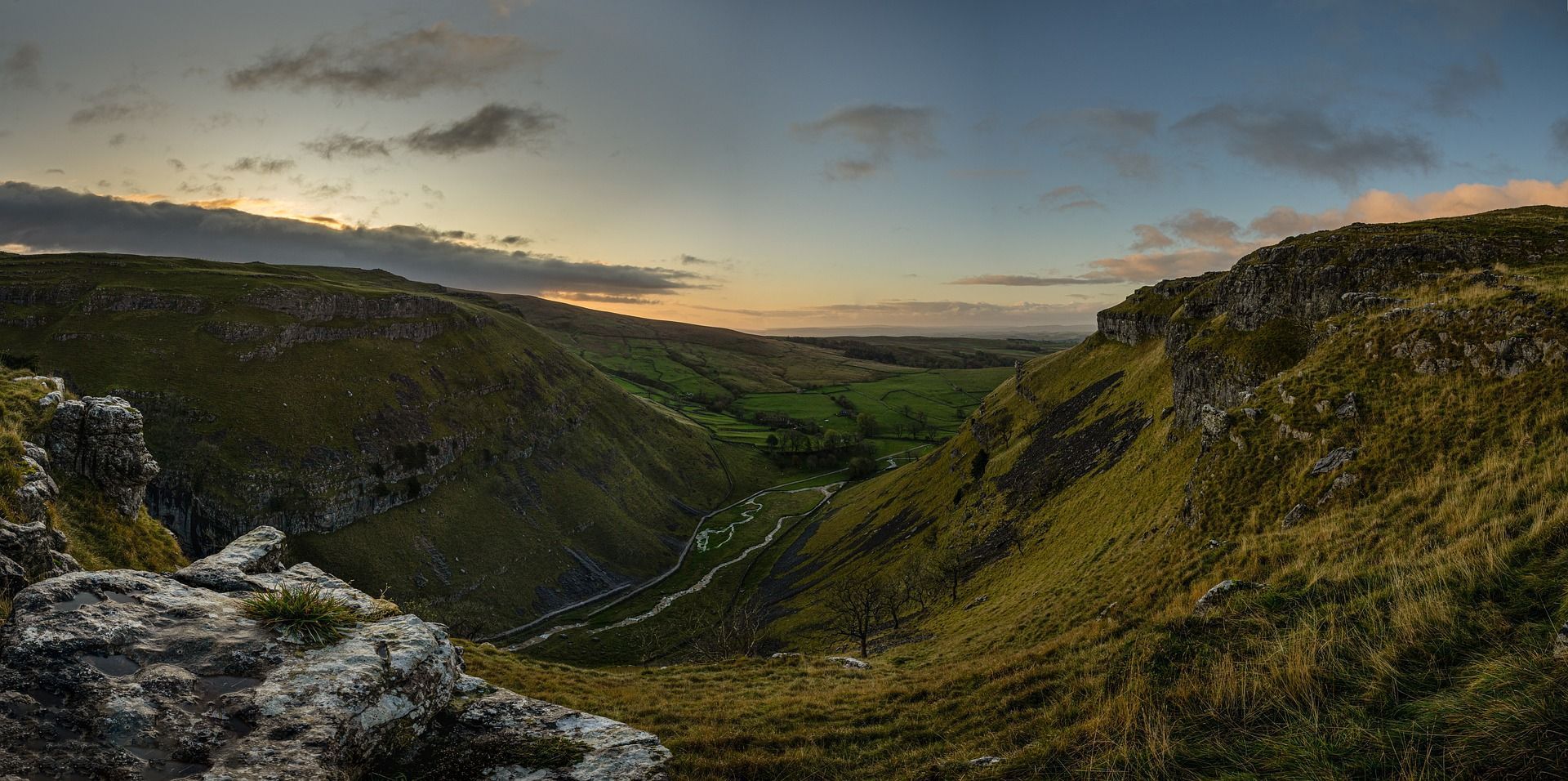
Panoramic view of a green valley between rocky hills under a cloudy sky at dusk.

The Yorkshire Dales is an awe-inspiring and evocative place. Our beautifully bleak landscape has inspired works by the likes of Rudyard Kipling, J. B. Priestley and the Brontë sisters.


But these famous works represent just a tiny fraction of our rich cultural heritage. For every
lyrical ode to Gordale Scar , there are dozens of Dales-inspired folk tales – many of which survived for centuries before being written down.


These stories were often creepy, curious and more than a little magical. They spoke of giants, ghouls and ghostly black dogs, which roamed our windswept moors with mischief and malevolence on their minds.


Let's investigate some of these frightening creatures for ourselves. Strap in – we're about to dive deep into Dales lore.


Boggarts


Sorry, Harry Potter fans. J. K. Rowling gets boggarts wrong.


In Rowling's wizarding romp, boggarts are shape-shifting creatures that have no true form – instead, they take on the shape of their observers' worst fears. Spooky.


But in English folklore, boggarts were more concerned with mischief than psychological trickery.


If – by some cruel twist of fate – a boggart entered your home, you'd be in for a lifetime of faff. Milk would turn sour, bedsheets would be torn off in the early hours and clammy hands would tug on your ears when you'd least expect it.

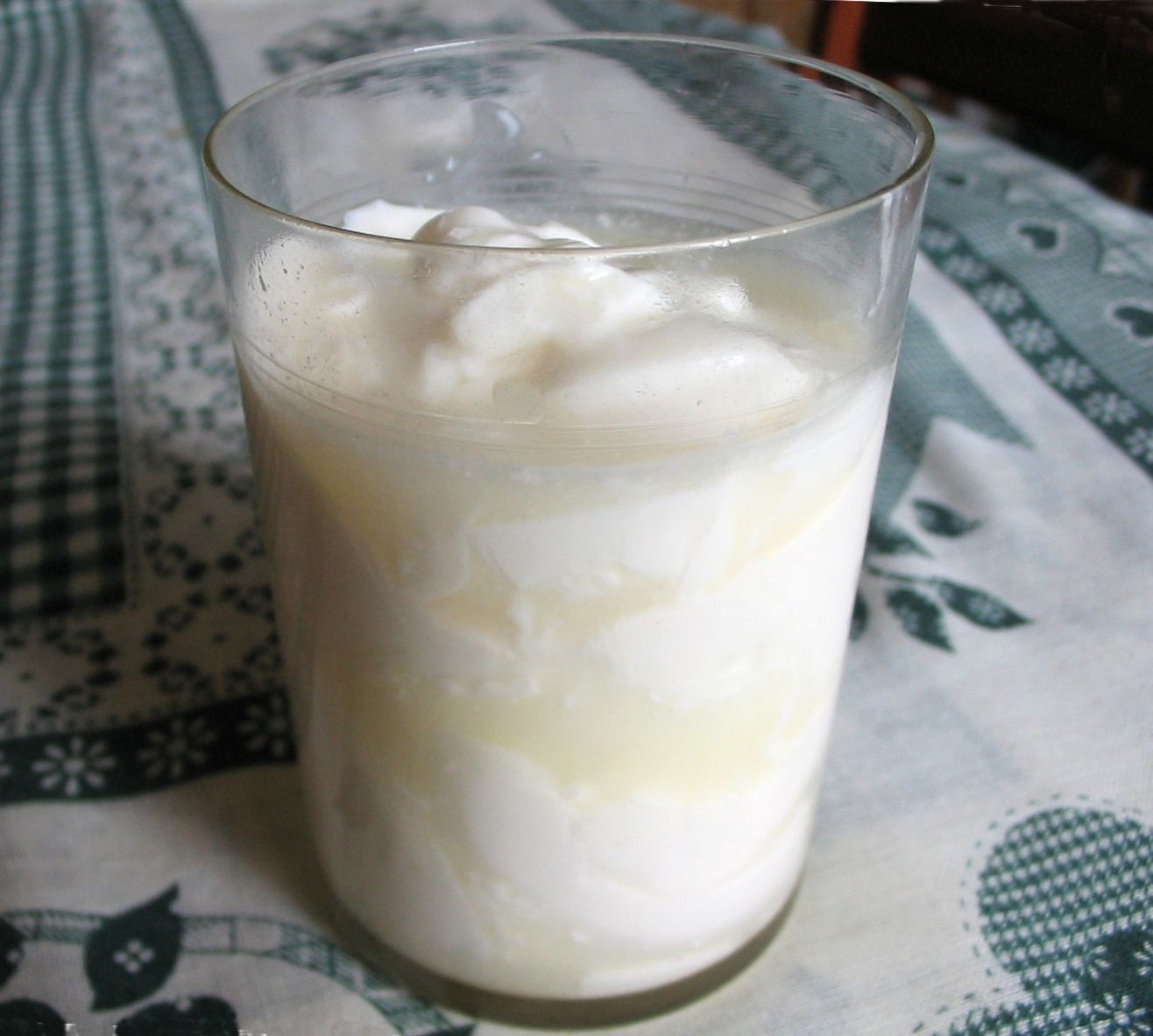
Glass of yogurt with a creamy, white texture; some liquid at the bottom.

Yes, boggarts were experts in harmless hassle. But they were sometimes implicated in more troublesome crimes such as kidnapping and murder. 


It's no surprise, then, that boggarts were feared throughout northern England. In the Dales, they give their name to Boggarts Roaring Holes: a series of potholes near Clapham.


 One is said to haunt a limestone cave close to the town of Settle, too.


The Strid Kelpie


Kelpies aren't the most famous folk creatures. Nowadays, it's vampires, ghosts and goblins that take most of the spotlight.


But in times past, kelpies were just as feared as any common-or-garden hobgoblin.


See, kelpies had deception on their side. Most of the time, they took the form of sleek black horses. However, they could shape-shift at will – and often took on a human appearance to snare unsuspecting travellers.

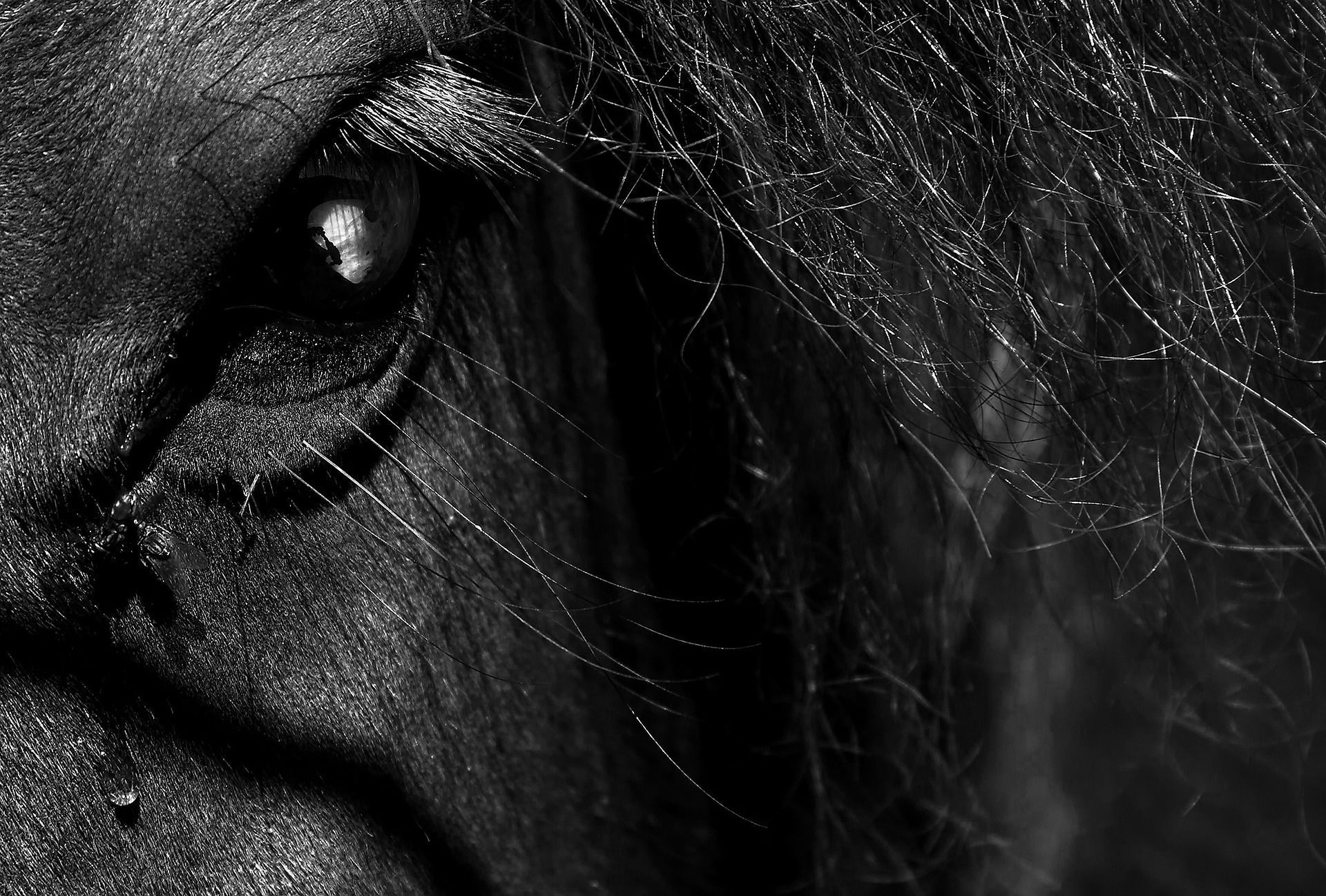
Lion's eye in close-up, black and white. Detailed view showing eye, eyelashes, and fur.

Invariably, they were spotted near lakes and lochs. A passerby would notice a handsome young man or beautiful woman perched on some rocks by the shore. Naturally, they'd wander over to chat them up – only to be dragged under the rippling waters to their doom.


The Dales has its own kelpie story. One of these horse-human hybrids was said to lurk by the Strid – a fast-moving stretch of the River Wharfe close to Bolton Abbey.


Like many folk stories, the Strid Kelpie may have had a practical purpose. The Strid's ferocious current had claimed several lives, so it's likely that the Kelpie story was dreamed up by concerned parents who wanted to spook their kids into staying away.


The Barguest of Trollers Gill


This one's very close to home. Trollers Gill is a limestone gorge that's just down the road from Stump Cross Caverns.


It's well worth a visit – but if you hear a howl on the wind, make a run for it. That ghostly cry might just be the gill's resident barguest.


In Yorkshire folklore, a barguest is a huge black dog with monstrous claws and teeth. The one that stalked Trollers Gill was said to turn its victims to stone with one fearsome look.

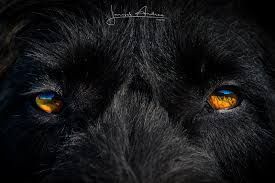
Close-up of a black dog's face, with bright amber eyes and shaggy fur.

 So bewitching was the tale that it inspired several works of fiction – including, it's said, Arthur Conan Doyle's The Hound of the Baskervilles . Here's how one folk song recounts it :


"And a dreadful thing from the cliff did spring, And its wild bark thrill’d around— Its eyes had the glow of the fires below— ’Twas the form of the Spectre Hound!"


You can learn more about this pernicious pooch in our blog post:
"The Barguest of Trollers Gill" .


Mother Shipton


The Yorkshire Dales is dotted with curious limestone caves and caverns. And we should know – Stump Cross is one of them!


For this folk tale, however, we must cast our minds to Mother Shipton's Cave. You'll find it close to the town of Knaresborough, around 16 miles from Stump Cross.


This small riverside shelter was said to be the home of Ursula Southell – more commonly known as "Mother Shipton".


Southell's tale is one of tragedy, suspicion and social exclusion. Legends say that she was born in the cave, hunchbacked and deformed.

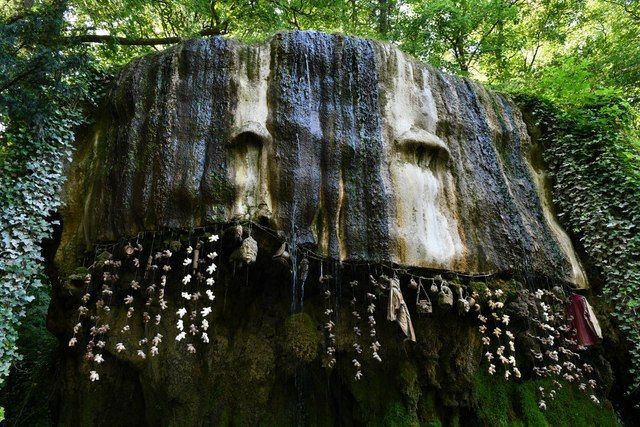
Stone structure with dripping water, resembling a face with carved eye sockets, adorned with hanging objects, surrounded by greenery.

Picture of Mother Shipton's Cave, credit to the Mother Shipton's website. (https://www.mothershipton.co.uk/the-park/) The townspeople mocked, admired and feared her.


They would visit her for herbal remedies when sick – and would take note of her gloomy prophecies. One such prophecy foresaw that the world would end in 1881. (In case you weren't paying attention, it didn't.)


Mother Shipton is unique in this list because, unlike our barguests and boggarts, she was probably a real person. However, little is known about the true life of Ursula Southell.


 All we have left are the cruel folk tales that were whispered by her suspicious neighbours.


There's magic in the Dales to this day…


Cards on the table: you probably won't see a cave witch or a kelpie if you visit the Yorkshire Dales today.


But you can discover a different kind of magic – if you take a look deep, deep beneath the surface.


See, the Dales is riddled with underground caves – some carved by lead miners centuries ago, others by aeons of geological wear and tear.


One such cave is Stump Cross Caverns: a mile-long stretch of twisting passageways and ancient nooks, packed to the brim with awe-inspiring rock formations and limestone crystals.


Stump Cross was discovered by lead miners in 1860 – but the caves were formed much, much earlier than that. We can trace
our history right back to the Paleozoic era, some 300 million years ago.


Visiting today really does feel like a kind of magic. It's a chance to step back in time and discover a hidden underground world, barely touched by human hands since the dawn of time.


Want to experience it for yourself? Our
Yorkshire Dales caves are open throughout the year – and it's easy to book your tickets online .

Share this article

Recent Posts

There are loads of family Christmas events in Yorkshire in 2026. Make room in your diary
by Oliver Pyper • 21 October 2026
There are loads of family Christmas events in Yorkshire in 2026. Make room in your diary for these festive attractions.
Want to experience the weird and wonderful side of Yorkshire? Discover 11 unusual places to visit
by Oliver Pyper • 12 October 2026
Want to experience the weird and wonderful side of Yorkshire? Discover 11 unusual places to visit for a truly unique day out.
Do you want to take the kids to meet Santa this Christmas? Here are 10 options
by Oliver Pyper • 9 October 2026
Do you want to take the kids to meet Santa this Christmas? Here are 10 options to get the whole family into the festive spirit.
Don't know your druse crystal from your geode? Learn how to spot the difference
by Simon Edward • 5 October 2026
Don't know your druse crystal from your geode? Learn how to spot the difference and identify manmade reproductions.
Cave arches, stacks and stumps are formed over thousands to millions of years.
by Simon Edward • 2 October 2026
Cave arches, stacks and stumps are formed over thousands to millions of years. Learn the fascinating process behind their formation.
Does Mars have caves? Yes! Discover everything you need to know about Martian caves –
by Simon Edward • 28 September 2026
Does Mars have caves? Yes! Discover everything you need to know about Martian caves – no rocket ship required.
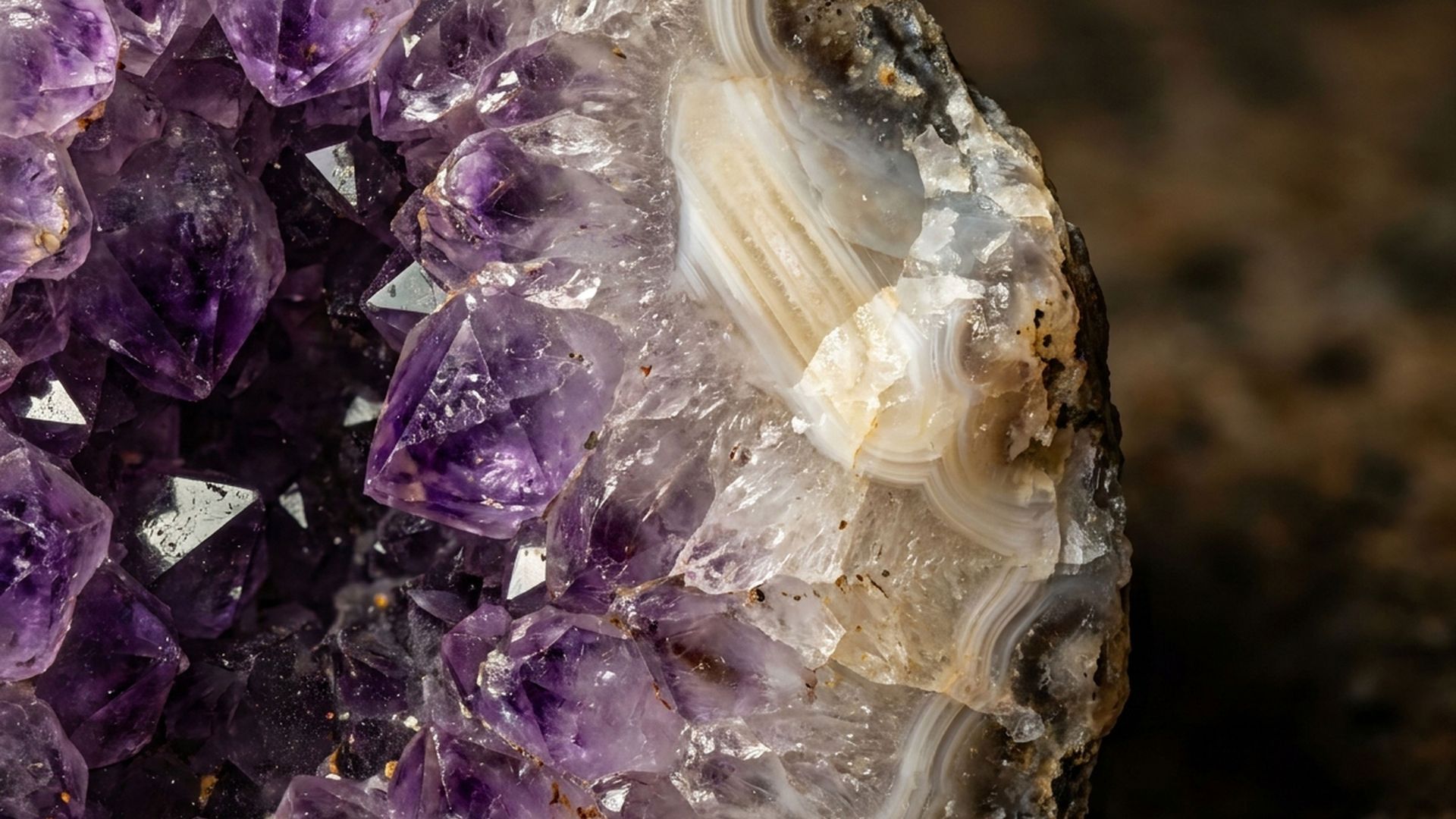
Vugs and geodes are both kinds of cavities in rock. How are they different –
by Simon Edward • 21 September 2026
Vugs and geodes are both kinds of cavities in rock. How are they different – and how are they the same?
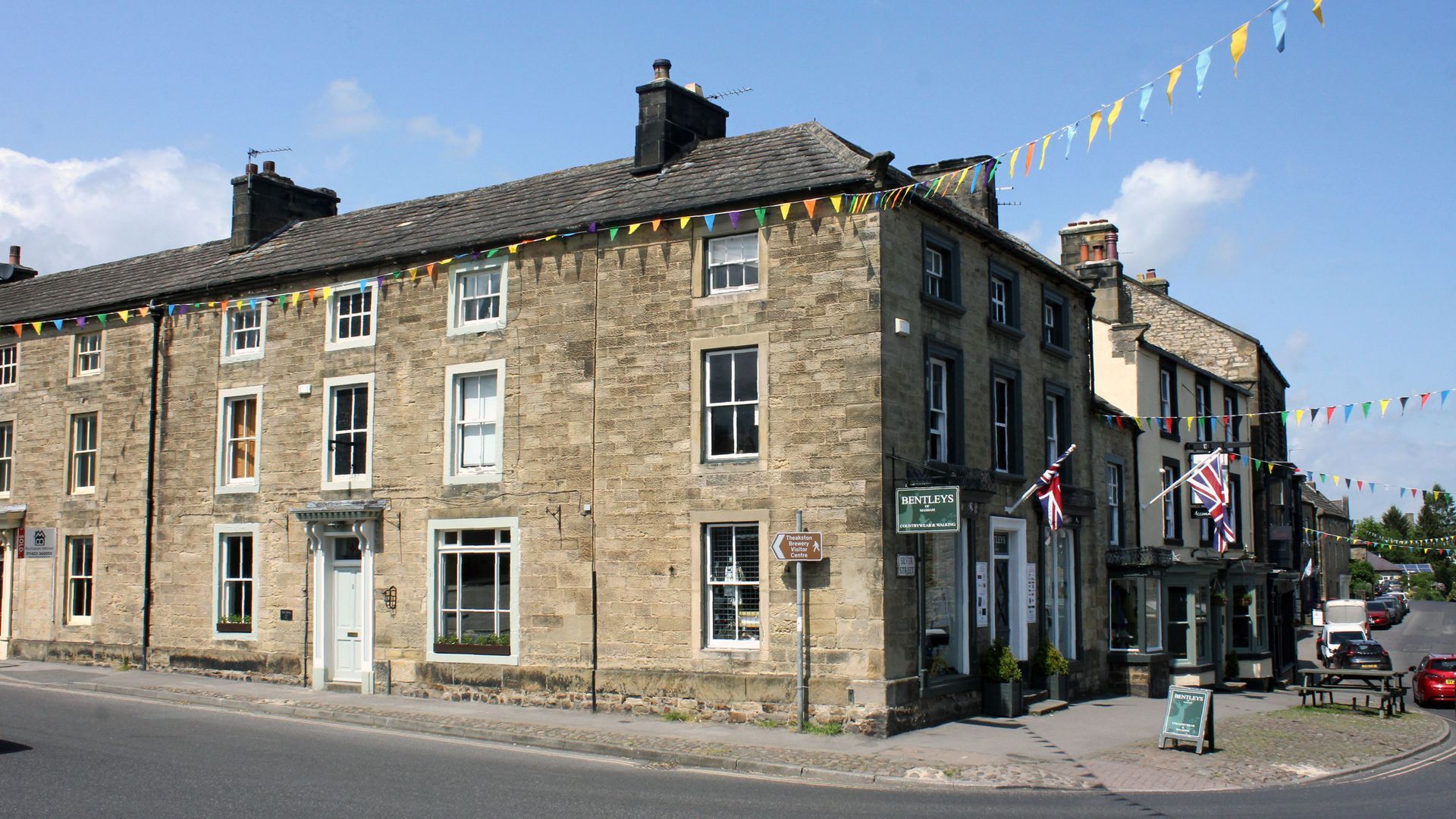
Looking for hiking inspiration in North Yorkshire? Explore 6 varied walks near Masham
by Simon Edward • 18 September 2026
Looking for hiking inspiration in North Yorkshire? Explore 6 varied walks near Masham on the edge of the Dales.

Looking for KS2 Stone Age homework inspiration? We've got you covered. Discover 6 ideas
by Simon Edward • 14 September 2026
Looking for KS2 Stone Age homework inspiration? We've got you covered. Discover 6 ideas to keep pupils engaged in and out of the classroom.

Show More