

Rare wildlife in the Yorkshire Dales

Simon Edward • July 19, 2024
BOOK TICKETS

The Yorkshire Dales is home to some remarkable wildlife. Join us as we explore some rare examples.


The Yorkshire Dales is home to some remarkable wildlife. Join us as we explore some rare examples.

The Yorkshire Dales is famous for many things – from Wensleydale cheese to drystone walls and everything in between. But did you know that it's also home to some extremely rare wildlife?


Yes, it's not all sheep and buzzards, you know. Visit us here in the Dales and you can see beautiful hares, flowers, mosses, insects and more – if you know where to look.


So, without further ado, let's grab our walking boots and go for a nature walk.


Brown hares


The brown hare (
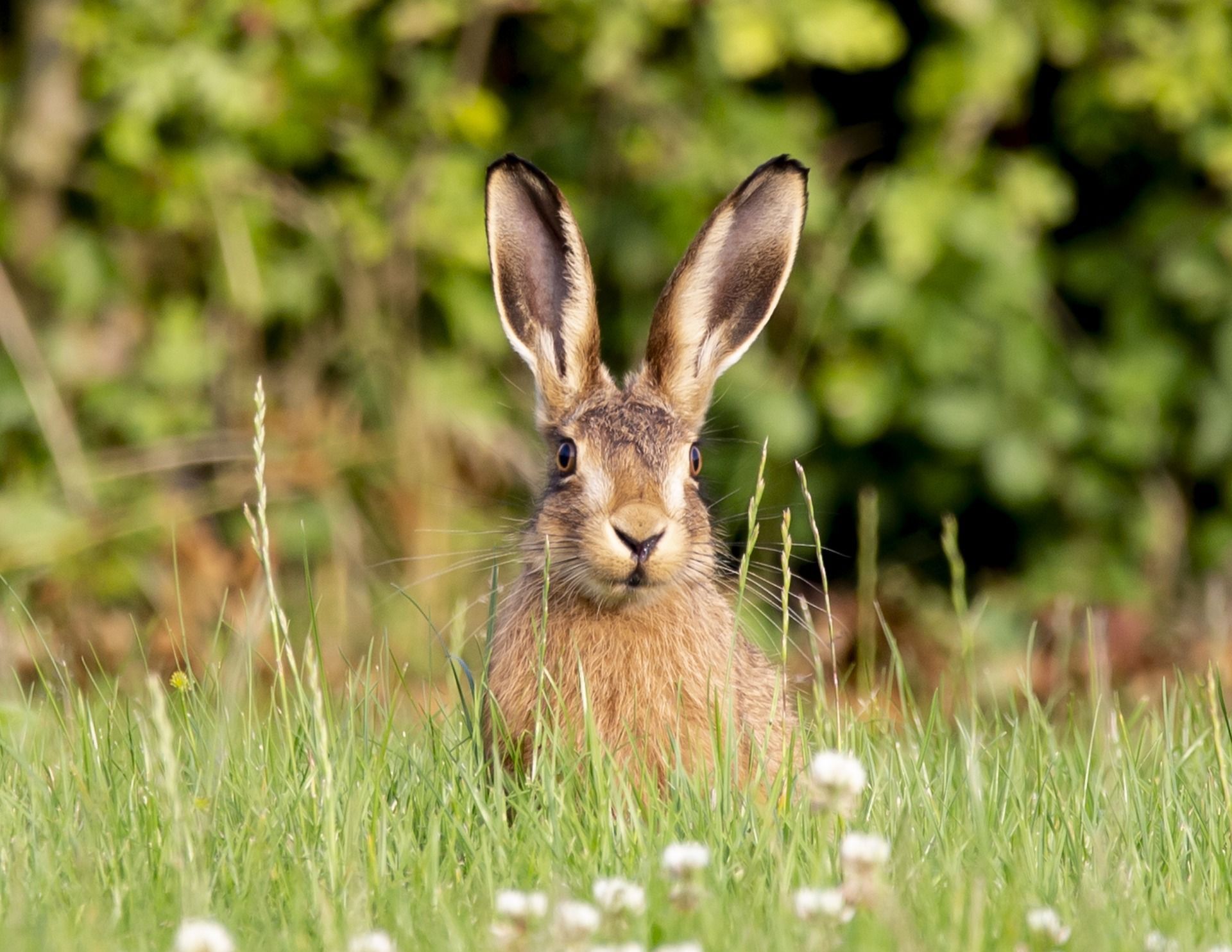
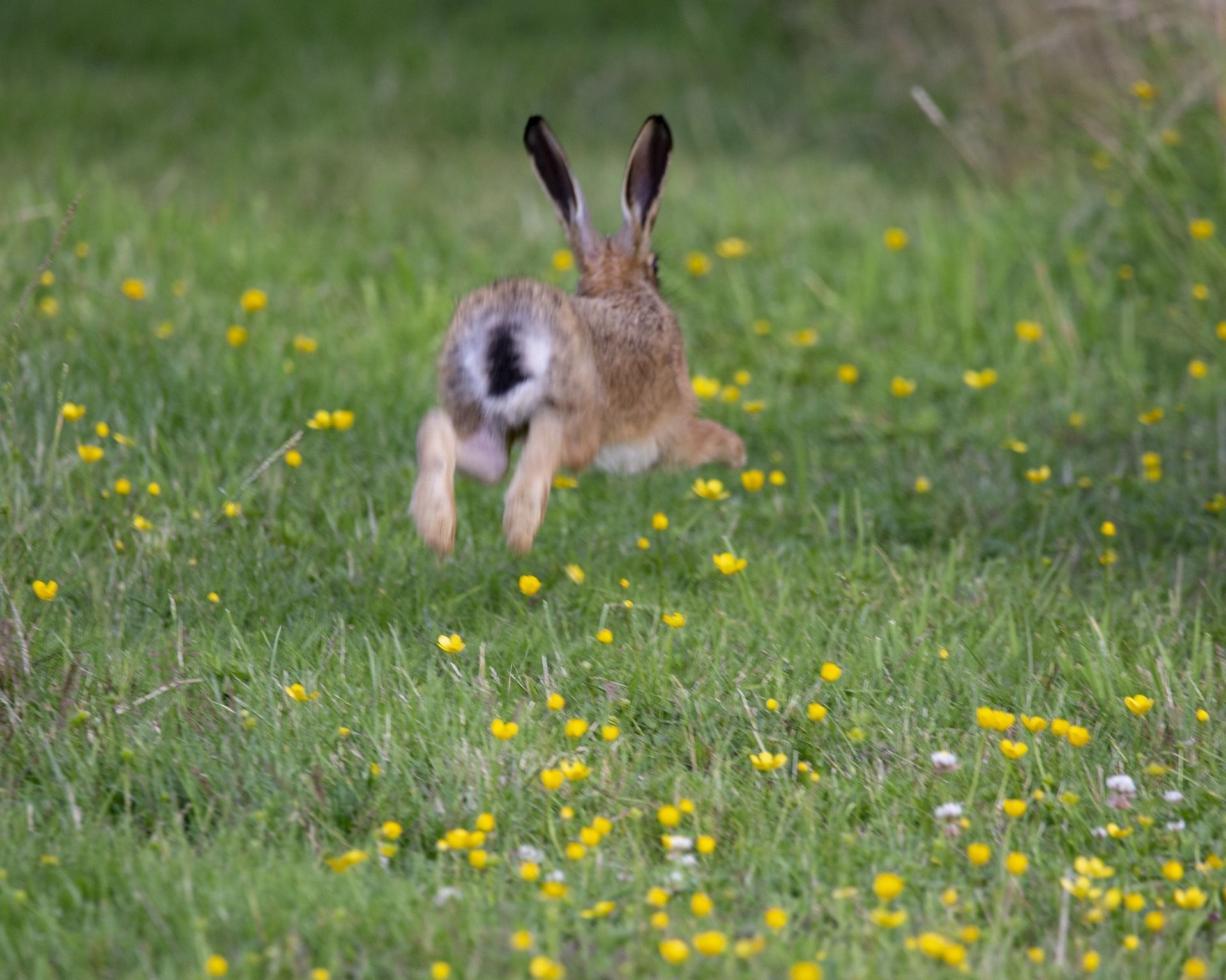
lepus europaeus) is known for two things: its long, black-tipped ears and its remarkable speed. When evading predators, this handsome beast can zigzag across the Dales at speeds of up to 45 miles per hour – that's 18 miles faster than Usain Bolt.


Picture of a brown hare.

They're believed to have been brought to the UK in Roman times. Today, you're most likely to see them in spring. They favour areas that are dense with grasses and hedgerows.


In early spring, the breeding season begins and hares start "boxing". Perhaps surprisingly, it's typically the female warding off the male – not, as you might assume, two males fighting over a female.


Brown hares are beautiful creatures: golden-brown with a white tail and those famous black-tipped ears. They were a "priority species" in the UK's Post-2010 Biodiversity Framework.


Yorkshire sandwort


Ingleborough is the second-highest mountain in the Yorkshire Dales – and home to some extremely rare flowers. These include the Yorkshire sandwort.


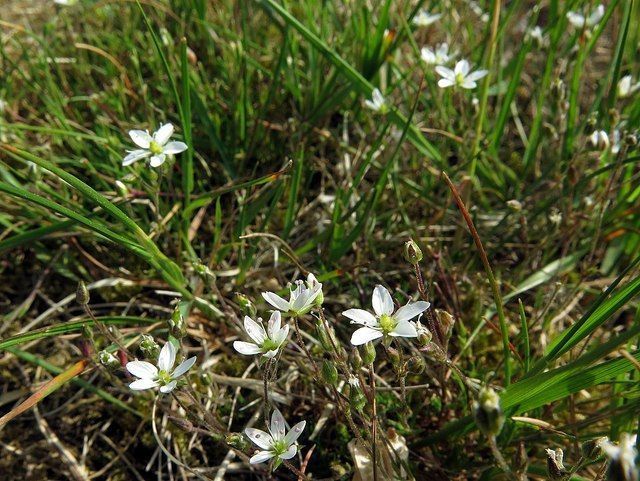
Picture of Yorkshire Sandwort, Ingleborough

This flower is what naturalists call an "endemic species" – a species that only exists in one area. The eagle-eyed hiker can spot its clusters of tiny white stars on the mountain's limestone cliffs between May and August.


Other rarities in the areas include Teesdale violets and purple saxifrage. These take their place amid a wealth of more common flowers. The mountain is believed to be home to a third of all plant species in the UK.


These rare flowers, however, are under threat from climate change. The Wild Ingleborough project has been set up to protect them. In the words of Rachael Bice, CEO of Yorkshire Wildlife Trust:


"Ingleborough provides a critical haven for some of Yorkshire's rarest limestone plants to flourish… but we are now in a race against time to save some of the last remnants of this area's most vulnerable plants."


The crucifix ground beetle


The crucifix ground beetle is so rare that not much is known about its preferred habitats. We do know, however, that these black, bristly, red-spotted insects live under pieces of wood by day and hunt for semi-aquatic snails by night.


Picture of famous Charles Darwin statue.

There have been only three recorded sightings in Yorkshire: two at the Wheldrake Ings Nature Reserve and one at Carr Lodge Nature Reserve, Doncaster.


The crucifix ground beetle is perhaps most famous from an anecdote told by Charles Darwin:


"As I was walking along, I came upon a tree where some bark was pealing [
sic] loose. There I spied a beetle. Without a net or collecting jar, I snatched it up in my hand. In almost the same moment I spied a second, distinctive beetle and snatched it up into my other hand. Soon after, under the edge of the bark, I saw a third unique species of beetle. What was I to do? Two hands, three beetles, I popped one beetle into my mouth to free up a hand. In that same instant the beetle squirted an acrid fluid into my mouth. My tongue, lips and the inside of my cheeks burned with this acidic fluid. What would you do? Exactly what the beetle would want you to do. You would spit out the beetle, as did I. The third beetle, the one I was about to scoop up also escaped."


Pine martens


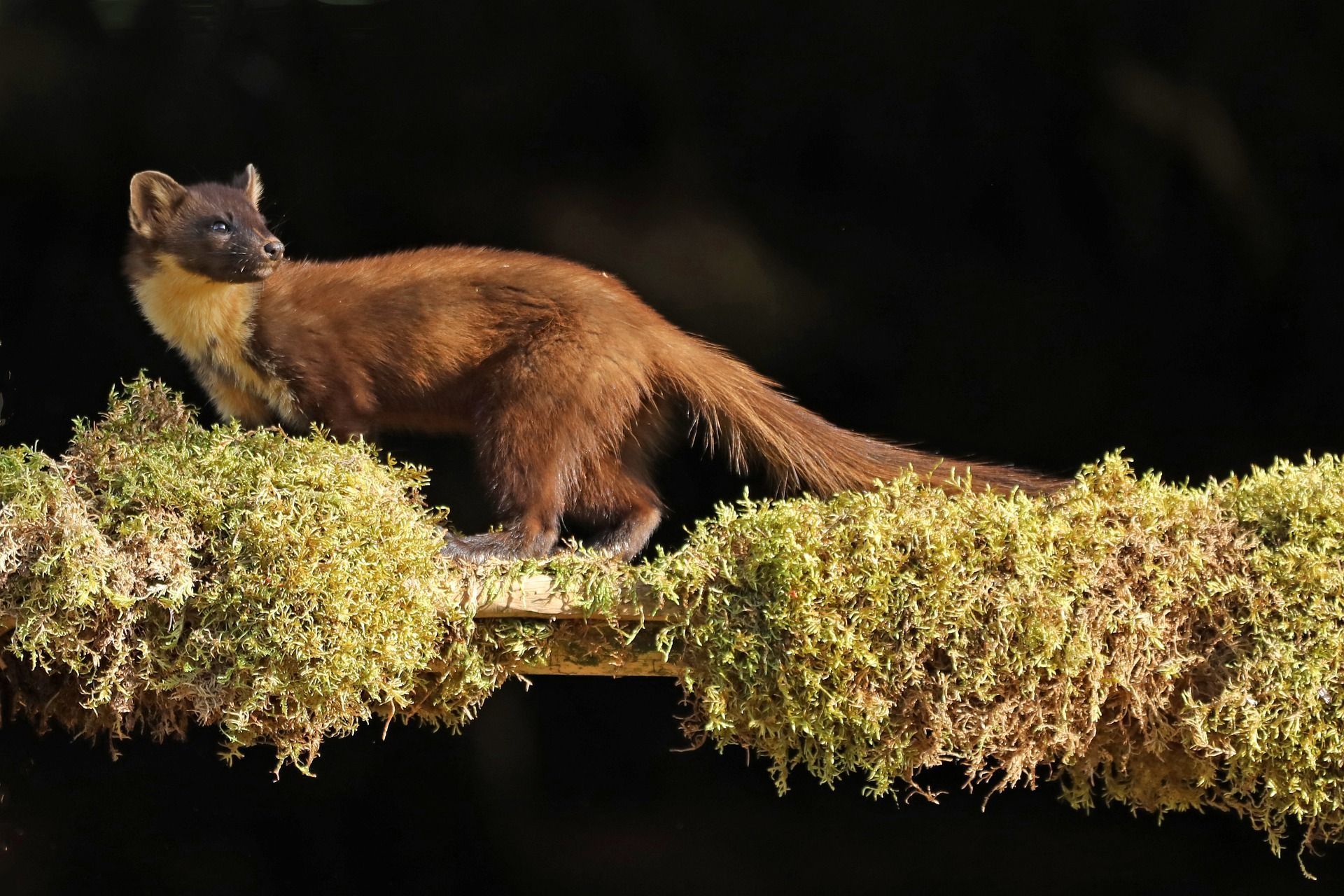
In 2017, the Forestry Commission caught a remarkable moment on the North York Moors: the first sighting of a pine marten in the area in 24 years.


Picture of a pine marten.

Even more remarkably, pine martens were considered extinct in England until 2015, when one was spotted in Shropshire. Once a common sight in England, the population was all but decimated by deforestation.


Pine martens are arboreal, meaning they spend a lot of time in trees. They're also nocturnal. These two qualities mean they're hard to track without remote technology like "camera traps" – a camera that's triggered when an animal walks in front of it.


Pine martens are part of the stoat and weasel family and grow to around the size of a domestic cat. They have large rounded ears, chestnut fur and a cream-coloured bib.


In Scotland, there are around 4,000 pine martens – and small numbers live around Snowdonia, Wales. In England, however, there have only been a handful of confirmed sightings. That's why
conservation projects are working on restoring the species to the country.


Rare mosses


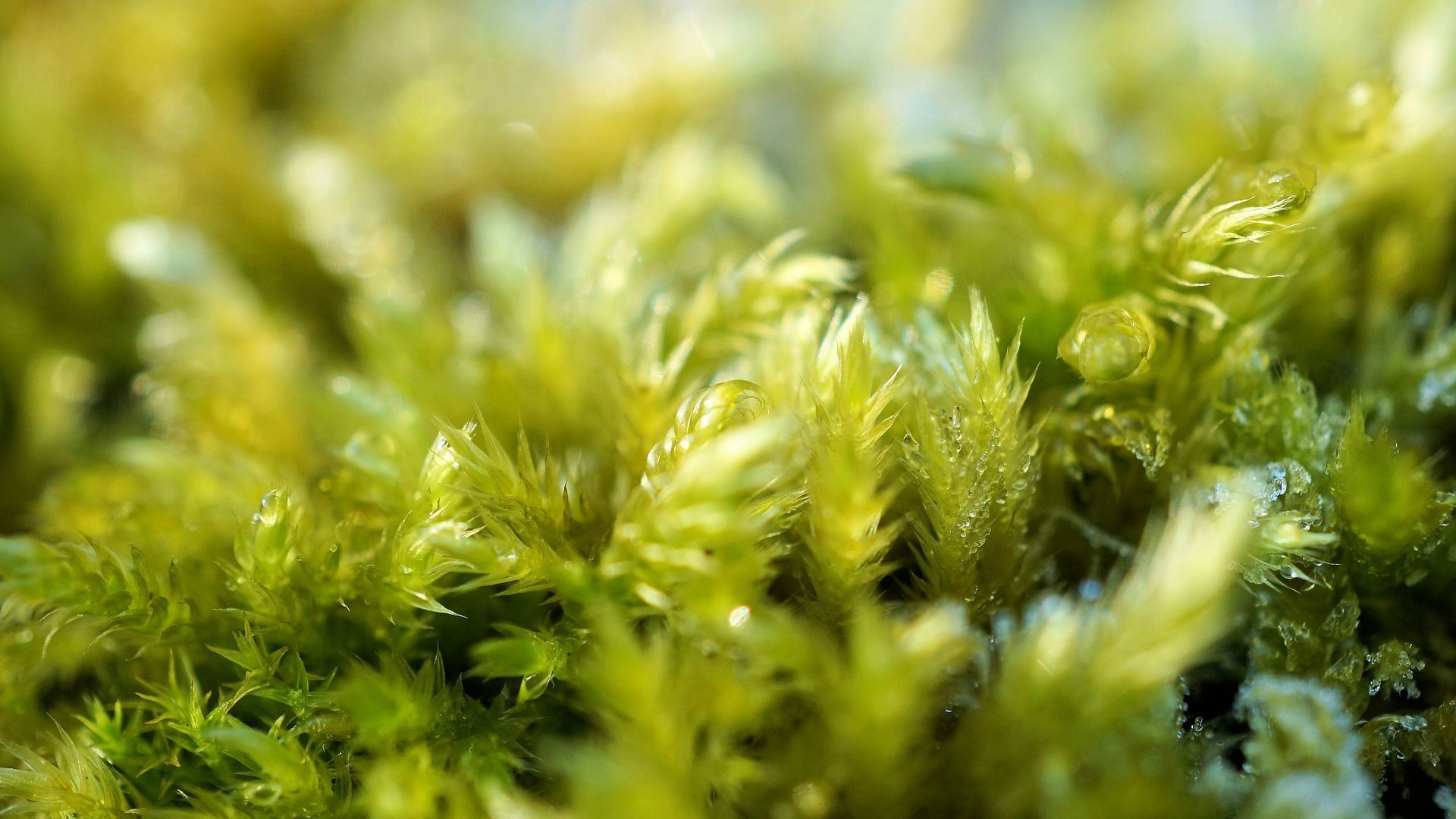
The Dales is home to several rare mosses – from Yorkshire feather-moss, discovered in a ravine near Ingleton in 1991, to incurved feather-moss, which prefers to live among sparse vegetation in drystone walls, woodlands and crags.


Picture of Yorkshire feather-moss.

Mosses can be found everywhere from car parks to castles, but they often proliferate in nature reserves. These tend to be popular destinations for bryologists – people who have an active interest in mosses, liverworts and hornworts.


Death's head hawkmoth


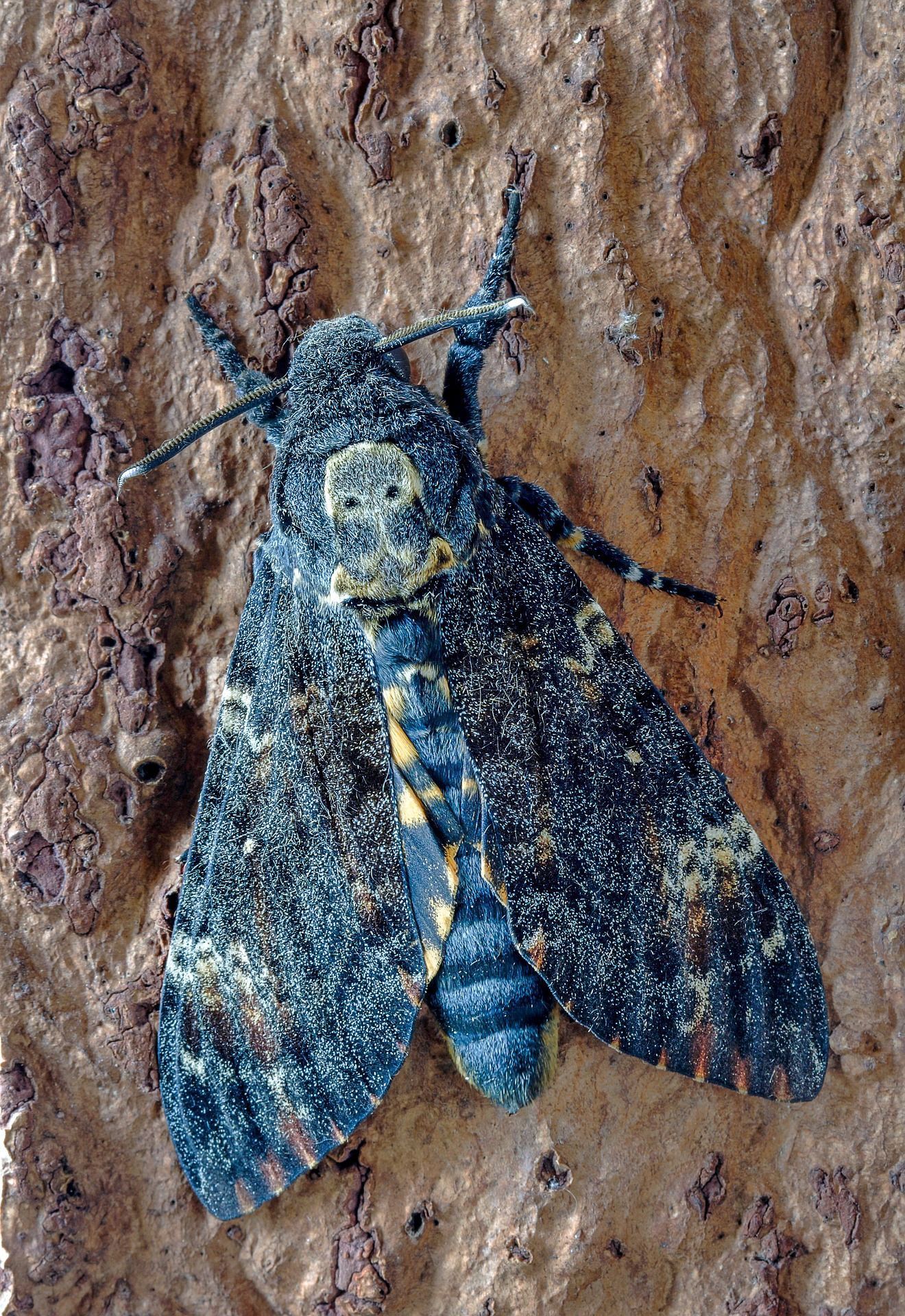
The ominously named death's head hawkmoth – so-called because of the skull-like pattern on its back – is something of a rarity in Yorkshire. And as well as being rare, it has a couple of curious characteristics.


Picture of a death's head hawkmoth.

First is its tendency to raid beehives, gaining access by mimicking the scent of the honey bees. Secondly, they emit a short, sharp squeak to deter predators. This sound is made by its epipharynx: a structure that vibrates like an accordion.


Film fans may recognise the death's head hawkmoth as the moth that's found in the throats of murder victims in
The Silence of the Lambs. In the wild, however, you're unlikely to see one outside of a light trap or beehive.


Are you
visiting the Yorkshire Dales to do some wildlife spotting? Don't forget to swing by Stump Cross Caverns for a day of underground adventure and discovery. It's quick and easy to book your cave tickets online.


Cave photography isn't easy, but it's very rewarding. Learn why capturing underground worlds
By Simon Edward March 8, 2026
Cave photography isn't easy, but it's very rewarding. Learn why capturing underground worlds requires patience, planning and creativity.
Discover the best spring events across Yorkshire in 2026, from festivals and family days out
By Simon Edward March 2, 2026
Discover the best spring events across Yorkshire in 2026, from festivals and family days out to hidden gems at Stump Cross Caverns.
Looking for a short but sweet walk in the Yorkshire Dales? Lace up your boots and get ready
By Simon Edward March 2, 2026
Looking for a short but sweet walk in the Yorkshire Dales? Lace up your boots and get ready as we share 8 of our personal favourites.
Here at Stump Cross Caverns, we're proud that our caves have contributed
By Simon Edward February 28, 2026
Here at Stump Cross Caverns, we're proud that our caves have contributed to the sum of scientific knowledge. Here are 4 fascinating examples.
There are around 3,000 deserted villages in the UK. Explore 5 incredible examples in Yorkshire
By Simon Edward February 27, 2026
There are around 3,000 deserted villages in the UK. Explore 5 incredible examples in Yorkshire and nearby.
What skills and tools would you need to survive as a Stone Age person? Take a trip
By Simon Edward February 23, 2026
What skills and tools would you need to survive as a Stone Age person? Take a trip in our time machine and find out…
Diggers working to excavate C Chamber at Stump Cross Caverns have discovered the fossilised jawbone
By Simon Edward February 20, 2026
Diggers working to excavate C Chamber at Stump Cross Caverns have discovered the fossilised jawbone of a wolverine. Let's take a closer look.
Caves contain all sorts of secrets – but not all of them are pleasant. Explore this car graveyard
By Simon Edward February 16, 2026
Caves contain all sorts of secrets – but not all of them are pleasant. Explore this car graveyard in North Wales, and the lessons we can learn from it.
Did you know that some caves have their own ecosystems? Explore 5 incredible-but-true examples
By Simon Edward February 13, 2026
Did you know that some caves have their own ecosystems? Explore 5 incredible-but-true examples in our guide.
Discover the most unforgettable family-friendly days out around Harrogate – from castles and gardens
By Simon Edward February 9, 2026
Discover the most unforgettable family-friendly days out around Harrogate – from castles and gardens to underground caves.
More Posts