
5 lost and abandoned villages in Yorkshire

Simon Edward • February 27, 2026
BOOK TICKETS

There are around 3,000 deserted villages in the UK. Explore 5 incredible examples in Yorkshire and nearby.


There are around 3,000 deserted villages in the UK. Explore 5 incredible examples in Yorkshire and nearby.

Spend even a few days in the Yorkshire Dales and you'll struggle not to notice its rich history.


The landscape itself is the result of prehistoric glacial movement. The remains of medieval monasteries, lead mines, quarries, textile mills, dry stone walls and stately homes all bear us ceaselessly back into the past.


Some remains, however, are less obvious to the eye. The United Kingdom is full of abandoned villages. Some are only visible today as markings in fields or the foundations of a church. Others are only visible when reservoirs dry up in the heat and flooded villages are briefly exhumed.


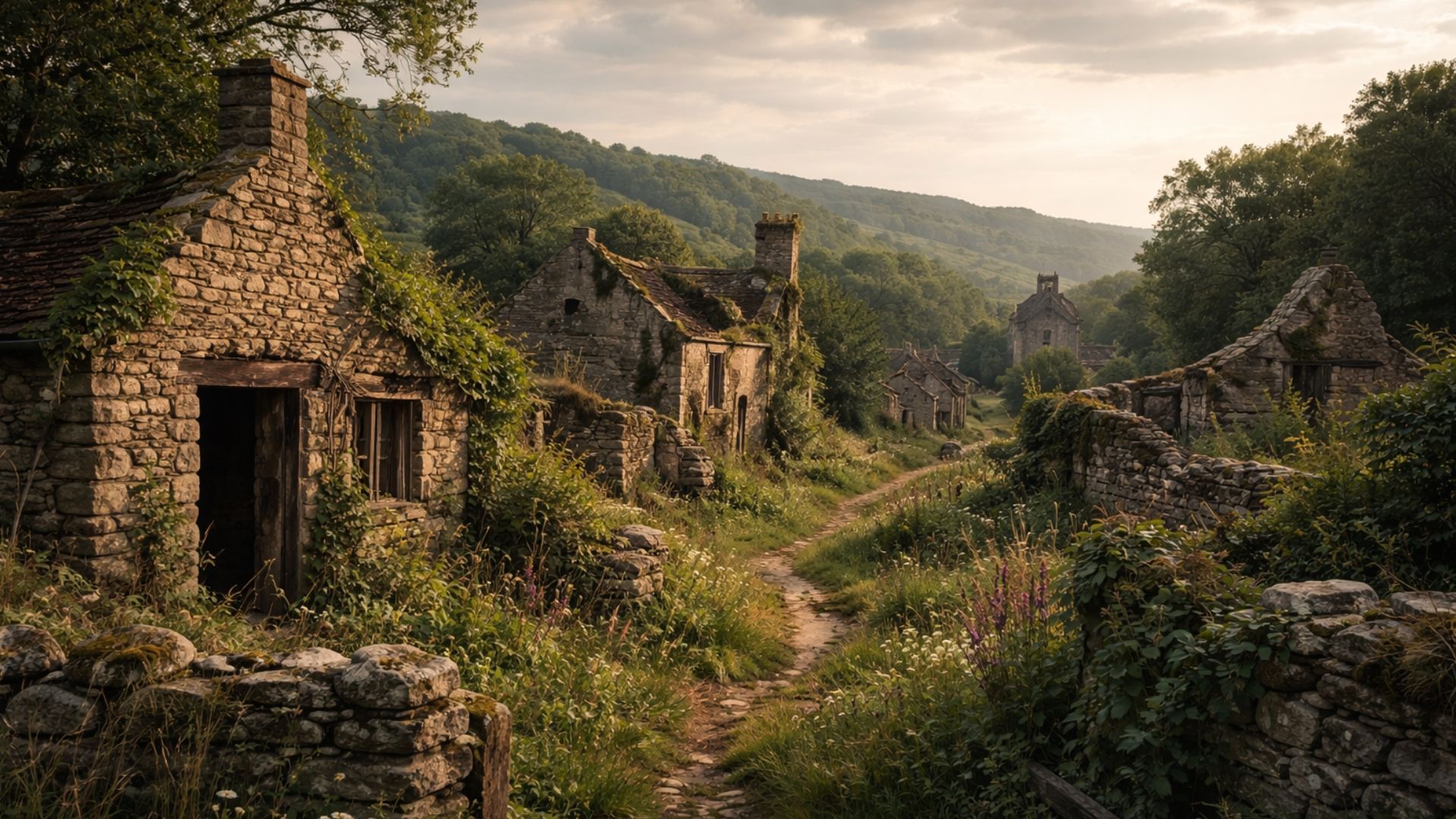
It's a fascinatingly eerie part of the UK landscape. Here are five historical examples in Yorkshire (and nearby) to fire the imagination.


1. Wharram Percy


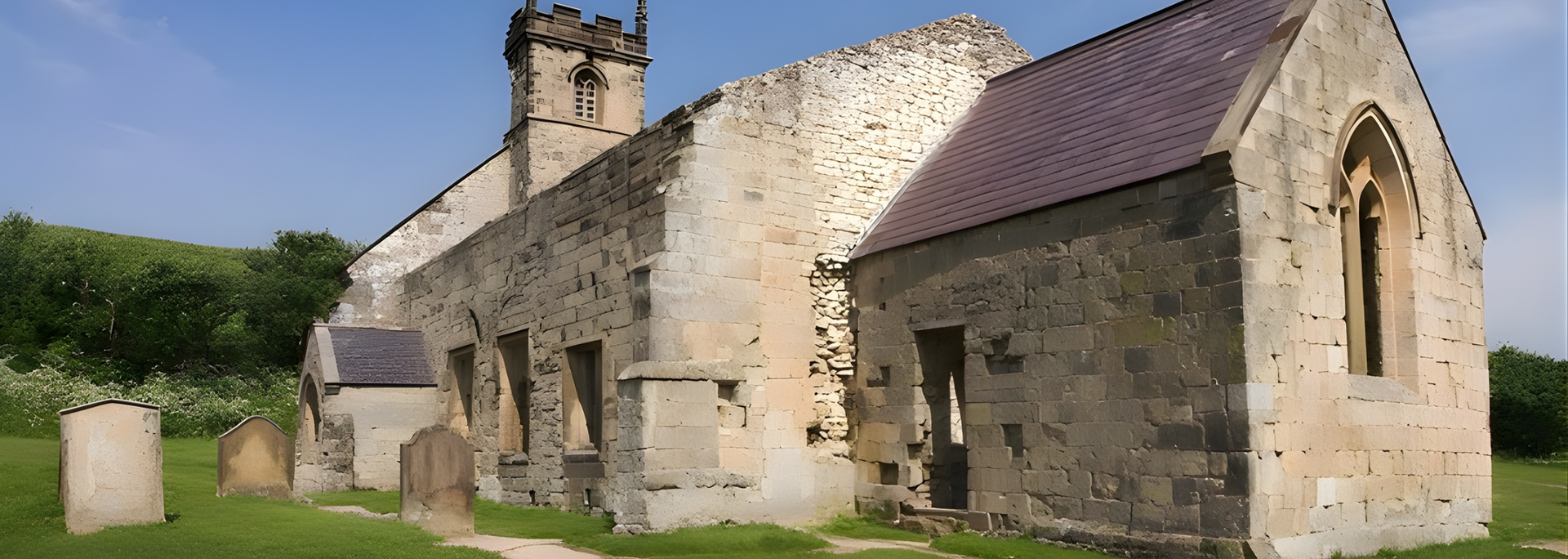
Picture of Wharram Percy.

There are more than 2,000 deserted medieval villages in England, stretching from Northumberland down to Dartmoor. Once vibrant settlements are now reduced to earthworks in fields, ruined churches and the outlines of houses.


Wharram Percy is the biggest and most famous of these lost villages. Found on the side of a valley in the Yorkshire Wolds, it was occupied for six centuries before being abandoned in the 1500s.


We say it "was abandoned", but in fact the people who lived there were evicted by landowners – a tale told in many similar villages across the UK.


Like so many dramatic changes in history, the reason was economic. Wharram Percy was arable land and the tenants there lived by growing crops. But landowners realised that sheep farming was more profitable than arable production.


Their response was brutal. They evicted tenants, demolished houses and converted the land to pasture for sheep.


2. West End


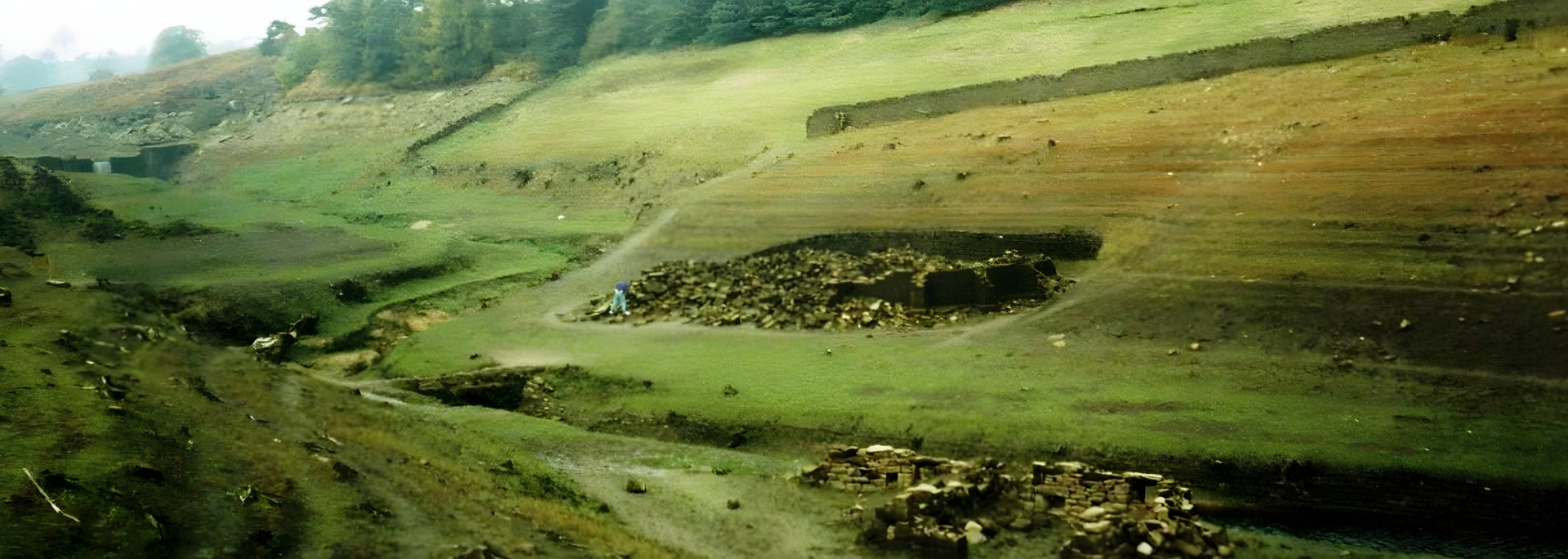
Picture of West End Village.

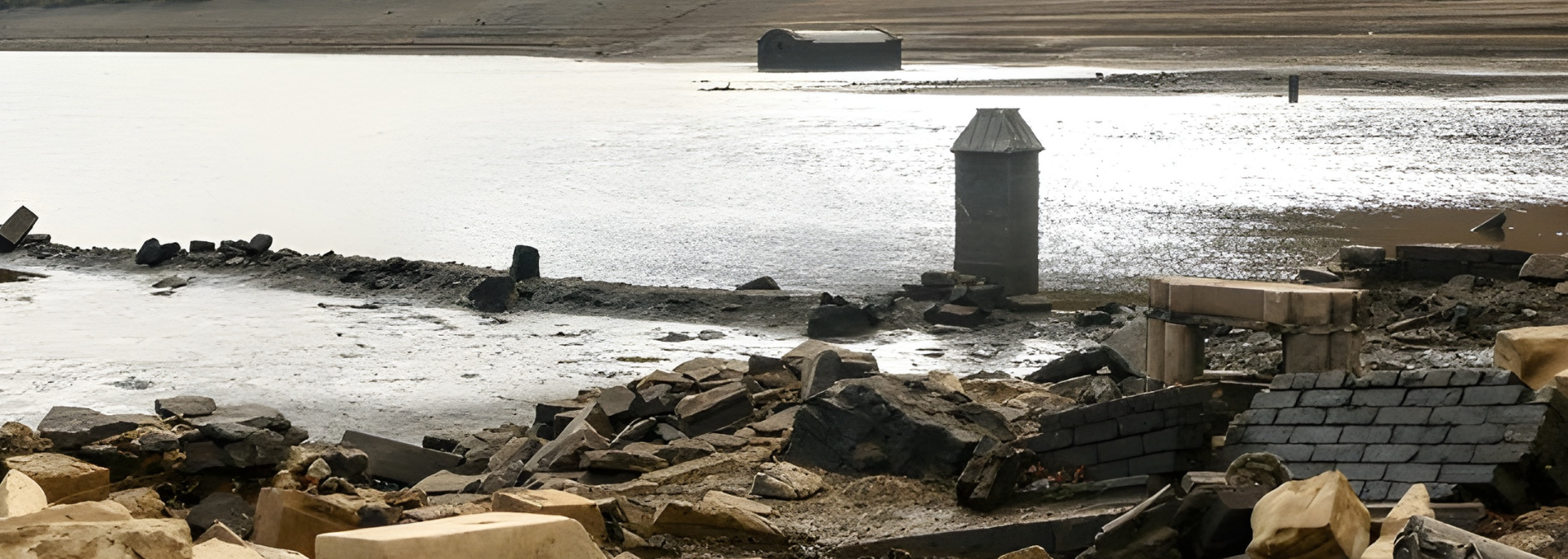
Summer 2022 was a hot one. In the Washburn Valley, North Yorkshire, the waters of Thruscross Reservoir evaporated – and a lost village rose into view.


West End was once a thriving flax-making community where flax plants were turned into fibre for textiles. But the trade declined – and by the 1960s, the village was deliberately flooded to create a reservoir.


Residents were forced to leave their homes and farms. Bodies from the churchyard were moved and the church was dismantled, leaving just the foundations.


The whole village now lies beneath the reservoir waters: mill, cottages, school, church foundations and all. 


3. Tanshelf


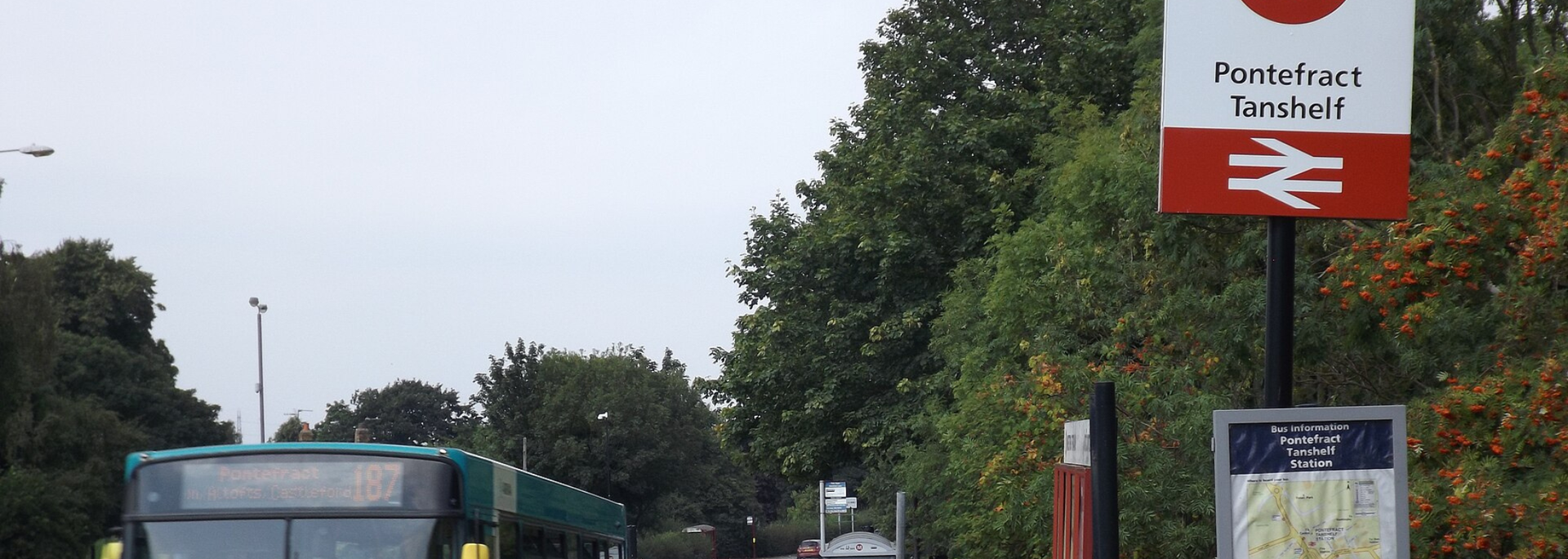
Picture of Tanshelf station.

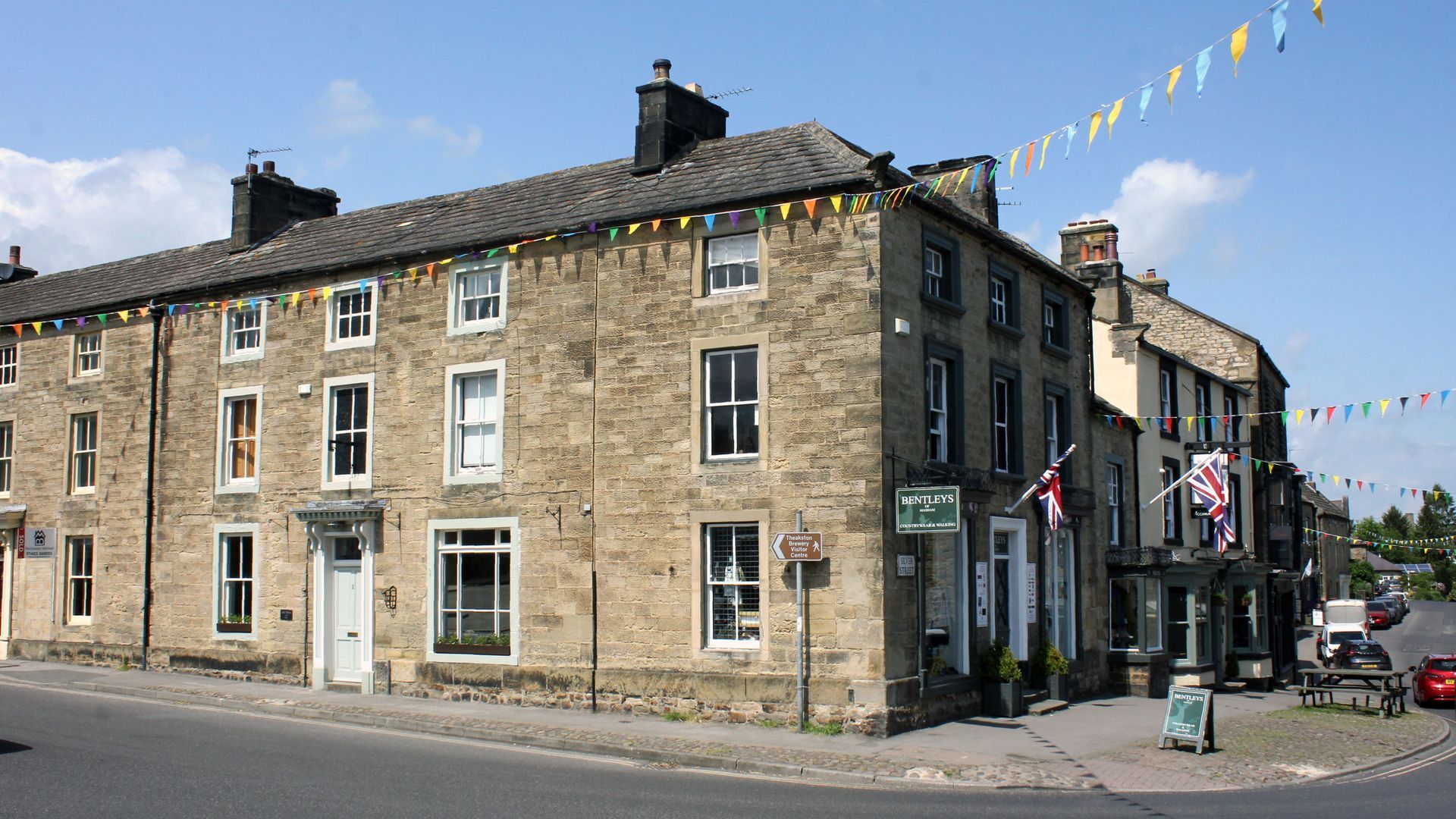
Visit Tanshelf Industrial Estate in Pontefract today and you'd be unlikely to guess that it was once a village.


The street layout remains largely unchanged and the 19th-century railway station is still there. But the former Queen's Hotel is now flats and the terraced houses that once housed colliers were demolished in 1971.


Tanshelf had its roots in the Anglo-Saxon era. The Domesday Book of 1086 records its church, mills and fishery and says it had a population of 101 – quite populous for a village of the time.


By the late 19th century, Tanshelf was a mining community. Most of the men worked at the nearby Prince of Wales colliery. A former resident of nearby Knottingley describes a typical scene:


"One of the most common sights you would see in Tanshelf was the heaps of coal tipped outside the houses on the street, this being the concessionary coal allowance given to all colliery workers; 10 deliveries per year."


In 2026, this seems as bygone as the Domesday Book. It's incredible to think just how much Yorkshire has changed over the centuries.


4. Lotherton


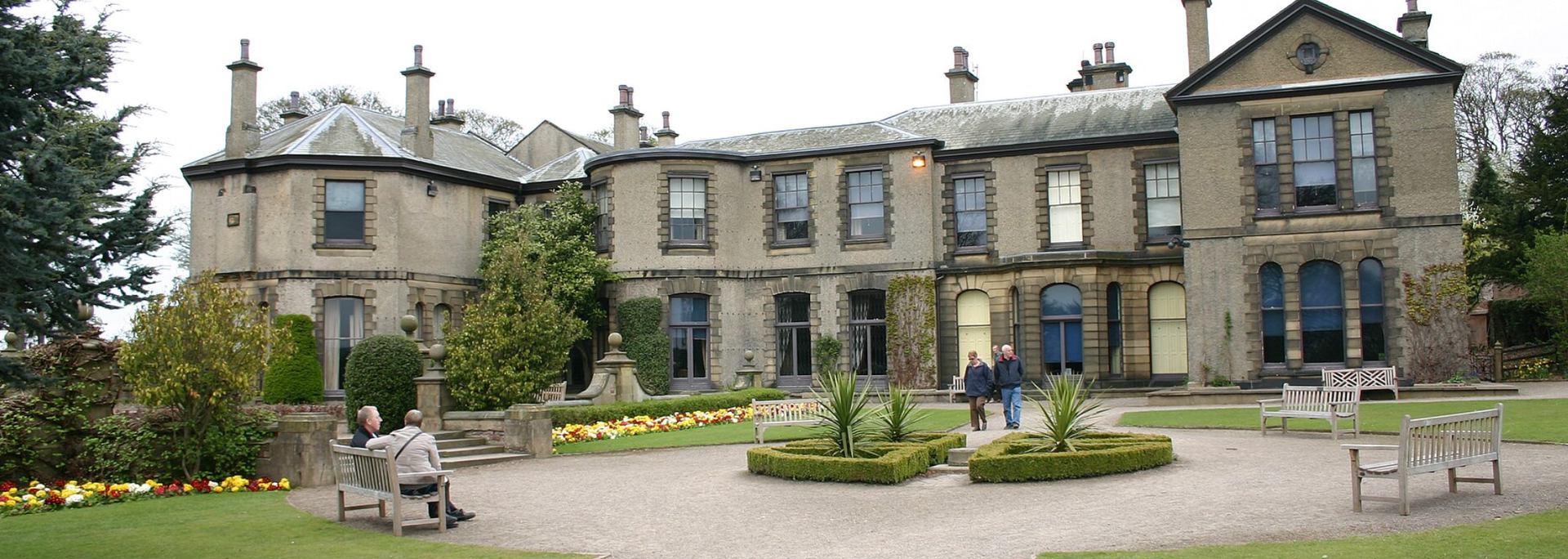
Picture of Lotherton Hall.

Today, Lotherton Hall is a historic Edwardian country house near Leeds. Its picturesque estate features art, fashion, furniture and a zoo with wallabies, capybaras and more.


From the medieval times to the 19th century, however, Lotherton was a village known as Luttrington.


By 1840, the village had significantly downsized. People moved out and the remaining hall grounds and farms were finally amalgamated with nearby Aberford in 1908.


All that remains of Lotherton is the 10th-century chapel dedicated to St James. This was restored during the First World War (1914-1918) when Lotherton Hall was temporarily converted into a military hospital.


5. Derwent and Ashopton


Picture of Derwent and Ashopton.

Ladybower Reservoir is in Derbyshire, not Yorkshire – but it sits right on the border with South Yorkshire.


It took eight years to build and another two years to fill with water. Together with Derwent Reservoir and Howden Reservoir, it covers 200 square kilometres and holds 464 billion litres of water.


Two small villages were flooded to allow for the construction of Ladybower Reservoir in 1935: Derwent and Ashopton.


Derwent was a small, pretty village. Ashopton was larger, located on the main road between Sheffield and Glossop, and was home to an annual wool fair.


Derwent Valley Water Board compulsorily purchased the buildings in both villages in the teeth of opposition from the residents. Nevertheless, they were evicted and rehoused near Bamford. As in West End, bodies were dug up and moved from the churchyard and buildings were demolished.


In Derwent, the spire of the church was left intact – a spooky memorial to a lost village rising out of the water. This, too, however, was demolished in 1947.


History and Stump Cross Caverns


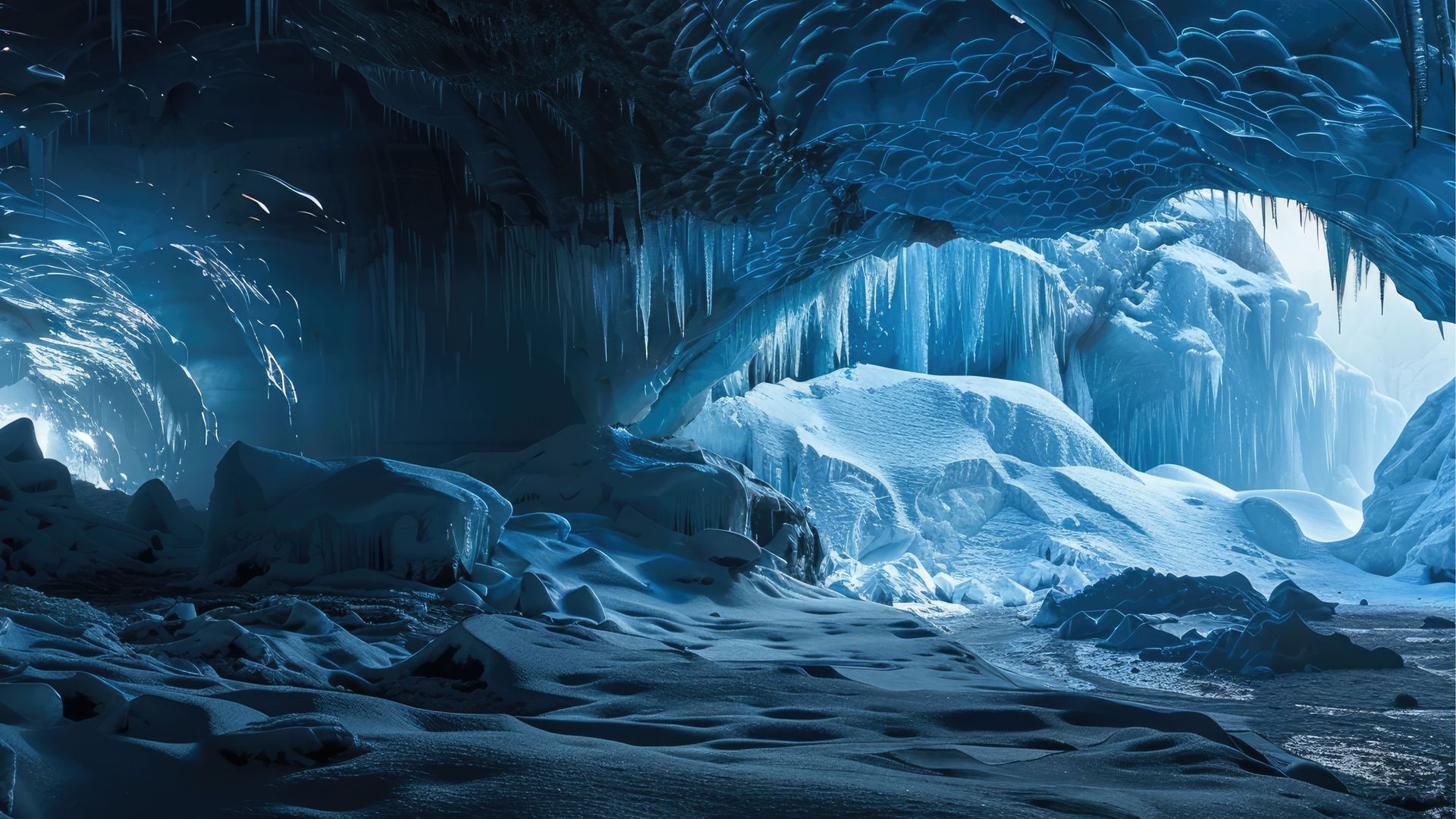
Picture of the caves at Stump Cross.

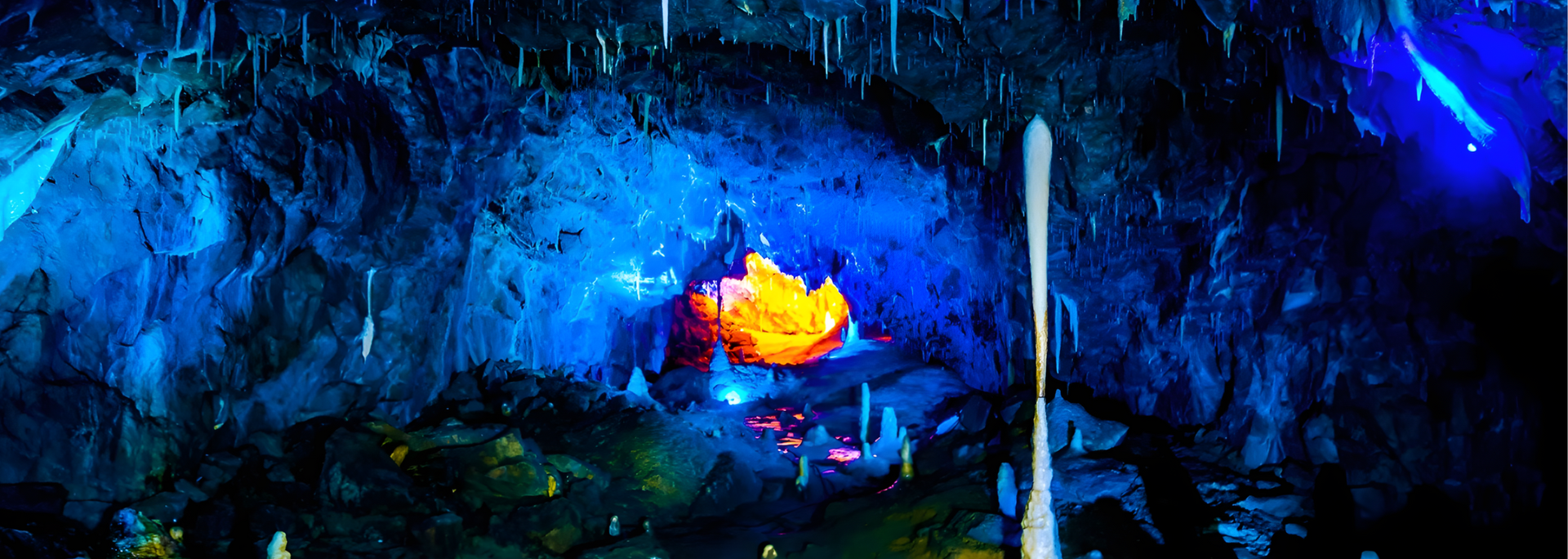
Here at Stump Cross Caverns, we're fascinated by the local history of the Yorkshire Dales. The caves themselves were discovered by locals in the lead mining trade – a lost industry whose remains can be seen all over the Dales.


But our own history goes back further – much, much further to a time when Yorkshire was at the bottom of a tropical sea. Over millions of years, the limestone landscape was formed and the caves slowly, slowly took shape.


Exploring the chambers and passageways of the caverns, it's incredible to think their history stretches back so many hundreds of thousands of years.


So, if you want to take a trip in a time machine, why not pay us a visit? With amazing rock formations and aeons of history to discover, we're proud to be one of the most popular tourist attractions in the Yorkshire Dales. It's quick and easy to book your tickets online.

What skills and tools would you need to survive as a Stone Age person? Take a trip
By Simon Edward February 23, 2026
What skills and tools would you need to survive as a Stone Age person? Take a trip in our time machine and find out…
Diggers working to excavate C Chamber at Stump Cross Caverns have discovered the fossilised jawbone
By Simon Edward February 20, 2026
Diggers working to excavate C Chamber at Stump Cross Caverns have discovered the fossilised jawbone of a wolverine. Let's take a closer look.
Caves contain all sorts of secrets – but not all of them are pleasant. Explore this car graveyard
By Simon Edward February 16, 2026
Caves contain all sorts of secrets – but not all of them are pleasant. Explore this car graveyard in North Wales, and the lessons we can learn from it.
Did you know that some caves have their own ecosystems? Explore 5 incredible-but-true examples
By Simon Edward February 13, 2026
Did you know that some caves have their own ecosystems? Explore 5 incredible-but-true examples in our guide.
Discover the most unforgettable family-friendly days out around Harrogate – from castles and gardens
By Simon Edward February 9, 2026
Discover the most unforgettable family-friendly days out around Harrogate – from castles and gardens to underground caves.
Are you looking for some Valentine's Day inspiration? Explore 10 varied options in North Yorkshire.
By Oliver Bowerman February 6, 2026
Are you looking for some Valentine's Day inspiration? Explore 10 varied options in North Yorkshire.
Are you looking for evocative poetry about caves? Discover 5 classic examples in our Burns Night
By Simon Edward January 30, 2026
Are you looking for evocative poetry about caves? Discover 5 classic examples in our Burns Night guide.
From cliff-edge climbs to guided underground adventures… Discover exhilarating experiences
By Simon Edward January 26, 2026
From cliff-edge climbs to guided underground adventures… Discover exhilarating experiences across the Yorkshire Dales for all abilities.
Travel back 300 million years to discover coral seas, shifting continents
By Oliver Bowerman January 24, 2026
Travel back 300 million years to discover coral seas, shifting continents and the ancient origins of caves.
Discover unforgettable Yorkshire activities for your 2026 bucket list –
By Simon Edward January 19, 2026
Discover unforgettable Yorkshire activities for your 2026 bucket list – from underground adventures to wild landscapes and ancient wonders.
More Posts