7 prehistoric creatures that are still alive today

Oliver Bowerman • December 22, 2025
BOOK TICKETS

Explore the weird and wonderful world of living fossils – animals alive today that have survived since prehistoric times.


Explore the weird and wonderful world of living fossils – animals alive today that have survived since prehistoric times.

Charles Darwin's theory of evolution revolutionised our understanding of how animals evolve. His argument that species with more favourable traits are more likely to survive and reproduce changed the way many people look at the world.


Think "Darwin" and one of the following phrases might come to mind: natural selection. On the Origin of Species. Survival of the fittest.


But one of Darwin's most poetic phrases comes from his seminal text of 1859: "living fossil". He coined it in a paragraph about the platypus and South American lungfish – species that go by the scientific names of Ornithorhynchus and Lepidosiren, respectively:

"…it is in fresh water that we find seven genera [types] of Ganoid fishes, remnants of a once preponderant order: and in fresh water we find some of the most anomalous forms now known in the world, as the Ornithorhynchus and Lepidosiren, which, like fossils, connect to a certain extent orders now widely separate in the natural scale.


"These anomalous forms", he continues, "may almost be called living fossils; they have endured to the present day, from having inhabited a confined area, and from having thus been exposed to less severe competition."


Living fossils, then, are species alive today that resemble those in the fossil record – and that have dodged the mass extinction event that killed off the dinosaurs.


Their DNA has changed – but otherwise, these creatures could have stepped right out of prehistory. Like ancient natural features, they're examples of how the ancient world persists into the 21st century. Here are seven of the most amazing.

1. Cedar wood wasps

Known to scientists as Syntexis libocedrii, the cedar wood wasp is a rare wasp native to the Pacific coastal states of the USA.


The adult cedar wood wasp is usually a few millimetres smaller than most wasps you see in the UK. They're best known for laying eggs in recently burnt wood, favouring incense-cedar, red cedar and juniper trees.


They're so keen to lay their eggs in these environments that the wood is often still smouldering. The baby wasps (larvae) grow inside the wood.


Still buzzing today, cedar wood wasps first appeared in the Mesozoic era. That's between about 252 and 66 million years ago. Wow!

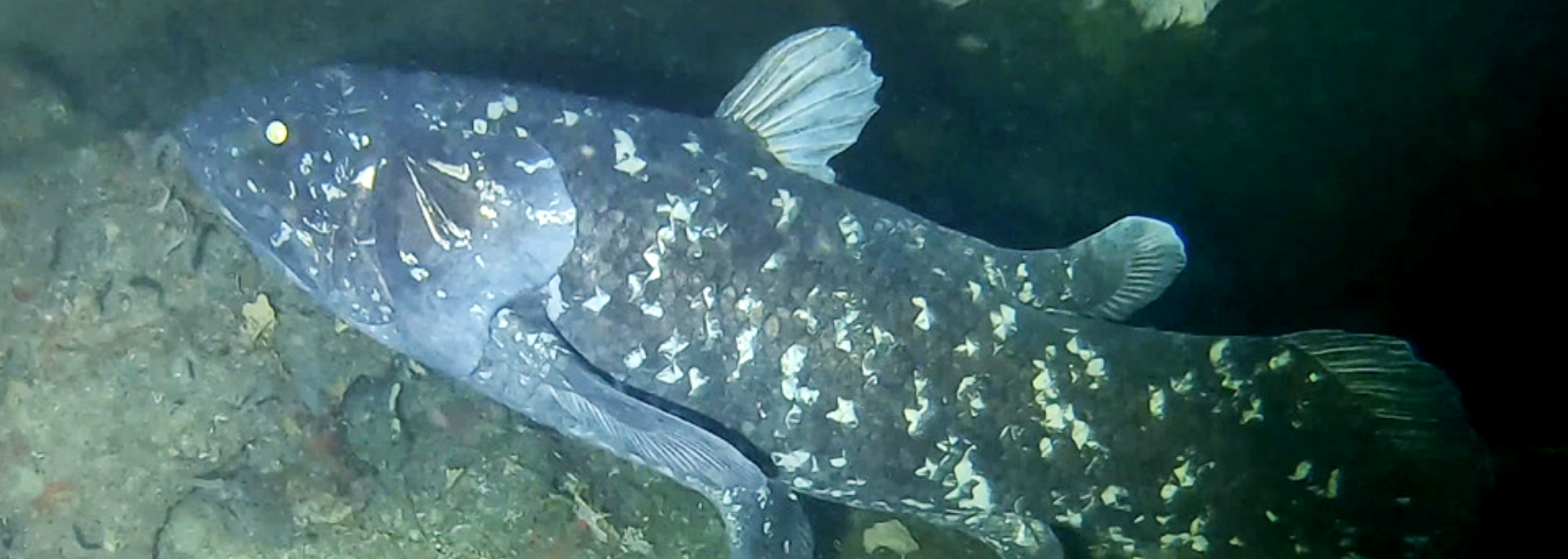
2. Coelacanth

Picture of a Coelacanth.

Long thought extinct, this rare deep-sea fish was rediscovered in the 1930s off the coast of South Africa.


The coelacanth is remarkably similar to fossils from the dinosaur era. And although scientists believe they may have evolved more than we initially thought, they're still an amazing leftover from a time long, long, long, long past.


It's an odd fish, with fins that trot and a hinged skull that opens wide to swallow large prey. Perhaps most importantly for the scientific community, the coelacanth provides evidence of how fish evolved into land animals.

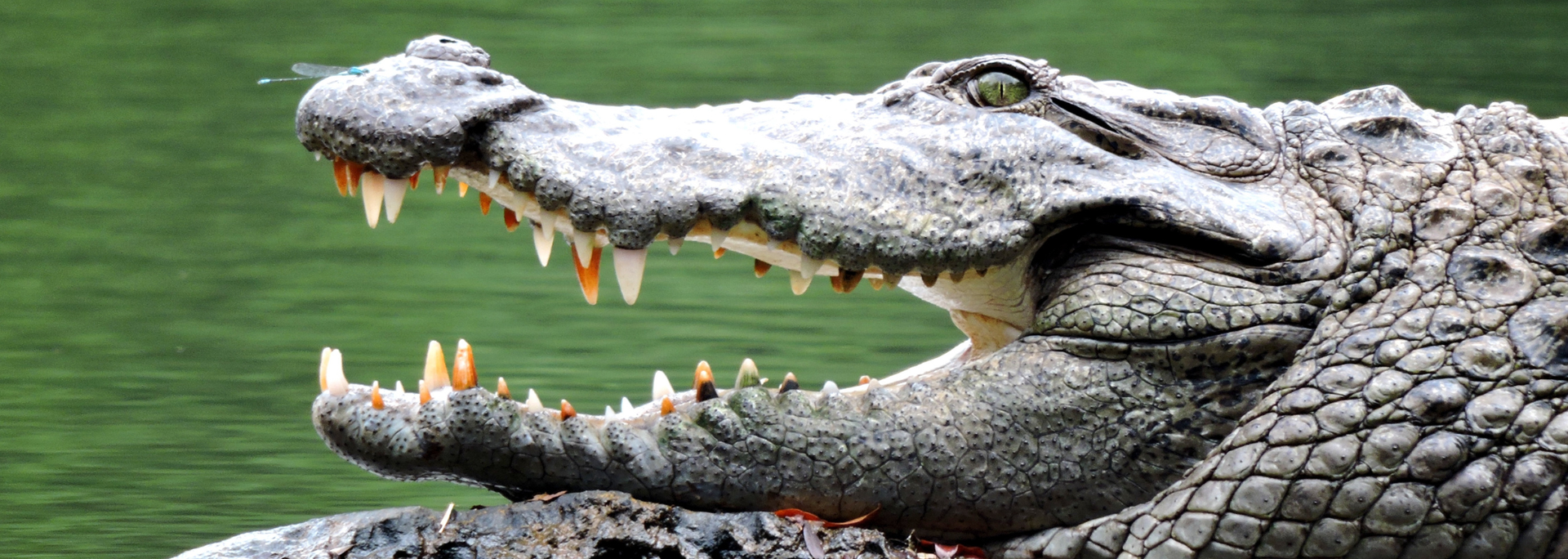
3. Crocodilians


Picture of a crocodile.

If you've been to the zoo, you've probably seen a crocodilian. This species includes crocodiles and alligators, alongside lesser-known creatures like caimans and gharials.


The basic anatomy of crocodilians is astonishingly similar to that of their 200-million-year-old ancestors. These are true survivors, having outlived the mass extinction event that killed off the dinos.


Calling them "living fossils" isn't to say that they're entirely unchanged, however. Crocodilians have developed strong immune systems, and different species have evolved long legs, dolphin-like fins and more.


Even so, it's incredible to think that the alligator at the zoo looks much the same as a creature from the days when dinosaurs roamed the Earth.

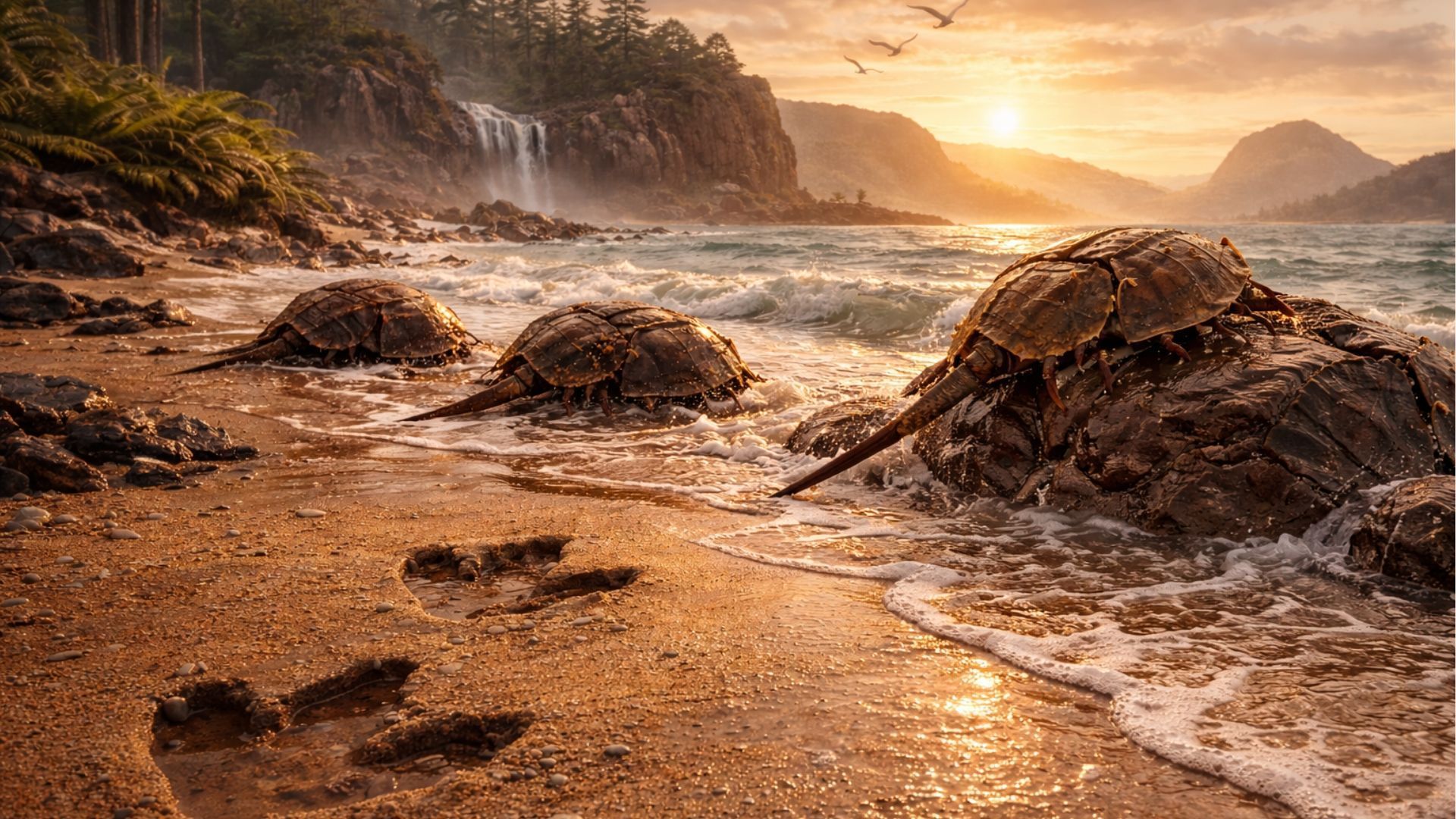
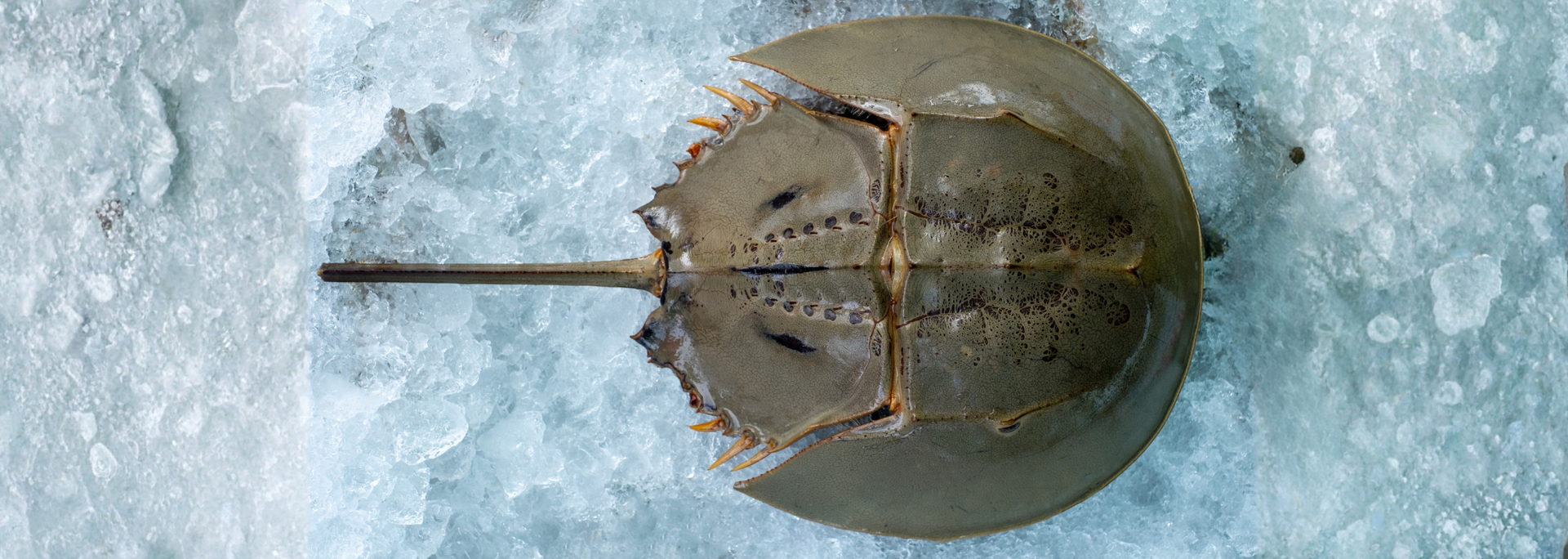
4. Horseshoe crabs


Picture of a Horseshoe crab.

What's older than a dinosaur? The answer: the horseshoe crab, a creepy-looking creature with a horseshoe shape, a spiky tail and bright blue blood.


Found along the coasts of North America and Southeast Asia, horseshoe crabs have been around for some 450 million years – and they've barely changed in all that time. Despite their name, they have more in common genetically with spiders and scorpions than crabs.


Today, horseshoe crabs are under threat from habitat loss and overharvesting. There are, however, many conservation efforts underway to protect them.

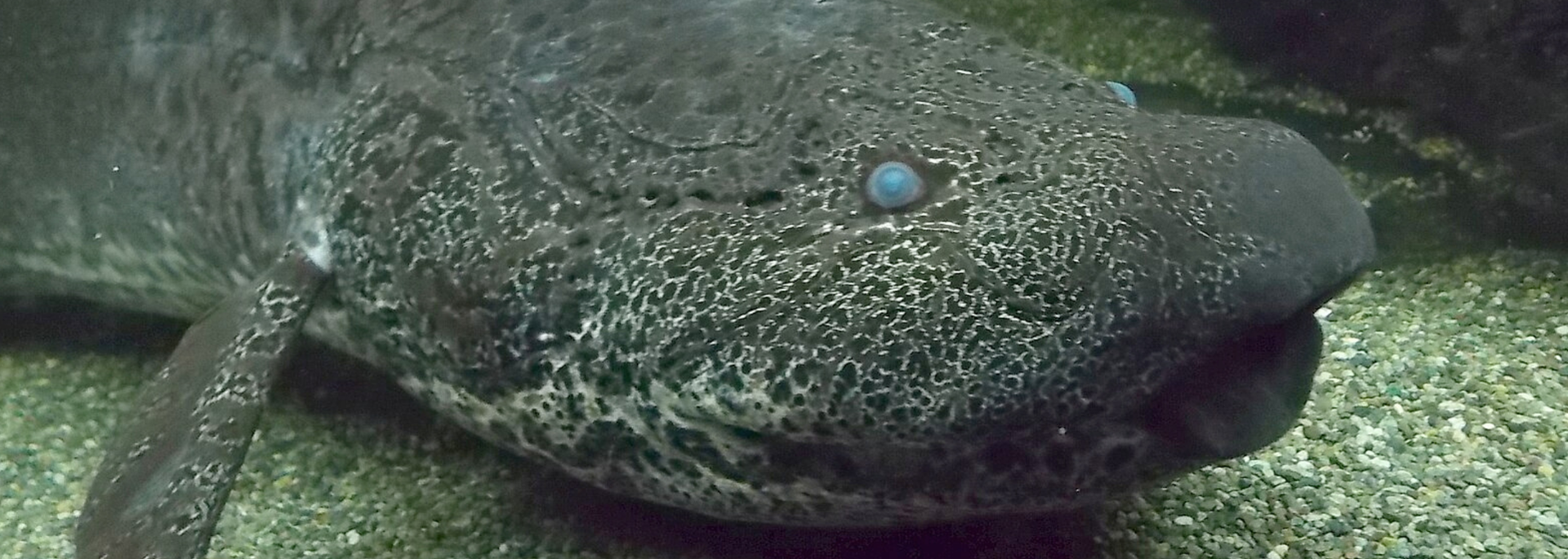
5. Lungfish


Picture of a lungfish.

Lungfish are one of a kind. As well as gills, they have primitive lungs, which let them breathe air, along with lobed, bony fins.

What's the secret to the lungfish's longevity? Perhaps it's down to their ability to survive droughts by burrowing into mud and hibernating – something other fish can't do.


Like the coelacanth, lungfish are an evolutionary link between fish and early land animals (tetrapods). And like the coelacanth, they've barely changed in hundreds of millions of years.


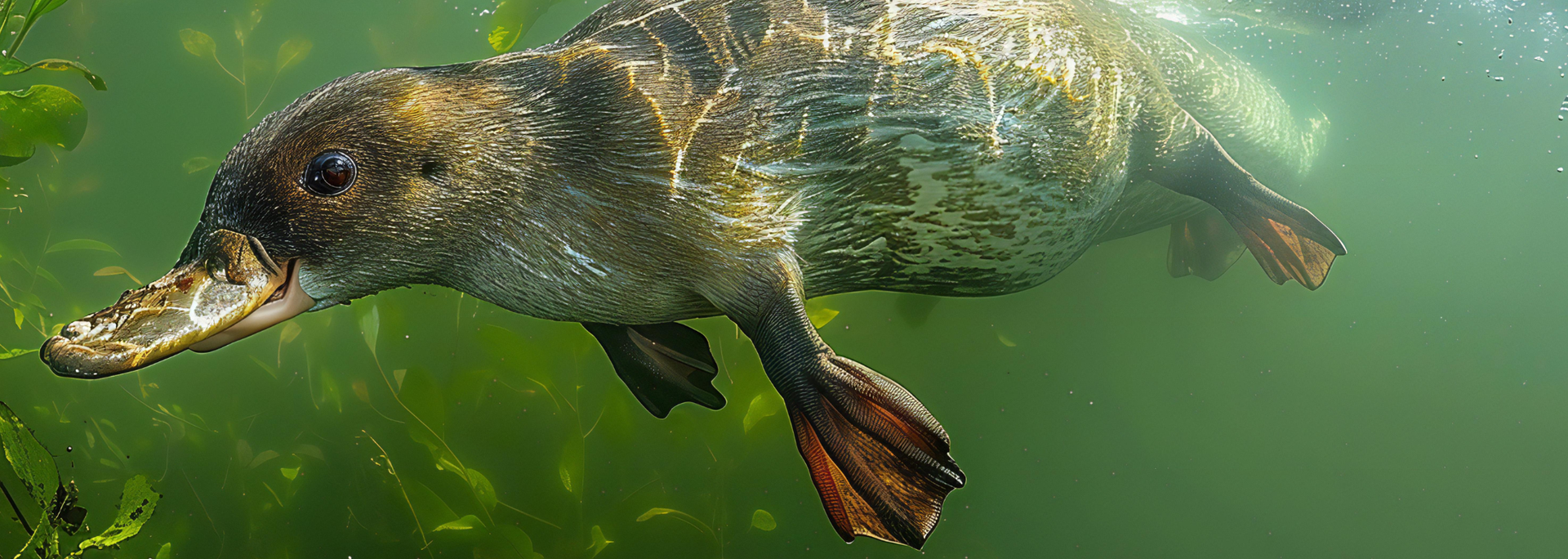
6. Platypus


Picture of a platypus.

The platypus is a unique creature – a semi-aquatic, egg-laying mammal from Australia. Its duck-like bill, webbed feet, dense fur and beaver-like tail make it a sight to behold.


Charles Darwin found the platypus so dumbfoundingly bizarre that it seemed as though "two distinct Creators must have been at work". To this day, the platypus feels like an evolutionary misfit.


The platypus has its roots deep in the Cretaceous period (145.5 million to 66 million years ago). Despite its uniqueness – or perhaps because of it – the platypus has prospered pretty much unchanged.

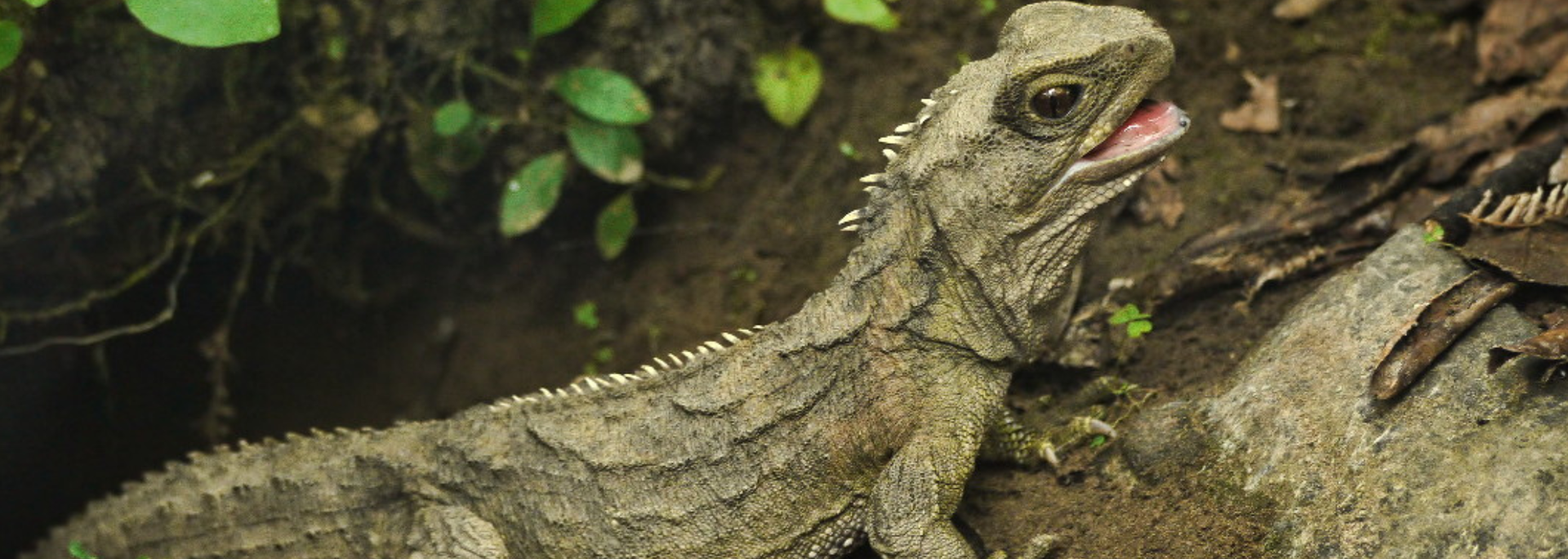
7. Tuatara


Picture of a Tuatara.

Finally, we come to the tuatara. This unique reptile is the last of its kind – the final survivor of the Rhynchocephalia order of lizard-like, beak-headed reptiles.


The tuatara undeniably looks like a lizard. But it has distinctive features that mark it out as something special. It boasts a light-sensing third eye, teeth that grow directly from the jawbone and a slow metabolism that enables it to live for over a century.


Most amazingly of all, the tuatara has hardly changed in some 190 million years. It's another amazing example of prehistoric creatures persisting into the 21st century.


Here at Stump Cross Caverns, we love all kinds of fossils – living or buried. If you share our passion, why not try digging your own fossils at one of our educational family fossil digs? You'll find us near Pateley Bridge in the Yorkshire Dales. It's easy to book tickets online.

Embrace the frosty sparkle of the Yorkshire Dales at its most enchanting with these 5
By Simon Edward December 15, 2025
Embrace the frosty sparkle of the Yorkshire Dales at its most enchanting with these 5 beautiful winter walks.
Caves have been around for millennia. Yet humans still haven't uncovered them all.
By Simon Edward December 12, 2025
Caves have been around for millennia. Yet humans still haven't uncovered them all. Could there be more near Stump Cross Caverns here in Yorkshire?
Sites of Special Scientific Interest are natural areas with special legal protection. Learn more
By Simon Edward December 8, 2025
Sites of Special Scientific Interest are natural areas with special legal protection. Learn more about them – and how our caves became an SSSI.
A miracle in a cave and the origin of tinsel… Discover the magical folk tale of the Christmas Spider
By Oliver Bowerman December 5, 2025
A miracle in a cave and the origin of tinsel… Discover the magical folk tale of the Christmas Spider.
Meet Santa in the most magical grottos, discover the best festive days out
By Oliver Bowerman December 1, 2025
Meet Santa in the most magical grottos, discover the best festive days out and make some Christmas memories across Yorkshire.
Discover the first reviews of Stump Cross Caverns back in the Victorian era
By Simon Edward November 28, 2025
Discover the first reviews of Stump Cross Caverns back in the Victorian era, featuring glowing endorsements and some dramatic adventures.
Go back in time and discover what Stone Age people drank, from river water to wild brews
By Simon Edward November 28, 2025
Go back in time and discover what Stone Age people drank, from river water to wild brews and herbal teas.
Learn about Yorkshire's most memorable Christmas traditions, ranging from sword dances to sea dips.
By Oliver Bowerman November 21, 2025
Learn about Yorkshire's most memorable Christmas traditions, ranging from sword dances to sea dips.
Discover the best team-building activities across Yorkshire – from treetop adventures to underground
By Simon Edward November 17, 2025
Discover the best team-building activities across Yorkshire – from treetop adventures to underground discoveries.
Discover 5 of our favourite Yorkshire reservoir walks, rambles and hikes – all within easy reach
By Simon Edward November 14, 2025
Discover 5 of our favourite Yorkshire reservoir walks, rambles and hikes – all within easy reach of Stump Cross Caverns.
More Posts