Stump Cross Caverns discovery: how we found a wolverine jaw
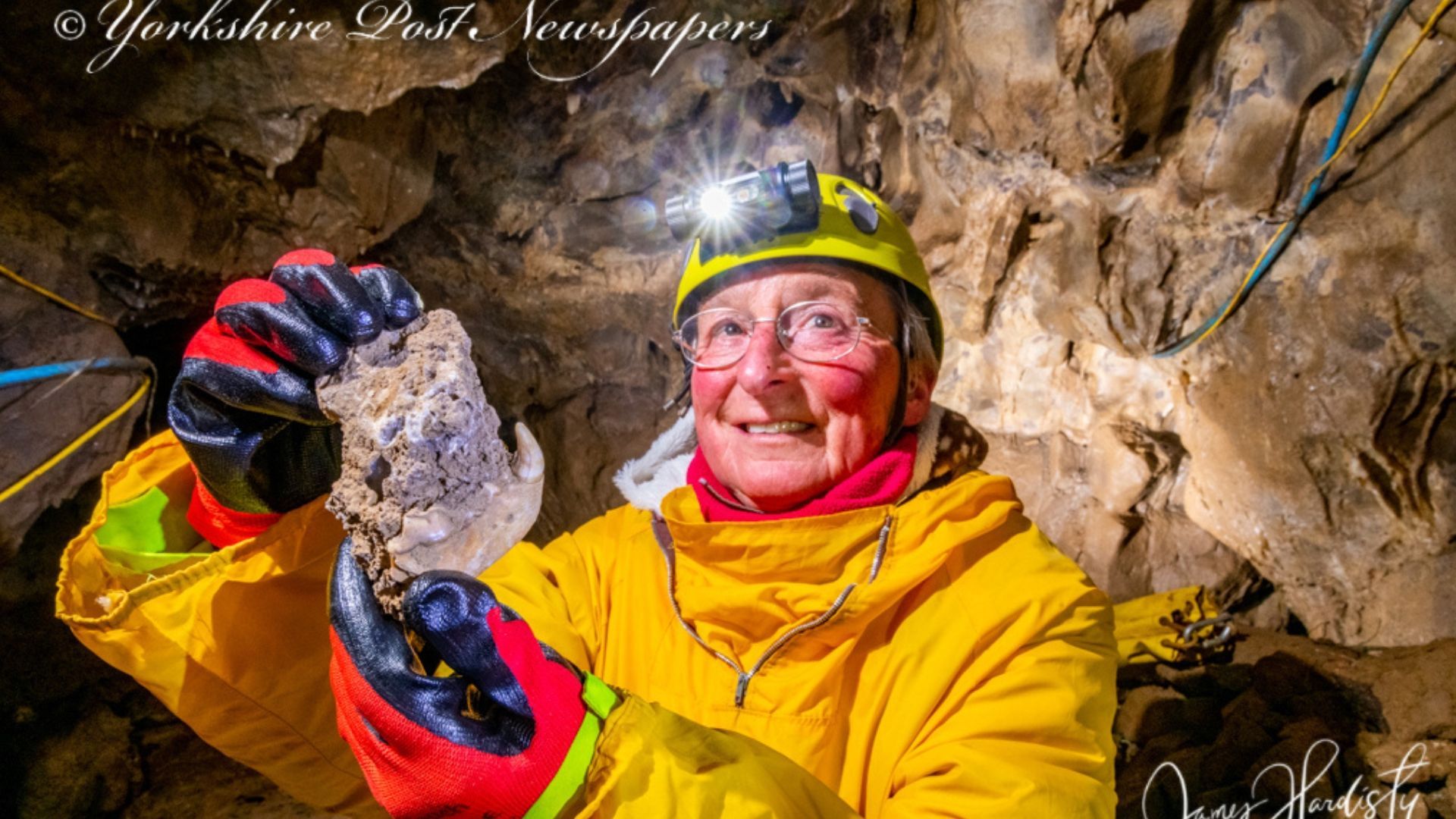
Diggers working to excavate C Chamber at Stump Cross Caverns have discovered the fossilised jawbone of a wolverine. Let's take a closer look.
Blog image ©YorkshirePostNewspapers, taken by James Hardisty (@snapperjim)
The world's museums are full of fossils. Some are the complete skeletons of prehistoric beasts, others individual bones. Each of them adds another piece to the puzzle of what the world used to look like.
Taken from its earliest origins, Stump Cross Caverns is around 300 million years old. So, it's no surprise that it's been the site of some fascinating fossil finds – most recently the jaw of an Ice Age wolverine.
Today, wolverines are found in remote subarctic regions: northern Canada, Alaska, parts of northern Europe, western Russia and Siberia. But in Britain, they haven't been seen alive for thousands of years.
It's amazing to think these carnivorous bear-like beasts once roamed the landscape we now call the Yorkshire Dales. But roam they did.
The jawbone in question is approximately 80,000 to 90,000 years old. Despite this ancient pedigree, it still has most of its teeth, including one large canine.
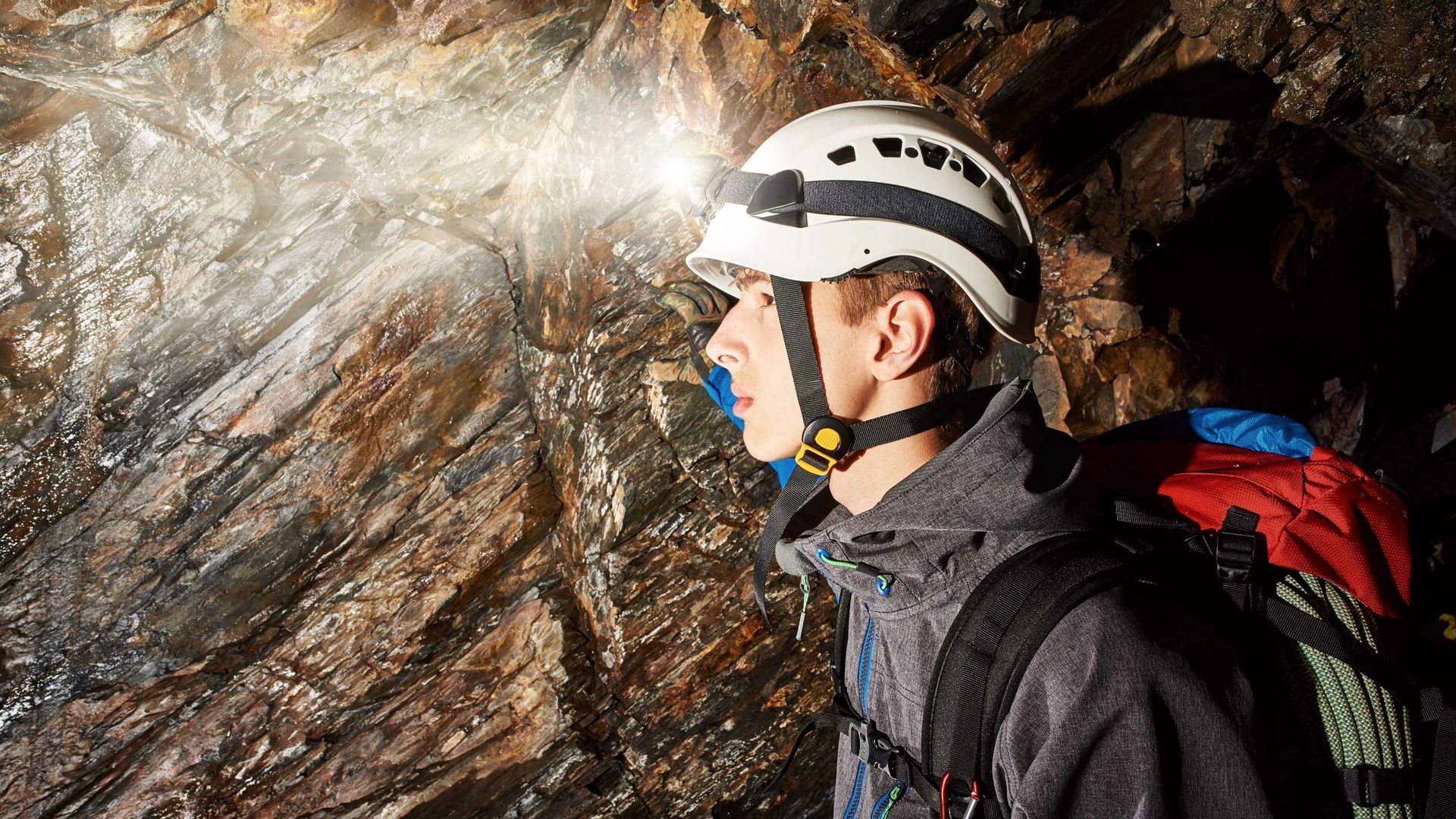
It was found by Rowan Worsman, a member of Craven Pothole Club. This local caving community is currently hard at work extending the network of our show cave.
This means digging. Lots of digging. "It's hard work," Rowan told The Yorkshire Post. "You get cold, wet and dirty down there, but finding something like that is exciting."
How did the wolverine fossil get there?
Fossils are formed in places where plants and animals die. This could be because of an injury, an attack, a disease or an accident. There are even fossils of animals locked in combat like the fighting dinosaurs found in Mongolia in 1971.
In the case of our poor wolverine, the story is a little grisly. The likeliest explanation for its presence in Stump Cross Caverns is that it smelled decaying meat and wandered in for food.
"They'd smell animals fallen into the pit," elaborates dig coordinator Tom Thompson, "climb in, consume the animals, then might not be able to get out.
"The evidence is," he continues, "they ended up cannibalising each other."
This is nature red in tooth and claw – and the jawbone was preserved thanks to "a tremendous flood" in which "the wolverine was washed into the lowest part of the cave where it was covered in stalactites."
Previous fossil finds at Stump Cross Caverns
This wolverine jaw isn't the first fossil to be found at Stump Cross Caverns. Previous specimens have included reindeer, bison and Arctic fox bones.
The bones of four adult reindeer, in fact, gave Reindeer Cavern its name. These were discovered in the late 1950s when a team of cavers broke through a boulder choke (a pile of rocks that blocks a passage).
As with the wolverine, we don't know for sure how the reindeer got down there. But chances are they were washed down there by the water from a melting glacier.
And how about the future? Could more fossils be uncovered in the winding chambers and passageways of Stump Cross Caverns? Our owner, Oliver Bowerman, thinks so: "I'd put my life savings on there being more down there."
If there is, we'll be the first to let you know.
What is C Chamber?
The wolverine jaw was found during the
excavation of C Chamber. This is a chamber in the Stump Cross network hitherto blocked from public access by lots of rocks and lots of mud – and we mean
lots.
A team of cavers is currently digging their way in, with the target of opening the chamber in 2028. That involves shifting another 200 tonnes of rubble, probably with the help of a digger.
This extension to the caverns is partly a case of opening another gorgeous prehistoric site to the public. But it's also to realise a vision of the cave network as a circular experience.
At present, you see, you go into the subterranean wonderland and then out again. The addition of C Chamber, however, will mean a satisfying circular route.
Wolverine facts
Wolverines are carnivorous predators. They're the kind of animal, says Tom Thompson, "that leaps on something and tears it to pieces".
Despite their bearlike appearance, wolverines belong to the weasel family and are about the size of sheep.
They're muscular creatures with short legs, short ears and five-toed paws to help them get through heaps of snow. Their frost-resistant fur is dark brown except for black patches on their legs and faces.
They mostly dine on small mammals like rabbits, mice and squirrels. They have been known, however, to go after bigger prey such as lynxes and weasels.
When not munching on meat, they supplement their diet with seeds, berries, roots, birds' eggs and insect larvae.
In the UK, wolverines can be seen at Whipsnade Zoo, Bristol Zoo Project, Dudley Zoo, Cotswold Wildlife Park, New Forest Wildlife Park and Exmoor Zoo.
Who knows what we'll discover next at Stump Cross Caverns? To follow along with our adventures as we excavate C Chamber, subscribe to the Stump Cross YouTube channel.