
How ancient sea life shaped the Yorkshire Dales

Simon Edward • September 6, 2024
BOOK TICKETS

Over the millennia, the sea has left a significant mark on the Yorkshire Dales. Join us for a deep dive.


Over the millennia, the sea has left a significant mark on the Yorkshire Dales. Join us for a deep dive.

In his poem In Memoriam, English poet Alfred Tennyson reflected in awe on the vast geological changes that our planet has undergone:


"There rolls the deep where grew the tree.

O Earth, what changes hast thou seen!

There where the long street roars, hath been

The stillness of the central sea."


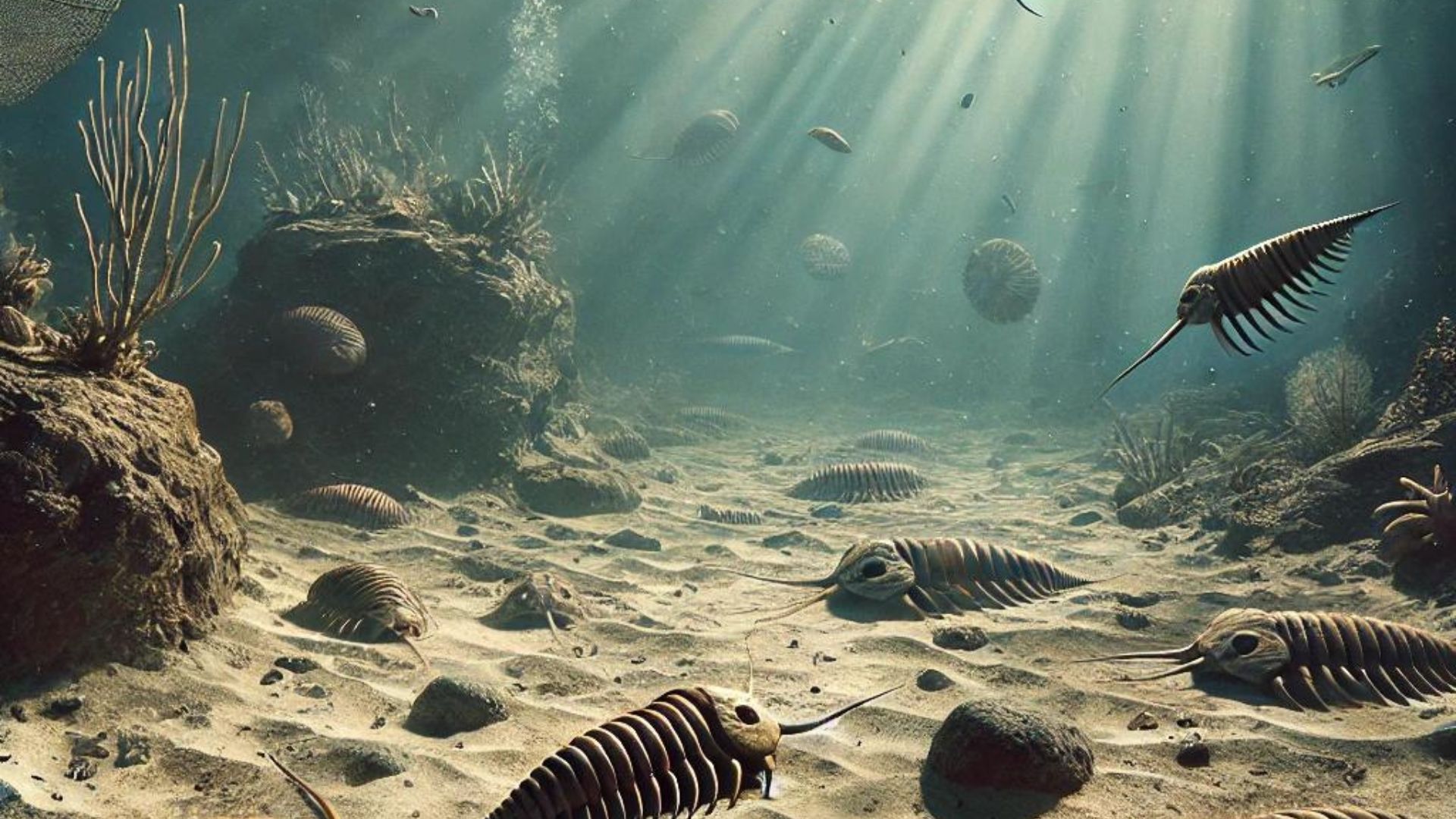
Hiking in the Yorkshire Dales, you might think the landscape is timeless – but like the long street roaring in Tennyson's poem, it was once the site of a tropical sea.


We're talking millions of years ago – long before anyone was there to take notes. What we know about this era of prehuman history comes from the collaborative efforts of geologists worldwide.


They tell us, for instance, that what we now call the Yorkshire Dales was formed when tropical waters put intense pressure on ancient sands. Over time – and we mean
time – they formed limestone.


Since then, rivers and lakes have come and gone. Rain has etched caves and fissures into the limestone pavements.


That's the potted history, of course. Those last two paragraphs cover millions of years. But they give you a sense of how the sea has created the Yorkshire landscape we know and love today.


In this article, we take a closer look at the different ways those ancient waters have shaped the hills and dales. First up: Malham Cove.


Malham Cove


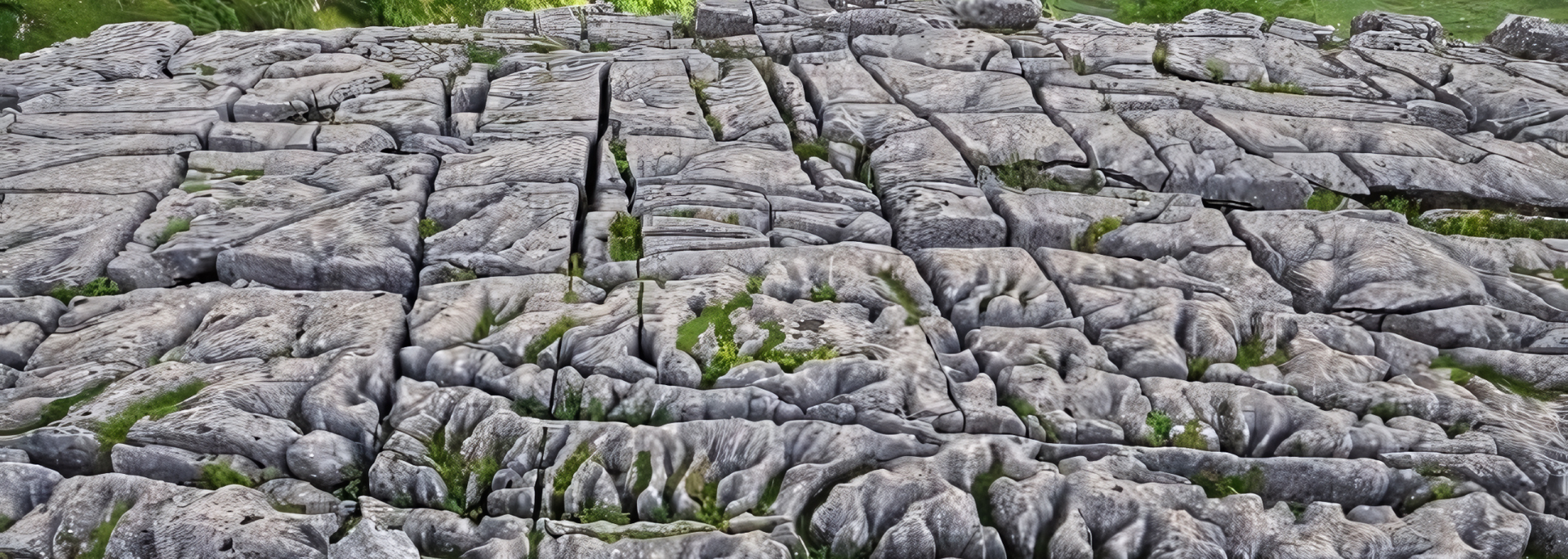
Malham Cove is a Yorkshire treasure. With its huge slabs of limestone clints, scored deeply with fissures, or "grykes", it looms large in the imagination, as well as on the Dales.


The English poet Wordsworth was so overawed by Malham Cove that he wrote a sonnet about it. In it, he entertained the idea that "giants scooped [it] from out the rocky ground" – such is its scale and otherworldly charm.


In fact, it took many thousands of years and many thousands of tides to create Malham Cove. It began at the end of the last Ice Age. Underwater rocks became buried under sand and other deposits. In turn, these became limestone.


Picture of Malham Cove.

Over time, the waters evaporated and the rocks rose above sea level. The newer rocks were worn away revealing the limestone underneath. 


Next, meltwater from the surrounding areas fell over the edges of the Curve. This is why the limestone pavement has its famous curve.


So next time you're standing on Malham Cove, just think: millions of years ago, you'd be standing on the bottom of the ocean!


Cracoe reef knolls


If you drive on the B6265 between Skipton and Grassington, you might see a curious collection of low-lying limestone hills. These are the so-called "Cracoe reef knolls" – and they only exist because of ancient sea life.


You see, around 330 million years ago, the sea that shrouded today's Dales was full of sea creatures. When they died, their bones and shells created layers on the ocean floor.


The sea exerted great pressure on these dead sea creatures – pressure so great that they turned into limestone.


On the edges of the sea, reefs began to form – reefs of coral, algae and other creatures. Over time, they formed the hills that we see today – typically in places where coral had colonised mounds of mud. The sea and all its creatures are long gone – but the remnants of the reefs are there to this day.


The Cracoe reef knolls can mostly be seen on the edge of the Mid Craven Fault around Cracoe. Swinden Quarry was built on one of the reef knolls and has since become a site of special scientific interest thanks to the light it has shed on the history of carboniferous limestone.


Stump Cross Caverns


When you visit Stump Cross Caverns today, you wouldn't believe it was once at the bottom of a shallow tropical sea. But as with Malham Cove and the Caroe reef knolls, the limestone at Stump Cross was formed by millions of sea creatures all those millennia ago.


Then, more than 500,000 years ago, those limestone slabs began to crack and crumble. Some formed fissures like Malham Cove. Others broke off entirely, creating dramatic chasms.


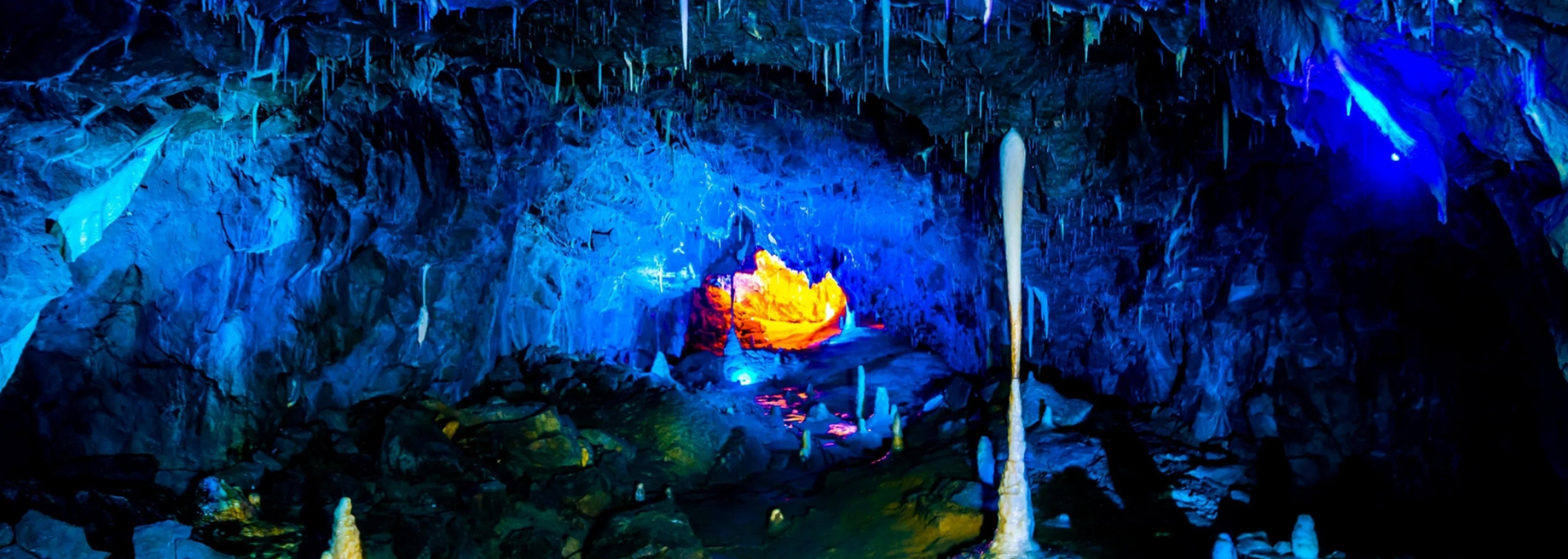
Picture of the caves at Stump Cross.

These cracks, big and small, were the beginnings of the caves you can visit today. Over time, the rain filled them up and wore them away, creating ever bigger spaces.


In other words, these caves went from being a pile of dead sea animals to solid limestone. Then, from cracks in the limestone to underground streams. And finally, from underground streams to caves filled with stalagmites, stalactites and other fascinating rock formations.


Coral fossils


It's not for nothing that we host fossil digs here at Stump Cross Caverns. The Yorkshire Dales is a hotbed for fascinating fossils – and because of the area's submarine past, there are plenty of coral fossils waiting to be found.


In Ingleborough, for instance, geologists have found coral fossils both separately and in colonies. There's
Dibonophyllum, for instance – a trumpet-shaped corallite with a spider's web pattern at its mouth. Then there's Syringopora, a bundle of corallites joined by tubes.


These are rare finds, however. The most commonly uncovered are sea lilies, or Crinoids. Only a few of these have survived intact – most are found in fragmentary form. When complete, they look like sea anemones on long stalks.


Fossil hunting can be lots of fun, no matter how old you are or how much geological knowledge and experience you have – and Yorkshire is a great place to start, especially by the coast.


Final thoughts


Here at Stump Cross Caverns, we're just about used to the stunning beauty of the Yorkshire Dales. But even we can start to feel a little dizzy imagining its prehistoric past. We look forward to meeting you in this magical spot where the ancient past meets the present.


Know a young fossil fan who wants to learn about Yorkshire's fascinating past? Join us at Stump Cross Caverns for one of our regular
interactive fossil digs. Your young explorer will have great fun digging for real fossils – and each child receives a fossil goodie bag that they can take home and keep.


Discover great restaurants and eateries near Stump Cross Caverns, from pubs to cafes – all perfect
By Simon Edward April 27, 2026
Discover great restaurants and eateries near Stump Cross Caverns, from pubs to cafes – all perfect for refuelling after exploring the Dales.
Discover Stone Age dietary and dental habits, early methods of cleaning teeth, and what cavemen used
By Simon Edward April 24, 2026
Discover Stone Age dietary and dental habits, early methods of cleaning teeth, and what cavemen used instead of toothpaste.
Discover the best apps for navigating the Yorkshire Dales, with maps, weather and safety tools
By Simon Edward April 20, 2026
Discover the best apps for navigating the Yorkshire Dales, with maps, weather and safety tools to help you explore with confidence.
Discover scenic wild swimming spots in the Yorkshire Dales, with essential safety tips
By Simon Edward April 17, 2026
Discover scenic wild swimming spots in the Yorkshire Dales, with essential safety tips to help you enjoy the water responsibly.
Discover the best rainy day activities in North Yorkshire, from museums to cosy cafes and caves
By Simon Edward April 13, 2026
Discover the best rainy day activities in North Yorkshire, from museums to cosy cafes and caves that are perfect for April weather.
Planning a birthday party for an inquisitive mind? Discover creative ideas
By Oliver Bowerman April 10, 2026
Planning a birthday party for an inquisitive mind? Discover creative ideas to make your child's special day educational and fun.
Get ahead with your weird and wonderful cave knowledge. Learn the amazing answers
By Oliver Bowerman April 6, 2026
Get ahead with your weird and wonderful cave knowledge. Learn the amazing answers to some of the most common questions kids ask about caves.
Discover beautiful wildflower meadows in the Yorkshire Dales this spring
By Simon Edward March 31, 2026
Discover beautiful wildflower meadows in the Yorkshire Dales this spring – from limestone valleys to hay fields near Stump Cross Caverns.
Discover how Yorkshire does Easter differently, from folk theatre and unique baking customs
By Oliver Bowerman March 30, 2026
Discover how Yorkshire does Easter differently, from folk theatre and unique baking customs to springtime sparkle beneath the ground.
Discover where you might find fossils in Yorkshire, and how to explore responsibly while protecting
By Simon Edward March 27, 2026
Discover where you might find fossils in Yorkshire, and how to explore responsibly while protecting the prehistoric heritage of the region.
More Posts