
Where to hunt for gems in the UK

2 September 2024

Looking for opportunities to see and discover gems in the UK? Look no further than our beginners' guide.


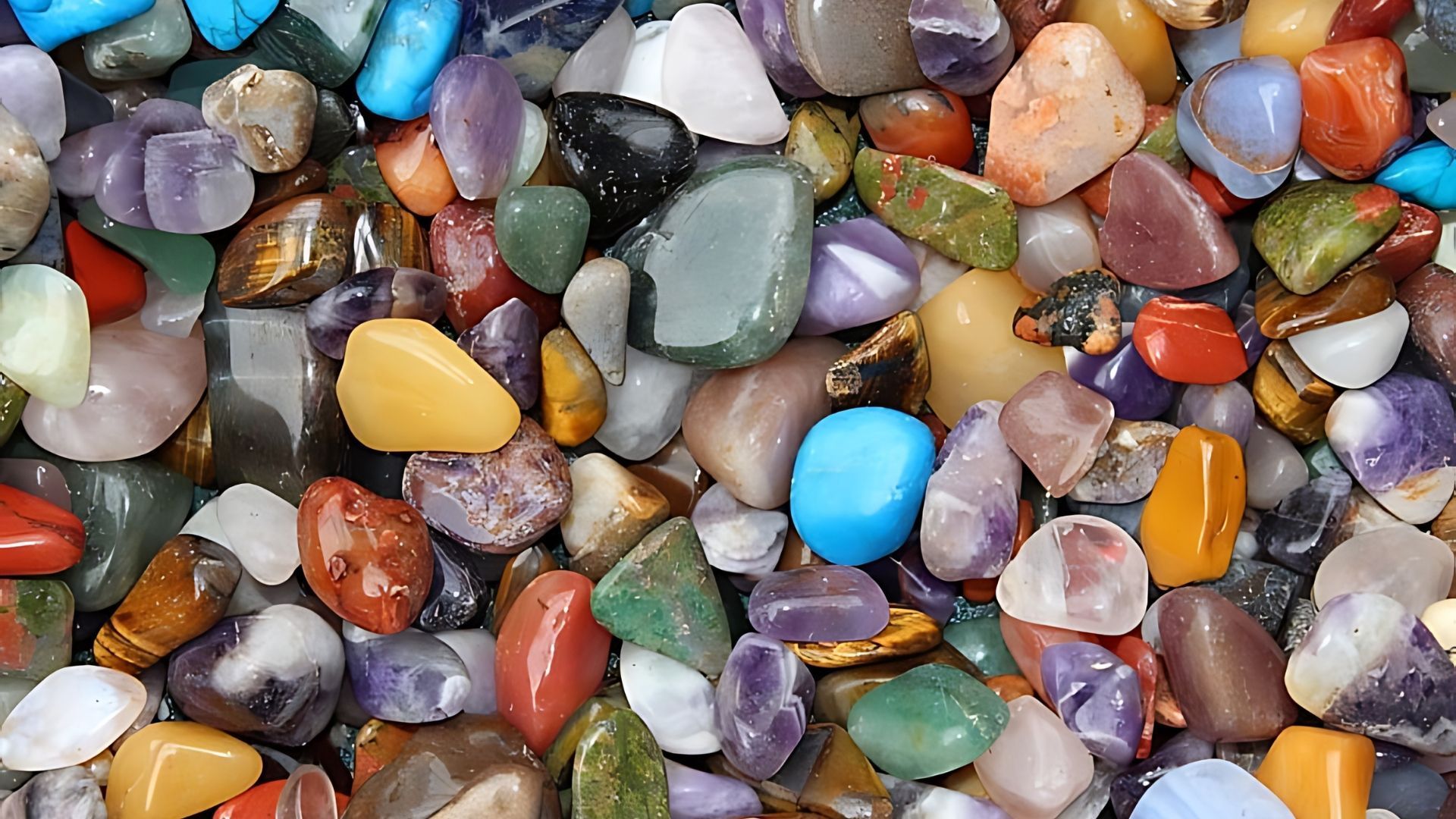
Close-up of a pile of colorful, polished gemstones in various shapes and sizes.

If you're a fan of gemstones, you probably encounter them mostly in gift shops, auctions or other commercial settings. But did you know you can also find them in mines, jewellery stores and even scattered along the British coast?


That's right – there's no need to hop on a plane in search of gorgeous gemstones. Instead, you can take a day trip to Derbyshire, Yorkshire, Wales or the Cairngorms.


And if it's the kids who want to hunt for gems, you can always come to Stump Cross Caverns here in the Yorkshire Dales for a go on our gem sluice (but more on that later).
Ready to spot something shiny? Here are six gems you can find in the UK – and where to look for them.


Blue John

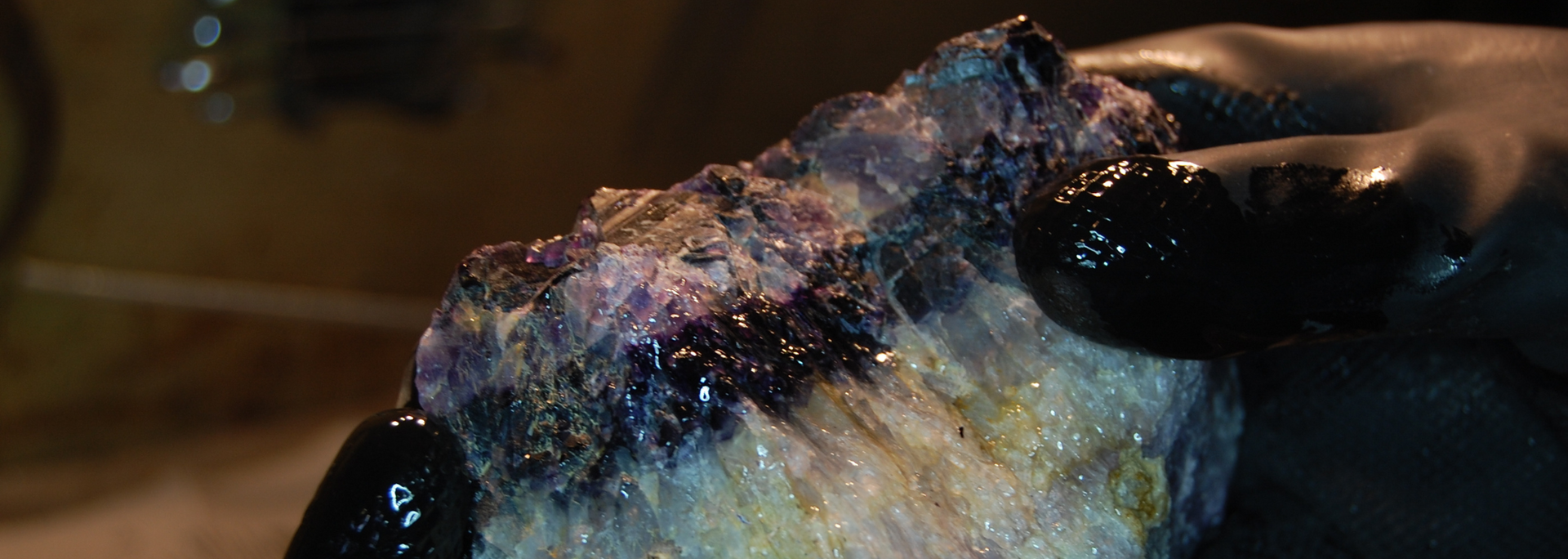
A hand in a black glove holding a rough piece of colorful fluorite. The stone is purple, blue, and yellow.

Some materials are unique to the places they're mined or created. Blue John in Castleton, Derbyshire, is one of these.


Its name is believed to come from the French bleu-jaune or "blue-yellow" – an accurate description of its sparkling bands.


Blue John mining began with a vengeance in the 18th century. At its peak, around 20 tonnes of Blue Jones were mined every year. These spoils were mostly used for jewellery and ornaments, including goblets and bowls.


Today, maybe half a tonne a year makes it into the workshop. But the mines themselves are a great destination for a day out. As well as taking a tour of the mines, you can look at some specimens in the gift shop and in nearby Castleton.


Whitby jet

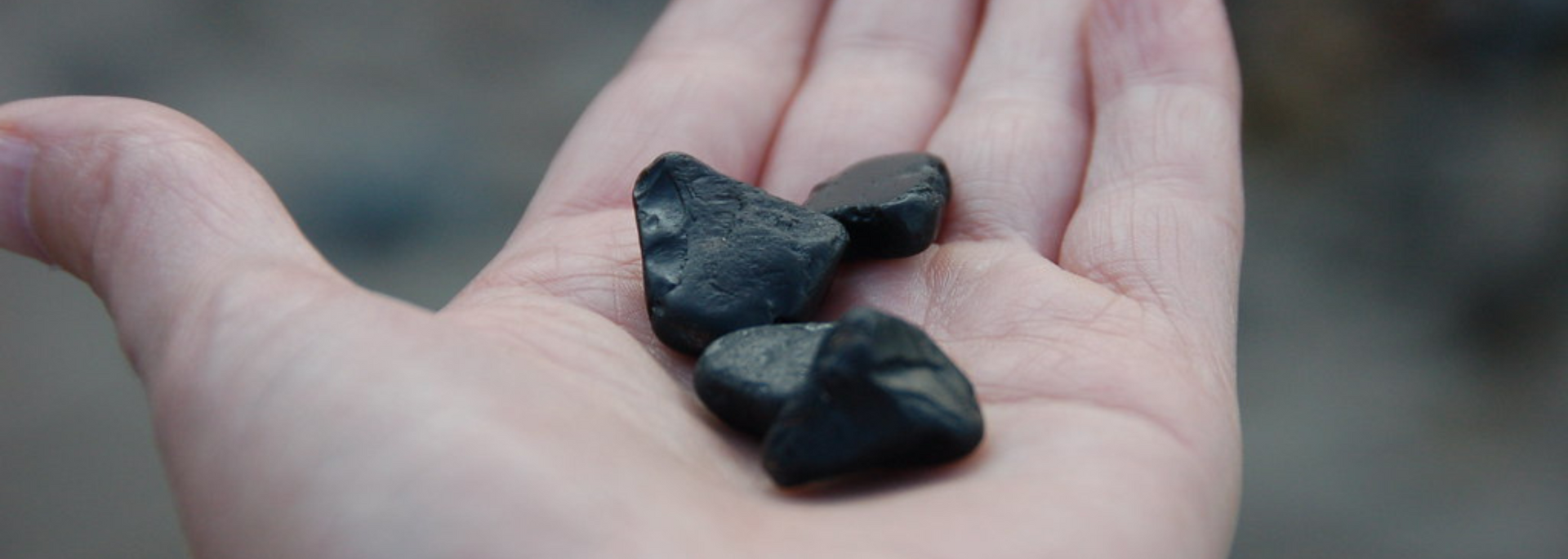
Hand holding three dark, rough-edged rocks.

 The seaside town of Whitby in Yorkshire isn't only famous for inspiring Bram Stoker's Dracula . It's also home to a fabulous jet-black gem beloved of Queen Victoria: the eye-catchingly beautiful and eye-wateringly expensive Whitby jet.


Combined with its dark, dazzling appearance, Whitby jet's lightness makes it ideal for earrings, necklaces and other hanging jewellery.


It differs from most gemstones in that used to be alive. A piece of Whitby jet began life as fossilised wood, compacted over millions of years under the weight of water.


Its fame is partly thanks to Queen Victoria. When Prince Albert died in 1861, she took to wearing Whitby jet jewellery as a memorial.


Despite being a high-end material, Whitby jet still gets washed up along the Yorkshire coast and can be picked up by eagle-eyed beachcombers.


Cairngorm quartz

Smoky quartz crystal, dark brown and transparent, against a white background.

The Cairngorms National Park is the largest in the UK – and home to some of its tallest mountains. It's also famous for hosting the Royal Family when they visit Balmoral Castle.
But did you know it's also home to Cairngorm quartz: a dark, smoky and sometimes yellow type of quartz? It's exclusive to the Cairngorms – perhaps one reason why it's the national gemstone of Scotland.


Cairngorms quartz has been mined since the medieval times. Over the centuries, it has been used to make brooches, kilt pins and traditional Scottish knives, among other types of jewellery.


Today, the mountains and mines are overseen by the local National Park authority, and the quartz is hard to come by. It will cost you a pretty penny to buy a piece of jewellery made from this famous material.


Its reputation as a rare and beautiful gemstone is partly because of its association with Queen Victoria and Prince Albert. When staying in Balmoral, Victoria was given a large specimen of Cairngorms quartz by a local man named James Grant, who was given £50 for his pains – about £3,700 in today's money.


Amber

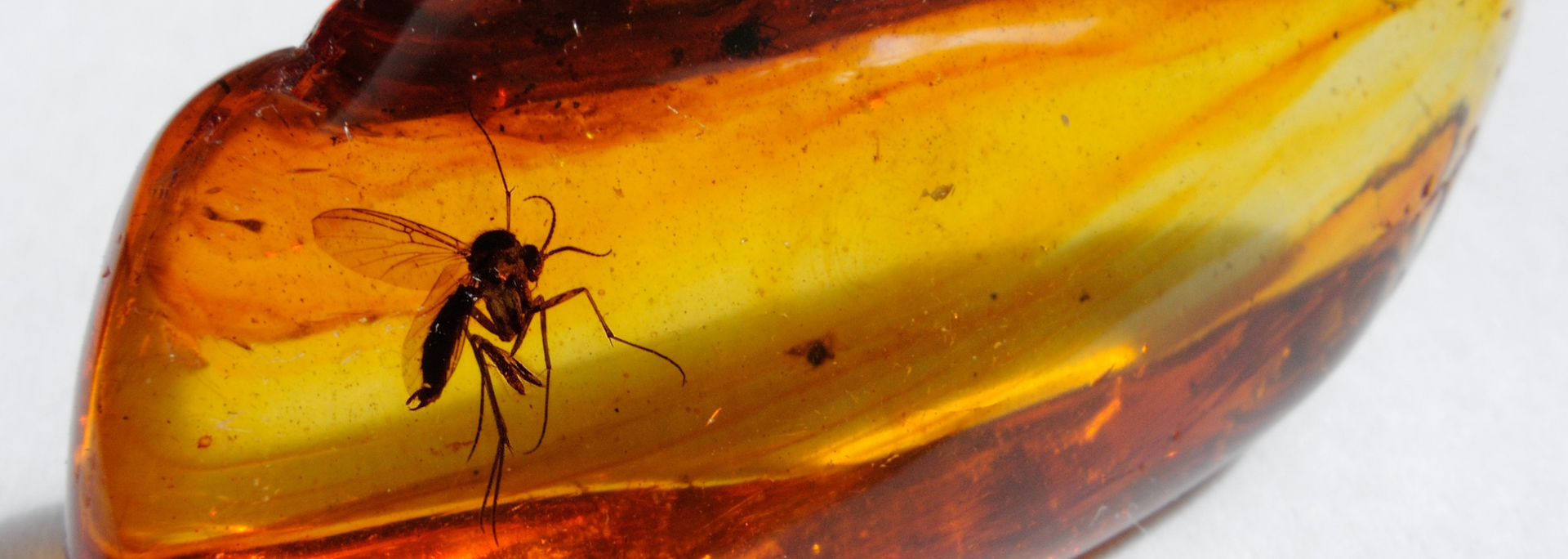
Insect trapped in amber. The amber is yellow and brown with an insect inside.

If you love amber's treacly, red-gold sparkle, do yourself a favour – take a trip to the Amber Coast between Felixstowe and Southwold in East Anglia.


Here, ancient fragments of amber get washed up. Some come from the Baltic Sea. Others break off from British cliffs and are swept back our way.


The story of amber is incredible – and it begins in the Baltic Sea. 


Millions of years ago, the sea was a vast forest, teeming with mammals, birds and invertebrates.


When a tree trunk was damaged by fire or storm, it would ooze resin into the pine needles on the forest floor. Over millions of years, this resin fossilised into amber, along with anything trapped inside.


When the last Ice Age came, the amber became subsumed by immense ice sheets and dragged westwards, eventually reaching the southeast coast of Britain.


That means if you find a piece of amber, you're holding a piece of ancient history in your hands – something created millions of years ago. If you do go looking for amber, be aware that it won't look orange, as you might expect. It only takes on that famous orange hue when polished. Instead, you should keep an eye out for a dark brown substance.


Welsh Gold

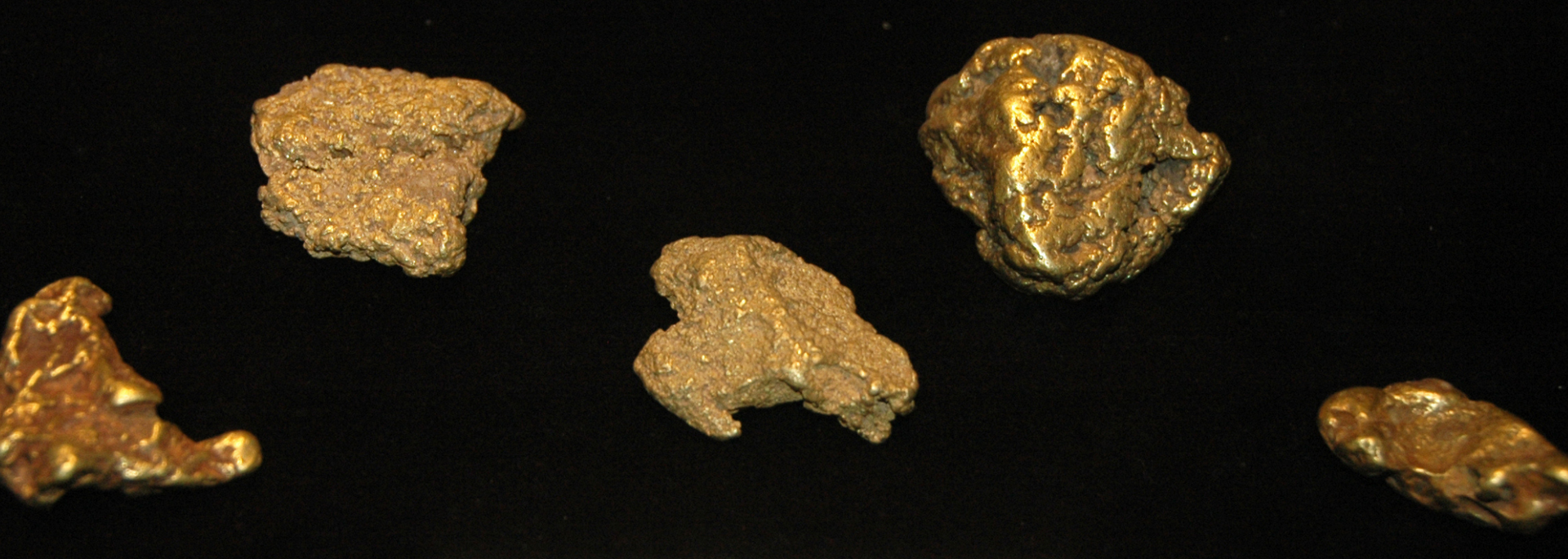
Five gold nuggets on a black background.

The Dolaucothi mines in Wales are the only known Roman gold mines in the UK.


First mined in the Bronze Age, they were mined by the Romans and in regular use until 1938. Today, they're a National Trust property. Visitors can pop on a hard hat and explore mining through the ages.


Now, gold isn't a gemstone – sure. But it's just as sparkly and just as prized, so we think it counts.


If you're keen to find your own gold, you can always go panning in the River Cothi near Pumsaint, Carmarthenshire. The Dolaucothi gift shop also contains some beautiful pieces of jewellery made from real Welsh gold.


Pan for gems at Stump Cross Caverns

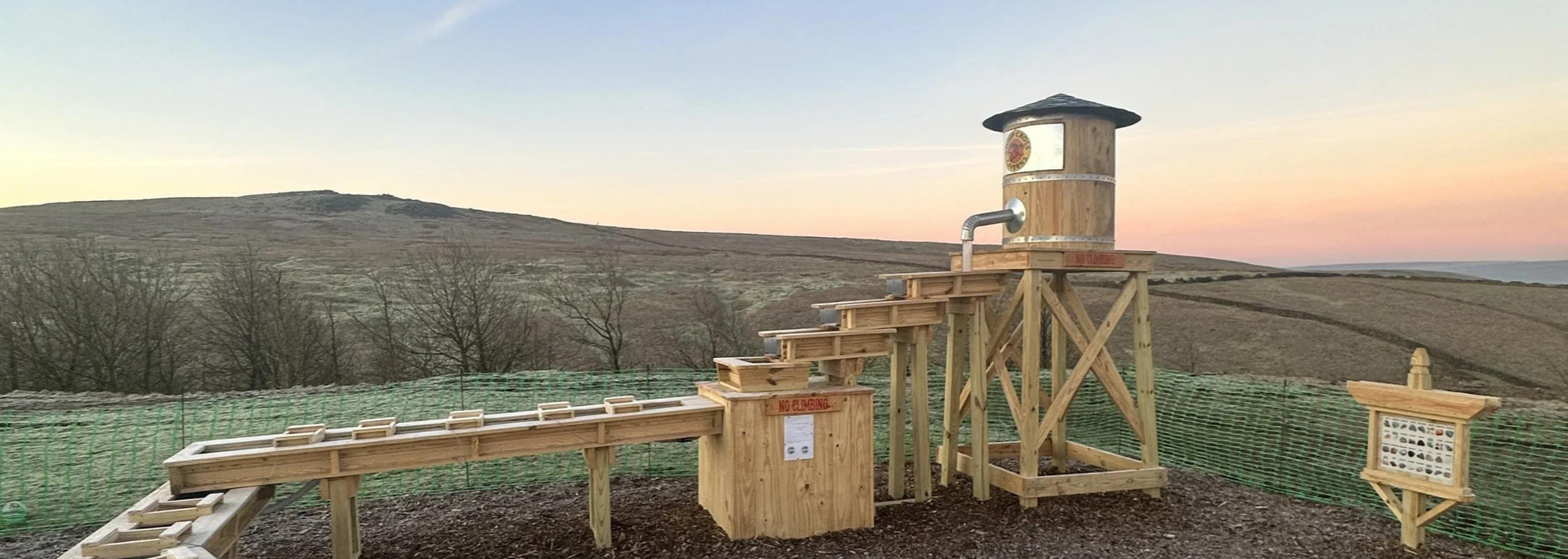
Wooden structure resembling a water wheel or flume in a field, under a dusk sky.

 Here at Stump Cross Caverns, the caves themselves are the star of the show. But that doesn't stop us from making the most of our location here in the Yorkshire Dales. We put on all manner of events and activities, including our family-friendly gem sluice .


In these sessions, kids get to be miners for the day, discovering real gemstones in a wooden sluice   – gemstones they can take home and keep.


It's hands-on, active fun with an educational component, as participants learn a bit about the science of gemstones.


So, if you're looking for a gem-filled day out to remember, why not try
panning for gems ? It's easy to book your session online . (Note that our sluice is only operational during the warmer months.)

Share this article

Recent Posts

Discover 9 country pubs with rooms in North Yorkshire – the perfect way to get some rest
by Simon Edward 11 September 2026
Discover 9 country pubs with rooms in North Yorkshire – the perfect way to get some rest before exploring the area.
Ice caves are wonders of nature. Discover 5 of the most amazing – and humongous – examples worldwide
by Simon Edward 7 September 2026
Ice caves are wonders of nature. Discover 5 of the most amazing – and humongous – examples worldwide.
From hidden places to unique events… Explore your choice of Heritage Open Days in Yorkshire
by Simon Edward 4 September 2026
From hidden places to unique events… Explore your choice of Heritage Open Days in Yorkshire this year.
Thinking of trying caving? Here's what you'll need to bring as a first-time spelunker,
by Simon Edward 1 September 2026
Thinking of trying caving? Here's what you'll need to bring as a first-time spelunker, including clothing, safety gear and essential supplies.
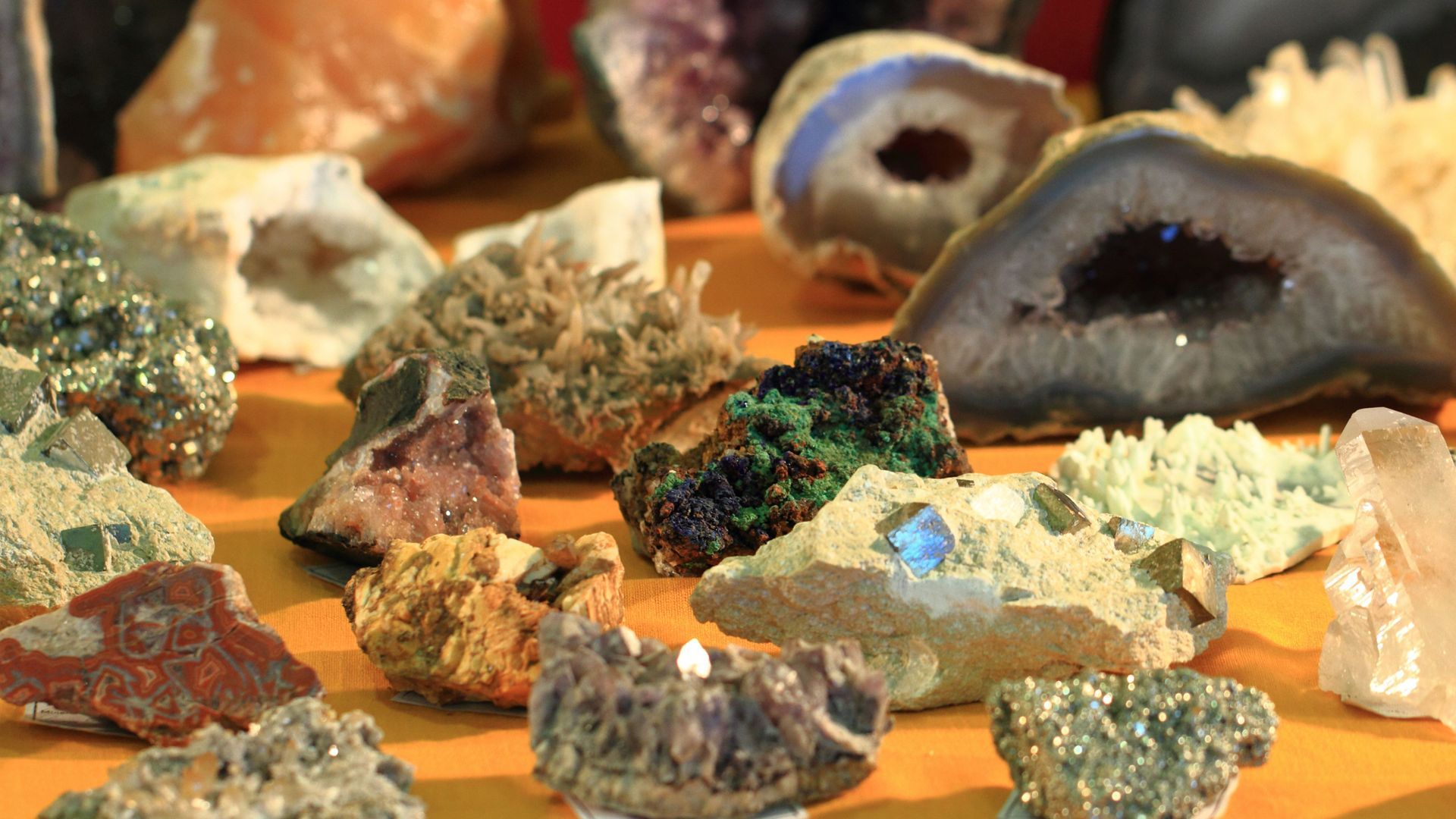
Want to get your hands on a geode? Learn where to buy geodes in the UK –
by Simon Edward 31 August 2026
Want to get your hands on a geode? Learn where to buy geodes in the UK – and have a go at cracking your own!

Are you looking for a vegetarian restaurant in Yorkshire? Explore 10 of the best in our food guide.

by Simon Edward 28 August 2026
Are you looking for a vegetarian restaurant in Yorkshire? Explore 10 of the best in our food guide.
Is your little learner moving into Key Stage 2? Explore ideas and resources
by Simon Edward 24 August 2026
Is your little learner moving into Key Stage 2? Explore ideas and resources to give them a head start at home.
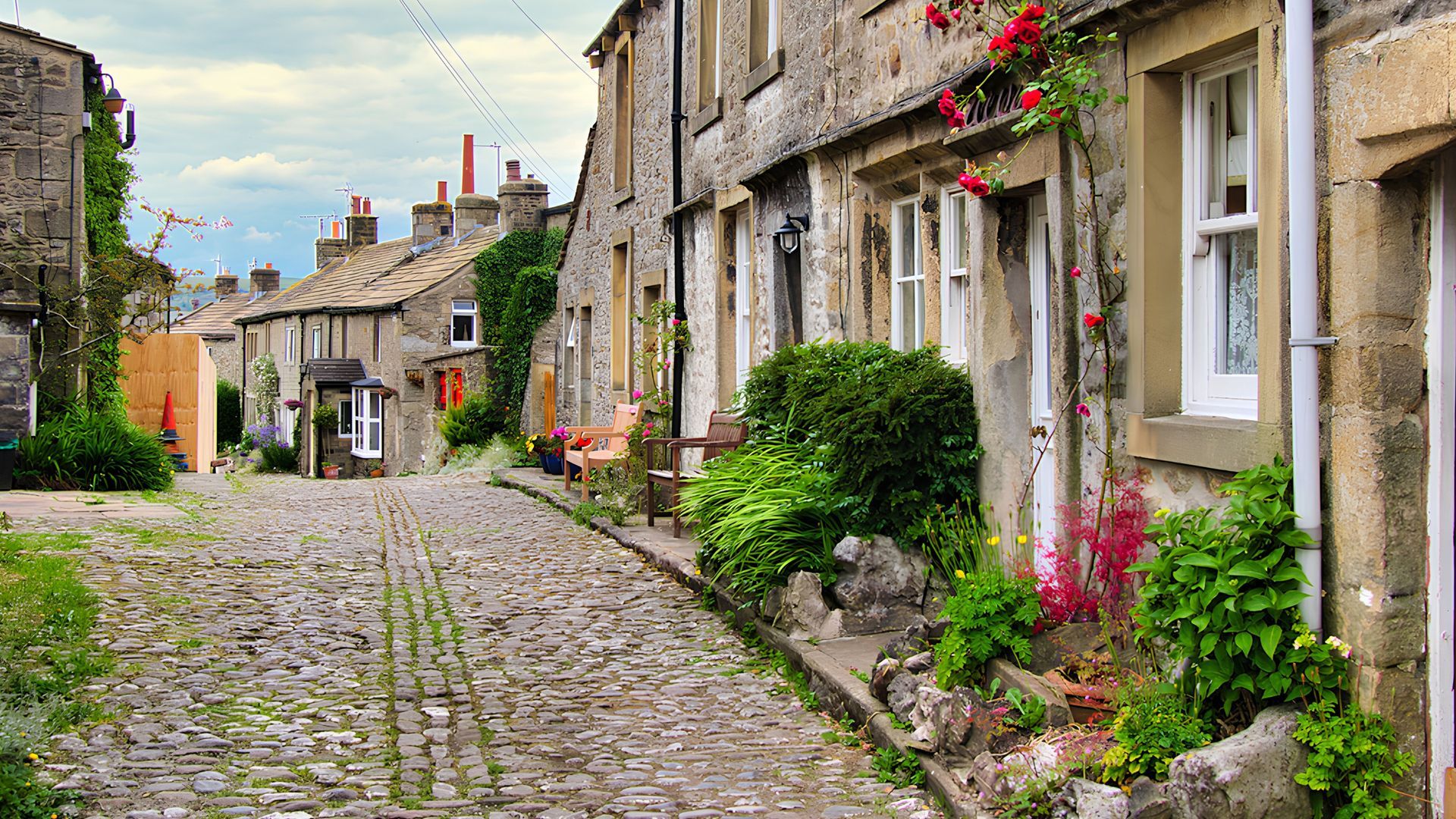
Welcome to Grassington – a market town nestled in the beating green heart of the Yorkshire Dales.
by Simon Edward 21 August 2026
Welcome to Grassington – a market town nestled in the beating green heart of the Yorkshire Dales.
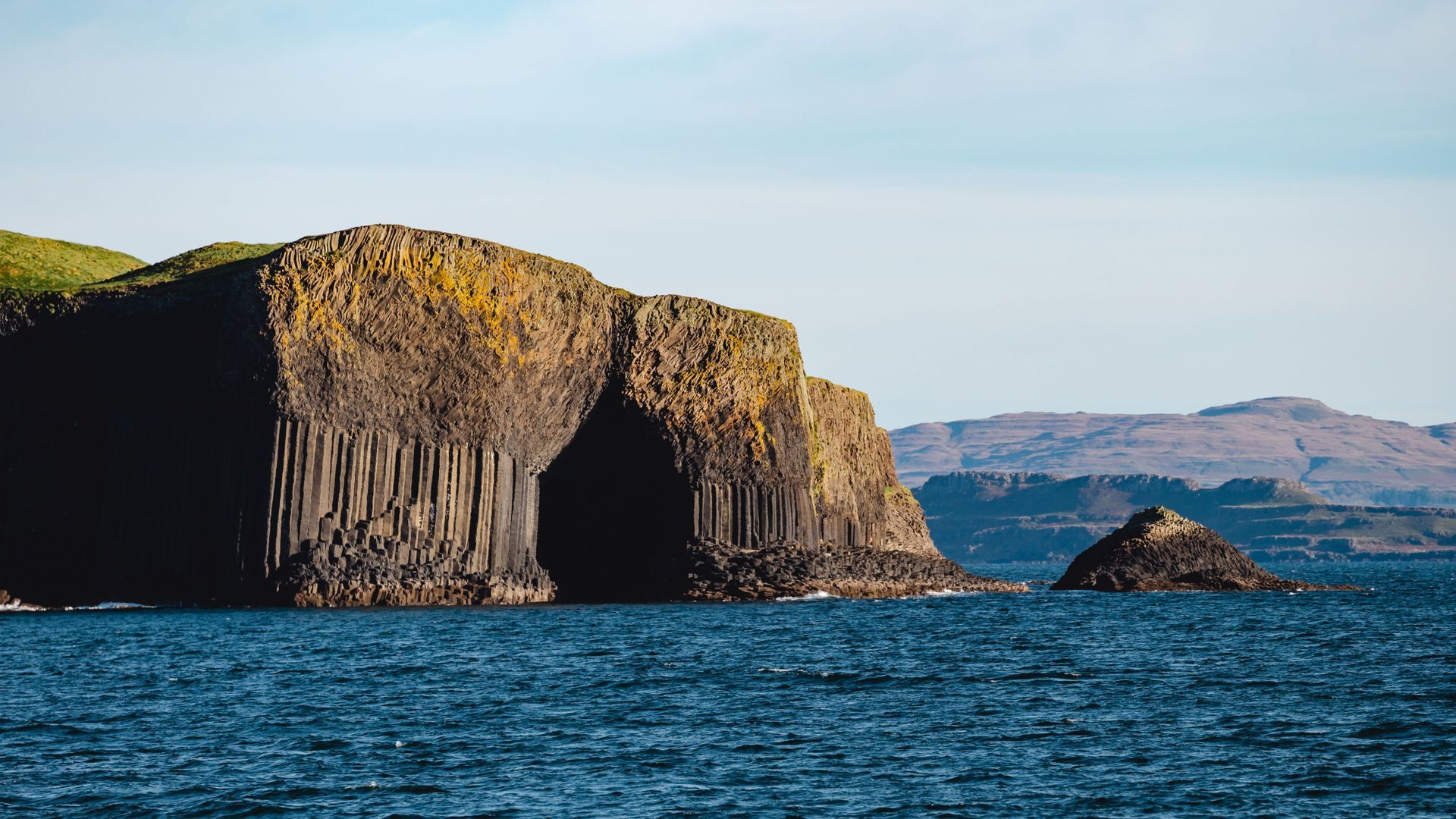
Fingal's Cave is one of the treasures of the natural world. But how was it formed?
by Simon Edward 14 August 2026
Fingal's Cave is one of the treasures of the natural world. But how was it formed? Let's go back in time…

Show More