Discover how to spot a geode, what makes them sparkle inside and how to experience geode cracking at Stump Cross Caverns.

At first glance, a geode doesn't look like anything special. You'd be forgiven for thinking it was just the kind of dull, ordinary rock you might kick along a footpath or scoop out of a stream.
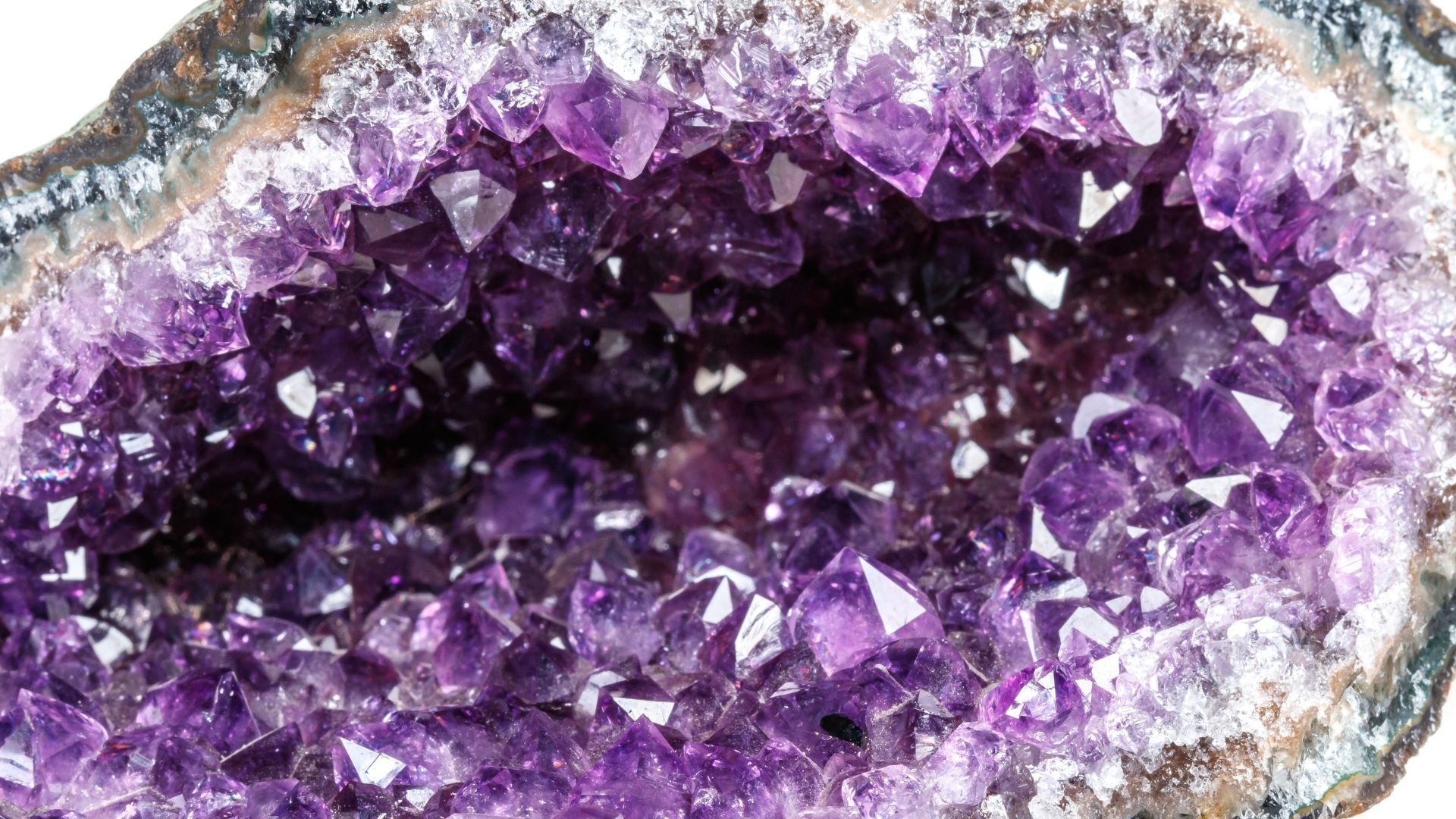
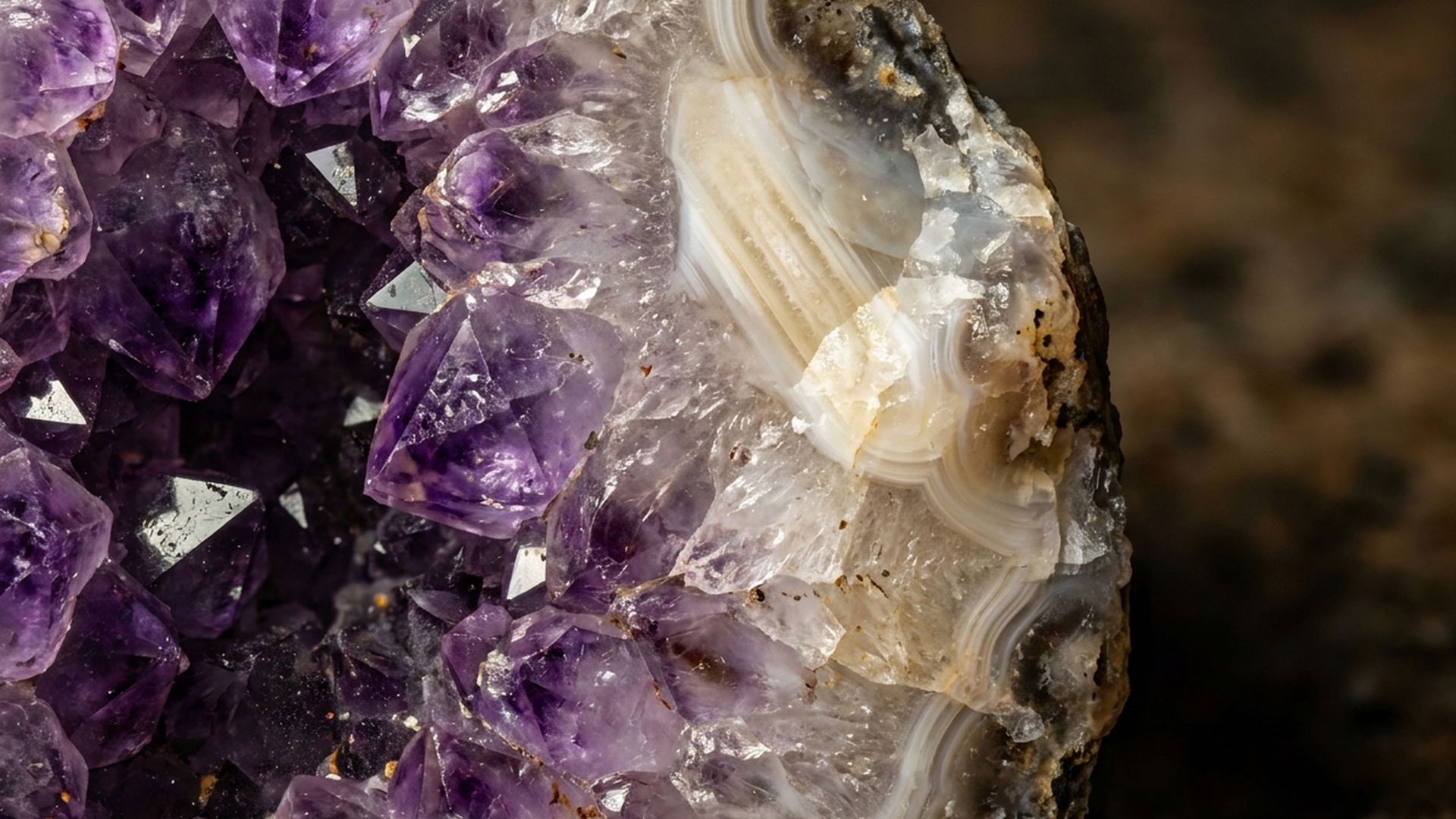
But when you crack it open, a secret is revealed: a sparkling world of crystals, each one grown bit by bit over millions of years.
At Stump Cross Caverns, we love this moment of surprise. When you discover what has been concealed within an ordinary-looking rock for all this time, it's pure magic.
That's what inspired us to open Geode James's Geode Shack. Here, visitors can choose a real uncracked geode and watch it split open before their eyes.
But perhaps you're a budding geologist, or just fancy yourself a bit of a geode detective. If so, stay tuned. This guide will teach you how to spot geodes in the wild and figure out if that humble rock might be hiding a glittering secret.
What exactly is a geode?
In simple terms, a geode is a hollow rock lined with crystal formations. These crystals form inside cavities in the rock.
This can happen when gas bubbles get trapped inside lava, for instance, or when pockets of mudstone or limestone slowly dissolve away underground.
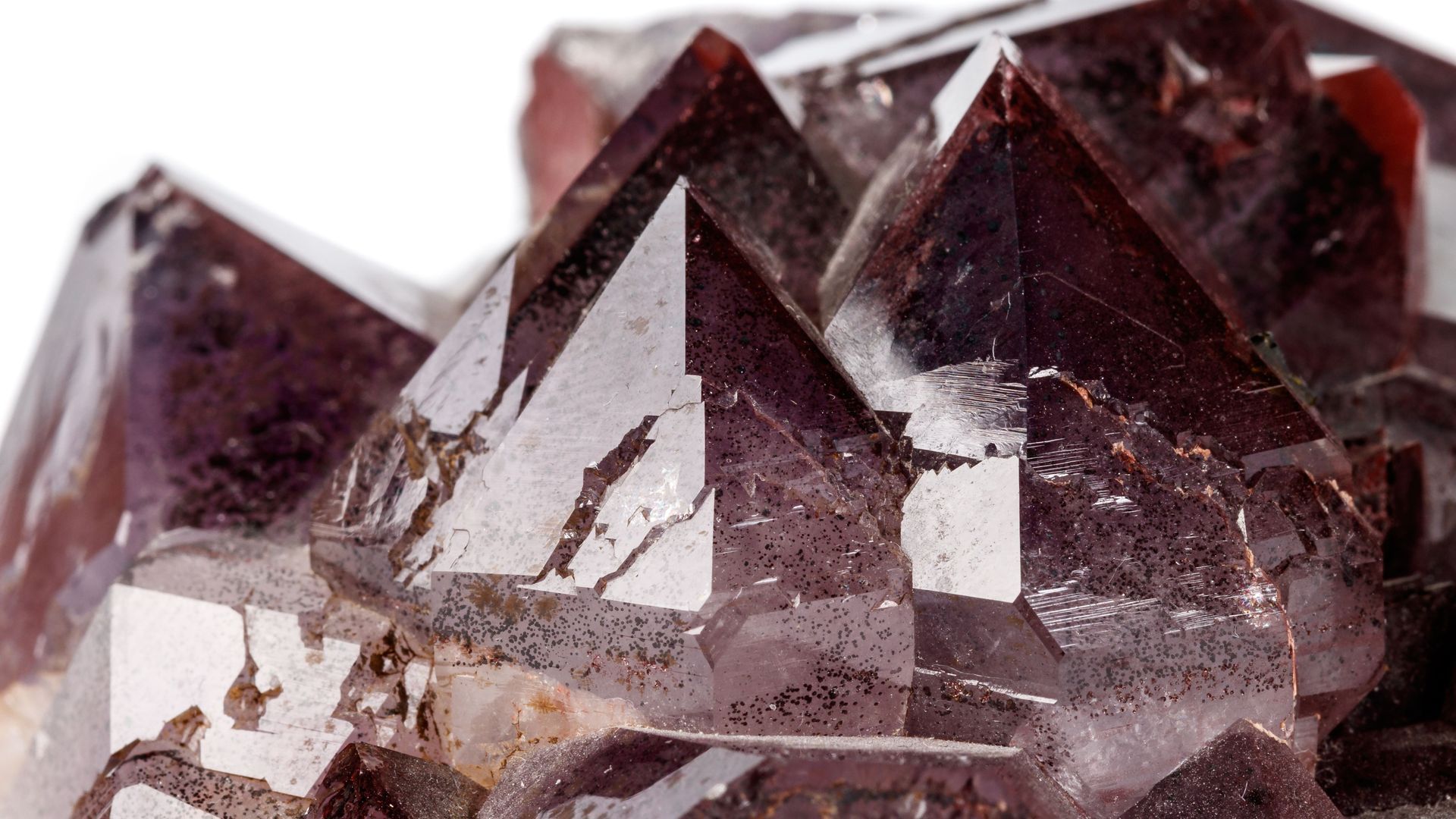
Over thousands or even millions of years, water seeps into these pockets, carrying minerals such as quartz, calcite or amethyst. These minerals gradually build up layer by layer over time, forming delicate crystals that fill the empty space.
On the outside, a geode looks quite ordinary: rough, round and unremarkable. But inside, it's a magnificent work of art. Every geode is unique, with its own combination of colours, patterns and crystal shapes.
Geodes are also easily confused with other solid rock formations, such as nodules or concretions, which are completely solid inside. What sets geodes apart is that they're hollow. Their outer shell protects the cavity within, creating the perfect space for crystals to grow undisturbed.
How to tell if a rock might be a geode
So, you're out walking in the countryside or exploring a rocky riverbed – and you've found something. Exciting!
But is it just a plain old rock, or could it be a geode? Here are a few simple clues to help you play geological detective.
1. Shape
Geodes are usually round or oval-shaped. They don't tend to have any sharp edges or flat faces.
Found a roughly spherical rock that looks a bit like a small potato or a lumpy egg? It could be worth a closer look…
2. Weight
Because geodes are hollow, they are often much lighter than they appear.
So, if you pick up a rock that seems surprisingly light for its size, that's a good sign. A solid rock of the same type would feel heavier in your hand.
3. Texture
The outside of a geode tends to be bumpy or rough. Sometimes, they're coated in a thin layer of limestone or clay. It rarely shines or sparkles – the magic is hidden inside.
If the surface looks dull and uneven, it could be a keeper.
4. The sound test
This is where it gets fun.
Give your rock a very gentle tap with another stone or your knuckle. If it makes a slightly hollow sound instead of a solid 'thunk', there might be a cavity inside. Just be extra careful not to damage it.
Where to look
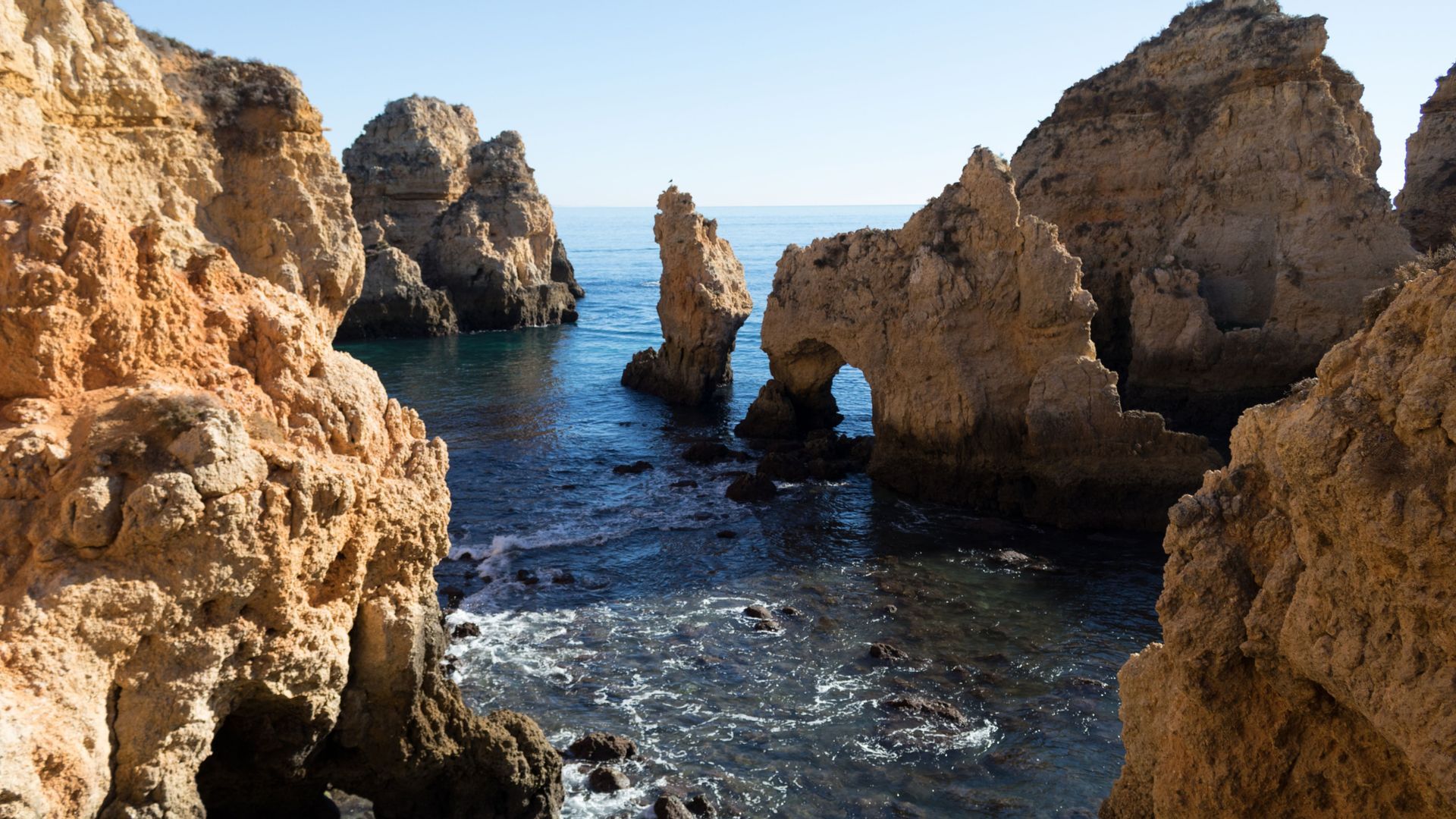
Geodes usually form within sedimentary rocks like limestone and dolomite, or in areas with ancient volcanic activity.
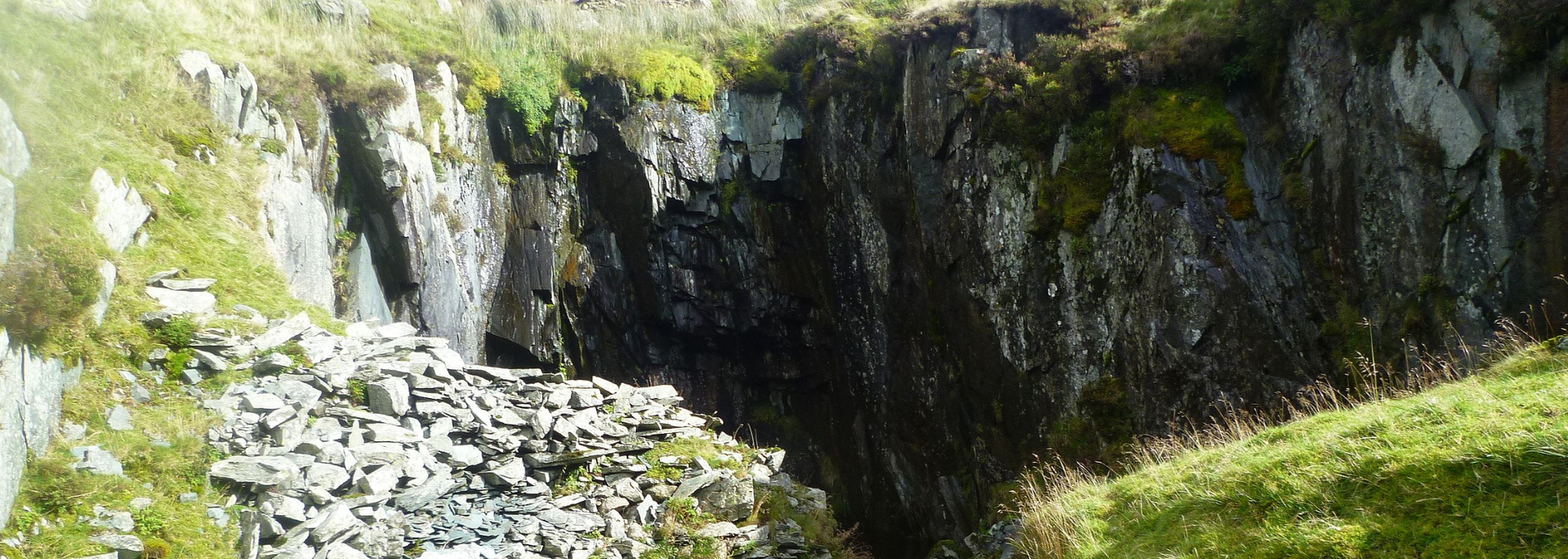
In the UK, they can sometimes be found in parts of Scotland, Wales and the north of England – particularly in old quarry sites and riverbeds. It's unlikely you'll ever find a geode by the roadside, but keep your eyes peeled in rocky and eroded areas.
If you're not keen on digging around in the mud, there's a simpler (and cleaner) way to discover geodes. Visit Geode James's Geode Shack at Stump Cross Caverns, and let the experts do the hard work for you. Easy!
Cracking open a geode the right way
If you're lucky enough to have found what you think might be a geode, you might be tempted to grab a hammer and see what's inside.
But wait! Geodes are fragile, and carelessness can crush the crystals that have been waiting thousands of years to be revealed.
Here's how to open one safely:
- Use a geode cracker: this is the tool we use at Stump Cross Caverns. It's a special device that gently tightens around the rock and applies even pressure. Give it a good squeeze and the geode splits neatly in two, revealing a perfect crystal interior.
- Try a geode saw: for collectors who want a smooth, polished cut, a rock saw with a diamond blade is ideal.
- Always wear safety gear:
if you're experimenting at home, wear goggles and gloves to protect from flying shards. Never simply hit a rock with a hammer! It's unpredictable and can be dangerous.
And remember: not every geode is full of sparkling quartz. Some contain more subtle mineral layers or delicate crystal dust. It's all part of the magic of geodes: you never quite know what you'll get until you open it.
Fun geode facts for budding geologists
- The word "geode" comes from the Greek geoides, meaning "earth-like".
- Geodes can take millions of years to form as minerals slowly deposit inside.
- The largest geode in the world, the Pulpi Geode in Spain, is big enough to stand inside. Its crystals reach more than two metres long.
- Geodes are often sliced and polished to make stunning jewellery and ornaments.
- No two geodes are the same. Each tells a slightly different story about how the Earth formed and changed over time.
Where to experience the magic
DIY geode hunting has a few drawbacks: it's rainy, it's muddy and it comes with the risk of disappointment.
Want to skip all that? Come and discover the real deal at Stump Cross Caverns in the Yorkshire Dales.
At Geode James's Geode Shack, you can choose your own unopened geode, watch it being split open safely and then take home your sparkling discovery. It's a unique experience that brings out everyone's inner explorer, from curious kids to geology-loving grown-ups.
And while you're here, why not make a day of it with us? Enjoy lunch in our dog-friendly cafe, explore the mysterious caverns below or join one of our educational fossil digs to uncover more ancient secrets.
Next time you're in Yorkshire, come and see what's hiding inside the rocks. You might just find that the most ordinary-looking stone holds something extraordinary. We can't wait to show you!
Reserve your own unopened geode today, then visit Stump Cross Caverns and watch it get cracked before your eyes. It's quick and easy to book online.