What is a Site of Special Scientific Interest (SSSI)?

Simon Edward • December 8, 2025
BOOK TICKETS

Sites of Special Scientific Interest are natural areas with special legal protection. Learn more about them – and how our caves became an SSSI.


Sites of Special Scientific Interest are natural areas with special legal protection. Learn more about them – and how our caves became an SSSI.

Some things are just too special to let anything bad happen to them. Luckily, the UK has several schemes that aim to protect our most treasured national assets.


You've probably heard of listed buildings. We give buildings listed status when they're especially beautiful or historically significant. When a building is listed, it can't be changed or knocked down without permission.


You might also have heard of scheduled monuments. These are protected archaeological sites – think ruined monasteries, prehistoric burial mounds and stone circles like Stonehenge.


That's buildings and monuments covered. But what about natural sites like meadows, moorlands, cliffs and caves?


Good news: those can be safeguarded, too. Some natural areas are considered special enough to be deemed 'Sites of

Special Scientific Interest'. And if you've ever visited Stump Cross Caverns, you've set foot in one.


What is a Site of Special Scientific Interest?

A Site of Special Scientific Interest (SSSI) is a piece of land that deserves special protection for its scientific value.

That might make you think of chemistry labs and scientists in white coats. But that's not what SSSIs are all about. They're often beautiful places where nature blooms and rare wildlife flourishes. They might be home to ancient woodlands, endangered plants or – in the case of Stump Cross Caverns – interesting geological characteristics. All these features are worth protecting.


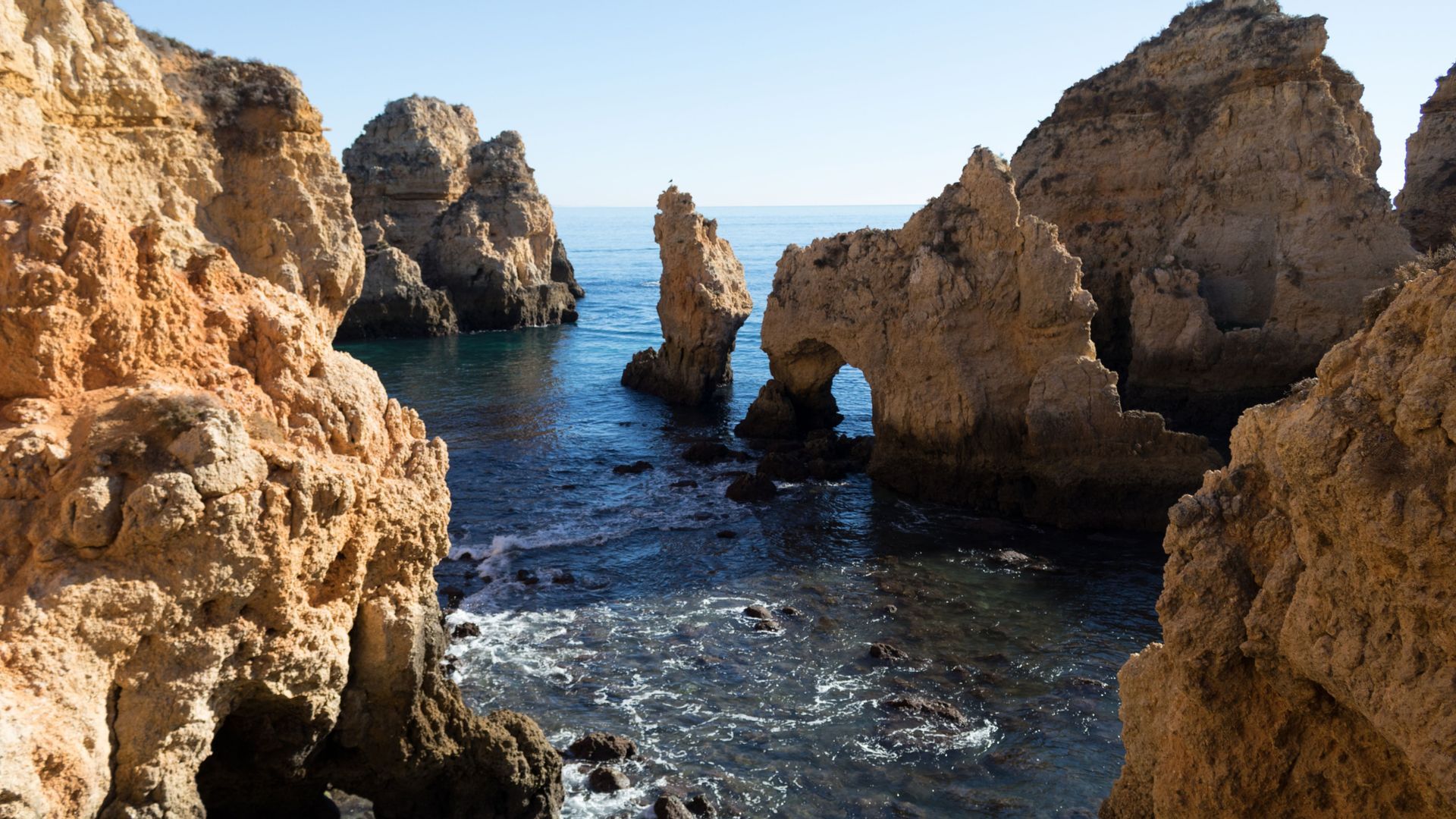
There are more than 6,500 SSSIs across England, Scotland and Wales. They include grasslands, marshes, heathlands, cliffs, beaches, forests, lakes and cave networks. In Scotland, SSSIs account for around 13% of the country's total land area.


How are SSSIs protected?

SSSI status is only given to our very best wildlife areas and geological sites. When a natural site gains SSSI status, it enjoys a very high level of legal protection. Only international designations like Special Areas of Conservation (SACs) and Special Protection Areas (SAPs) provide better legal safeguards.


SSSIs come with special rules for landowners and public bodies. These include:

  • Looking after the land: landowners must manage the land in a way that preserves its special features. If a public body uses the land, it must restore the land to its natural state afterwards.
  • Getting permission for certain things: every SSSI has a list of 'operations requiring consent'. This details activities that might damage the area's special features. If you want to carry out one of these activities, you must seek permission from the organisation in charge of the SSSI. In England, this is Natural England. In Scotland, it's NatureScot.
  • Flagging changes of ownership: if a landowner sells or leases land on an SSSI, they must tell the organisation in charge within 28 days.

These rules exist to protect the area and conserve its special features. If somebody breaks the rules, they face paying an unlimited fine. They might also be made to pay to repair damage to the site.


Examples of SSSIs in the UK

There are thousands of SSSIs in the UK – and they come in all shapes and sizes. The smallest is a bat roost in Pembrokeshire, Wales, which measures just 430 square feet. Among the largest is the North York Moors, which stretches some 44,000 hectares (170 square miles).
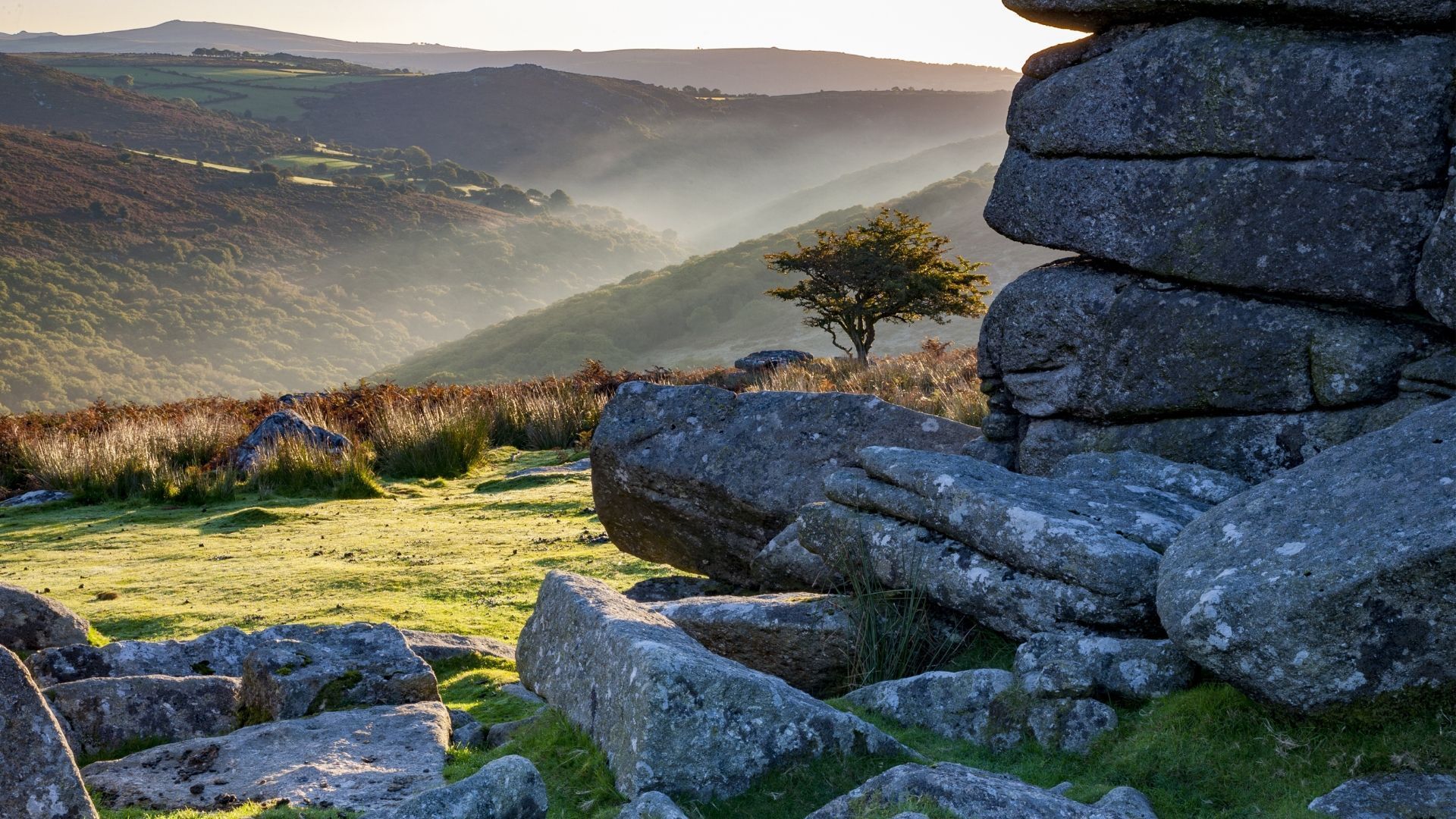
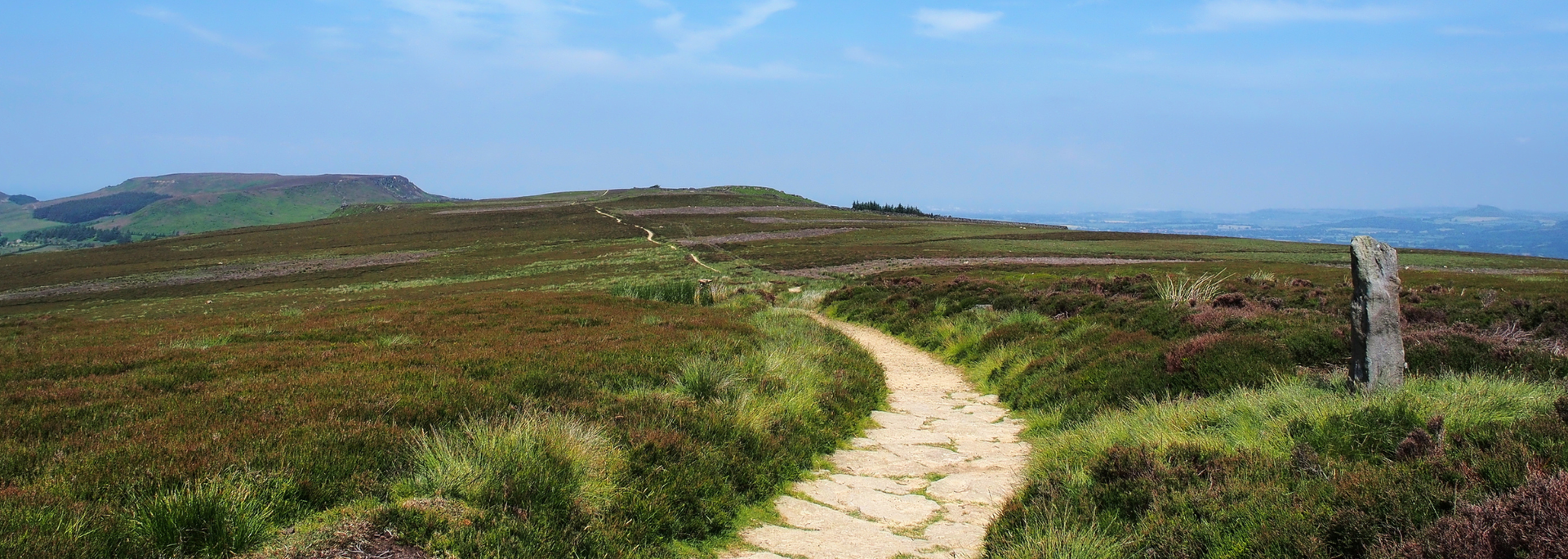
Picture of The North York Moors.

Here are a few notable examples:

  • Windsor Forest and Great Park: this royal estate has earned SSSI status thanks to its huge collection of ancient oak and beech trees.
  • Salisbury Plain: as well as being home to Stonehenge, Salisbury Plain is the largest area of chalk grassland in northwestern Europe.
  • Gilbert's Pit: cities can have SSSIs, too! Gilbert's Pit is a fossil-rich ex-quarry tucked among the hustle and bustle of southeast London.
  • Stump Cross Caverns: that's right – our very own Stump Cross Caverns is a designated SSSI. Let's learn why.

What our SSSI status means at Stump Cross Caverns

Stump Cross Caverns is an ancient cave system tucked deep below the windswept hills of the Yorkshire Dales.


Descend the 65 steps into the caves and you'll see it straight away: this is a very special place. With its winding passageways, glistening grottos and impressive limestone rock formations, Stump Cross Caverns is quite unlike anywhere else on Earth.


Natural England thinks so, too. That's why it designated Stump Cross Caverns as an SSSI way back in April 1989.


You've got those impressive rock formations to thank for that. As Natural England notes, Stump Cross was "identified as of national importance in the Geological Conservation Review".


"Three different levels of cave passageways contain thick glacial sediments and calcite stalagmite formations", the document goes on. "Investigation of these important deposits should enhance understanding of the recent geological history of this area."


Of course, that means Stump Cross has its own list of 'operations requiring consent', too. If we ever want to remove boulders, fill in potholes or lay cables, we must ask for permission. This involves sending a detailed proposal for each job to Natural England.


Honestly, that's music to our ears. We take our roles as custodians of Stump Cross Caverns very seriously indeed. Our job is to preserve this natural wonder for future generations – and we'll do whatever it takes to make sure that happens.


The future of Stump Cross

As part of our conservation efforts, we want to make sure visitors like you can enjoy as much of our cave system as possible.

See, Stump Cross Caverns extends for a whopping four miles – but only around 25% of those twisting underground passageways are currently open to the public.


But that all changes soon, because we're working hard to uncover an area of Stump Cross that's remained hidden since the 1800s.

Measuring 120 metres long and decorated with beautiful crystal "pompons", C Chamber is a feast for the eyes. When work is finally complete, it will be the first new area of Stump Cross Caverns opened to the public since the year 2000.


We can't wait – and we bet you can't, either. But in the meantime, there's plenty to enjoy here at the caverns – from our mile-long underground show cave to our packed programme of family activities.


Want to see a real natural wonder with your own eyes? It's quick and easy to book tickets online.


A miracle in a cave and the origin of tinsel… Discover the magical folk tale of the Christmas Spider
By Oliver Bowerman December 5, 2025
A miracle in a cave and the origin of tinsel… Discover the magical folk tale of the Christmas Spider.
Meet Santa in the most magical grottos, discover the best festive days out
By Oliver Bowerman December 1, 2025
Meet Santa in the most magical grottos, discover the best festive days out and make some Christmas memories across Yorkshire.
Discover the first reviews of Stump Cross Caverns back in the Victorian era
By Simon Edward November 28, 2025
Discover the first reviews of Stump Cross Caverns back in the Victorian era, featuring glowing endorsements and some dramatic adventures.
Go back in time and discover what Stone Age people drank, from river water to wild brews
By Simon Edward November 28, 2025
Go back in time and discover what Stone Age people drank, from river water to wild brews and herbal teas.
Learn about Yorkshire's most memorable Christmas traditions, ranging from sword dances to sea dips.
By Oliver Bowerman November 21, 2025
Learn about Yorkshire's most memorable Christmas traditions, ranging from sword dances to sea dips.
Discover the best team-building activities across Yorkshire – from treetop adventures to underground
By Simon Edward November 17, 2025
Discover the best team-building activities across Yorkshire – from treetop adventures to underground discoveries.
Discover 5 of our favourite Yorkshire reservoir walks, rambles and hikes – all within easy reach
By Simon Edward November 14, 2025
Discover 5 of our favourite Yorkshire reservoir walks, rambles and hikes – all within easy reach of Stump Cross Caverns.
Discover how to spot a geode, what makes them sparkle inside and how to experience geode cracking
By Simon Edward November 10, 2025
Discover how to spot a geode, what makes them sparkle inside and how to experience geode cracking at Stump Cross Caverns.
Caves figure heavily in myths and legends from across the centuries and across the world. Discover 6
By Simon Edward November 7, 2025
Caves figure heavily in myths and legends from across the centuries and across the world. Discover 6 enthralling examples today.
Discover the best Yorkshire Christmas markets for the 2025 festive season
By Oliver Bowerman November 3, 2025
Discover the best Yorkshire Christmas markets for the 2025 festive season – from cosy village bazaars to urban fetes.
More Posts