When did the cave lion go extinct?

Simon Edward • 1 November 2026

What are cave lions and when did they go extinct? Learn all about this fascinating prehistoric animal.


What are cave lions and when did they go extinct? Learn all about this fascinating prehistoric animal.

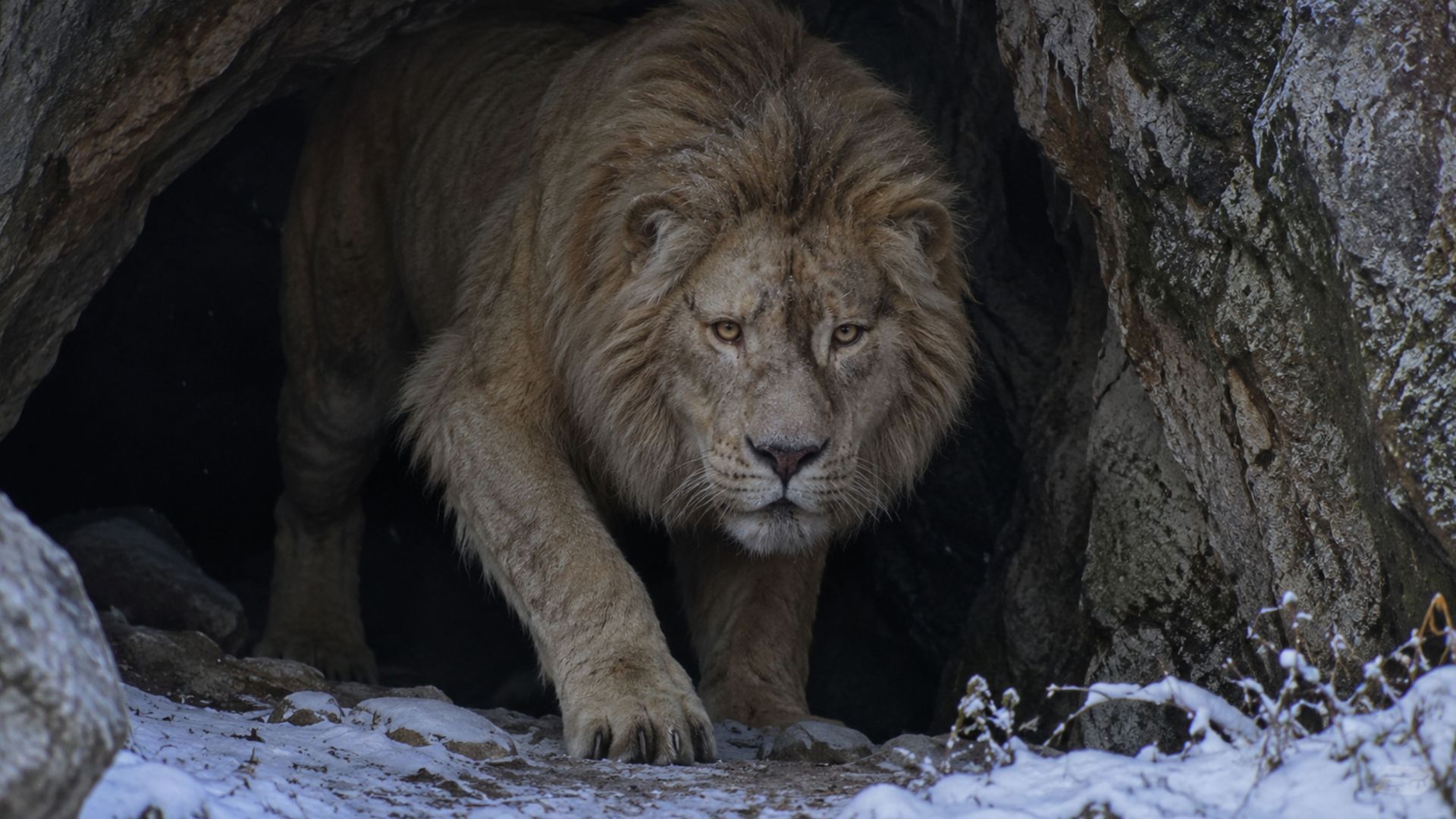
Imagine a world where enormous lions roamed across icy plains, hunted wild horses and reindeer and lived alongside mammoths and woolly rhinos.

These powerful predators aren't the stuff of fairytales. They're known as "cave lions", and they lived thousands of years ago when much of the world was colder than it is today.


But when did cave lions disappear, what caused their extinction – and did they once live in Yorkshire? Scientists have discovered fossil bones that help us answer these fascinating questions.


What are cave lions?

Cave lions were large, powerful wild cats that lived during the Ice Age. Their scientific name is Panthera spelaea. They were closely related to modern lions but belonged to a different species.


Cave lions were generally larger than many lions alive today, although their exact size varied. They had strong legs, sharp teeth and powerful jaws that helped them catch and kill their prey. They probably hunted animals such as horses, reindeer and young mammoths.


Despite their name, cave lions didn't always live in caves. The name comes partly from the discovery of their fossil remains in caves. They most likely spent much of their time in open grasslands and other landscapes where they could hunt.

Scientists have learned about cave lions by studying fossil bones, teeth and ancient DNA. These clues help researchers understand what the animals looked like, how they lived and how they were related to other big cats.

When did cave lions live?

Cave lions lived during the Pleistocene Epoch, often called the "Ice Age". This period began about 2.6 million years ago and ended around 11,700 years ago.


During the Ice Age, Earth's climate changed many times. Huge sheets of ice spread across parts of the northern continents, and cold grasslands provided homes for animals adapted to chilly conditions.


Cave lions lived across large areas of Europe and northern Asia. They also inhabited parts of Alaska and the Yukon in northwestern North America. Their world included many animals that are now extinct, such as woolly mammoths and woolly rhinoceroses.


Cave lions were predators, which means they hunted other animals for food. They may have hunted alone or in groups, but scientists are still learning exactly how they behaved. Studying their teeth, bones and fossil footprints helps researchers piece together their lives.


When did cave lions go extinct?


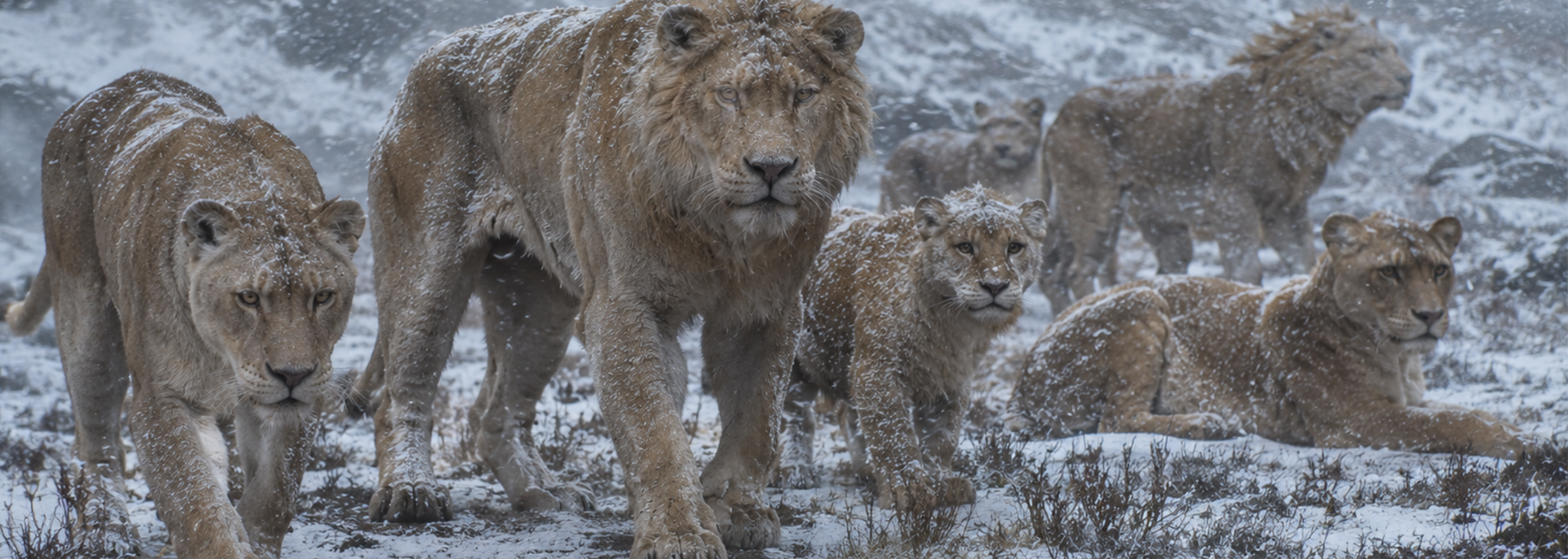
Picture of a pride of cave lions in the cold tundra.

Cave lions disappeared from most of their range in Eurasia around 14,000 to 14,500 years ago. In Alaska and the Yukon, they survived for about another thousand years.

That means cave lions lived alongside early humans for thousands of years. People living during the Ice Age may have seen these impressive cats – and ancient artwork provides further clues about how people viewed them.


For example, prehistoric artists painted and carved lion-like animals on cave walls and other objects. Some of these pictures are thought to represent cave lions.


Scientists estimate extinction dates by examining fossil remains and using scientific dating methods. Radiocarbon dating can help establish how long ago certain remains existed, although it becomes less useful for very old samples.


The exact timing of extinction varied between regions. However, evidence suggests that cave lions had vanished from the wild by the end of the Ice Age in the areas where they once lived.

Why did they go extinct?

Scientists believe climate change was a key reason cave lions went extinct. As the Ice Age ended, the world gradually became warmer. This changed the landscapes where cave lions lived and hunted.


Cold, open grasslands began to change as shrubs and trees spread into some areas. That meant the habitats cave lions depended on shrank or changed in other important ways.


Their prey were affected, too. Many large Ice Age animals became less common or disappeared altogether. With fewer animals to hunt in some places, cave lions may have struggled to find enough food to survive.


Humans may also have played a part. People hunted animals for food and competed with large predators for some of the same resources. However, scientists don't know exactly how much human activity contributed to the extinction of cave lions.


It's likely that several things happened together rather than one single event causing their disappearance. Changes in climate, habitats and the availability of prey may have made survival increasingly difficult.

Were there cave lions in Yorkshire?


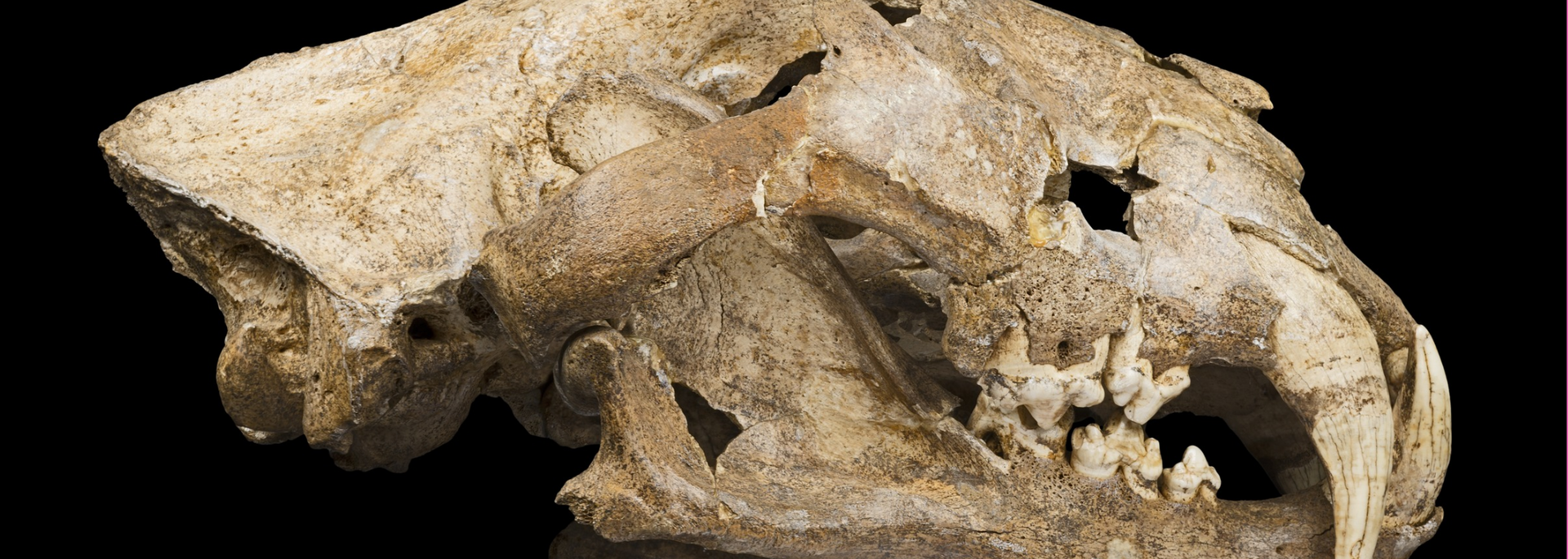
Picture of a Cave Lion skull.


Yes!

There's evidence that cave lions lived in Britain during the Ice Age, and fossil discoveries show large predators once roamed parts of Yorkshire.


One important site is Kirkdale Cave, near Kirkbymoorside in North Yorkshire. Workers discovered the cave in 1821 while working in a limestone quarry. Inside, they found a remarkable collection of fossil bones from different animals, including cave lions, hyenas and other large mammals.


The bones helped scientists understand which animals lived in Britain long before humans built towns and villages. Researchers studying the cave also discovered evidence that hyenas had used it as a den, bringing in bones from animals they had eaten.


Finding cave lion fossils doesn't mean these animals lived inside caves all the time. Other animals might have carried their bones into caves. Or they may have been deposited there through natural processes.


Today, the fossil evidence provides a fascinating window into Yorkshire's distant past. It shows that the landscape was once home to animals very different from those we see in the countryside today.


Cave lions may have disappeared thousands of years ago, but their story lives on through the bones they left behind. By studying these remains, scientists can discover how Ice Age animals lived, why some became extinct and what their history can teach us about the natural world.


Here at Stump Cross Caverns, we've seen a few historic fossil finds of our own, including reindeer remains and a wolverine jawbone! Visit our caves in Yorkshire and you can experience this ancient treasure trove for yourself. It's quick and easy to book tickets online.


Share this article

Recent Posts

Lechuguilla Cave lay almost completely hidden for millions of years.
by Simon Edward • 1 November 2026
Lechuguilla Cave lay almost completely hidden for millions of years. Discover how cavers finally broke into its extraordinary crystal-filled depths.
Geodes are a wonder of nature, and they contain all manner of gorgeous crystals.
by Simon Edward • 30 October 2026
Geodes are a wonder of nature, and they contain all manner of gorgeous crystals. Learn what kinds of crystals you can find hidden inside.
There are loads of family Christmas events in Yorkshire in 2026. Make room in your diary
by Oliver Pyper • 21 October 2026
There are loads of family Christmas events in Yorkshire in 2026. Make room in your diary for these festive attractions.
Want to experience the weird and wonderful side of Yorkshire? Discover 11 unusual places to visit
by Oliver Pyper • 12 October 2026
Want to experience the weird and wonderful side of Yorkshire? Discover 11 unusual places to visit for a truly unique day out.
Do you want to take the kids to meet Santa this Christmas? Here are 10 options
by Oliver Pyper • 9 October 2026
Do you want to take the kids to meet Santa this Christmas? Here are 10 options to get the whole family into the festive spirit.
Don't know your druse crystal from your geode? Learn how to spot the difference
by Simon Edward • 5 October 2026
Don't know your druse crystal from your geode? Learn how to spot the difference and identify manmade reproductions.
Cave arches, stacks and stumps are formed over thousands to millions of years.
by Simon Edward • 2 October 2026
Cave arches, stacks and stumps are formed over thousands to millions of years. Learn the fascinating process behind their formation.
Does Mars have caves? Yes! Discover everything you need to know about Martian caves –
by Simon Edward • 28 September 2026
Does Mars have caves? Yes! Discover everything you need to know about Martian caves – no rocket ship required.
Vugs and geodes are both kinds of cavities in rock. How are they different –
by Simon Edward • 21 September 2026
Vugs and geodes are both kinds of cavities in rock. How are they different – and how are they the same?
Show More