Home science experiments to learn how caves work

12 April 2024

Want to learn how caves work? Inspire kids outside the classroom with our easy home science experiments.


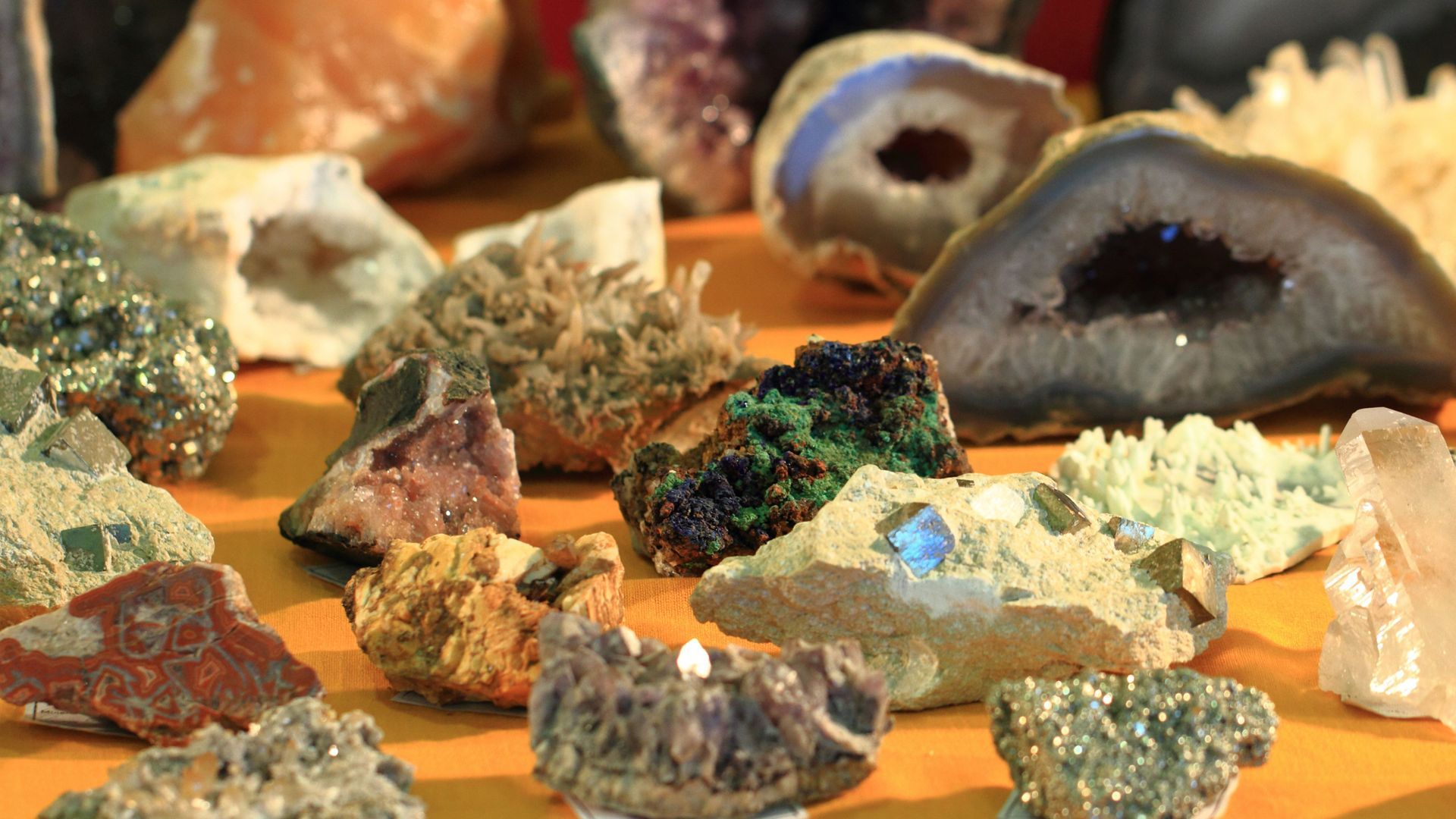
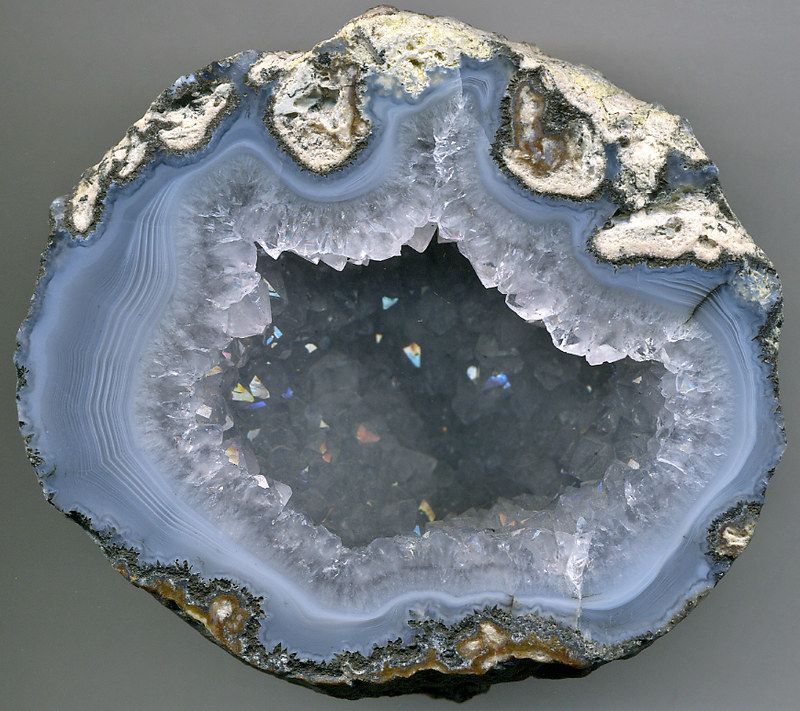
Cut open geode, revealing concentric blue and white agate bands and a crystal-lined cavity.

Science, at its heart, is about exploration.
In some ways, this makes it tougher to learn science in the traditional school setting – especially for students who have specific interests in a niche area. Schools tend to design class-wide experiments that are performed for dozens of people at a time and are predetermined by curriculum coordinators.

This makes sense for that setting. But what happens when a child is curious and there's no school experiment planned to answer their questions? 

Perhaps we can help. Below, you'll find geology experiments that can easily be performed at home with supplies that many folks have either lying around or buried in their attics. 

Introduction to home learning

At-home experiments are great for kids who want to continue the process of scientific exploration beyond what the typical school day has to offer.

As you probably already know, we
love caves at Stump Cross Caverns. So we've come up with a few experiments that teach kids specifically about how caves work.
Why study caves at home? A few reasons spring to mind.

First and foremost, caves are abundant. China, for example, has hundreds of thousands of miles of exposed limestone – and much of this is estimated to be connected to some kind of cave system.

This leads us to our second reason why kids should take an interest in caves. It's estimated that known caves only make up about 10% of the total cave systems in the world. In many ways, caves are the true terrestrial final frontier.

So, let's explore.

Please note: these experiments should only be performed with adult supervision.

Limestone dissolution

This experiment teaches kids how different materials dissolve limestone at different rates. This is pertinent because limestone dissolution – caused by weak acids in rainwater – is one of the primary ways that caves form.

With home materials, you can dissolve a piece of chalk in vinegar and it will dissolve in a matter of minutes. This can be compared to a glass of tap water, which will take a long time to dissolve the chalk.

However, any acid will dissolve any form of limestone.

Science teachers who have access to limestone samples and bottles of sulfuric acid can create visually appealing demonstrations by combining the two in a safe container and having students (with goggles) take a look.

For those working with supplies at home, however, you can flip the process by testing at-home acids against different rocks to check for the presence of limestone (known amongst chemists as calcite).

Try vinegar, lemon juice, hot sauce and fizzy drinks. Place rocks you find in your backyard or at the park in solutions made using these products. Check back in a few days for damage. 

Rock cleavage

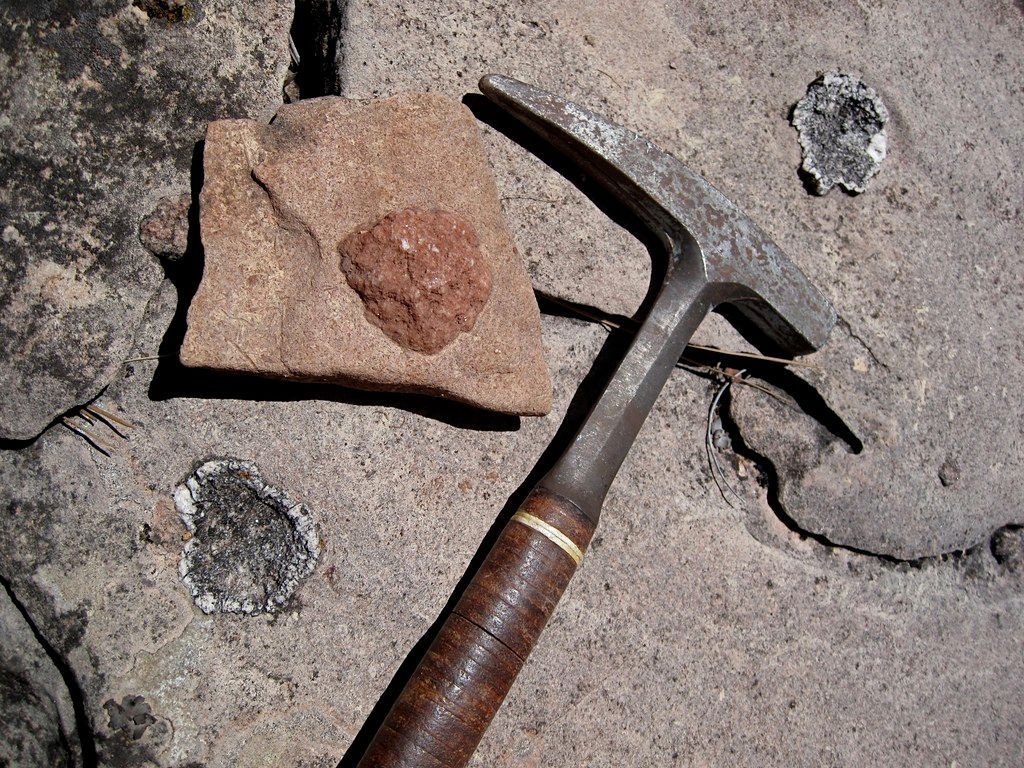
Some cave formations are created by the splintering of rocks as opposed to their dissolution. Scientists study how rocks break – because the way they crack and split is actually determined by their chemical makeup.

In science, cleavage refers to the ability of something to break apart across a flat plane.

So, if you crack a rock in half and the halves split to create a new, smooth surface on each side, we would say it has "high cleavage". If, however, it shatters into a million jagged pieces, we would say it has "low cleavage".

You can test the cleavage of various rocks at home yourself using whatever tools you own that can break rocks. A
rock hammer is ideal, but a regular ball-peen hammer or even a mallet will work. All participants should have adequate protective eyewear. You should also use a cloth under and over the rock to contain any shards.
Rock sample with embedded stone next to a geological hammer on a cracked surface.

Make sure there is a very solid surface underneath (you might want to save this activity for a garage or cellar floor). You should also ensure that everyone – aside from the adult wielding the hammer or blunt instrument – is at a safe distance.
Making crystals

Caves can form from rocks dissolving and breaking – but rocks also form
within caves.
Crystals are abundant in caves that allow the conditions necessary for their formation. Different processes can create crystals – and one at-home method takes advantage of one such set of conditions. 

You can create crystals of sugar at home using a process known as "supersaturation". In short, you can dissolve more sugar in hot water than you can dissolve in cold water.

This creates a situation you can take advantage of by dissolving as much sugar as possible in a hot solution of water and then allowing that solution to cool. While it cools, as long as a nucleation agent is present (usually a string), sugar will crystallise out of the cooling water because the water simply cannot hold all of the sugar.

Two crystals: a large, tan, hexagonal prism and a cluster of smaller, white crystals, on black fabric.

If you place a string in the solution, you should be able to pull out crystals when the solution cools by removing the string carefully. 
We suggest making this more experimental by testing the different parameters that create bigger crystals and recording the results.

Change the time, the temperature, the amounts and even the types of strings and containers. Record the size of the crystals, challenge your neighbours and see if you can make the biggest sugar sweet on your street!

Erosion

Dirt and sediments dissolve and break to make caves – but those dissolved sediments always end up somewhere.
Erosion is what happens when nature moves sediments from one area to another. In caves, this process is almost exclusively carried out by water.
There are two ways to simulate this phenomenon and study it. Both involve a small pile of dirt or potting soil.

The first method uses a hose. Bury the nozzle of the hose inside of the dirt pile. Then (gently) turn on the water. Record where the water seeps out of the pile and how the dirt is eventually carried away.

The second method involves rainwater. Place the pile of dirt on your lawn or driveway (ideally both). After it rains, record how the dirt has moved along the contours of the land it traversed. 

Water filtration

Finally, one of the things many caves are famous for is that they contain pools of untouched, crystal-clear water. Whole lakes have been discovered that are completely pristine.

How does this happen? Simple: most water found in caves is filtered by the cave itself.

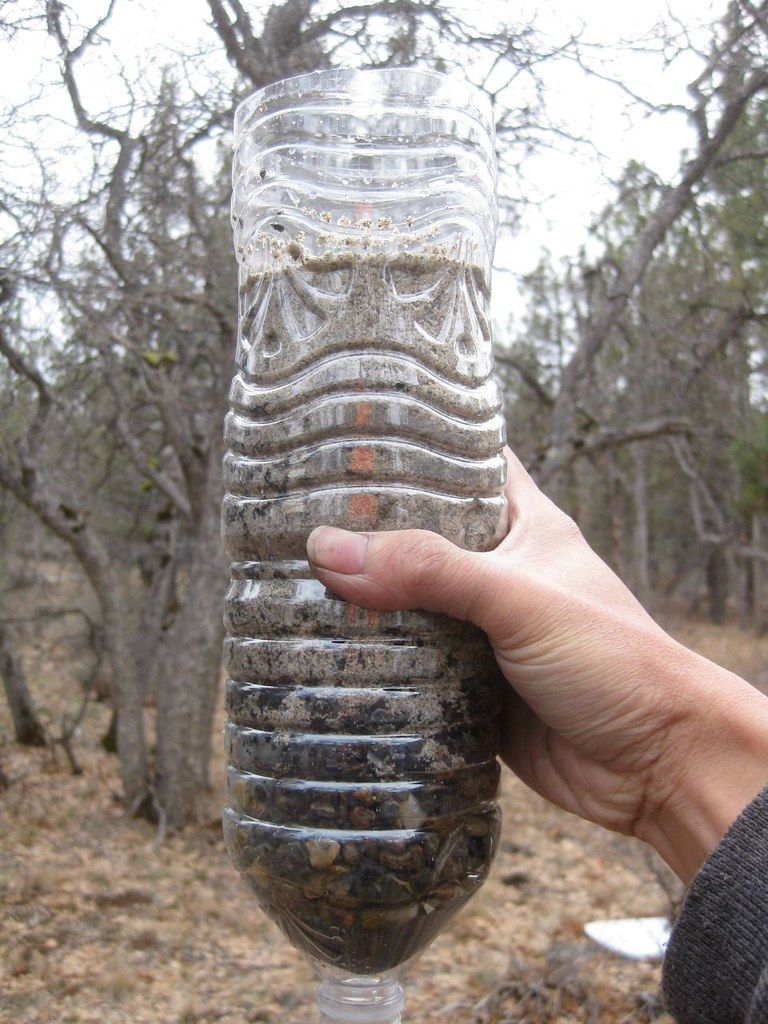
Making a filter for dirty water at home is much easier than you'd expect. All you need are different types of dirt and gravel, as well as some plastic containers. A funnel works well when placed on a two-litre fizzy drink bottle.

Simply place your dirt and gravel into the funnel, pour water through and let it drip. Be sure to fold a cloth or paper towels into the funnel to keep the dirt out of the final drip.

A good mix of filtration material, in our experience, would include large rocks (golf-ball size), pebbles, gravel, sand, potting soil and clay.

A hand holding a clear plastic bottle filled with layers of soil and rocks outdoors.

You can turn this into a more formalised experiment by varying amounts, layers and flow rates. Finally, don't forget to decide where you're going to get your "dirty water". You could use pond water, for instance. Adding dirt to kitchen water is also fine.
Two things that make this experiment even more rigorous that you may not have at home: a microscope (to check water cleanliness) and silt (a good filtering layer). These aren't necessary, but if you have them they can make things more intriguing.

Also, don't be afraid to test the water in multiple ways, such as eyeballing its clarity, testing with pH straps and examining under a black light. However, you should NOT drink it.

The ultimate exploration

Let's not forget the ultimate learning experience in the realm of geology: visiting a real-life cave! 

If you're interested in a positive experience for your child, consider
booking a self-guided tour of our caves in the Yorkshire Dales . At Stump Cross Caverns, we offer convenient tour times, informed on-site experts and lots of fun, family-friendly things to do.
Or why not sign up for one of our Home Education Days? Specially designed for home-educated children, they provide a hands-on learning experience that you won't find anywhere else.
Check our events calendar to see when the next educational adventure kicks off – or explore our online educational activities to start learning now.
(By Brian Rosten)

Share this article

Recent Posts

Person in a hard hat inspects stalactites and stalagmites in a cave, lit with purple and amber lights.
28 February 2026
Here at Stump Cross Caverns, we're proud that our caves have contributed to the sum of scientific knowledge. Here are 4 fascinating examples.
Stone ruins of a village overtaken by greenery, nestled in a valley with a cloudy sky.
27 February 2026
There are around 3,000 deserted villages in the UK. Explore 5 incredible examples in Yorkshire and nearby.
Man with briefcase overlooking valley at night, glowing watch, lit village below, full moon.
23 February 2026
What skills and tools would you need to survive as a Stone Age person? Take a trip in our time machine and find out…
Person in yellow caving suit holding rock in cave, illuminated by headlamp; smiling.
20 February 2026
Diggers working to excavate C Chamber at Stump Cross Caverns have discovered the fossilised jawbone of a wolverine. Let's take a closer look.
A flooded cave filled with rusted cars and trash; light shines through the opening.
16 February 2026
Caves contain all sorts of secrets – but not all of them are pleasant. Explore this car graveyard in North Wales, and the lessons we can learn from it.
Sunlight streams into a dark cave, illuminating green foliage and rock formations.
13 February 2026
Did you know that some caves have their own ecosystems? Explore 5 incredible-but-true examples in our guide.
Aerial view of a city square with a tall obelisk surrounded by buildings and streets.
9 February 2026
Discover the most unforgettable family-friendly days out around Harrogate – from castles and gardens to underground caves.
Two shiny red heart ornaments hanging from strings against a blurred, natural background.
6 February 2026
Are you looking for some Valentine's Day inspiration? Explore 10 varied options in North Yorkshire.
Open book on a stand titled
30 January 2026
Are you looking for evocative poetry about caves? Discover 5 classic examples in our Burns Night guide.
Show More