
What did Stone Age people drink?

Simon Edward • November 28, 2025
BOOK TICKETS

Go back in time and discover what Stone Age people drank, from river water to wild brews and herbal teas.


Go back in time and discover what Stone Age people drank, from river water to wild brews and herbal teas.

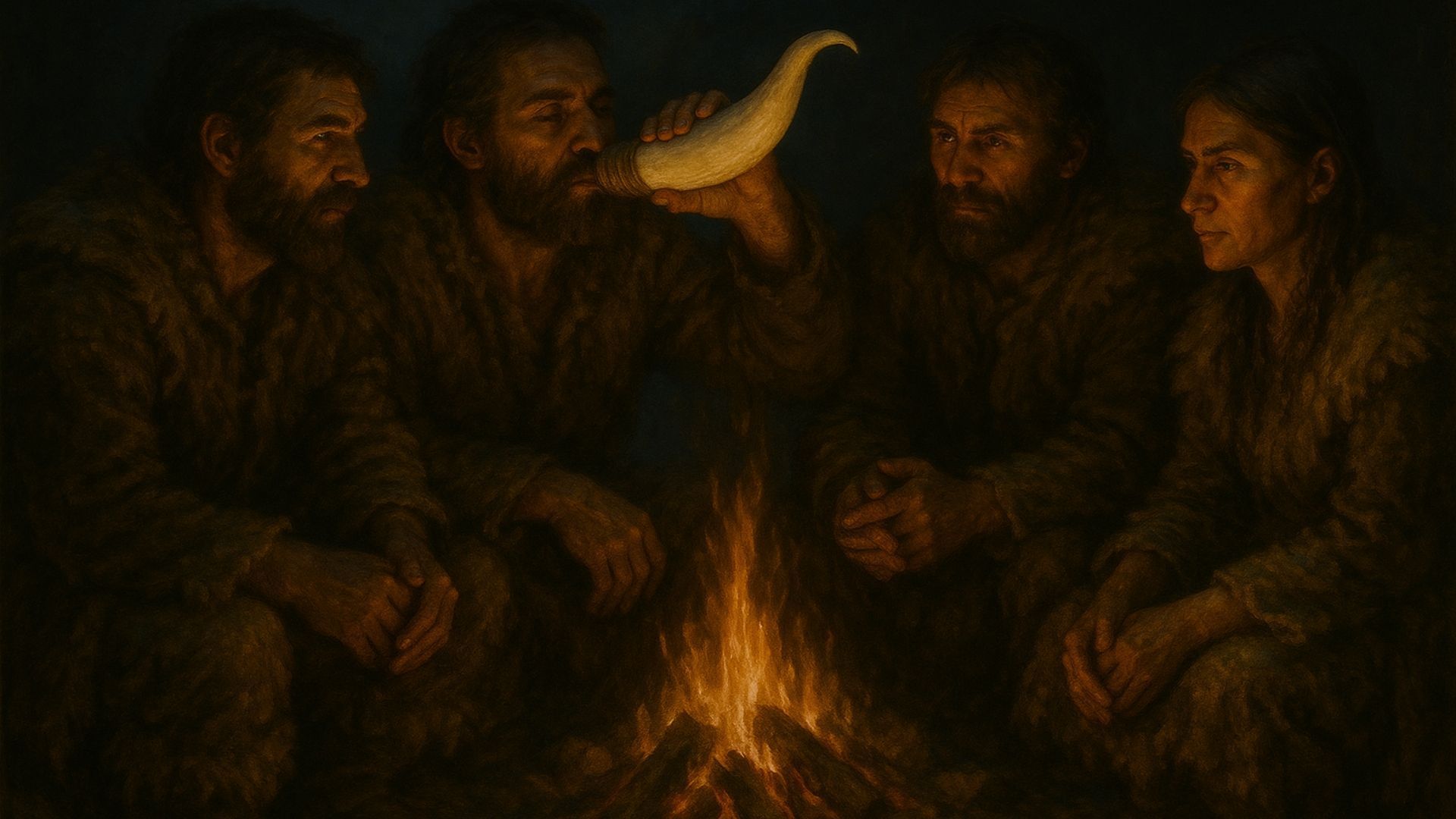
The sun glows deep orange as it sets over a wild Yorkshire valley. Smoke curls lazily from a hot, crackling fire. A small group of hunter-gatherers sit together, wrapped in furs, the catch of the day sizzling on the flames.


One of them passes around a hollowed-out horn, filled with something refreshing and earthy. No, it isn't Yorkshire Tea. It's not beer or wine, either. However, it is one of the first drinks ever enjoyed by humankind.


So, what did Stone Age people drink long ago? How did they quench their thirst in the days before teabags, freshly ground coffee, hot chocolate and fizzy pop were even a dream?


Simple: they drank water – the original drink of life.


Plain old water

Yes, the simplest answer is that Stone Age people drank water. But the water we're talking about is far from the clean and reliable stuff we pour from our taps or buy in bottles today.


Back then, early humankind drew it straight from rivers, streams and natural springs. Crucially, though, they would have been wise enough to know which sources were safest. 


After all, when you spend your whole life outdoors, you're bound to learn which pools are fresh and tasty and which are best avoided. Our ancestors would have known to avoid water sources after heavy rain, for instance, or animal crossings.


Archaeological evidence even suggests Stone Age humans used animal hides or wooden vessels to collect and store water. It's easy to imagine them crouched beside a bubbling stream, filling their skins for a long journey ahead.


Wild infusions and natural flavourings

While we've yet to find evidence of teabags or joke mugs in the Mesolithic era, early people likely drank something similar to modern herbal teas.


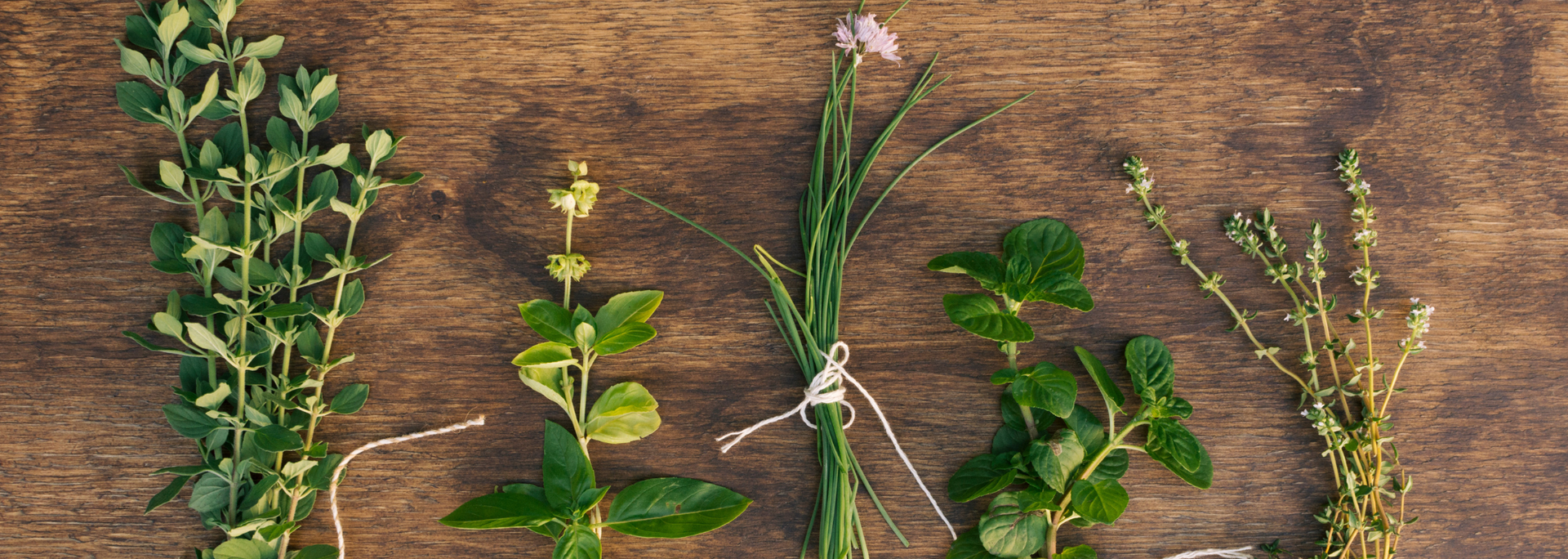
Yes – humans have always loved flavour wherever they could find it. To liven up their drinks, they likely experimented with leaves, herbs and flowers, dropping them into hot water from the fire.


Picture of wild herbs.

Imagine steeping wild mint or crushed berries in a stone pot of warm water. The result would be refreshing and fragrant. It might even have a few useful healing or restorative properties. 


Plants such as dandelion and nettle have long been used in natural remedies, and they grow in abundance. So, it's not a stretch to imagine Stone Age folk brewing earthy little infusions and tonics to soothe aches and pains or energise weary hunters.

Sweet discoveries and fermented surprises


This is where it gets really interesting. Around 9,000 years ago – near the end of the Stone Age – humans discovered fermentation.

Archaeologists have found traces of fermented beverages made from honey, fruit and wild grains in ancient pottery. These early beers and wines were similar to mead – an alcoholic drink made with fermented honey. 


They weren't refined like the alcoholic drinks we enjoy today – more like accidental science experiments that happened when sugars mixed with natural airborne yeasts. But once people noticed the results, well… They must have been delighted, because we haven't stopped fermenting since!


Honey was a particularly precious and delicious resource, collected from wild bee hives with the help of a little smoke and some serious bravery. Mixed with berries or tree sap, it could have slowly bubbled and fizzed away into something golden, heady and just a little bit intoxicating.


Did our ancestors brew a celebratory, honey-flavoured drink for special moments and bonding? You could call it the original craft beer…


Water from the earth itself

In limestone-rich areas like the Yorkshire Dales, fresh spring water often filters naturally through rock, meaning it would have been some of the cleanest around.


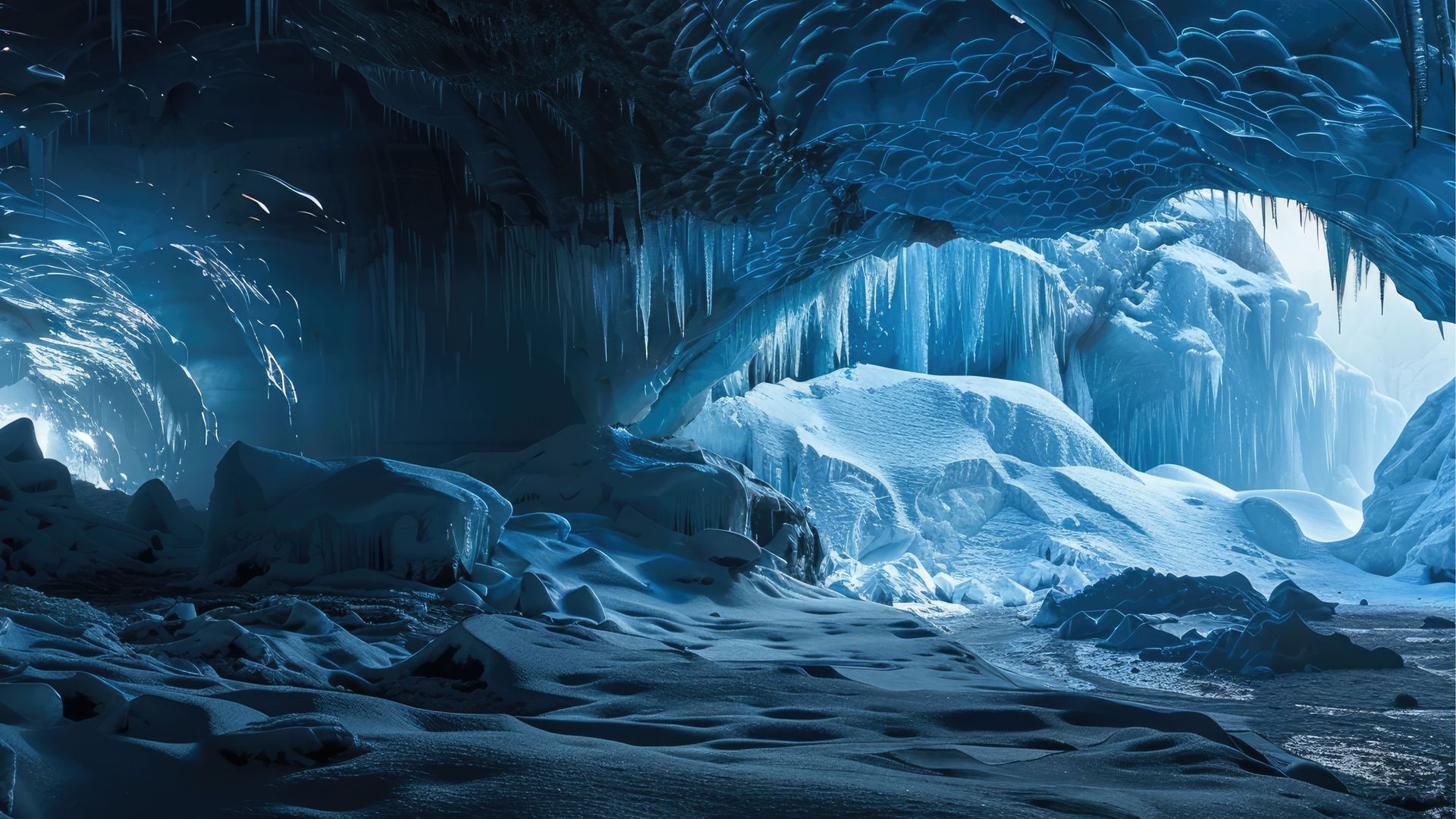
Even now, you can find underground rivers and pools in places like Stump Cross Caverns, where crystal-clear water trickles through ancient rock.


It's incredible to think that the same geological forces shaping those caves were also shaping the drinks of our ancestors. The people who once roamed this land likely drank from the very same sources – water that had flowed through the Dales long before the first human footprints appeared.


Drinking tools of the trade


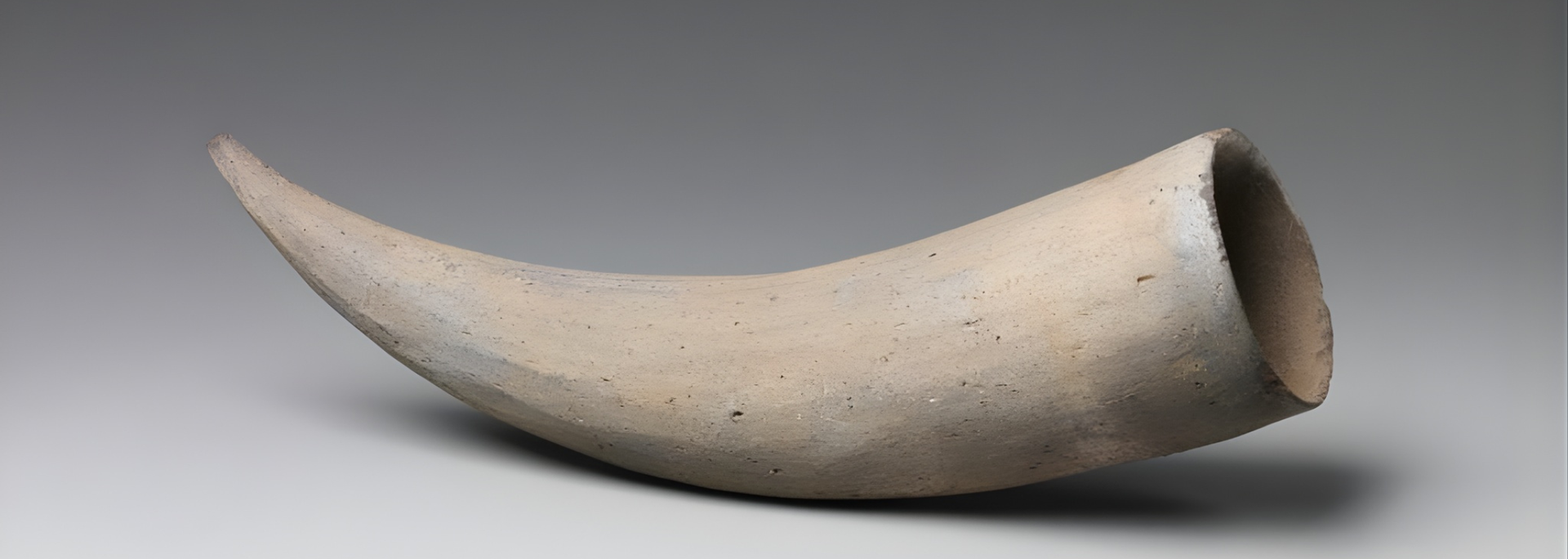
Picture of a stone age horn cup.

What early people lacked in glasses and mugs, they made up for in creativity. They innovated with whatever nature provided: animal horns, shells, hollowed-out bones or carved wooden bowls. Archaeologists have even found evidence of early pottery vessels from the Neolithic period, often decorated with simple patterns.


You can imagine them gathered in a circle, each with their own well-worn drinking horn. Passing the firelight and the drink around, they might have shared the stories of the day as they enjoyed some well-deserved refreshment.


A toast to ancient ingenuity

From cool river water to wild honey brews, what Stone Age people drank tells us a lot about how resourceful they were. Every sip connected them to the land and their home – its plants, its minerals, its creatures and its seasons.


Next time you're in the area and take a cool sip of something refreshing, pause for a moment and look back. Somewhere in Yorkshire, thousands of years ago, someone a bit like you did the very same thing, raising their makeshift cup to the firelight and the stars above.


Step back in time at Stump Cross Caverns

Has this glimpse into the past sparked your imagination and left you wanting more? There really is no better place to connect with the ancient world than Stump Cross Caverns.


Beneath the rolling Yorkshire Dales, you can explore real limestone caves formed over half a million years ago. You can even meet our own resident Cavewoman, who loves bringing prehistory to life for curious minds.


From hands-on fossil digs to exploring the glittering passageways beneath the ground, it's a chance for kids and adults alike to step back in time. (And unlike our prehistoric forebears, you won't have to sleep in a cave or drink nettle tea.)


Whether you're visiting for a Yorkshire family day out or a special event, Stump Cross Caverns is the perfect place to raise a toast to the past. Ready for an adventure? You'll find the best deals when you book your tickets online.


From ancient royal tombs to dinosaur highways… Let's look back at the discoveries of 2025
By Simon Edward January 9, 2026
From ancient royal tombs to dinosaur highways… Let's look back at the discoveries of 2025 that reshaped our understanding of Earth's past.
From storytelling to survival… Join us as we explore how Stone Age people mastered fire
By Simon Edward January 5, 2026
From storytelling to survival… Join us as we explore how Stone Age people mastered fire and changed human history forever.
People have been making art for millennia. Explore the history of cave art from Europe, Asia
By Oliver Bowerman December 29, 2025
People have been making art for millennia. Explore the history of cave art from Europe, Asia and Africa.
Geodes are natural treasure chests filled with crystals. Discover 4 of the most amazing examples
By Simon Edward December 27, 2025
Geodes are natural treasure chests filled with crystals. Discover 4 of the most amazing examples ever found.
Explore the weird and wonderful world of living fossils – animals alive today that have survived
By Oliver Bowerman December 22, 2025
Explore the weird and wonderful world of living fossils – animals alive today that have survived since prehistoric times.
Embrace the frosty sparkle of the Yorkshire Dales at its most enchanting with these 5
By Simon Edward December 15, 2025
Embrace the frosty sparkle of the Yorkshire Dales at its most enchanting with these 5 beautiful winter walks.
Caves have been around for millennia. Yet humans still haven't uncovered them all.
By Simon Edward December 12, 2025
Caves have been around for millennia. Yet humans still haven't uncovered them all. Could there be more near Stump Cross Caverns here in Yorkshire?
Sites of Special Scientific Interest are natural areas with special legal protection. Learn more
By Simon Edward December 8, 2025
Sites of Special Scientific Interest are natural areas with special legal protection. Learn more about them – and how our caves became an SSSI.
A miracle in a cave and the origin of tinsel… Discover the magical folk tale of the Christmas Spider
By Oliver Bowerman December 5, 2025
A miracle in a cave and the origin of tinsel… Discover the magical folk tale of the Christmas Spider.
Meet Santa in the most magical grottos, discover the best festive days out
By Oliver Bowerman December 1, 2025
Meet Santa in the most magical grottos, discover the best festive days out and make some Christmas memories across Yorkshire.
More Posts