A history of the Yorkshire Dales National Park

Simon Edward • August 12, 2024
BOOK TICKETS

Founded in 1954, the Yorkshire Dales National Park is a jewel in the UK's crown. Uncover its history with us.


Founded in 1954, the Yorkshire Dales National Park is a jewel in the UK's crown. Uncover its history with us.

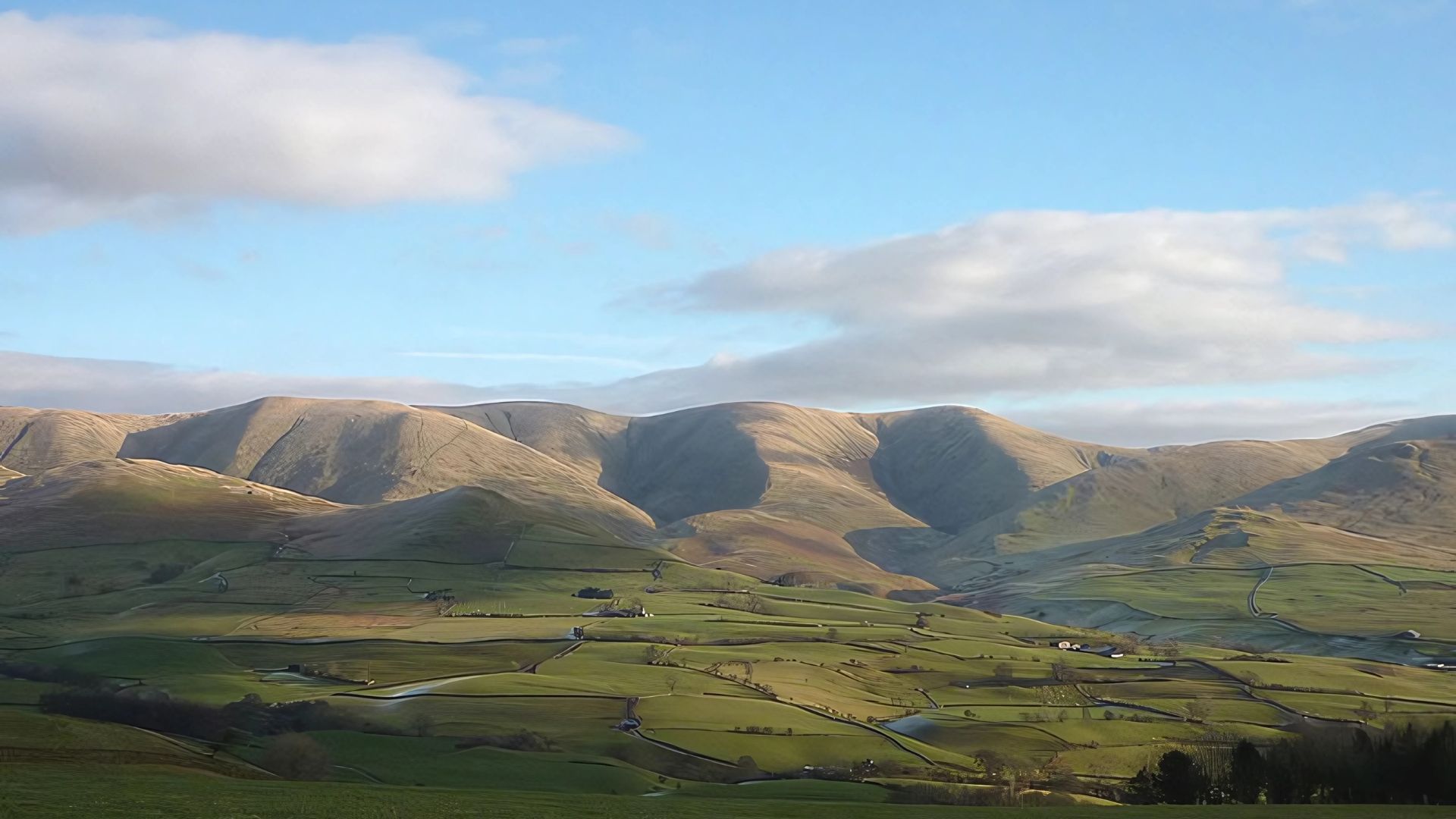
The Yorkshire Dales National Park is over 2,000 square kilometres of gorgeous countryside. Its valleys, rivers, meadows and moorlands cover most of the Yorkshire Dales, the Howgill Fells and the Orton Fells – home to the three peaks, Bolton Castle, Malham Cove and more.


It's been lived in and farmed for more than 12,000 years. But the National Park itself is less than a century old.


Founded in 1954, it's now a popular destination for hikers, wildlife spotters and other visitors. And here at Stump Cross Caverns, we're proud to be on the park's border – the perfect spot to soak up the stunning Yorkshire landscape.


But how did the National Park come into existence? To answer that, we need to go back to 1835.


A brief history of national parks


Today, there are more than 113,000 national parks worldwide – that's about six percent of the Earth's surface!


Wherever in the world they are, national parks are committed to conserving the natural beauty and wildlife of their location. Nothing new about that – conservation efforts have been going on for millennia. But perhaps surprisingly, the notion of a national park is only a couple of hundred years old.


In 1835, poet, critic and writer William Wordsworth published his
Guide to the Lakes, in which he proposed that the Lake District should be a "sort of national property in which every man has a right and interest who has an eye to perceive and a heart to enjoy".


In other words, areas of outstanding natural beauty or precious wildlife shouldn't be the preserve of locals, landowners and well-to-do visitors. They should belong to the nation as a whole.


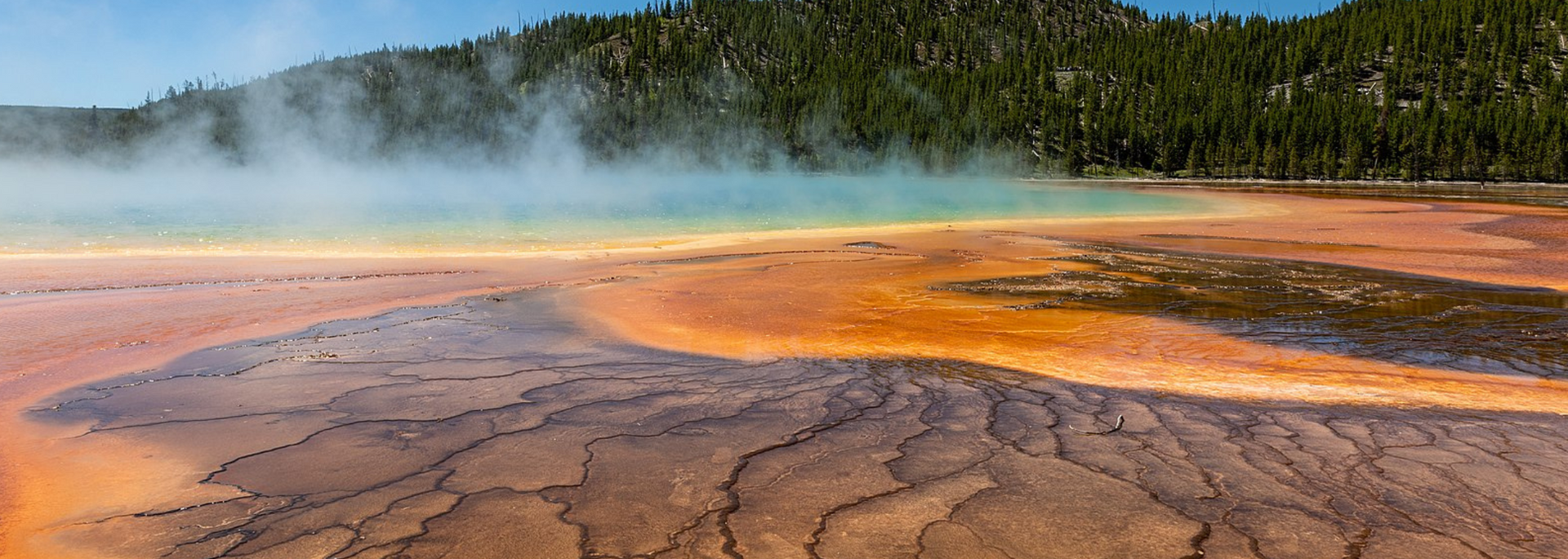
This principle was first put into practice in 1872 when the US government created Yellowstone National Park. This is home to canyons, rivers, forests, geysers and a menagerie of bears, wolves, bison, elk and antelope.


Picture of Yellowstone National Park.

In the UK, the concept of national parks picked up pace in the 20th century.


The well-to-do had always split their time between the city and the country. But working people in industrial urban centres were overwhelmingly city-bound. Social reformers in the 19th and 20th centuries saw the countryside as good for the body and the mind – and they wanted the immiserated city-dweller to get a lungful of country air.


However, it wasn't always easy – not least because so much of the UK was fenced off by wealthy landowners. The countryside was contested land. In 1932, for instance, a group of communists organised a mass trespass of Kinder Scout in Derbyshire, resulting in arrests and jail time.


In the 1930s, organisations like the Ramblers Association had to campaign for walkers' rights. Around the same time, youth hostels were springing up across the UK and the Co-operative Holidays' Association was arranging country outings for factory workers.


The growth of national parks can be seen as part of this movement to make the countryside more accessible to urbanites, while simultaneously lobbying for greater protection of the UK's precious landscapes.


The government gets involved


In 1931, Christopher Addison chaired a government committee proposing a "National Park Authority". This would be a body that nominated areas to be national parks.


The committee, however, hit a wall almost immediately in the form of the 1931 General Election. This seismic event saw Labour Prime Minister Ramsay MacDonald split from his party to form a National Government in coalition with the Conservatives and several liberals. For now, national parks were off the agenda.


Fast forward to 1936 and a new committee was formed to mount the case for national parks. But it was a slow process that took another decade to gather steam.


In some ways, it was the Second World War that finally led to the creation of the UK's national parks. The post-war Labour government saw them as part of a programme of reconstruction.


In 1947, the Hobhouse Report proposed 12 national parks. To be considered, Hobhouse said, an area "should have great natural beauty, a high value for open-air recreation and substantial continuous extent". Naturally, the Yorkshire Dales fit the bill.


Two years later, the
National Parks and Access to the Countryside Act 1949 was passed with cross-party support – and in the 1950s, the first 10 national parks were created.


What is there to see in the Yorkshire Dales National Park?


The Yorkshire Dales National Park is a popular destination for tourists for a reason. It's bursting with things to do, places to go and sights to admire.


Nature lovers can explore the cliffs (Malham Cove), waterfalls (Janet's Fall, Aysgarth Falls and more), moorland, woodland and more. There's remarkable architecture such as the Ribblehead Viaduct, Bolton Abbey and the ruins of Pendragon Castle.


It's also cave country. The limestone landscape of the Yorkshire Dales is home to around 2,500 caves – probably more. These include the Three Counties network of caves (the longest in the UK) and the cathedral-sized chamber at Gaping Gill.


Then there are the show caves – those caves that can be visited without a rope and harness. White Scar Cave, Ingleborough Cave and Stump Cross Caverns all teem with stalactites, stalagmites, curtains, flowstones and other stunning rock formations.


Show caves are great to visit whether you're a curious caver or veteran speleologist, part of a young family or a solo visitor. They provide peace, mystery and beauty, like naturally occurring cathedrals.


What other National Parks are there in the UK?


England is home to 10 national parks: the Peak District, the Lake District, Dartmoor, the North York Moors, the Yorkshire Dales, Exmoor, Northumberland, the Broads, the New Forest and the South Downs.


In Wales, there's Snowdonia, the Pembrokeshire Coast and the Brecon Beacons. In Scotland, there's Loch Lomond and the Trossachs, and the Cairngorms.


At the time of writing, there are no plans for any national parks to be created in Northern Ireland.


Looking for
things to do in the Yorkshire Dales? Stump Cross Caverns is an ancient cave system buried deep beneath this magnificent and historic landscape. Book your tickets online today.

From cliff-edge climbs to guided underground adventures… Discover exhilarating experiences
By Simon Edward January 26, 2026
From cliff-edge climbs to guided underground adventures… Discover exhilarating experiences across the Yorkshire Dales for all abilities.
Travel back 300 million years to discover coral seas, shifting continents
By Oliver Bowerman January 24, 2026
Travel back 300 million years to discover coral seas, shifting continents and the ancient origins of caves.
Discover unforgettable Yorkshire activities for your 2026 bucket list –
By Simon Edward January 19, 2026
Discover unforgettable Yorkshire activities for your 2026 bucket list – from underground adventures to wild landscapes and ancient wonders.
Explore the underground chambers and passageways at Stump Cross Caverns for less this January.
By Simon Edward January 16, 2026
Explore the underground chambers and passageways at Stump Cross Caverns for less this January.
Make a day of well-loved routes and big views, with five rewarding long-distance walks
By Simon Edward January 12, 2026
Make a day of well-loved routes and big views, with five rewarding long-distance walks across the Yorkshire Dales landscape.
From ancient royal tombs to dinosaur highways… Let's look back at the discoveries of 2025
By Simon Edward January 9, 2026
From ancient royal tombs to dinosaur highways… Let's look back at the discoveries of 2025 that reshaped our understanding of Earth's past.
From storytelling to survival… Join us as we explore how Stone Age people mastered fire
By Simon Edward January 5, 2026
From storytelling to survival… Join us as we explore how Stone Age people mastered fire and changed human history forever.
People have been making art for millennia. Explore the history of cave art from Europe, Asia
By Oliver Bowerman December 29, 2025
People have been making art for millennia. Explore the history of cave art from Europe, Asia and Africa.
Geodes are natural treasure chests filled with crystals. Discover 4 of the most amazing examples
By Simon Edward December 27, 2025
Geodes are natural treasure chests filled with crystals. Discover 4 of the most amazing examples ever found.
Explore the weird and wonderful world of living fossils – animals alive today that have survived
By Oliver Bowerman December 22, 2025
Explore the weird and wonderful world of living fossils – animals alive today that have survived since prehistoric times.
More Posts