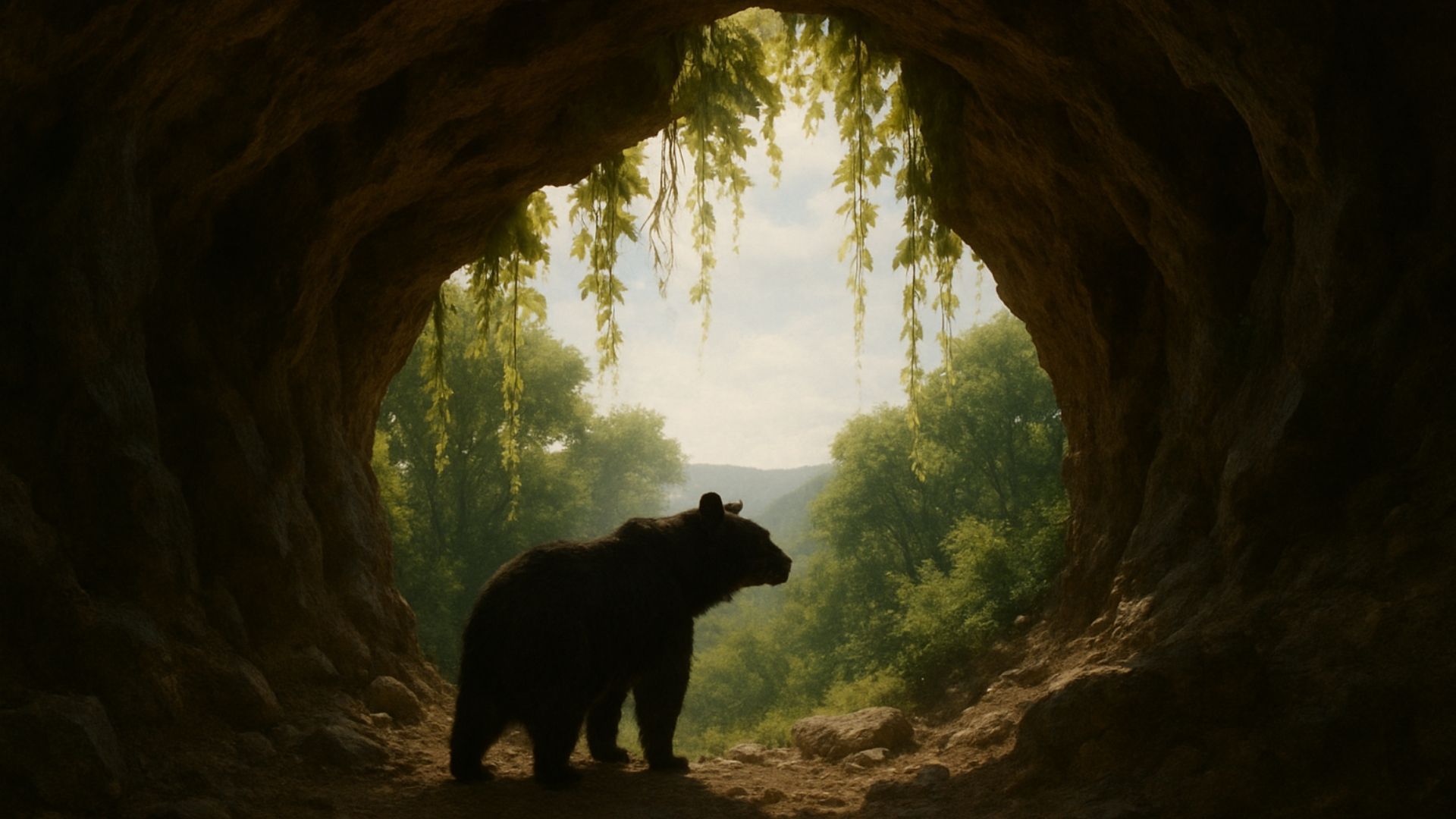
The image of a bear in a cave is a popular one. But is it true to life? Join us on a bear hunt as we find out.

Ask a cartoonist to draw a bear in its home and they're likely to come up with the image of a bear snuggled up in a cave. But how true to life is it?
It's certainly true that some bears use caves as dens for hibernation. But this is just one item on a list of locations that includes bear-made dug-outs and naturally occurring holes in the roots of trees.
In other words, a bear may live in a cave, but there's no such thing as a cave bear – at least, not any more.
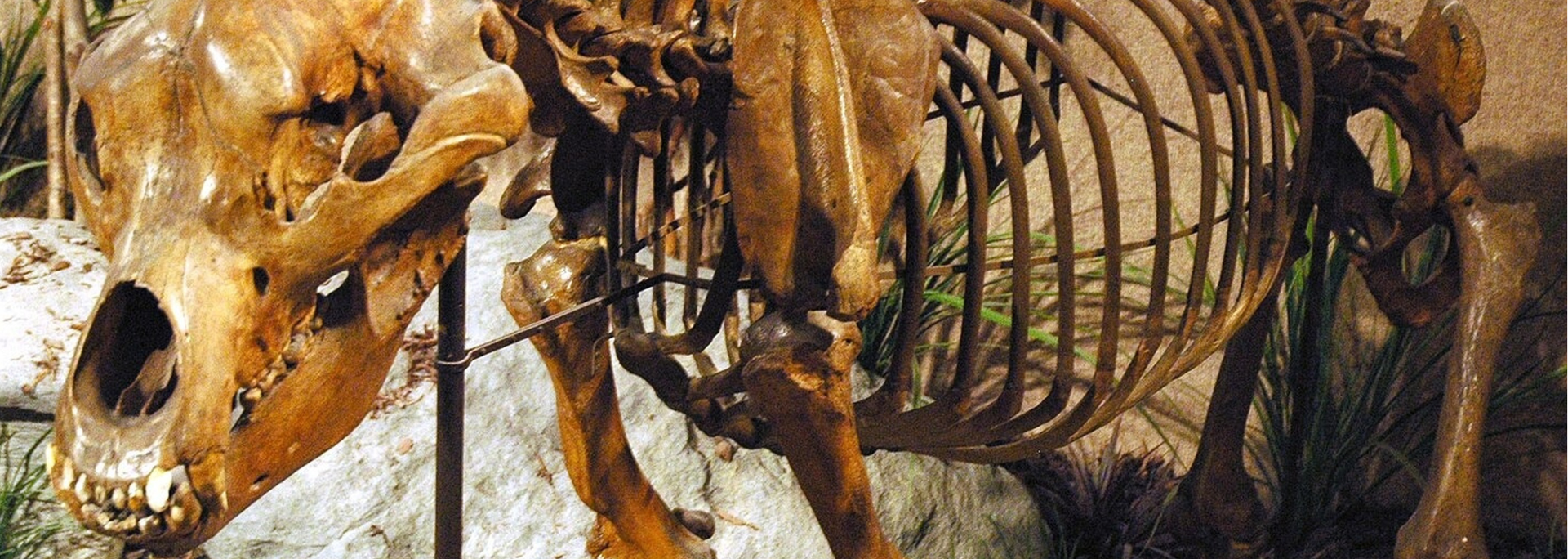
There used to be a species of bear that mostly lived in caves. These finally became extinct some 27,000 years ago.
Why do bears use caves?
In winter, bears shelter from the weather and hibernate. Their metabolism and heart rate slow down so they can conserve energy at a time when food is scarce.
They need an environment with a consistent temperature. Dryness is important, and bears are known to up sticks if their den gets soggy. Sometimes their den is big enough to hold one bear, and sometimes up to an entire family.
In Alaska, one expert reports, "You can run into a bear den just about anywhere." That includes in caves.
Bears may use caves as dens, but they don't live there permanently. For a long time, however, Earth was home to cave bears.
What are cave bears?
Cave bears are an extinct species of bear that spent most of their lives in caves. They lived from around 5.3 million to 27,000 years ago.
In Europe, the remains of more than 100,000 cave bears have been found. Their resting places include England, Belgium, Germany, Greece, Italy, Russia and Spain.
Scientists believe cave bears weren't so different from the brown bears of today. The main differences were their size – up to a tonne in the case of the cave bear – and the cave bear's higher, steeper forehead.
Why did cave bears go extinct?
We don't know for sure why cave bears went extinct. Some point to evidence that they were hunted by Stone Age people. Others counter that hunting wasn't widespread enough to make them extinct.
The most plausible explanation is that cave bears died while hibernating through harsh glacial winters. Scientists also point to changes in the skull of one cave bear species.
Whatever its cause, the extinction of cave bears was a long-drawn-out process that ended somewhere between 28,000 and 27,000 years ago.
What animals live in caves?
The short answer is: a lot of different animals! These include fish, birds and insects. Want to explore the topic further? Check out our blog post: Weird and Wonderful Cave-Dwelling Creatures.
Don't worry – you won't find any bears in our Yorkshire caves. You will, however, find ancient underground caverns and a whole host of family activities. Ready for an amazing day out? It's easy to book tickets for Stump Cross Caverns online.