
We scanned a real dinosaur egg – what did we find?

27 May 2024

At Stump Cross Caverns, we're mad about geology. Learn about the time we got a dinosaur egg scanned.


Fossilized, cracked brown egg in dirt and rocks.

Did you know there are dinosaur eggs with preserved embryos inside? You can find many examples at natural history museums – but you can also buy them from fossil collectors and online stores.


Of course, you can't tell just by looking whether the egg contains an embryo. For that, you need to get it scanned.


Here at Stump Cross Caverns, we're mad about fossils and the history of our landscape. So, we couldn't resist picking up a dinosaur egg and taking it to be scanned.


The scanning process


We took our egg to Neo Jurassica, a group of professional palaeontologists based at the Yorkshire Natural History Museum in Sheffield. They're passionate about excavation, fossils and conservation – and they've got the tools to tell us more about our egg.

The egg gets scanned by a process called Micro CT (written as μCT). This is a bit like a medical CT scan – it shows you digital representations of the internal and external features of an object. But as the name suggests, it's on a smaller scale.


Our fossil-scanner for the day put the egg on a revolving disc called a "manipulator". The X-ray then took thousands of projects which were converted into a digital model. This model could then be rotated, enlarged and explored on the computer screen.


What did we find?


Sadly, our dinosaur egg didn't contain a preserved embryo. But we did learn a lot about the dinosaur it probably came from – a duck-billed beast called a hadrosaur.

Hadrosaur – from the Greek hadrós , stout, and saúra  , lizard – are from the genus Maiasaura . We know about them from fossils dating from the Late Cretaceous Period – that's between about 100 million and 65.5 million years ago.


It's thought that hadrosaurs had big clutches of eggs and that the mothers provided good parental care. In fact,  Maiasasura means "good mother lizard"!


While we were disappointed that we weren't the proud owner of a dinosaur embryo, it was fascinating to take part in the Micro CT process and to learn about the hadrosaur. And we have another egg in our possession that may be scanned at a later date…


Dinosaurs in Yorkshire


North Yorkshire is renowned for its dinosaur footprints. Literally thousands of tracks have been found all over the region.


Burniston Bay, a 10-minute drive north of Scarborough, is a treasure trove of dinosaur fossils. As recently as February 2023, a three-toed fossilised footprint was found in the area.


This fossil is believed to be from a large theropod. This was doubly exciting as the theropod was a predator, and it's far more common to find the fossils of prey than of predators.


It's now in safe keeping at Scarborough Museum and Galleries, protected from the wind, rain and other elements that could eventually have eroded it away.


Are you goo-goo about geology?
Book a trip to Stump Cross Caverns today.

Share this article

Recent Posts

There are loads of family Christmas events in Yorkshire in 2026. Make room in your diary
by Oliver Pyper • 21 October 2026
There are loads of family Christmas events in Yorkshire in 2026. Make room in your diary for these festive attractions.
Want to experience the weird and wonderful side of Yorkshire? Discover 11 unusual places to visit
by Oliver Pyper • 12 October 2026
Want to experience the weird and wonderful side of Yorkshire? Discover 11 unusual places to visit for a truly unique day out.

Do you want to take the kids to meet Santa this Christmas? Here are 10 options
by Oliver Pyper • 9 October 2026
Do you want to take the kids to meet Santa this Christmas? Here are 10 options to get the whole family into the festive spirit.
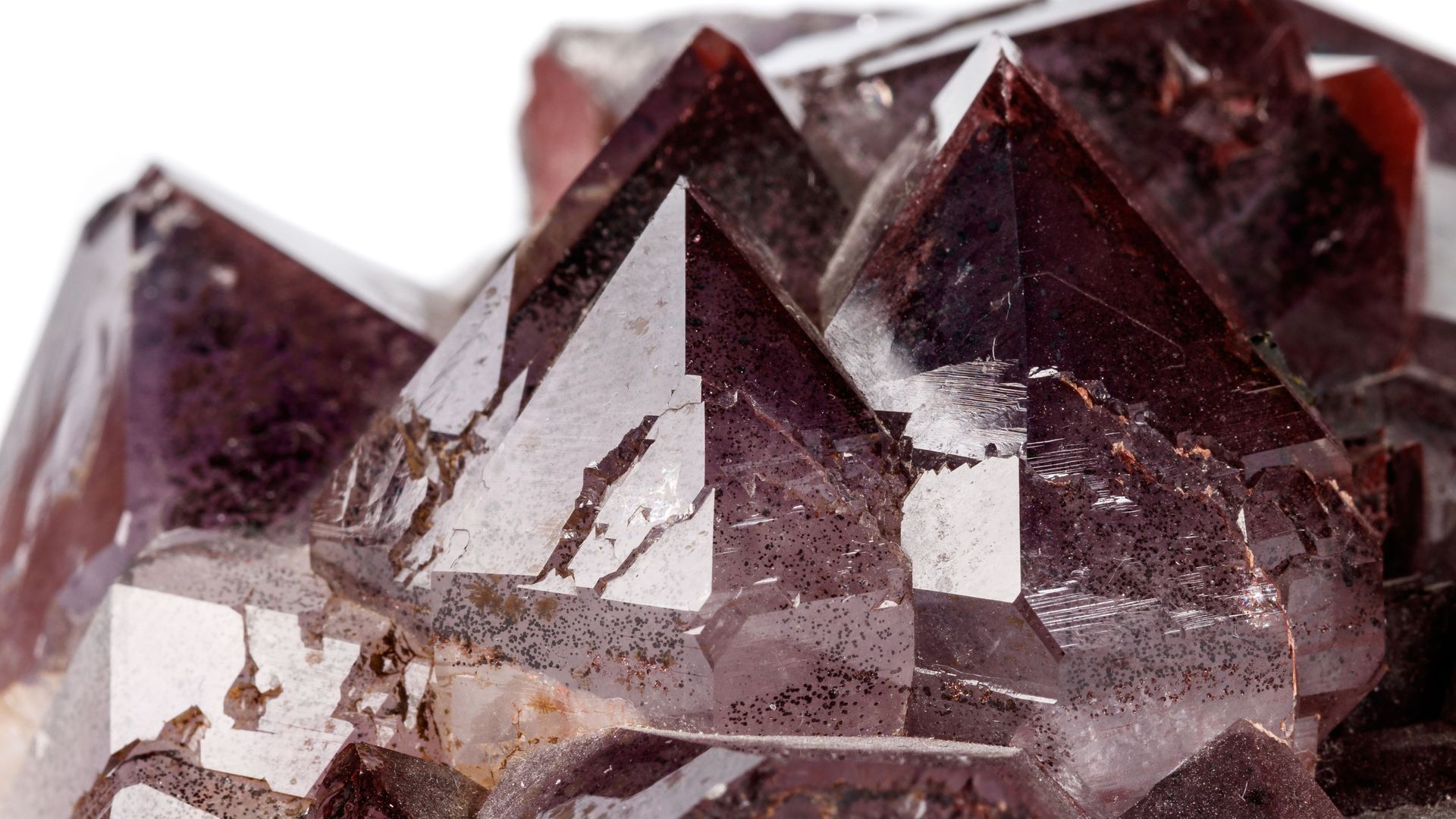
Don't know your druse crystal from your geode? Learn how to spot the difference
by Simon Edward • 5 October 2026
Don't know your druse crystal from your geode? Learn how to spot the difference and identify manmade reproductions.
Cave arches, stacks and stumps are formed over thousands to millions of years.
by Simon Edward • 2 October 2026
Cave arches, stacks and stumps are formed over thousands to millions of years. Learn the fascinating process behind their formation.
Does Mars have caves? Yes! Discover everything you need to know about Martian caves –
by Simon Edward • 28 September 2026
Does Mars have caves? Yes! Discover everything you need to know about Martian caves – no rocket ship required.
Vugs and geodes are both kinds of cavities in rock. How are they different –
by Simon Edward • 21 September 2026
Vugs and geodes are both kinds of cavities in rock. How are they different – and how are they the same?
Looking for hiking inspiration in North Yorkshire? Explore 6 varied walks near Masham
by Simon Edward • 18 September 2026
Looking for hiking inspiration in North Yorkshire? Explore 6 varied walks near Masham on the edge of the Dales.

Looking for KS2 Stone Age homework inspiration? We've got you covered. Discover 6 ideas
by Simon Edward • 14 September 2026
Looking for KS2 Stone Age homework inspiration? We've got you covered. Discover 6 ideas to keep pupils engaged in and out of the classroom.

Show More